





 Portuguese
  English
  Spanish
 3 min of reading
  1 comment


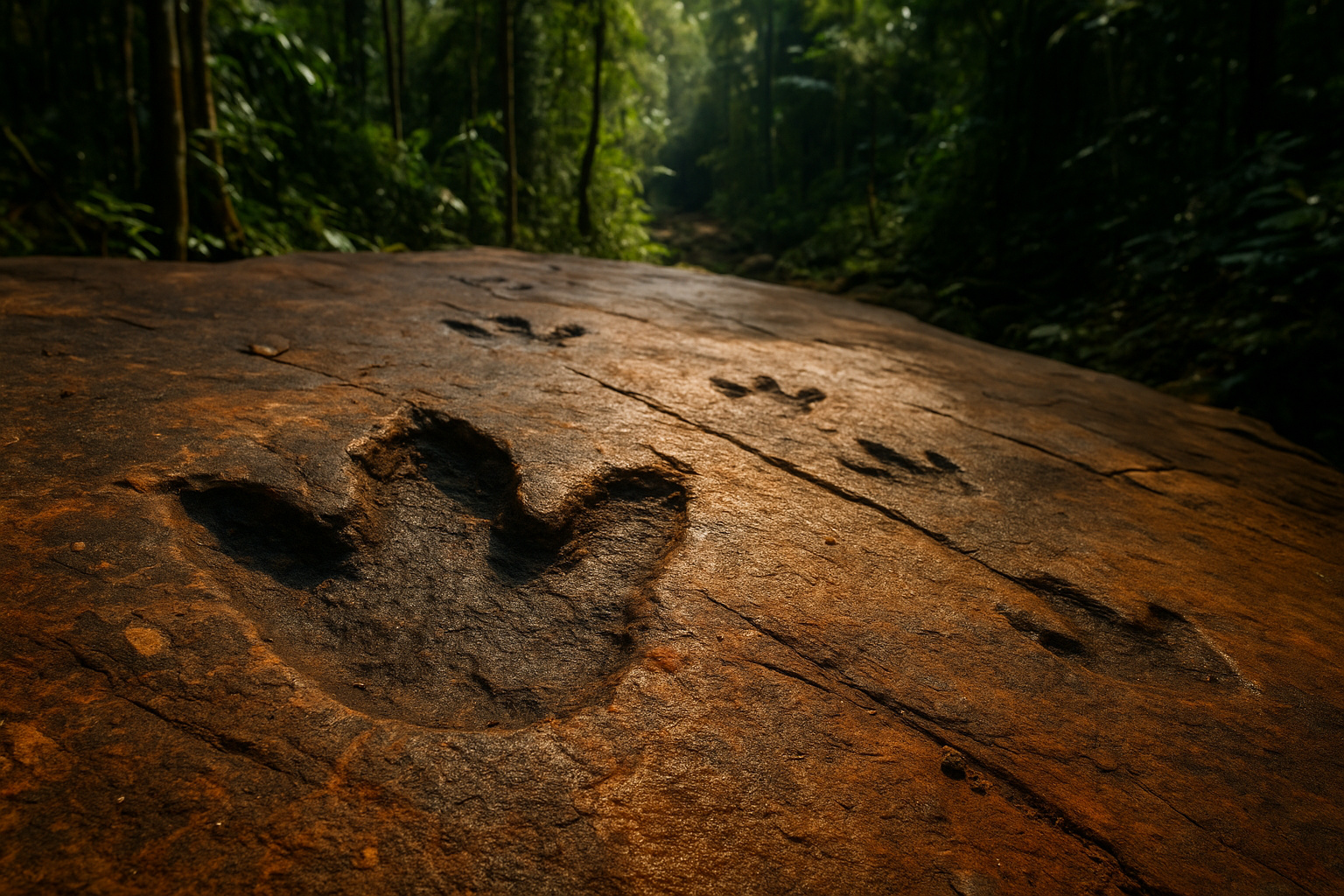

Scientists from UFRR Discover Dinosaur Tracks in the Amazon. Historical Finding May Transform Roraima into a Scientific Pole.
Scientists Reveal Presence of Dinosaurs in the Brazilian Amazon
Researchers from UFRR discovered dinosaur tracks in the Amazon, in one of the largest scientific revelations in Brazil.
The team confirmed the authenticity of the fossils after 14 years of continuous research, proving that the prehistoric giants inhabited the region millions of years ago.
The study reveals that these giant animals lived in the area about 110 million years ago, when the landscape was completely different from today.
-
While the world looks at oil, the war with Iran is already disrupting helium supply from Qatar, affecting car and iPhone chips, threatening AI expansion, and putting pressure on aluminum packaging at the highest value in four years.

-
Global warming will expose a treasure hidden under the ice of Antarctica and may spark an international dispute over gold and valuable minerals.

-
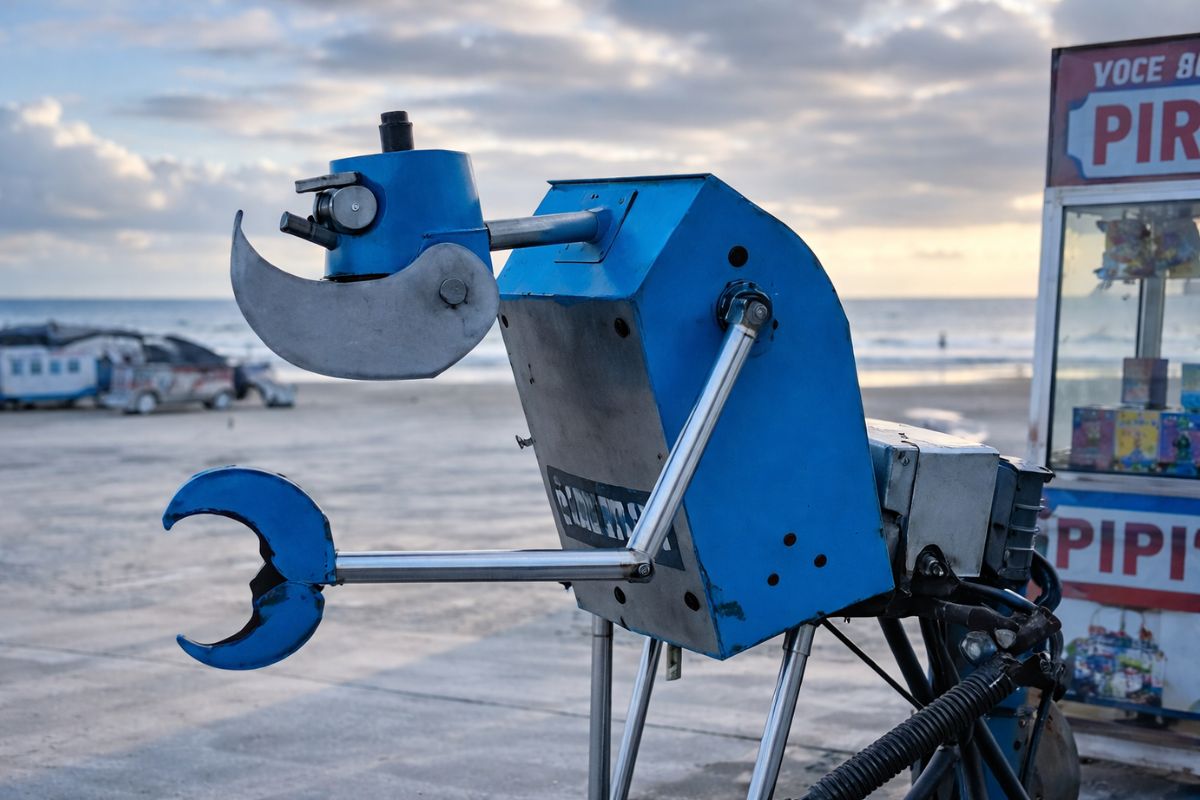
A street vendor from Praia Grande built a robot made of scrap from scooters and washing machines that pulls his popcorn cart on the beach, emits sounds, and interacts with customers, becoming an attraction on the coast of São Paulo.
-
The specifications of the Xiaomi 18 Pro Max have been leaked, and the highlight is a dual 200 MP camera with a new 22-nanometer technology that promises to consume less energy and capture details in shadows and bright areas using LOFIC HDR.

The finding occurred in the Municipality of Bonfim, in Roraima, near the border with Guyana. The discovery reinforces the scientific potential of the region and may transform the site into a geological park.
Discovery That Started with a Science-Loving Eye
Geology professor Vladimir de Souza identified the tracks in 2011, upon noticing an unusual pattern in a sandstone outcrop.
The observation initiated one of the most important research projects on dinosaurs in the Amazon. The study changed the scientific understanding of the presence of these species in the region.
“I saw an outcrop, which is like a sandstone exposure, about 50 centimeters to 1 meter high, that was not on the maps. But I can tell you that those giant dinosaurs, over 10 meters tall, we found tracks, even small tracks from velociraptors,” said Vladimir de Souza.
Since then, the team from UFRR has been analyzing rock formations and sediments to confirm the origin of the marks. According to the researcher, the traces belong to varied species, including the famous velociraptors.
Amazon Was Home to Giant Species
Scientists claim that dinosaurs lived in a lush ecosystem, filled with forests, conifers, ferns, and flowering plants. This vegetation gave rise to the “lavrado” of Roraima, a unique biome in Brazil.
The anthropologist Carlos Vieira, who participated in the analyses, emphasized that the discovery goes far beyond the fossils.
“We had a whole series of transformations of the biota together. For example, plants diversified a lot. We start finding conifers, like pines, flowering plants, ferns,” he explained.
These records reveal what the Amazon environment was like and how it evolved over time.
Region of Bonfim May Become a Geological Park
Researchers believe that the site could transform into a geological park. The space would be open for visitation and would promote scientific education and sustainable tourism.
The team wants to attract students, scientists, and visitors from all over Brazil. The goal is to showcase up close the marks left by the ancient inhabitants of the Amazon.
“We are expanding this research here to the state, to other locations. And, more and more are being found. We are overwhelmed by how much there is still to be studied here,” Vladimir de Souza stated.
According to him, new excavations are already underway in other areas of Roraima, which could reveal even more fossils and evidence of prehistoric life.
A New Chapter for Science in Brazil
The discovery of dinosaur tracks in the Amazon, therefore, rewrites the geological history of Brazil. In addition, it reinforces the strength of regional science and values the work of local researchers.
On the other hand, the study shows that the north of the country still hides prehistoric secrets. Each new excavation, thus, reveals more clues about the origin of life and Amazonian biodiversity. This way, Brazilian science expands its role in the investigation of the region’s past.
With this, Roraima establishes itself on the world map of paleontology. The state, therefore, unites science, tourism, and environmental conservation in one of the richest and most enigmatic areas of the planet.








Se caso fosse em um vale seco de rio, ou um lugar de pântano que posteriormente secou, era possível. Agora num afloramento de rocha ( lajedo) será se era lama magmática e os dinossauros pisaram para deixar marcas? É forçar a inteligência do leitor!