





 English
  Francês
  Alemão
  Italiano
  Japonês
  Norueguês
  Portuguese
  Spanish
  2 min of reading



Smart Glass Film Technology Enters The Automotive Market, Promising To Revolutionize Not Just The Film Industry, But Also Open New Possibilities In Energy Efficiency And Light Control.
If you still think that glass film is just that adhesive layer that gives you a little privacy in your car, get ready to have your mind blown.
We’re talking about a true technological advancement: the smart glass film, which works through a technology known as electrochromic.
In a recent demonstration video, you can see how this innovative material changes its transparency according to the applied electric voltage. So, let’s break down this novelty, which promises to be the next big thing.
-
Archaeologists find in Mexico a sacrifice altar over 1,000 years old, surrounded by skulls, human bones, and signs of rituals from the Toltec Empire.

-
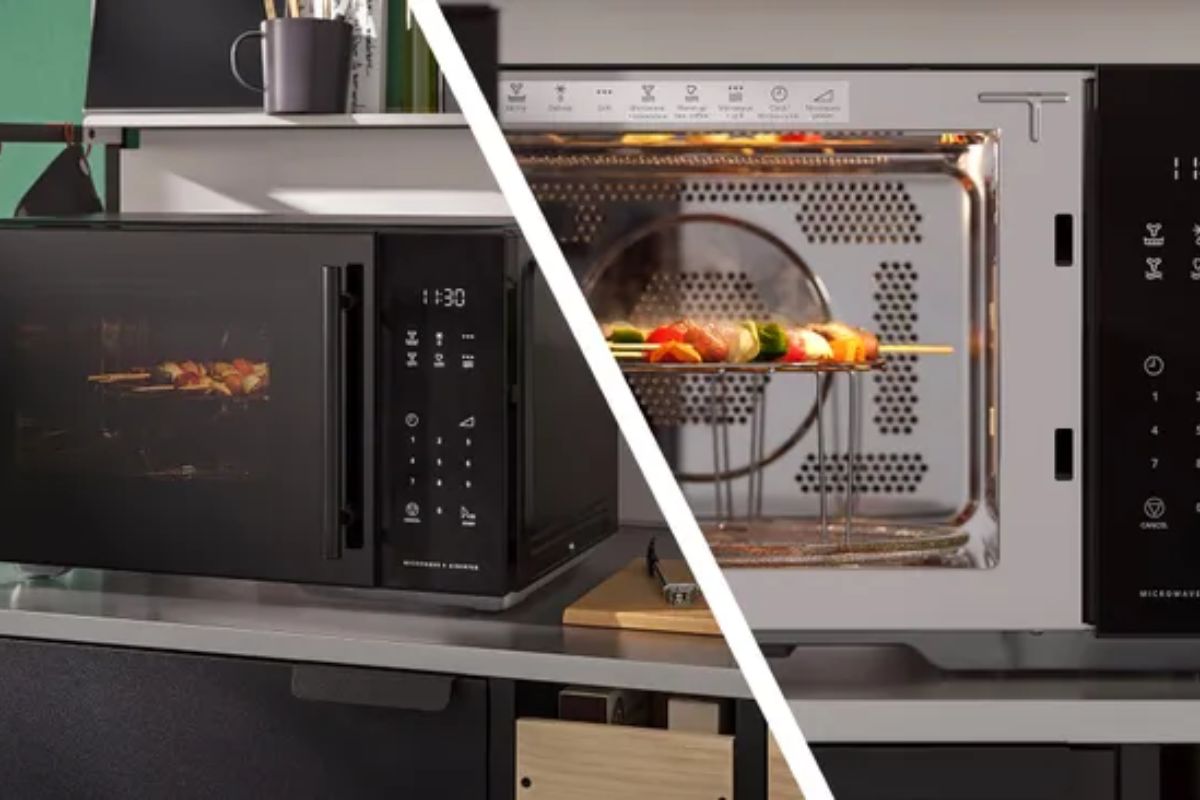
Goodbye to the traditional oven? IKEA draws attention with a 3-in-1 microwave that combines an air fryer, grill, and heating in the same compact, affordable appliance designed for small kitchens.
-
A forgotten stone in the barn hid a rare relic from the Bronze Age, and the discovery shocked archaeologists by revealing a millennia-old mold used to manufacture war spears over 3,000 years ago.

-
New technology with lights is being tested in the most dangerous stretch of Serra do Mar in Paraná to alert drivers, reduce delayed reactions, and try to curb the rise in deaths on the highway.


What Is Electrochromic
The “Q” of the matter here is the electrochromic material. When an electric current passes through it, the material changes its optical properties — going from transparent to opaque in the blink of an eye. Just imagine, you control all of this straight from your smartphone! Check out the novelty in the video below.
How Smart Glass Film Works
It’s not magic, it’s technology! The film is made up of several layers. Usually, there are two layers of glass or plastic with the electrochromic material in between. And to make it even more modern, there are also transparent conductive coatings on the inner surfaces of the glass or plastic.
Opaque State vs Transparent
Now, putting all of this together and applying an electric current, this electrochromic material can change state. In the “normal” state, that is, without electric current, the material scatters light, making the glass opaque — ideal for those moments when you want a bit more privacy. But with the electric current activated, it becomes clear as water, allowing light to pass through.
Where This Technology Is Being Applied
From residences to commercial buildings, this smart glass film can help control indoor temperature, thus reducing energy consumption. We are also talking about applications in secure areas, such as banks and government buildings, and even in luxury cars.








Seja o primeiro a reagir!