





 Portuguese
  English
  Spanish
  5 min of reading
  0 comments


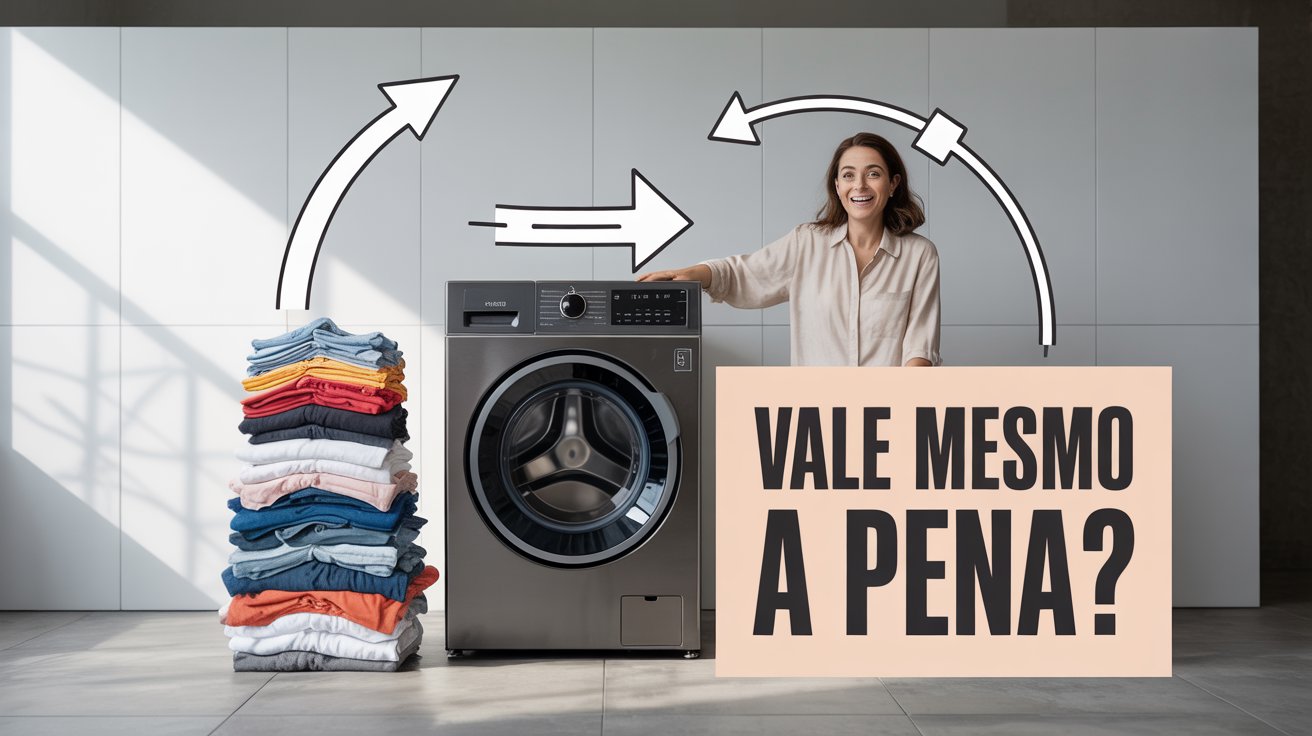
Multifunctional Washer and Dryer Brings Technology and Practicality in One Appliance, Becoming an Increasingly Sought-After Alternative for Those Who Seek to Optimize Time and Space in Clothing Care.
Why Analyze Before Choosing a Washer and Dryer?
The purchase of a washer and dryer represents a significant investment and, therefore, requires careful evaluation of technical characteristics, consumption habits, and family needs.
Although the appliance allows washing and drying clothes in a single cycle, eliminating the transfer between machines, factors such as energy consumption, capacity, washing technology, and extra features can impact both performance and cost over time.
-
While the world looks at oil, the war with Iran is already disrupting helium supply from Qatar, affecting car and iPhone chips, threatening AI expansion, and putting pressure on aluminum packaging at the highest value in four years.

-
Global warming will expose a treasure hidden under the ice of Antarctica and may spark an international dispute over gold and valuable minerals.

-
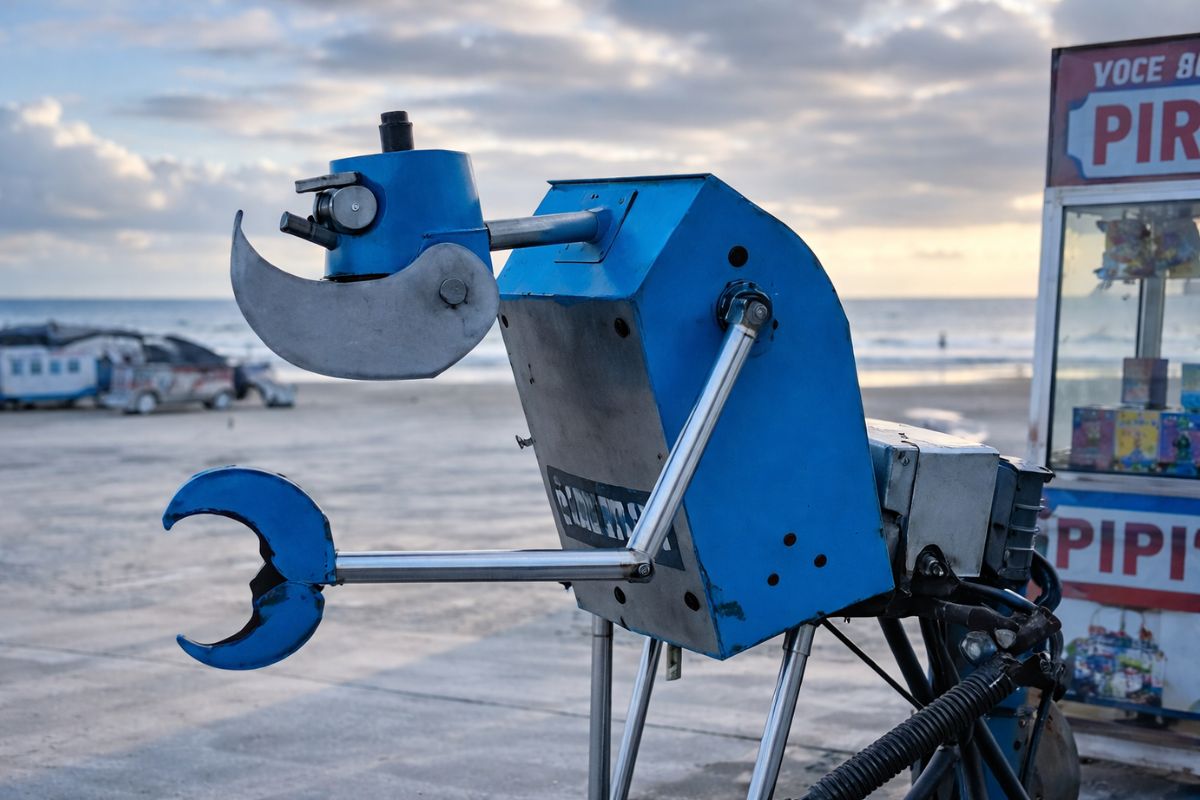
A street vendor from Praia Grande built a robot made of scrap from scooters and washing machines that pulls his popcorn cart on the beach, emits sounds, and interacts with customers, becoming an attraction on the coast of São Paulo.
-
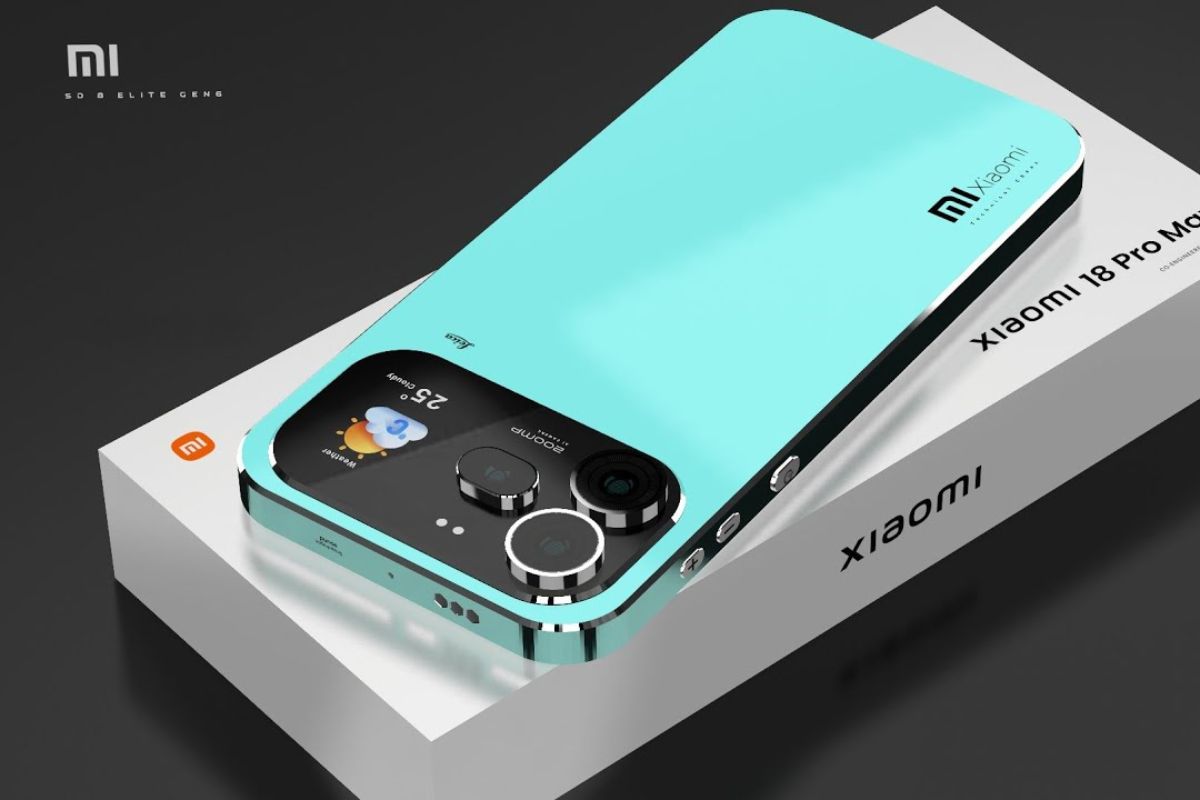
The specifications of the Xiaomi 18 Pro Max have been leaked, and the highlight is a dual 200 MP camera with a new 22-nanometer technology that promises to consume less energy and capture details in shadows and bright areas using LOFIC HDR.

To avoid frustration and ensure the best use of the product, it is essential to understand details that go beyond choosing the most sophisticated model or the most attractive price.
Capacity of the Washer and Dryer: Ideal Choice for Every Profile
The first question to consider when choosing a washer and dryer refers to load capacity.
This factor determines how many pieces can be washed and dried at once.
Smaller models, with a capacity of 7 to 8 kg, typically serve well for singles or couples with low weekly clothing demands.

For families with four or more people, it is recommended to opt for machines with at least 10 kg capacity to avoid increasing the number of cycles and the consequent high energy expenditure.
Exceeding or underutilizing the machine’s capacity can harm the appliance’s performance, as well as impact its durability and efficiency in washing.
Therefore, analyzing the weekly volume of clothes and aligning it with the technical specifications of the equipment is an indispensable step in choosing the ideal product.
Energy Consumption of the Washer and Dryer: Efficiency Label Makes a Difference
The energy consumption is among the factors that most concern those thinking about acquiring a washer and dryer.
By combining two processes—washing and drying—the appliance tends to demand more electricity compared to traditional machines.
The National Institute of Metrology, Quality and Technology (Inmetro) classifies appliances according to their efficiency, with the “A” category being the most economical.
Choosing models with this classification can mean significant reductions in monthly electricity costs, even if the initial price of the product is slightly higher.
Additionally, it is worth checking whether the appliance offers options for quick cycles, eco modes, and functions that optimize energy consumption.
These features not only contribute to sustainability but also provide greater flexibility in daily routines, especially in busy schedules.
Space and Installation: Attention to the Environment for Installing the Washer and Dryer
Another relevant aspect for those planning to acquire a washer and dryer is the space designated for the installation of the equipment.
Before making a purchase, it is essential to measure the available space in the laundry or service area, considering not only the dimensions of the appliance but also the space needed for door opening, air circulation, and easy access to the control panel.


Adequate installation, respecting the manufacturer’s recommendations, ensures safety, prevents leaks, and avoids potential structural damage.
Furthermore, proper positioning contributes to the machine’s performance, facilitating water drainage and preventing overload on internal components.
Technological Resources: Innovations and Extra Features of the Washer and Dryer
Technological evolution has brought to the market washer and dryer units with innovative functions capable of adding practicality and efficiency to the laundry process.
Among the main features are steam washing systems, automatic load sensors, digital panels, and Wi-Fi connectivity for remote control via apps.
Some models also include specific programs for delicate fabrics, sportswear, and bulky items, expanding the possibilities of use.
Evaluating the utility of these functions according to the family profile is a way to ensure that the investment is well-utilized and meets real daily needs.
Maintenance and Essential Care: Extending the Lifespan of the Washer and Dryer
After purchase, the proper maintenance of the washer and dryer is crucial for extending the useful life of the appliance and ensuring its proper functioning.
It is recommended to carry out periodic cleanings of the soap compartment, lint filters, and door seals, in addition to carefully observing the use of products indicated by the manufacturer.
Overloading the appliance or ignoring maximum weight guidelines can lead to failures and damages to the motor.
Adhering to the manual’s recommendations is essential to avoid early defects and ensure the machine operates efficiently throughout its lifespan.
Practical Benefits: Advantages of Investing in a Washer and Dryer
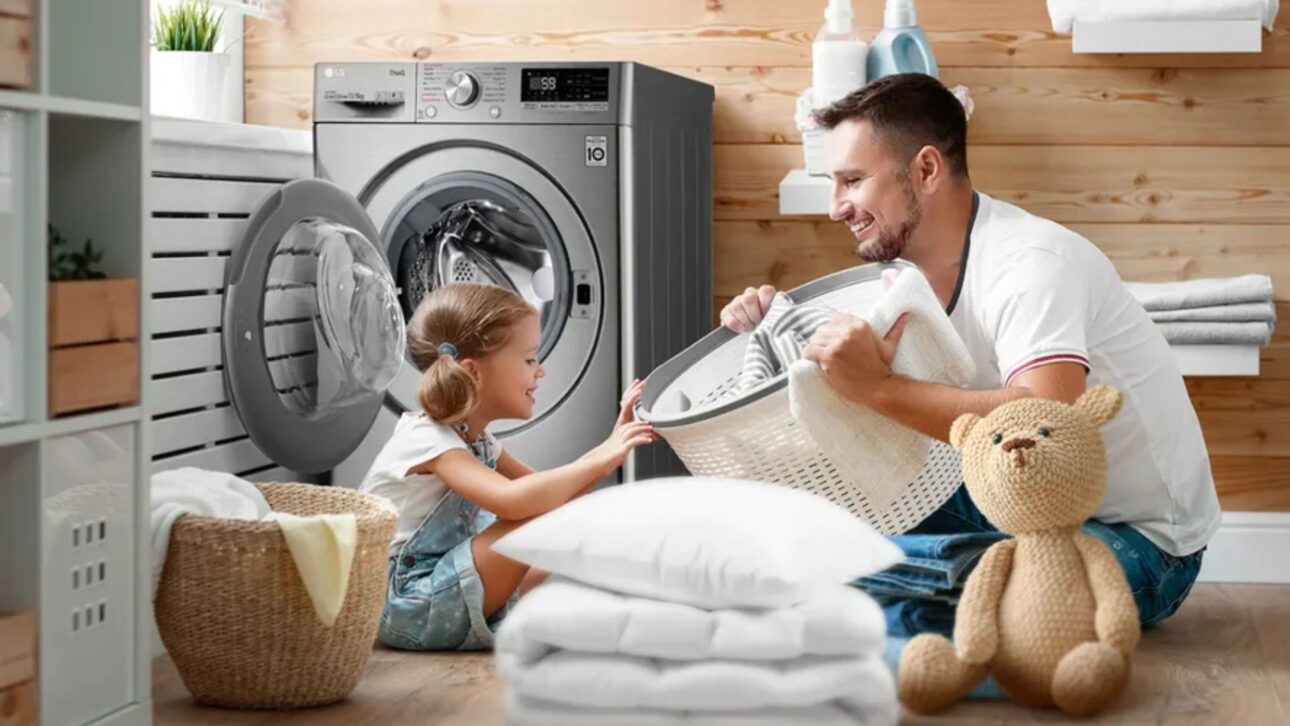
In addition to space-saving, the main advantage of a washer and dryer lies in the convenience provided to the user.
By eliminating manual transfer of clothes and unifying washing and drying processes, the appliance reduces the time spent on household chores, benefiting those with busy routines or limited space at home.
Another highlight is the possibility of having clean and dry clothes on rainy days or in humid environments without relying on the weather for natural drying.
Conversely, it is important to consider the initial investment, energy consumption, and necessary care to ensure the machine functions fully over time.
How to Avoid Mistakes When Buying the Ideal Washer and Dryer
Before acquiring a washer and dryer, it is recommended to research different brands, compare technical specifications, analyze reviews from other consumers, and, if possible, consult experts in home appliances.
Checking for the presence of the Procel energy efficiency label, identifying features compatible with the family profile, and evaluating the after-sales service offered by the manufacturer are actions that contribute to a decisive and secure choice.
No less important, understanding the warranty policies, coverage for technical assistance, and availability of replacement parts can prevent future issues and ensure peace of mind after the purchase.
Considering practicality, space-saving, and technology, choosing a washer and dryer can transform your household routine — but have you analyzed which model truly meets your home’s needs, or do you still have doubts about the operation and maintenance of this equipment?







Seja o primeiro a reagir!