





 English
  Francês
  Alemão
  Italiano
  Japonês
  Norueguês
  Portuguese
  Spanish
  3 min of reading


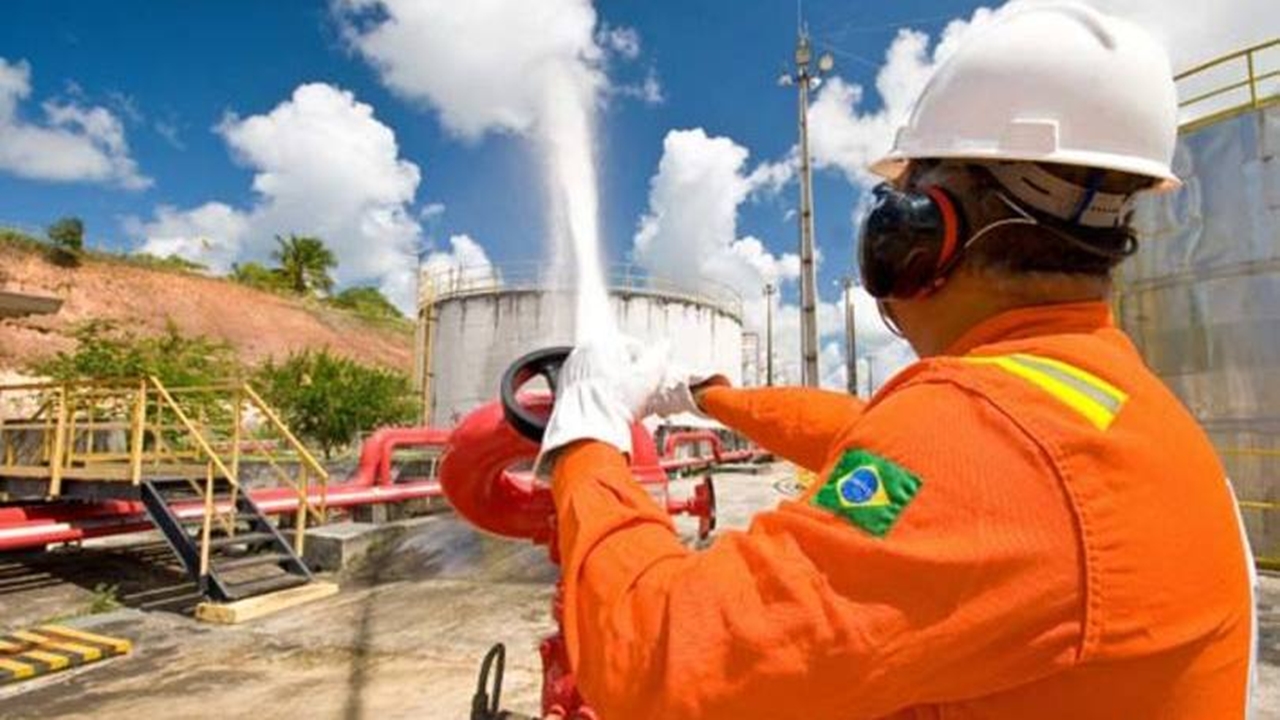
The Brazilian Oil Giant Petrobras Has Been Working to Reduce Freshwater Intake by 50% by 2030.
Petrobras announced this morning (03/22) that last year, the company reused 74 million m³ of water, enough to supply a city of approximately 1.3 million inhabitants for a year. After Bolsonaro Exempted PIS and Cofins, Diesel Prices Rise Again, and Gasoline and Ethanol Become More Expensive
Read Also
- Raízen, the giant ethanol producer in Brazil, trains 500 drivers to prevent workplace accidents, fuel spills, and improve professional performance
- After Ford, Chevrolet, Honda, and Audi Reduced or Ceased Vehicle Production in the Country, Multinational Bosch Brings Manufacturing from the USA to São Paulo
- Ambev Will Open 300 Job Opportunities at Its New Logistics Center Being Built in Osasco – SP
According to Petrobras, this volume corresponds to approximately 1/3 of the total demand for freshwater in the company’s operational and administrative activities, which was 220 million m³. For the second consecutive year, freshwater intake was reduced, from 182 million m³ in 2018 to 146 million m³ in 2020 – a reduction of 20%.
For the state-owned company, water, which is celebrated on World Water Day on March 22, means not only the continuity of operations in which it is used, such as steam generation, cooling, production, and processing of oil, gas, and derivatives. It also signifies an extremely valuable resource for all humanity, and therefore, should be the subject of constant efforts to ensure its usage is as rational as possible, contributing to its preservation and availability for all forms of life. For this reason, the company has committed in its Strategic Plan to reduce freshwater intake by 50% by 2030.
-
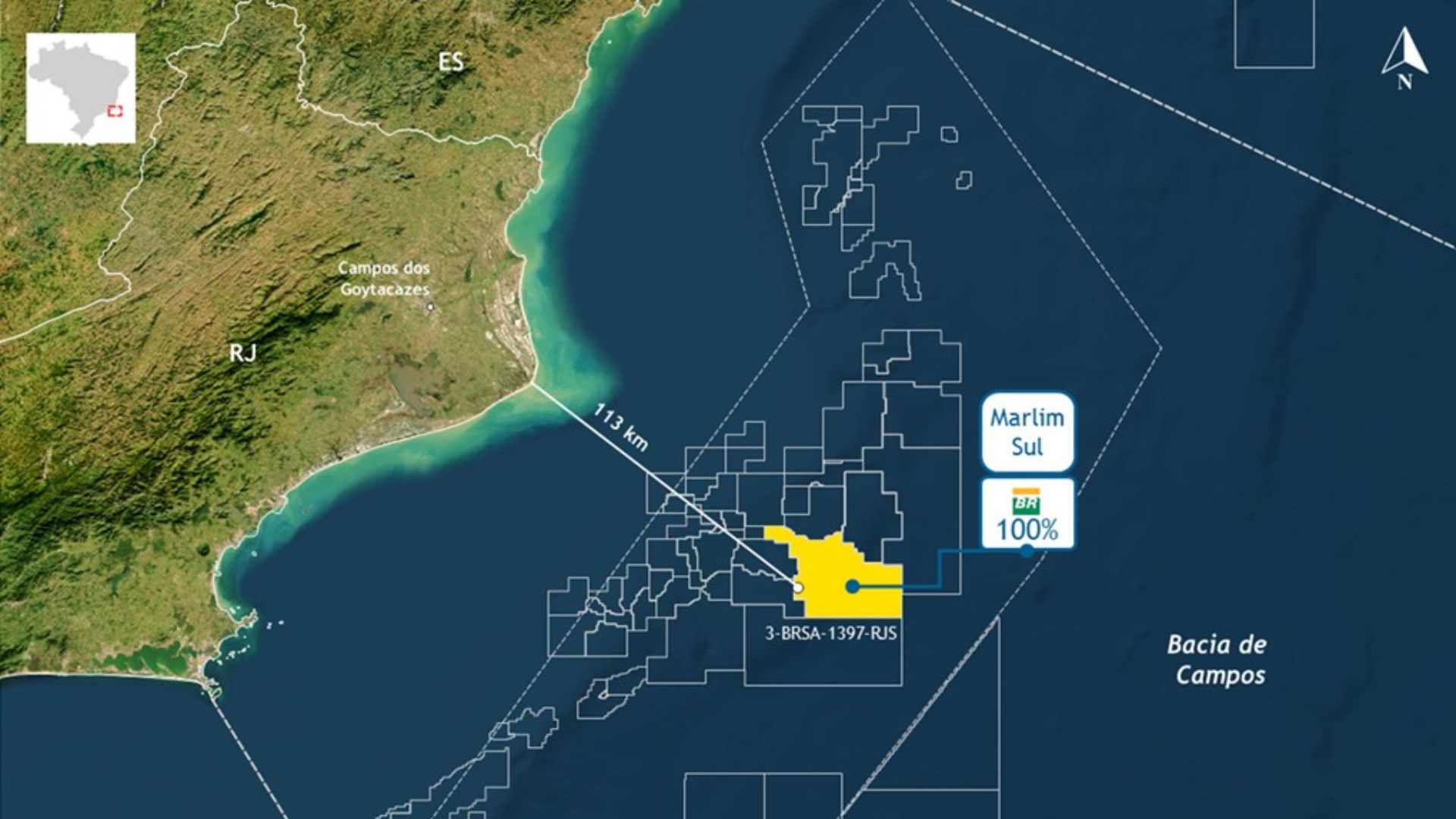
Petrobras announces new oil discovery in the pre-salt of the Campos Basin and reinforces Brazil’s prominence with high-quality reserves that can increase production and energy revenues.
-
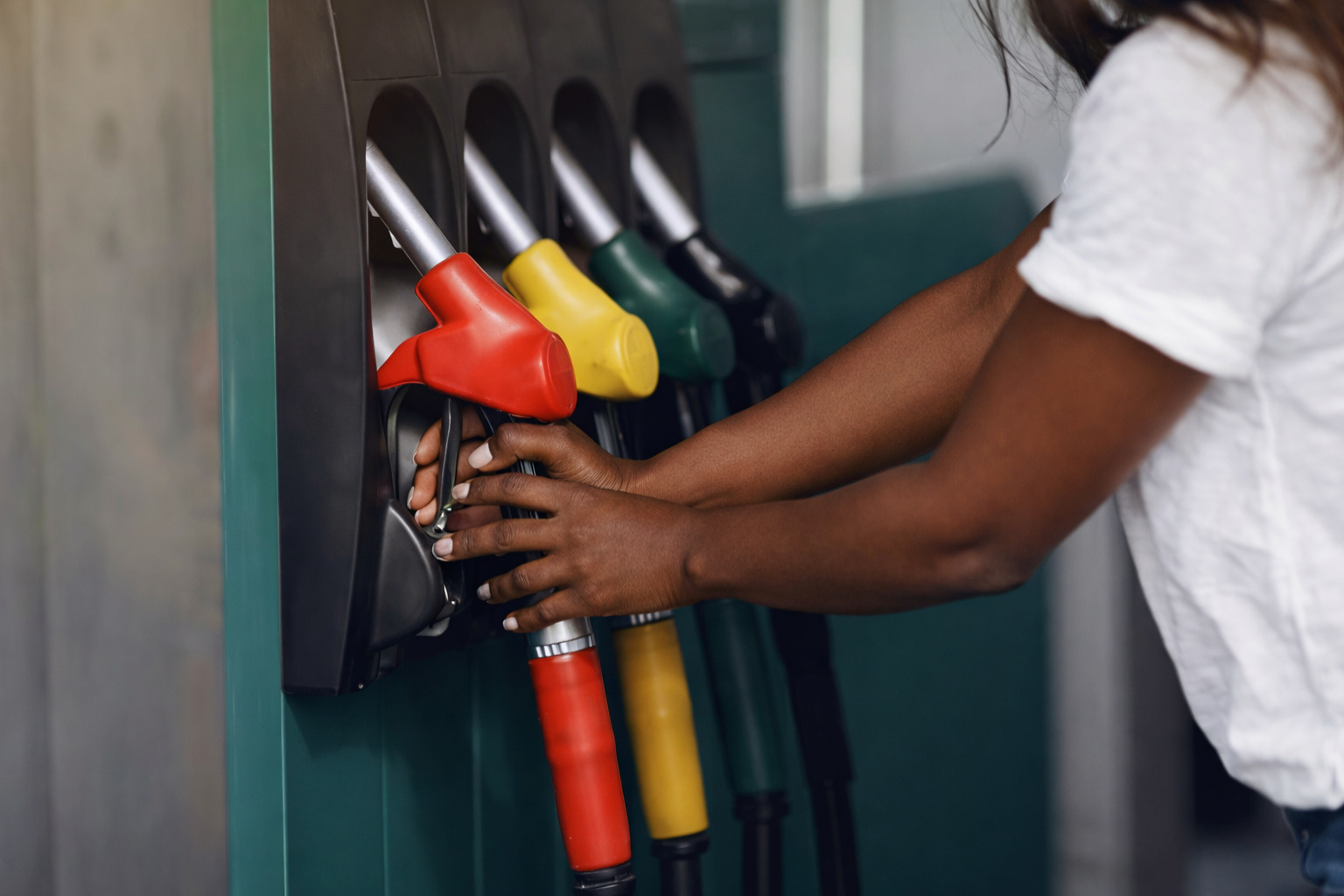
Alert in the fuel market: Analysts and a former director of ANP warn that oil prices may worsen in the coming months due to global instability.
-
Ocyan brings executives and digital solutions to Macaé Energy 2026 and highlights offshore expansion with Nexio and a new base in Macaé.
-
Petrobras advances 4.6% with rising oil prices and the dollar, reigniting the debate on macro risks, pricing policy, and fiscal impact in Brazil.

Petrobras Invested Approximately R$ 13 Million in 2020 in Research & Development Projects Related to Water Resources and Effluents Management
Achieving this commitment involves portfolio management and a set of actions and projects focused on reuse and measures to reduce water losses. In 2020, the company invested approximately R$ 13 million in Research & Development projects related to water resources and effluents management, in partnership with seven Brazilian institutions (universities and technological institutes).
In addition to investing in reuse projects and research, Petrobras voluntarily supports, through the Petrobras Socio-Environmental Program, civil society initiatives that promote the preservation of water resources throughout the country. Currently, 13 projects, under the “Climate” action line, develop actions aimed at conservation and recovery of vegetation and, among other benefits, seek the revitalization of springs, preservation of water sources and watercourses, and restoration of riparian forests, thereby contributing to the quality and quantity of natural resources in the watersheds.
Among these projects is Guapiaçu, developed in the eastern part of Guanabara Bay, one of the largest bays in Brazil. The project contributes to strengthening the ecosystem of the Guapi-Macacu watershed (Rivers Guapimirim and Macacu), through ecological restoration and environmental education for students from early childhood to high school. Environmental education of children and young people in the schools of the municipality of Laranjeiras is also one of the pillars of the Azahar project: Laranjeira Flower, developed in Sergipe.
Azahar operates in the watershed of the river that bears the state’s name, in partnership with the Federal University of Sergipe, and seeks to promote water use efficiency. It also contributes to the water sustainability of the Sergipe river watershed by monitoring the flow and water quality of the river and its important tributary, the Cotinguiba River.
Through these initiatives, Petrobras has been contributing to the achievement of Sustainable Development Goals, such as SDG 6, which addresses drinking water and sanitation, SDG 13, which promotes actions against global climate change, and SDG 15, which focuses on land life conditions.









Seja o primeiro a reagir!