Portuguese
  Spanish


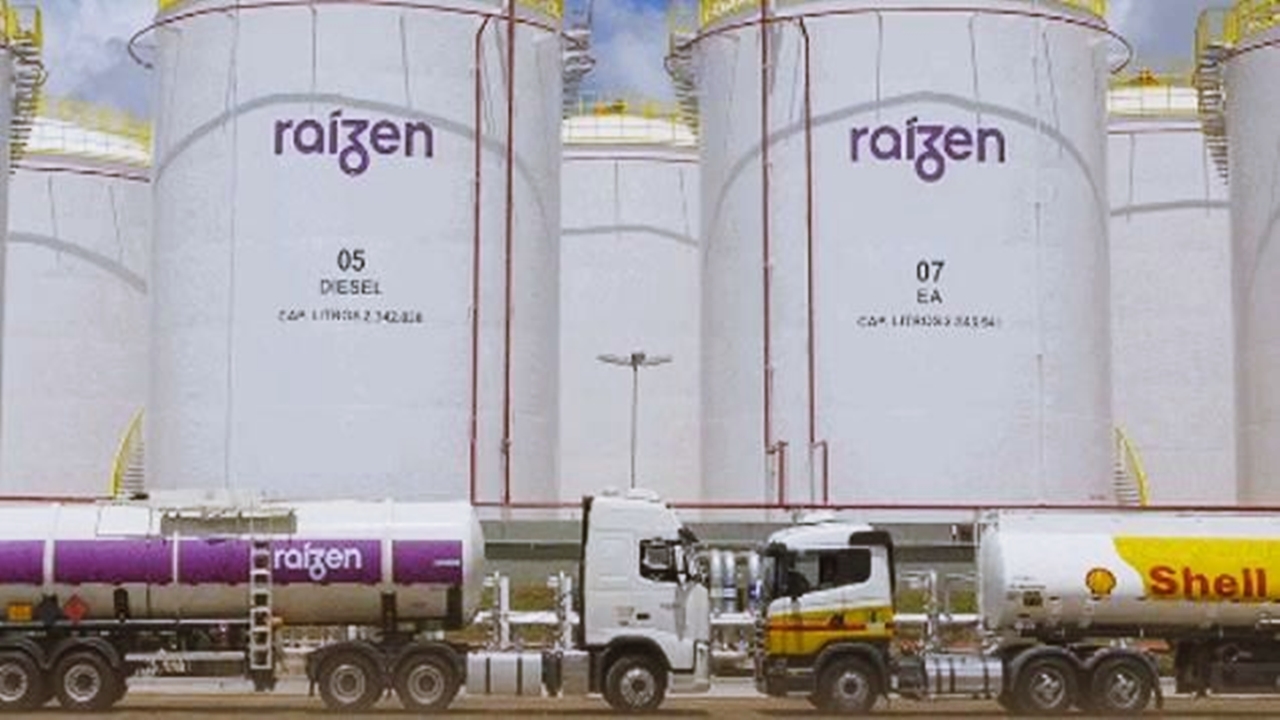

Raízen, The Largest Ethanol Producer in Brazil, Trains 500 Drivers with Immersive Technology and Artificial Intelligence to Prevent Workplace Accidents, Fuel Spills, and Improve Professional Performance
Raízen, the leading sugarcane ethanol manufacturer in the world and the fourth largest company in Brazil, is using immersive experiences developed by the edtech Sábios to train about 500 outsourced drivers. The partnership aims to improve the performance of professionals, prevent workplace accidents, contamination, and fuel spills during unloading.
Also Read
- After Ford, Chevrolet, Honda, and Audi Withdraw or Reduce Vehicle Production in the Country, Multinational Bosch Brings Manufacturing from the USA to São Paulo
- After Bolsonaro Exempts PIS and Cofins, Diesel Prices Rise Again and Gasoline and Ethanol Also Become More Expensive
- Ambev to Open 300 Job Vacancies at Its New Logistics Center Being Built in Osasco – SP
In the online game, drivers need to perform functions they already carry out in everyday life, such as loading the truck, hitting the road, and delivering the fuel to the customer safely.
By using artificial intelligence, the platform can map gaps in culture, behavior, and skills. Thus, Raízen’s managers can make strategic decisions to improve business performance.
-
Microsoft Lays Off 4,800 Employees, Cuts 20% of Xbox Staff Amid AI Pressure on Major Tech Firm

-
Brazilian Student Develops Solar-Powered Agricultural Machine Capable of Processing 250 Kilograms per Hour

-
Brazil’s ANP Opens 86 New Oil Blocks in the Equatorial Margin, Expanding the Amazon River Mouth Frontier

-
Warren Buffett’s Lesson: How Discipline, Extra Income, and Small Investments Can Transform Your Financial Future




Demetrius Lima, CEO and co-founder of Sábios, explains that immersive education, using gamification combined with storytelling, helps increase engagement and better knowledge retention.
Sábios is a startup from Santa Catarina that has been operating for 12 years with immersive technologies to help large industries enhance employee performance.
Raízen of the Shell Group Wants to Build Three Ethanol Production Plants Made from Bagasse and Sugarcane Straw
Cellulosic ethanol is made from the bagasse and straw of sugarcane. In Piracicaba (SP), the group already has a plant producing this type of fuel, which, according to the entrepreneur, has a strong international demand due to the carbon sequestration generated.
“We want to build three plants of this size, with an additional production of 300 million liters of second-generation alcohol,” revealed Ometto. “Companies like Shell, Exxon-Mobil, Total, all of them have a strong interest in acquiring this ethanol given the carbon sequestration it offers.”
The technology for producing cellulosic ethanol arose from a partnership between Shell and the Canadian company Logen, specialized in biotechnology. In the last harvest (2019/20), the Piracicaba unit produced 226 liters of ethanol for each ton of dry biomass.
Raízen is the leading sugarcane ethanol manufacturer and the fourth largest company in Brazil, as well as the largest individual exporter of sugarcane in the international market. Its activities cover all the different stages of its business, such as: sugarcane cultivation; sugar and ethanol production; cogeneration of energy; logistics; transport and distribution of fuels; export; and fuel retail through service stations operating under the Shell brand.