





 Portuguese
  English
  Spanish
 3 min of reading
  0 comments


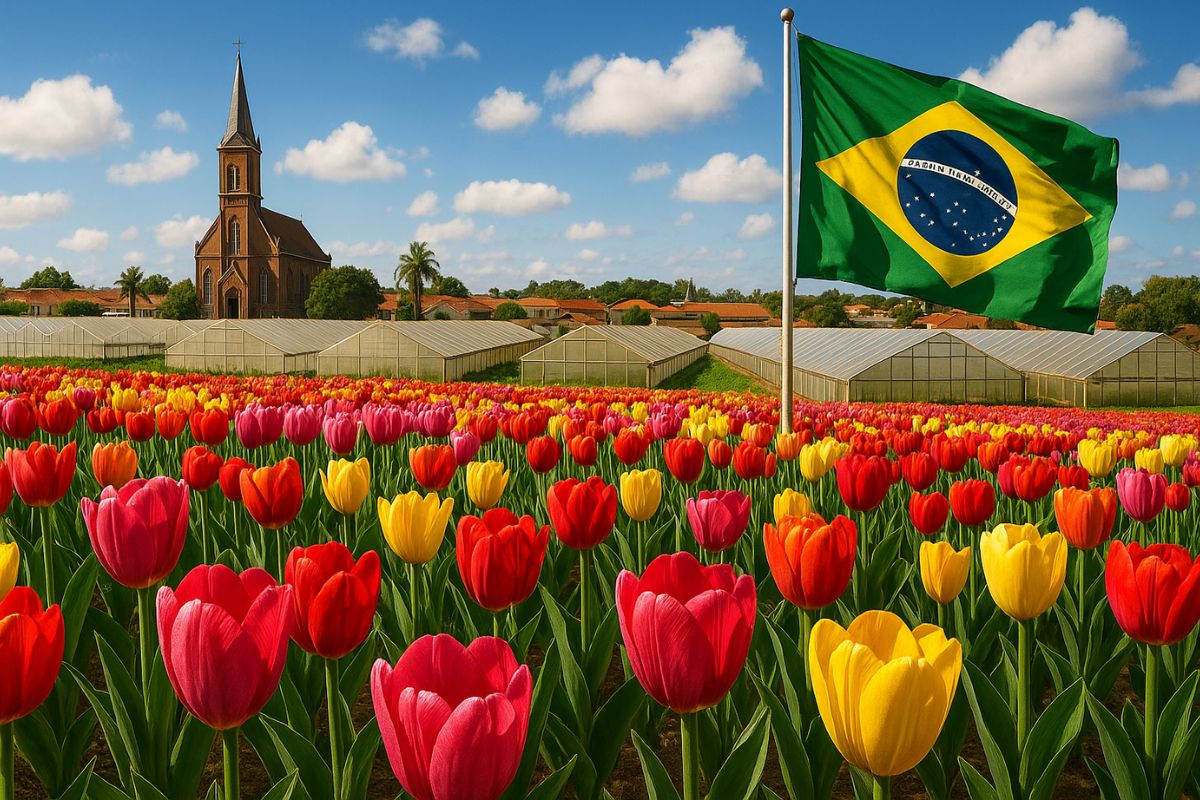
Founded by Dutch immigrants in the post-war period, the small town in São Paulo transformed greenhouses and tradition into a flourishing empire that accounts for nearly half of Brazil’s flowers and moves billions every year
The small town in São Paulo that dominates the Latin American flower market is Holambra, located 130 kilometers from the capital. Its name is a combination of Holland, America, and Brazil, a symbol of the fusion between European tradition and Brazilian entrepreneurship.
Founded in 1948 by Dutch immigrants who arrived after World War II, Holambra was born on the old Fazenda Ribeirão. Over time, the group transformed agricultural techniques brought from Europe into one of the most modern and productive floriculture chains on the continent, creating a city that today is a reference in technology, organization, and quality of life.
The Economic Power of Flowers
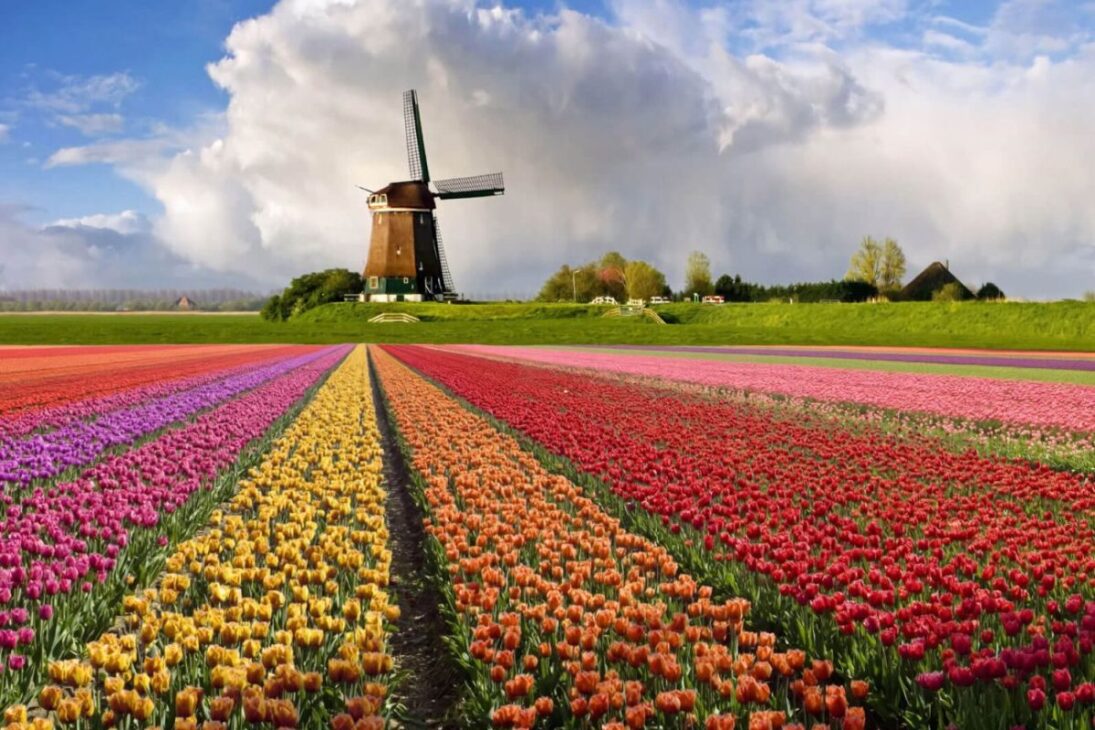
With just over 11,000 inhabitants, Holambra is responsible for 40% to 45% of the entire national production of flowers and ornamental plants and about 75% of Brazilian exports in the sector.
-
Neither Brazil nor the USA: China produces over 60% of the world’s farmed fish and accounts for about 40% of all global seafood, using industrial-scale aquaculture megafarms to influence the international market and supply billions of people.

-
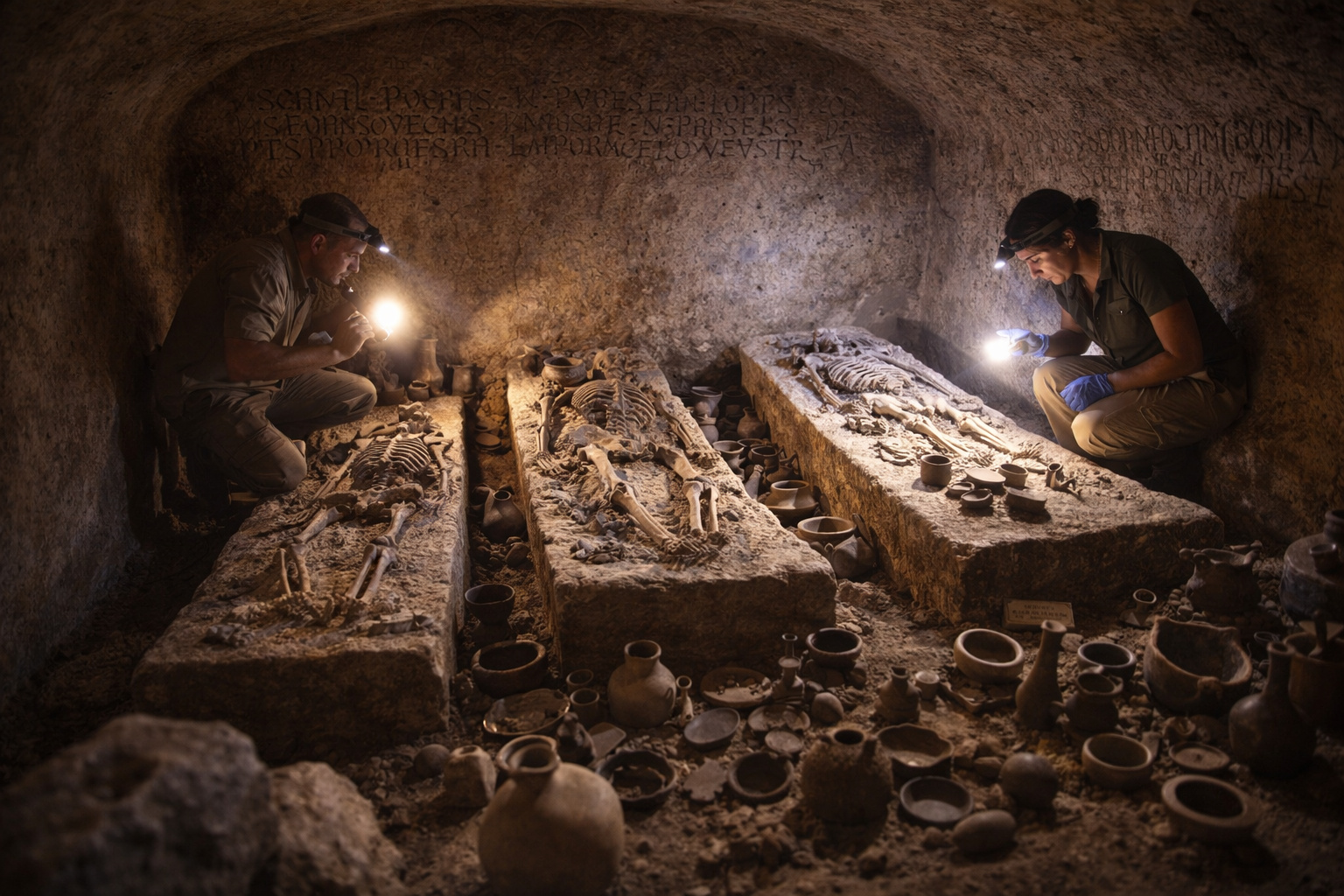
Archaeologists opened the only Etruscan chamber never looted in 2,600 years and found four individuals lying on stone beds with 110 intact objects around them, and the inscriptions found in the tomb have not yet been deciphered because the Etruscan language is a mystery that science has not yet solved.
-
Health issues urgent alert for flu and calls for the vaccination of the elderly, children, and pregnant women this Saturday with Day D and drive-thru in Curitiba.

-
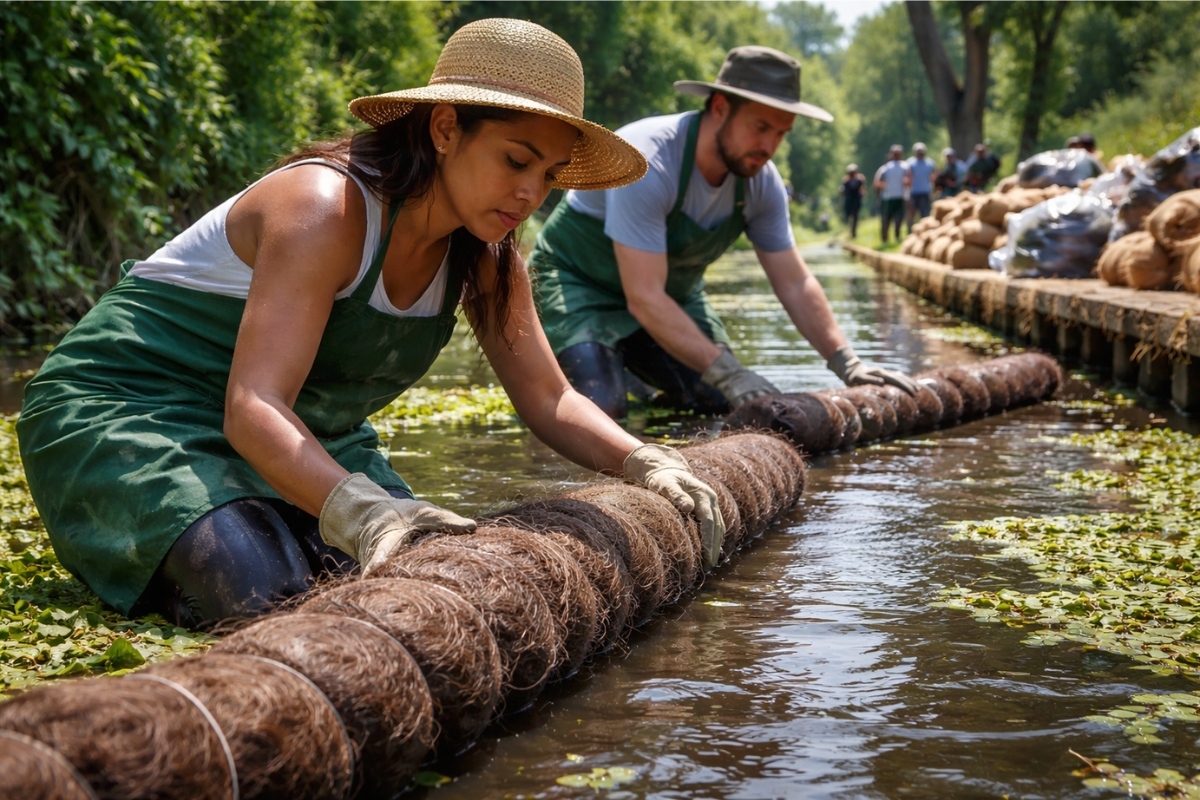
What seemed like waste has turned into a barrier, and now human hair collected from salons helps retain debris in the water of ancestral channels in Latin America.

The secret lies in collective efficiency: more than 450 producers are part of the Cooperativa Veiling Holambra, the largest flower distribution center in Latin America, which conducts daily auctions and handles thousands of varieties.
In 2018 alone, the flower business generated R$ 8 billion, boosting not only the local economy but also transportation, logistics, and tourism chains.
About 90% of the production occurs in automated greenhouses, with digital temperature control, irrigation, and fertilization, placing the city on a technological level comparable to that of Holland, a global reference in the sector.
A Small Town With International Impact
Despite its modest size, Holambra is the largest producer and exporter of flowers in Latin America.
Its products reach dozens of countries and sustain a reputation for quality associated with Dutch precision.
This scale makes the city a rural powerhouse: the added value per hectare and the level of mechanization are among the highest in Brazilian agribusiness.
Cooperativism is the backbone of the city. The electronic auction model of Veiling Holambra, inspired by the Dutch system, ensures fair prices, agility, and transparency.
This structure also contributes to strengthening small producers and balancing the internal market.
The Capital of Flowers and Tourism
In addition to its productive strength, Holambra is a well-established tourist hub.
Expoflora, the largest exhibition of flowers and ornamental plants in Latin America, takes place annually and attracts up to 1.5 million visitors.
The event marks the arrival of spring and transforms the city into a spectacle of colors, scents, and culture.
Visitors find flower-filled fields, Dutch architecture, traditional cuisine, and windmills that reinforce the European charm in the heart of São Paulo.
The Historical Museum of Holambra preserves photos, objects, and documents from the colonization, while local cafes and pastry shops celebrate the meeting of Dutch tradition and Brazilian hospitality.
Comparatives and International Influence
In terms of technology and scale, Holambra surpasses its Latin American neighbors.
While other countries in the region maintain artisanal productions, the São Paulo city operates at industrial standards, with automation and quality control similar to those in Holland.
In the global market, Holambra occupies a strategic position: even though Holland and Colombia are global leaders, the Brazilian city is considered the main flower hub in the Southern Hemisphere.
The cooperativism system, sustainable practices, and rational water use position it as a model for clean and efficient production.
The Cultural Heritage and European Lifestyle
The Dutch influence is not limited to agriculture.
Colorful houses, bicycles on the streets, and traditional festivals reinforce the European spirit in the countryside of São Paulo.
The local cuisine features delicacies such as stroopwafel and dishes made with potatoes and pork, while residents preserve dances, costumes, and celebrations inherited from the first settlers.
Holambra also stands out for its high Human Development Index (0.793), one of the highest in the state, reflecting the balance between modern agriculture, high per capita income, and quality of life.






-

-

-

7 pessoas reagiram a isso.