





 Portuguese
  English
  Spanish
  2 min of reading


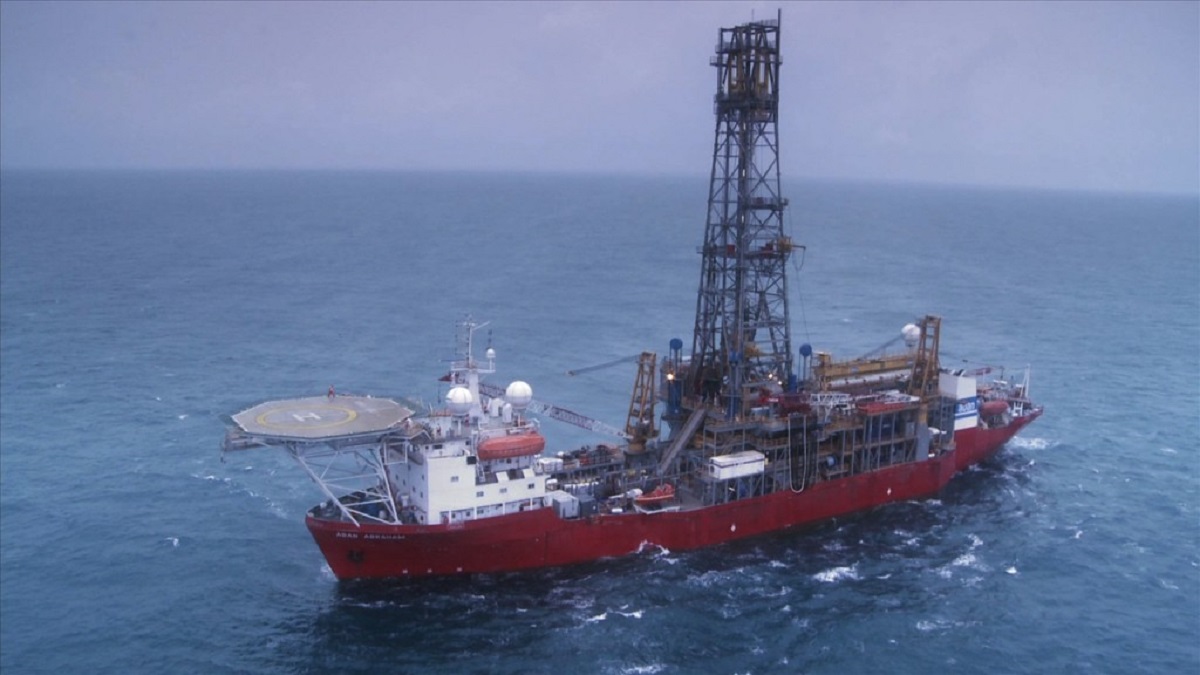
The Government’s Forecast for Low GDP Growth in 2019 Is Expected to Result in Lower Demand for Oil and Derivatives in Latin America, According to OPEC Report
The monthly report from OPEC, published this Wednesday (4/10), informed that due to the low GDP growth forecast for Brazil, estimated by the government at 1.8% in 2019, an unfavorable climate for demand for oil in Latin America will be generated in 2019.
It is worth remembering that Brazil plays a fundamental role in the economy of this region and is one of its largest producers, thus such poor performance of the Brazilian economy is expected to influence the growth of the oil and gas sector across Latin America.
This was certainly one of the reasons the organization revised down the growth rate of oil supply from non-OPEC countries.
The estimate for 2019 then changed to 2.18 million barrels per day, a volume that, compared to last year, decreased by 6%.
-
Artemis 2 is set to launch on April 1 at 7:24 PM to orbit the Moon with four astronauts, but a class X solar flare and coronal mass ejection could interfere with communications and threaten the launch.

-
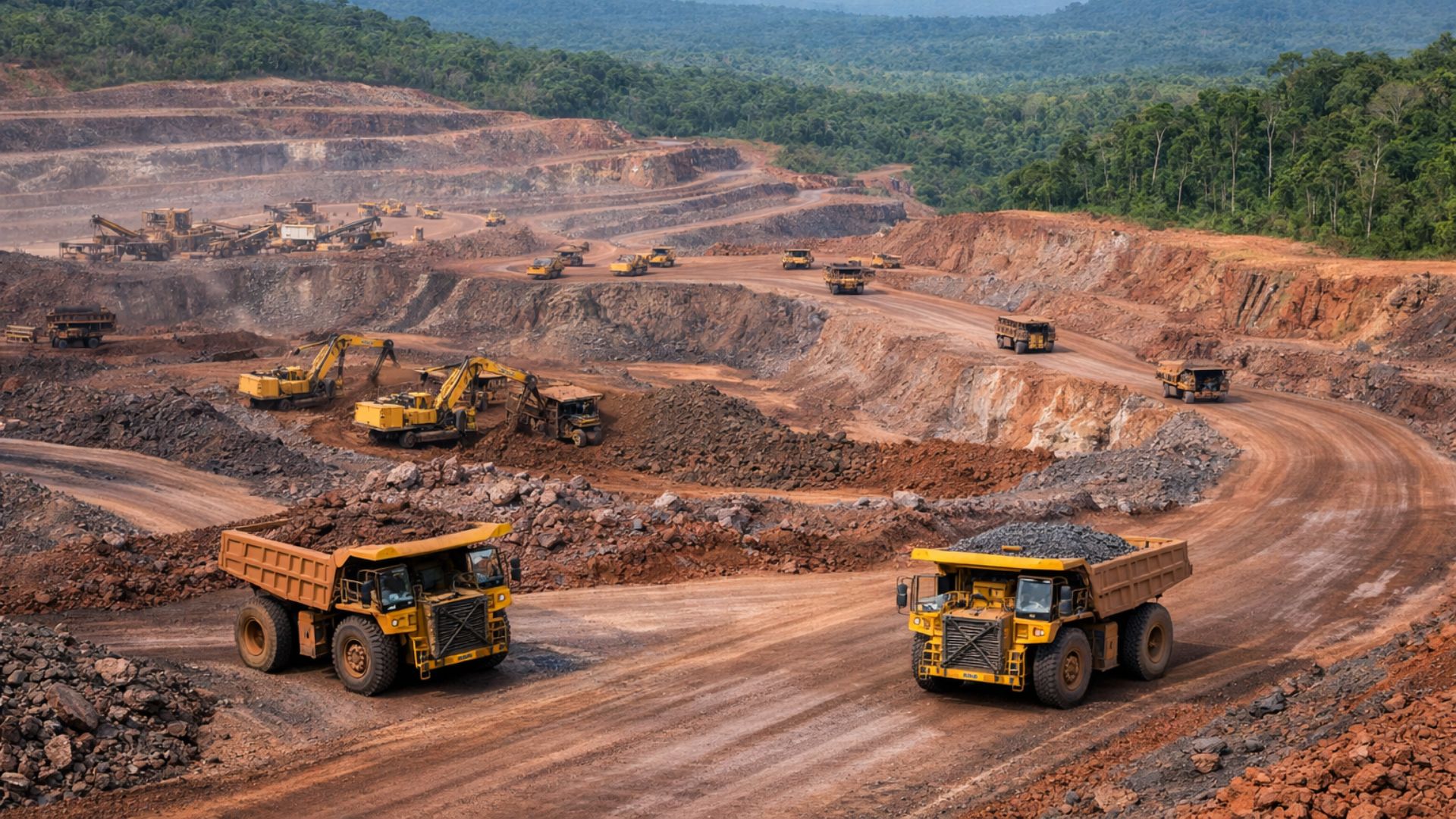
The largest deposit of Vale was discovered by accident and today represents almost all the ore produced by the company.
-
The Brazilian Army takes F-5 fighters out of the garage and stars in an air combat with support from the KC-390.

-
In just 3 years, OMODA 5 surpasses 400,000 units and reaches a milestone that takes most cars a decade to achieve.

Even with the government’s GDP growth forecast of 1.8% for 2019, which is higher than the rates recorded in 2017 and 2018, both at 1.1%, OPEC believes that these rates are not adequate for a strong economy.
Another factor of OPEC’s pessimism is based on the difficulty the government is having in approving the pension reform.
Production Decline
The OPEC report also cites the decline in oil production, the lowest average since September of last year, which was 2.49 million barrels/day in the month, a decrease of 142 thousand b/d in February of this year.
The production decline occurred even with the start of operation, in the Santos Basin, of the P-67 platforms in Lula Norte and P-76 in Búzios 3.
Still regarding production in February, Brazil’s total production was 2.08 million barrels/day, or 1% lower than in January.
The reasons for the decline in production were operational adjustments on the P-18 and P-20 platforms, both operating in the Marlim field in the Campos Basin, and in the FPSO Cidade de Angra dos Reis, in the Lula field in the Santos Basin, as well as a decrease in production from the Barracuda field (33 thousand barrels/day) and the Jubarte field (29 thousand barrels/day), both in the Campos Basin.








Seja o primeiro a reagir!