





 Portuguese
  English
  Spanish
  4 min of reading
  0 comments


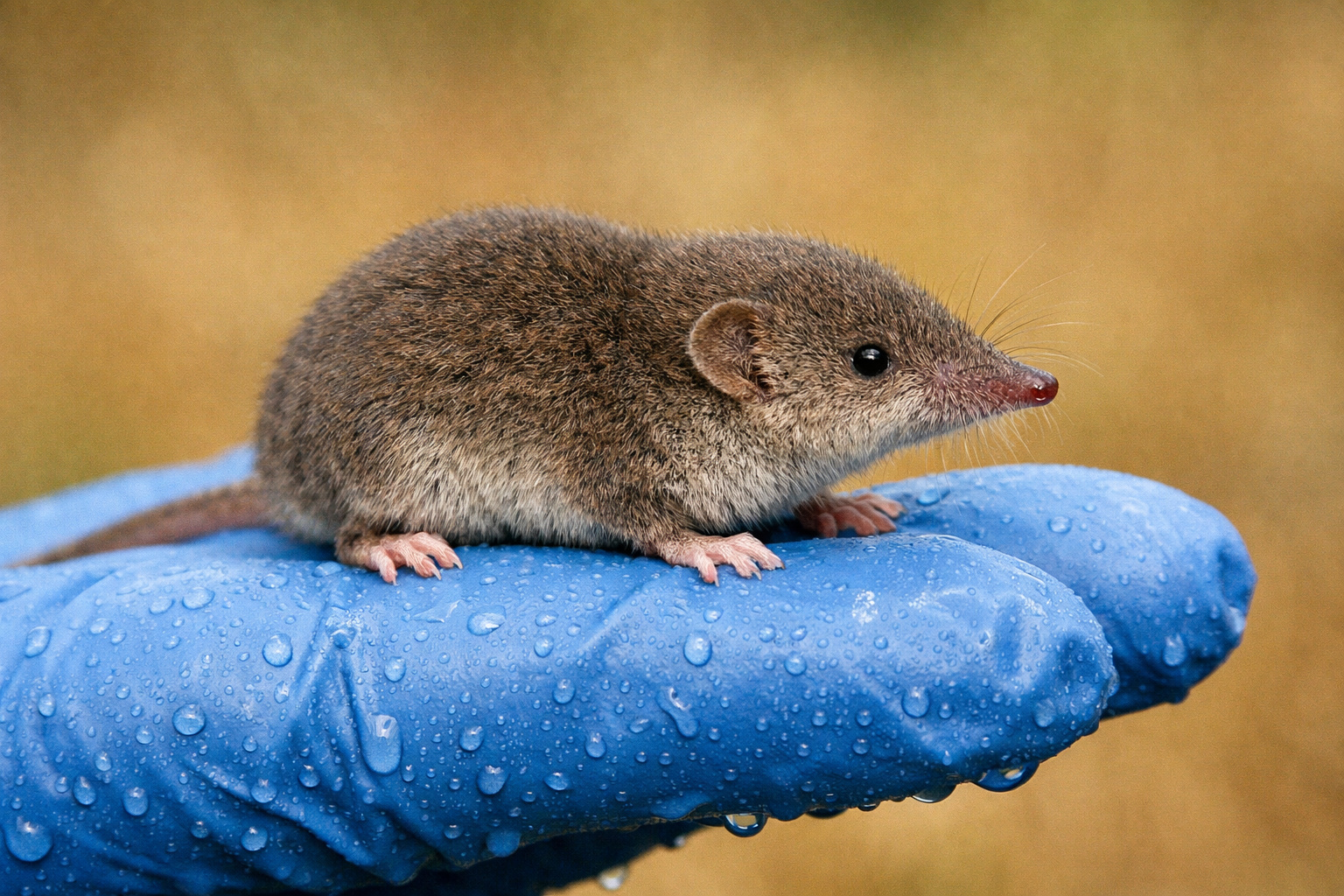
How A Palm-Sized Animal Challenges Biology By Shrinking and Regenerating Its Brain Seasonally, Opening Unprecedented Paths for the Study of Human Neurodegeneration
During preparation for winter, a tiny mammal almost imperceptible to the human eye performs a feat that challenges fundamental concepts of modern biology. The common shrew (Sorex araneus), a small animal with a fast metabolism and a discreet life, can reduce the volume of its own brain by about 30% as a strategy to save energy during the colder months. However, the most surprising thing happens in spring, when that same brain begins to grow again, recovering its original structure without losing neurons.
The information was disclosed by the website ScienceAlert, based on a recent study published in the scientific journal Molecular Biology and Evolution, which investigated the genetic and evolutionary mechanisms behind this rare phenomenon. According to the researchers, it is an extreme adaptation, refined over thousands of years, that allows the animal to survive food scarcity without resorting to hibernation.
This process, although it may seem almost science fiction, is real, measurable, and documented. More than that, it can provide valuable clues for understanding and treating neurodegenerative diseases in humans, such as Alzheimer’s and Parkinson’s.
-
Spain surprises the world by erecting 62 artificial dunes, mixing sand with natural remains of posidonia, and causing the structure to lose only 1.4% of its volume in 1 year.

-
With 16 Bulava missiles, improvements in acoustic stealth, and a design focused on silent patrols, Russia’s nuclear submarine was born to ensure Moscow’s invisible retaliation and has become one of the pillars of its maritime strength.

-
‘Populous’ city in Rio among the worst in Brazil in national ranking and exposes silent development crisis.

-
Couple buys house in the South Zone of São Paulo, opens a hidden door in the garage, and finds a secret wine cellar with dozens of old wines forgotten since the 1970s.

The Dehnel Phenomenon and Extreme Winter Adaptation
This unusual behavior is known as the Dehnel phenomenon, named after Polish zoologist August Dehnel, who first described this extraordinary ability. Unlike other mammals that face winter by reducing activities or hibernating, the shrew maintains an active routine, even when food becomes scarce.
Precisely because it has an extremely fast metabolism, the shrew needs to adopt radical measures to cut energy expenditure. Besides the brain, other organs and body structures also undergo seasonal reduction, but it is the brain shrinkage that intrigues scientists the most.
Although rare, the Dehnel phenomenon does not occur only in shrews. Species such as the European mole (Talpa europaea), the weasel (Mustela nivalis), and the ermine (Mustela erminea) also exhibit brain size reduction according to the seasons. All these animals share important characteristics: elevated metabolism, absence of hibernation, and high continuous energy demand.
Thus, brain reduction emerges as an extreme evolutionary solution, yet highly efficient, for surviving in hostile environments.
Genes, Water, and Cellular Survival: What Happens Inside the Brain
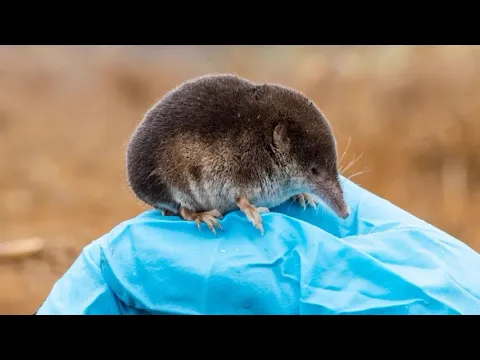

To understand how this process occurs without causing irreversible damage, a team led by ecologist William Thomas from Stony Brook University in the United States conducted a complete mapping of the common shrew genome. The study compared this genome with that of other mammals that also exhibit the Dehnel phenomenon.
Additionally, the researchers analyzed seasonal changes in gene expression in two specific regions of the animal’s brain. The goal was to identify which genes became more active during the period of brain shrinkage and subsequent regeneration.
The results revealed that genes associated with the creation and maintenance of brain cells remain active, even during the reduction of brain volume. This indicates that the process does not involve neuronal death, but rather a temporary structural reorganization.
In 2025, scientists discovered that the decrease in brain size is primarily linked to loss of water, and not to cell loss. Genes related to water regulation were highly activated, reinforcing the theory that the shrew’s brain “dehydrates” temporarily to reduce volume and energy consumption.
Another relevant finding was the high expression of the VEGFA gene, associated with the permeability of the blood-brain barrier, which may enhance nutrient perception by the brain during critical periods. Additionally, the shrew’s genome was enriched with genes related to DNA repair and cellular longevity, suggesting a highly refined biological system to avoid permanent damage.
What This Small Animal Can Teach Us About the Human Brain
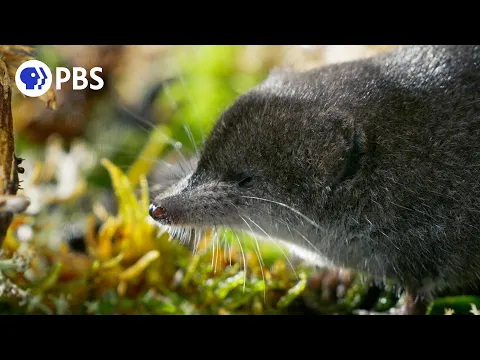
According to the authors of the study, the set of these adaptations points to “a finely tuned system that allows shrews to reversibly regulate brain shrinkage, avoiding the harmful effects normally associated with neurodegeneration”.
Cell biologist Aurora Ruiz-Herrera from Autonomous University of Barcelona emphasizes that genes related to energy balance and the blood-brain barrier could become important biomarkers in the future. These elements, she says, could serve as a basis for the development of new therapies for neurodegenerative diseases, always with caution in extrapolating animal results to humans.
Still, the study reinforces a powerful idea: nature has already developed solutions that modern medicine is still trying to understand. By observing how such a small animal can preserve neurons, repair DNA, and reverse structural changes in the brain, human science gains a new horizon of possibilities.
The shrew, often overlooked for its simple appearance, may become one of the keys to unraveling the most complex mysteries of the human brain.
Source: ScienceAlert







-

-

-

-

14 pessoas reagiram a isso.