





 Portuguese
  English
  Spanish
  4 min of reading
  1 comment


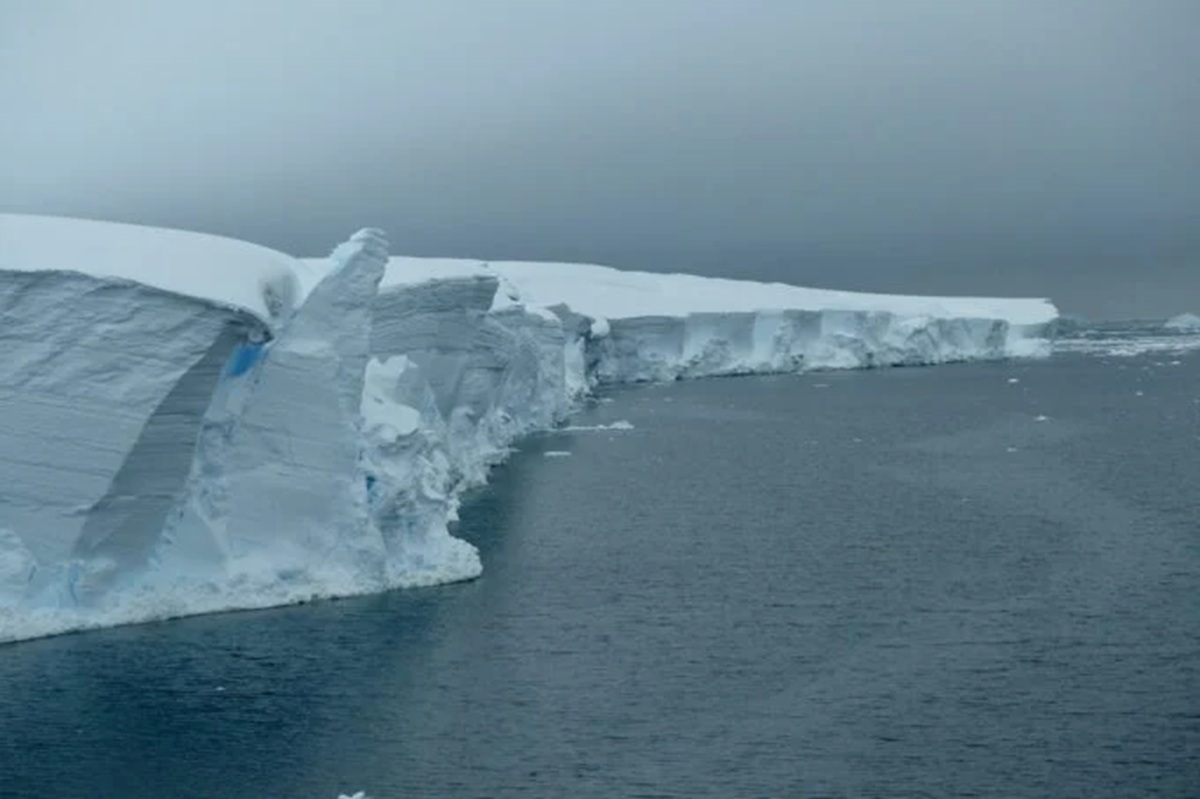


The Attempt To Drill The Called Apocalypse Glacier In Antarctica Ended With Instruments Stuck At Almost 1,000 Meters Deep, Interrupting An International Mission That Sought To Measure The Melting Of Ice From Below And Its Impacts On Sea Level.
The Attempt By Scientists To Install Instruments Beneath The Thwaites Glacier In Antarctica Ended With Loss Of Equipment Stuck In The Ice During Drilling, Interrupting A Mission Of The British Antarctic Survey And The Korea Polar Research Institute Aimed At Measuring Basal Melting And Its Implications For Sea Level.
The Expedition Brought Together Researchers From The British Antarctic Survey And The Korea Polar Research Institute To Investigate How Warm Ocean Waters Affect The Base Of The Thwaites Glacier In Antarctica, Considered One Of The Most Dangerous On The Planet Due To The Potential Global Impact Of Its Collapse.
Antarctica And The Interrupted Mission At The Thwaites Glacier
The Field Work Took Place In Antarctica With The Objective Of Installing Instruments Beneath The Thwaites Glacier, Also Known As The Apocalypse Glacier. The Team Aimed To Understand How Ice Melts From Below, In A Region Where Environmental Conditions Pose High Risks To Scientific Operations.
-
Motorola launched the Signature with a gold seal from DxOMark, tying with the iPhone 17 Pro in camera performance, Snapdragon 8 Gen 5 that surpassed 3 million in benchmarks, and a zoom that impresses even at night.

-
Satellites reveal beneath the Sahara a giant river buried for thousands of kilometers: study shows that the largest hot desert on the planet was once traversed by a river system comparable to the largest on Earth.

-
Scientists have captured something never seen in space: newly born stars are creating gigantic rings of light a thousand times larger than the distance between the Earth and the Sun, and this changes everything we knew about stellar birth.

-
Geologists find traces of a continent that disappeared 155 million years ago after separating from Australia and reveal that it did not sink, but broke into fragments scattered across Southeast Asia.

According To The Researchers, The Available Time Window For Drilling Was Limited. Any Delay Could Compromise The Entire Mission. Nevertheless, Part Of The Instruments Was Temporarily Deployed, Allowing The Initial Collection Of Data Considered Relevant For Future Studies In Antarctica.
Deep Drilling With Hot Water And Operational Risks
To Access The Base Of The Glacier, The Scientists Used A Hot Water Drilling Platform, Capable Of Opening A Hole Approximately 1,000 Meters Deep And About 30 Centimeters Wide. This Type Of Drilling Requires Constant Maintenance To Prevent The Re-freezing Of The Channel In The Ice.
During The Process, The Instruments Began To Be Lowered Through The Hole Until They Reached About Three-quarters Of The Total Depth. At That Point, The System Became Stuck. The Team Assesses That The Blockage May Have Been Caused By The Freezing Of Water Inside The Hole Or By The Rapid Movement Of The Glacier.
The Loss Of The Instrument Set Ended The Attempt To Install A Mooring System That Was Meant To Remain Inside The Ice For One To Two Years, Transmitting Data Via Satellite. As A Result, The Planned Continuous Collection For Antarctica Could Not Be Conducted.
Partial Data Reveal Ocean Conditions Beneath The Ice
Before The Incident, The Researchers Were Able To Temporarily Deploy The Sensors And Obtain Initial Measurements. The Collected Data Indicated Turbulent Ocean Conditions And The Presence Of Relatively Warm Water Beneath The Thwaites Glacier, Capable Of Accelerating Basal Melting.
This Information Reinforces Scientific Concerns About The Instability Of The Glacier. The Thwaites Could Raise Sea Level By Up To 65 Centimeters If It Were To Completely Collapse, Enough To Flood Low-lying Coastal Areas And Affect Millions Of People In Different Regions Of The World.
The Scientists Emphasize That Little Is Still Known About The Behavior Of The Warm Waters Flowing Beneath The Glacier In Antarctica, Making This Type Of Measurement Essential For Understanding The Dynamics Of Ice And Its Global Impacts.
Tight Schedule And Abandonment Of Equipment
After The Instruments Became Stuck, The Team Assessed The Possibility Of Repeating The Operation. However, The Available Time Was Insufficient.
The Ship Responsible For Returning The Researchers Was Scheduled To Depart On February 7, And The Weather Conditions In Antarctica Were Deteriorating Rapidly.
Faced With This Scenario, The Scientists Decided To Abandon The Equipment Stuck In The Ice. The Episode Illustrates The Logistical And Technical Challenges Of Research In Extreme Regions, Where Minimal Delays Can Result In Significant Losses Of Resources And Data.
Despite The Frustration, The Researchers Emphasize That The Material Obtained Before The Interruption Is Scientifically Valuable. The Measurements Will Help Guide Future Missions And Improve Drilling And Monitoring Strategies In Antarctica.
Prior Attempts And Next Steps In Research
This Was The Second Attempt To Install Instruments Beneath The Thwaites Glacier. In 2022, The Team Was Unable To Even Reach The Site Due To Severe Conditions Of Sea Ice. In The Most Recent Mission, Drilling Was Completed, But The Permanent Installation Failed.
The Unprecedented Data Collected On The Warming Of The Waters Below The Glacier Reinforces The Importance Of The Chosen Study Site. For The Scientists, The Results Confirm That The Region Is Crucial For Understanding Ice Loss And Its Consequences.
Even With The Setback, The Researchers Assert That The Experience Does Not Represent The End Of Their Efforts. The Lessons Learned In Antarctica Should Informed New Expeditions, Aiming To Return To The Thwaites Glacier And Expand Monitoring Of One Of The Planet’s Most Critical Glacial Systems, Despite The Technical Challenges Involved.
This Article Was Prepared Based On Communications And Statements From British Antarctic Survey (BAS) And The Korea Polar Research Institute (KOPRI).







Sin ser científico, me resulta sorprendente la decisión de investigar el efecto del calentamiento que se vive en los polos y que ya debieran haber concluído que es a consecuencia del calentamiento global y, que es obvio, ha estado derritiendo los hielos hasta en los volcanes de nieves eternas. La pérdida de su equipo de perforación lo demuestra: tienen qué utilizar agua caliente para intentar perforar sin lograrlo! Debieran buscar la forma de evitar el cambio climático y el calentamiento global, éso evitaría el peligro del derretimiento de los polos. Pero saber cómo está afectando, es sumamente notorio. O no?