





 Portuguese
  English
  Spanish
  4 min of reading
  0 comments


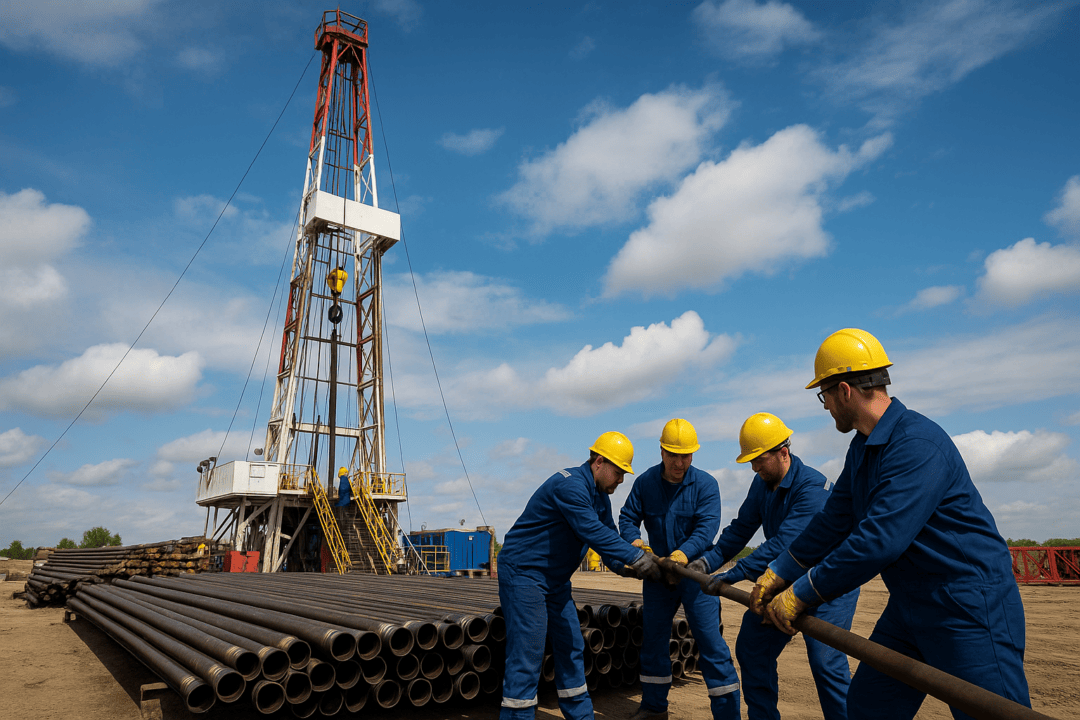
Drilling Wells Is An Efficient Solution For Access To Groundwater, Whether For Domestic, Agricultural, Or Industrial Use. But Before Starting The Process, It Is Essential To Understand How It Works: What Are The Types Of Well, The Equipment Used, The Legal Requirements And The Care With The Soil And The Structure. This Guide Brings Together The Main Information To Help You Make Safe And Conscious Decisions.
The drilling of wells is a fundamental practice in areas where access to drinking water depends on underground sources. Whether for residential, agricultural, or industrial use, understanding how this process works can prevent losses, ensure efficiency and safety.
In this guide, you will discover everything you need to know about drilling wells, from the existing types to the necessary care during and after installation.
What Is Well Drilling?
The drilling of wells is the process of opening a hole in the ground until it reaches a water table — the underground layer where water accumulates. This well can be used for domestic supply, irrigation, or industrial processes.
-
Offshore industrial demand in Macaé skyrockets with the recovery of oil and gas and could grow by up to 396% by 2026 in the Campos Basin.
-
Offshore industrial demand in Macaé surges with the recovery of oil and gas and could grow by up to 396% by 2026 in the Campos Basin.
-
Brazilian giant expands borders in the Southeast: Petrobras confirms new oil discovery in ultra-deep waters in the pre-salt of the Campos Basin.

-
Alert in the global energy market: Severe tropical cyclone hits the coast and disrupts gas production at major plants in Australia, threatening global supply.


This practice has existed for thousands of years, but currently involves advanced technologies that allow reaching greater depths with more precision and safety.


What Is The Purpose Of An Artesian Well?
The most common type today is the artesian well. It is fully lined and can reach great depths. Its main purposes include:
- Providing drinking water in rural areas
- Irrigation in fields and crops
- Supplying industries
- Reducing dependence on public supply networks
Additionally, a well built properly can last for decades.
Types Of Wells
There are different types of drilling wells, each with specific indications:
1. Caipira Well (or Shallow Well)
- Manually excavated
- Low depth (usually up to 20 meters)
- Water of variable quality
- Subject to contamination
2. Semi-Artesian Well
- Intermediate depth (20 to 50 meters)
- Needs an electric pump
- Better protection against impurities
- Good flow rate
3. Artesian Well
- Deep drilling (over 50 meters)
- Natually pressurized water
- High quality and durability
- Higher cost
The choice depends on the purpose, type of soil, and the availability of water tables in the region.
How Does The Drilling Process Work?
The drilling of wells follows some basic steps, with variations depending on the chosen type:
Step 1: Soil Study
A geological and geophysical survey is conducted to determine the depth of the water table and whether the site is appropriate.
Step 2: Drilling
Using specialized equipment, such as rotary drills, the hole in the ground is initiated. Drilling can last from a few days to weeks.
Step 3: Lining
To prevent the collapse of the well walls and water contamination, a lining pipe (usually made of steel or PVC) is installed.
Step 4: Test Pumping
A flow measurement is made — that is, how many liters per hour the well can supply.
Step 5: Final Installation
Pumps, valves, and the water distribution system are installed. The well is ready for use.
Equipment Used In Drilling
The main equipment in drilling wells includes:
- Drilling machine (the machine that makes the hole)
- Submersible or surface pumps
- Lining pipes
- Energy generators
- Depth and flow meters
Specialized professionals operate the equipment based on technical standards.
Authorization And Legislation
In Brazil, drilling wells requires approval from state environmental agencies. Each state has its own rules, but generally, it is necessary to:
- Geological report
- Technical project signed by an engineer
- Registration with the environmental agency
- Drilling report and flow test
Illegal wells can be sealed and generate fines. Regularization is essential to ensure safety and avoid environmental impacts.
How Much Does It Cost To Drill A Well?
The cost of drilling wells varies according to depth, soil type, location and well type. Average estimates include:
- Caipira Well: R$ 3,000 to R$ 8,000
- Semi-Artesian Well: R$ 10,000 to R$ 20,000
- Artesian Well: R$ 20,000 to R$ 60,000 or more
It is worth remembering that there are additional costs with reports, pumps, energy, and maintenance.
Advantages Of Well Drilling
- Long-Term Savings: Reduces or eliminates the water bill.
- Autonomy: You control your water source.
- Drought Resistance: Useful in regions with water scarcity.
- Property Valuation: A legalized well can increase property value.
Care And Maintenance
Even with high durability, drilling wells requires periodic maintenance:
- Annual or biannual cleaning
- Water quality tests
- Pump replacement when necessary
- Water level monitoring
Negligence can cause blockages or contamination.
When Is It Worth Drilling A Well?
It is worth investing in a well when:
- The public water supply is irregular or expensive
- You need large volumes of water
- The quality of surface water is poor
- You want water independence
For large rural properties or industries, the cost of drilling wells is usually compensated within a few years.
Well Drilling And The Environment
Illegal or poorly constructed wells can cause serious impacts:
- Lowering of the water table
- Aquifer contamination
- Dried springs
Therefore, choosing a specialized company and obtaining environmental authorization are essential.
Tips For Hiring A Company
- Check if they are registered with CREA (Regional Council of Engineering)
- Request the technical project and schedule
- Check if they offer a warranty
- Ask for references and reviews
A reliable company ensures a lasting and safe service.
The drilling of wells is a strategic solution for those seeking security in water supply. Whether for residential, agricultural, or industrial use, it offers savings, autonomy, and sustainability — as long as it is done responsibly.
Before starting the process, it is essential to know the local legislation, hire qualified professionals and ensure proper maintenance. That way, the well will be a reliable source of water for many years.









-

Uma pessoa reagiu a isso.