





 English
  Francês
  Alemão
  Italiano
  Japonês
  Norueguês
  Portuguese
  Spanish
  3 min of reading
  0 comments



Growth and Opportunities
Brazil is witnessing significant progress in the electric mobility sector, opening a range of unique opportunities and challenges. The insufficient infrastructure for electric vehicle charging has proven to be a stimulus for the emergence of new enterprises. According to data from the Brazilian Electric Vehicle Association (ABVE), the country saw a 28% increase in the number of public and semi-public charging stations, comparing August of last year to December 2022.
The automotive industry is going through an era of transformations, driven by the increasing demand for electric vehicles. Various sectors, including shopping malls, retail chains, companies, and condominiums, are investing in charging stations to attract an increasingly clientele inclined to opt for this form of mobility.
Market Expansion and Challenges
In 2022, Brazil saw a 50% increase in electric car sales compared to 2021, with about 10,000 units sold. New registrations of electrified vehicles showed a growth of 76% in the first eight months of 2023, compared to the same period last year. ABVE projects that this growth trend will continue, with the introduction of new models to the market and price reductions, predicting that electric vehicles will represent 3% of sales by 2025 and 9% by 2030.
-
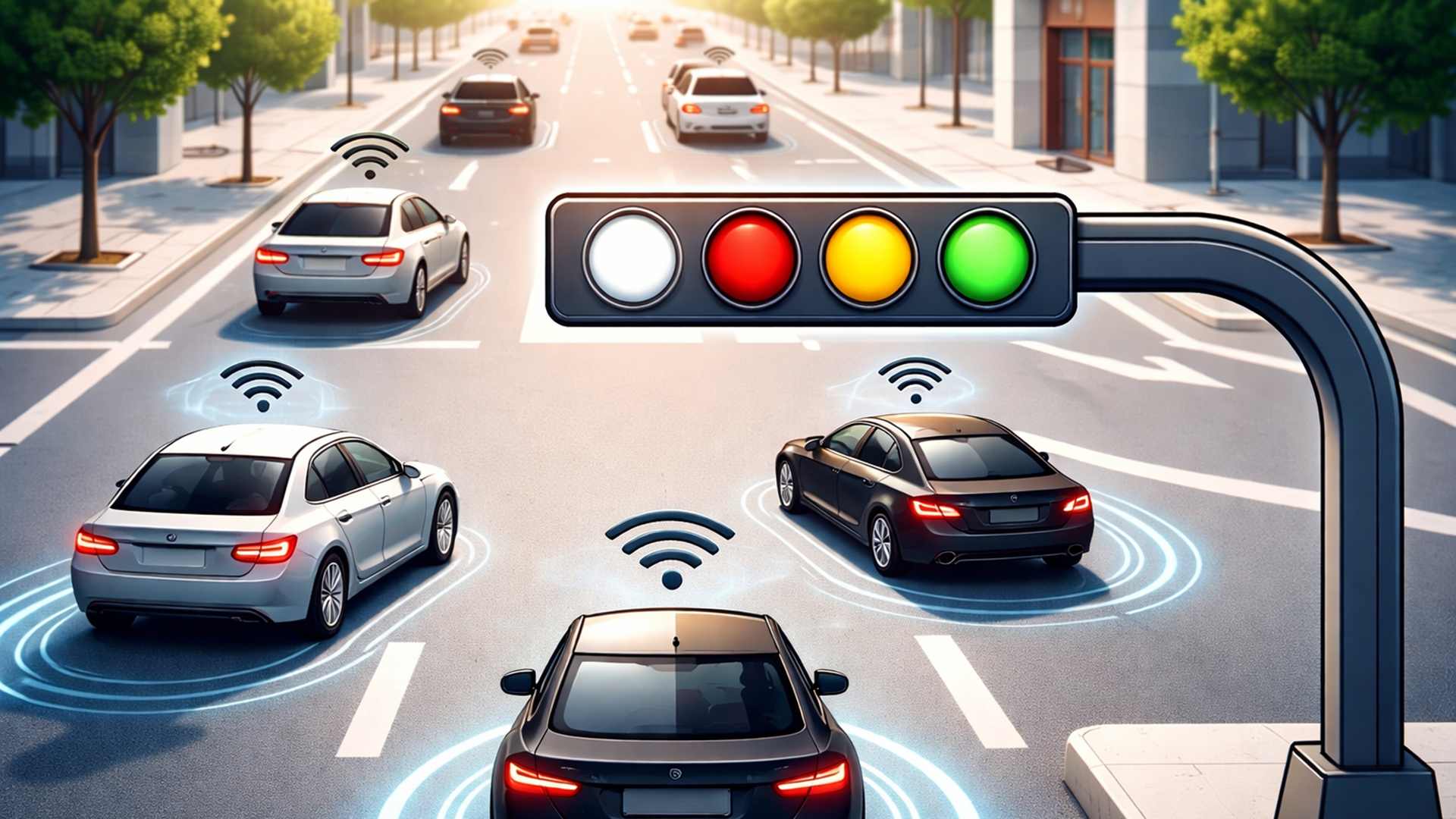
Engineers propose a fourth traffic light for intersections – the change promises to affect crossings, queues, and waiting times.
-
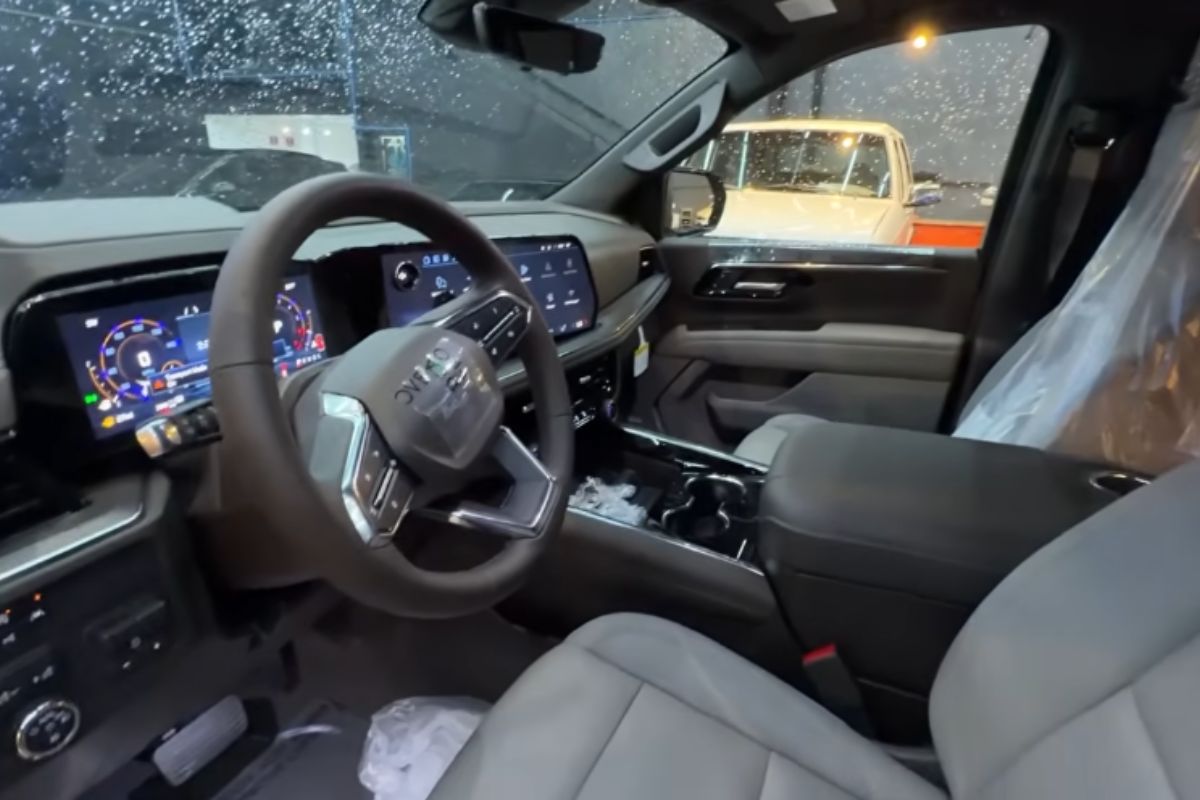
Chevrolet Suburban Z71 lands in Brazil with a V8 engine, off-road design, air suspension, seven seats, and colossal size, a rare version imported for around R$ 1.3 million with luxury and exclusivity.
-
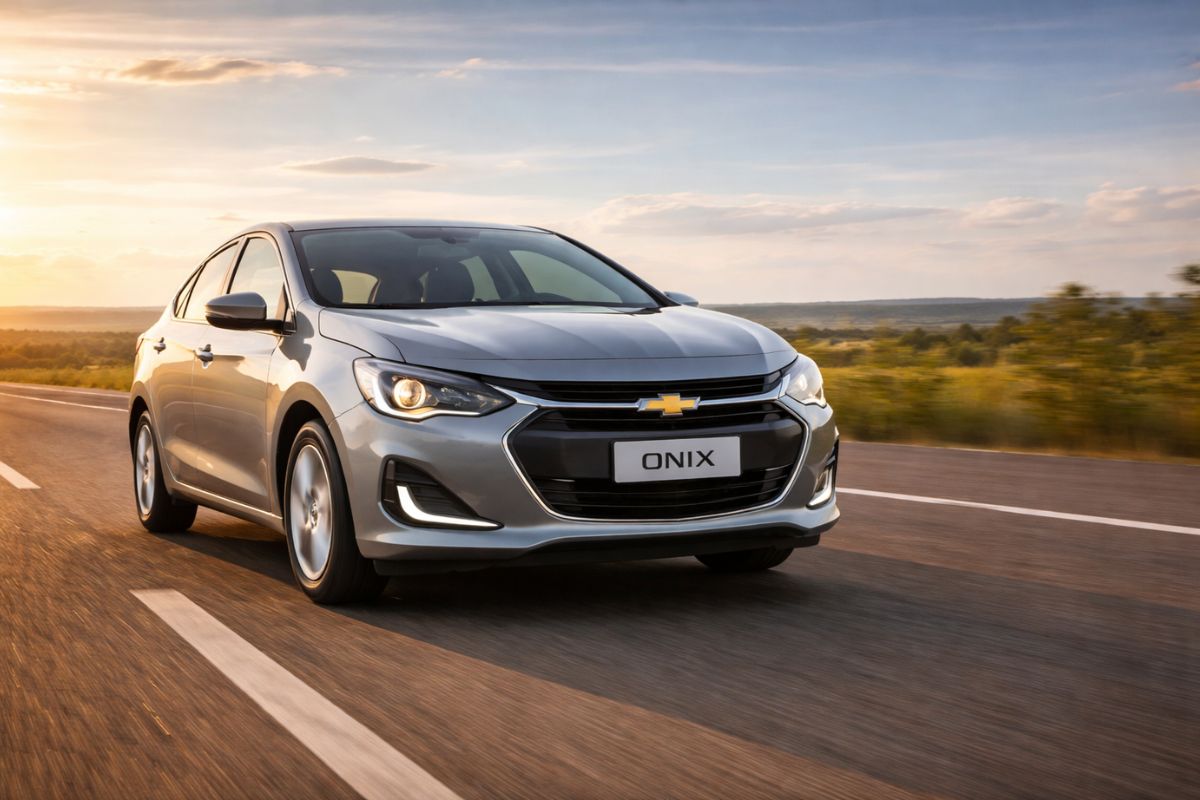
The Chevrolet Onix 1.0 turbo achieves 17.7 km per liter on the highway and ranks among the three most economical cars in Brazil in 2026, alongside two more expensive Toyota hybrids available at dealerships.
-
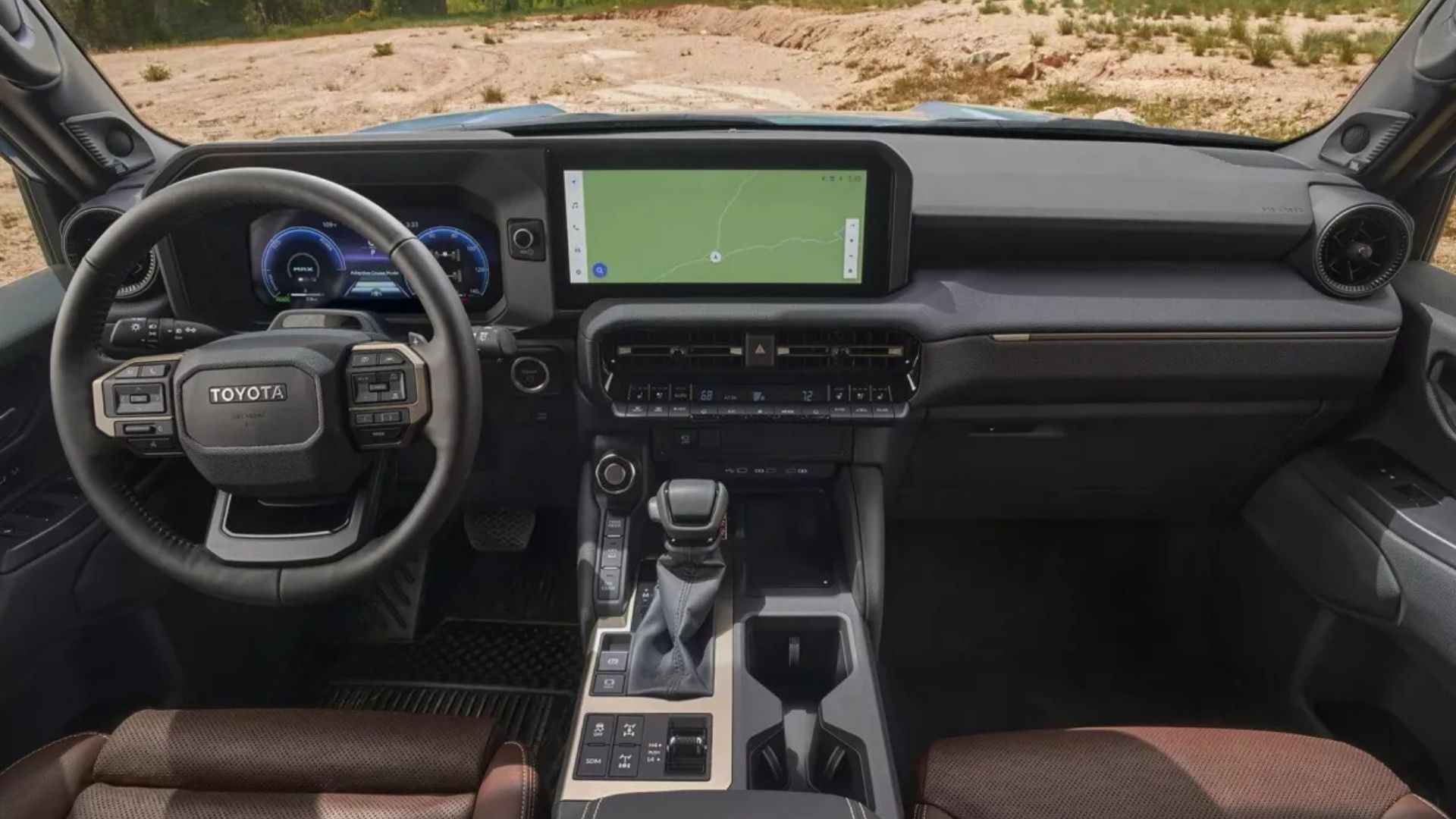
Little sister of the Hilux: Toyota launches Land Cruiser FJ with 4 radical versions, 2.7 engine with 166 hp and 4×4 traction with locking.

Despite the optimistic outlook, challenges still persist, especially the lack of charging infrastructure, which stands out as one of the main obstacles preventing the electric car market in the country from reaching its full potential.
Innovation and Sustainability
Innovative companies are entering the e-mobility market, offering advanced chargers accompanied by apps that facilitate the location of charging stations. This technology, which can be powered by both the electric grid and clean energy sources such as solar power plants, represents a significant step towards sustainability.
The sale and rental of this equipment, along with installation and maintenance services, are creating a diversified and adaptable ecosystem. The integration with photovoltaic systems brings additional advantages due to the low cost of generated energy and the profit potential from the availability of the stations.
Vision for the Future
It is crucial to note that the market for electric and hybrid cars in Brazil is destined for substantial growth, driven by environmental awareness, the pursuit of energy efficiency, and cost reduction. The recognition of the benefits of electric vehicles, such as efficiency, lower environmental impact, and reduced maintenance costs, is stimulating an increasing interest among consumers.
The installation of charging stations not only meets the growing demand from electric vehicle owners but also offers a competitive advantage to establishments, becoming a convenient and attractive service for customers. The opportunity to charge for the use of charging stations, especially with the implementation of more powerful equipment that allows for faster charging, emerges as a promising strategy in this expanding electric mobility landscape in Brazil.
Source: DAIANA FELIX – Communication and Marketing of GrupoPolo









Seja o primeiro a reagir!