





 Portuguese
  English
  Spanish
  5 min of reading
  0 comments


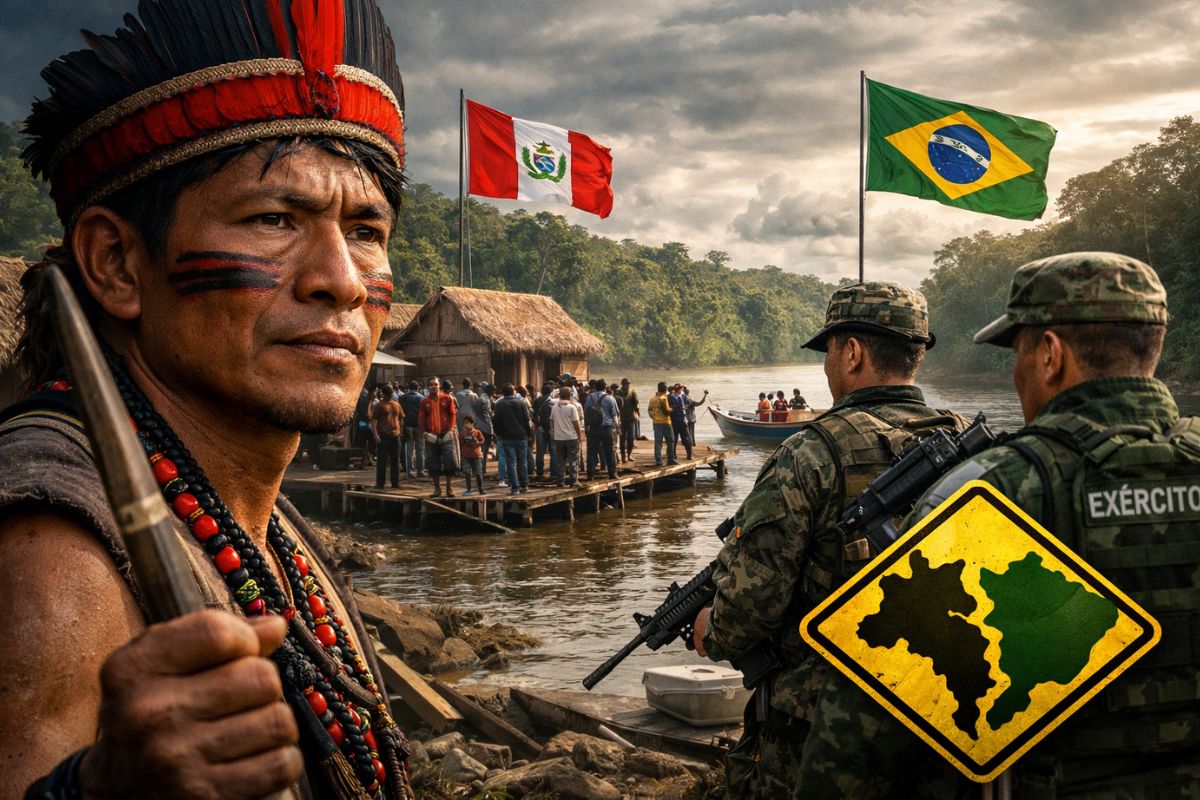
In The Yavarí District, In The Mariscal Ramón Castilla Province, The Indigenous Community Of Bellavista Callarú Issued A 30-Day Ultimatum To The Peruvian State And Says It May Annex To Brazil If Nothing Changes. Leaders Cite Organized Crime, Sicariato, Extortion, Threats, Absent Basic Services, And An Invisible State.
In The Far Northeast Of Peru, Within The Peruvian Amazon, Bellavista Callarú Claims It May Annex To Brazil After A 30-Day Ultimatum, Alleging Abandonment By The State And A Security Crisis That Is Already Dominating Daily Life.
According To Information From The Portal UOL, The Community, Inhabited By The Tikúna People, Describes A Scenario Of Advancing Drug Trafficking And Transnational Criminal Organizations, With Rising Violence, Lack Of Police And Judicial Presence, Poor Health, Inadequate Education, And Absence Of Basic Services, While Local Leaders Say They Live Under Constant Risk.
Where Is Bellavista Callarú And Why Did The Border Become The Center Of The Conflict

Bellavista Callarú Is Located In The Yavarí District, In The Mariscal Ramón Castilla Province, Within The Peruvian Amazon, In An Area Bordering Brazil And Colombia. It Is This Border Positioning That Amplifies The Sense Of Isolation And, At The Same Time, Exposes The Community To Pressures From Illicit Routes.
-
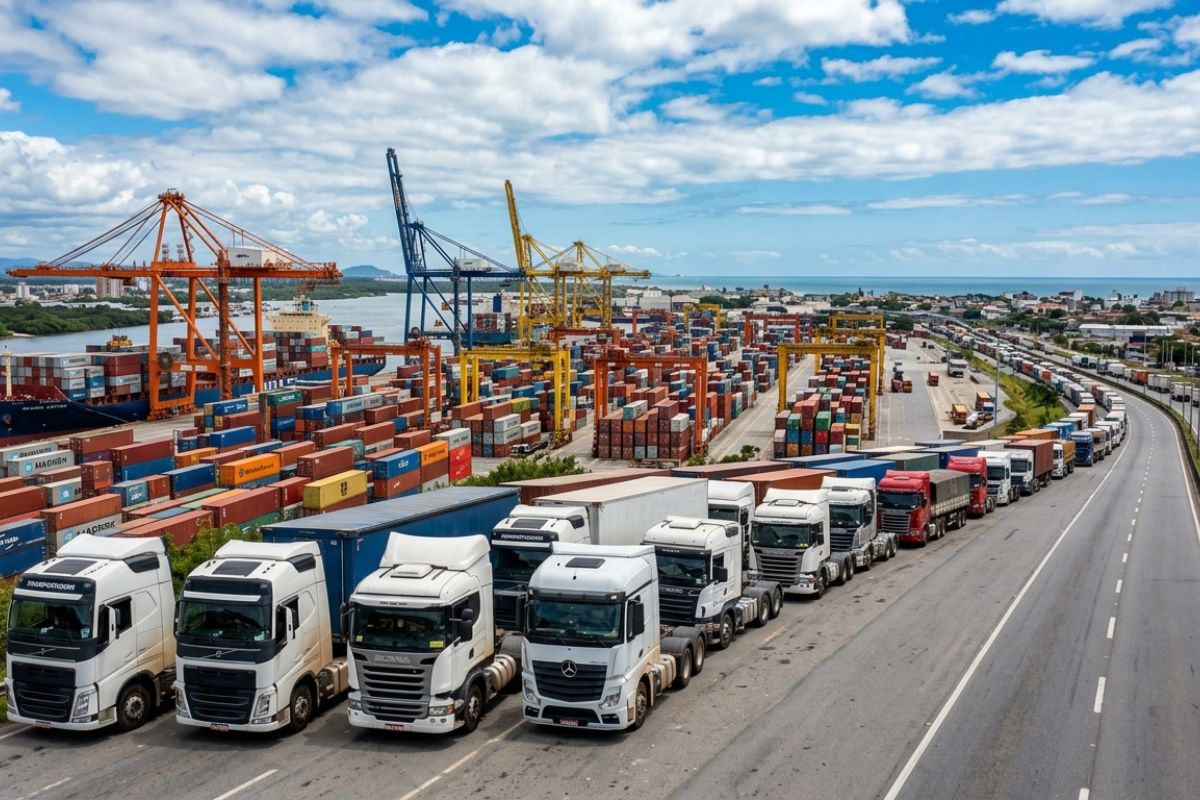
The lack of truck drivers in the country is already halting shipments and threatening deadlines: 88% of transport companies are unable to hire, with an average of eight trucks idle, and the port complex of Itajaí is now feeling the impact.
-
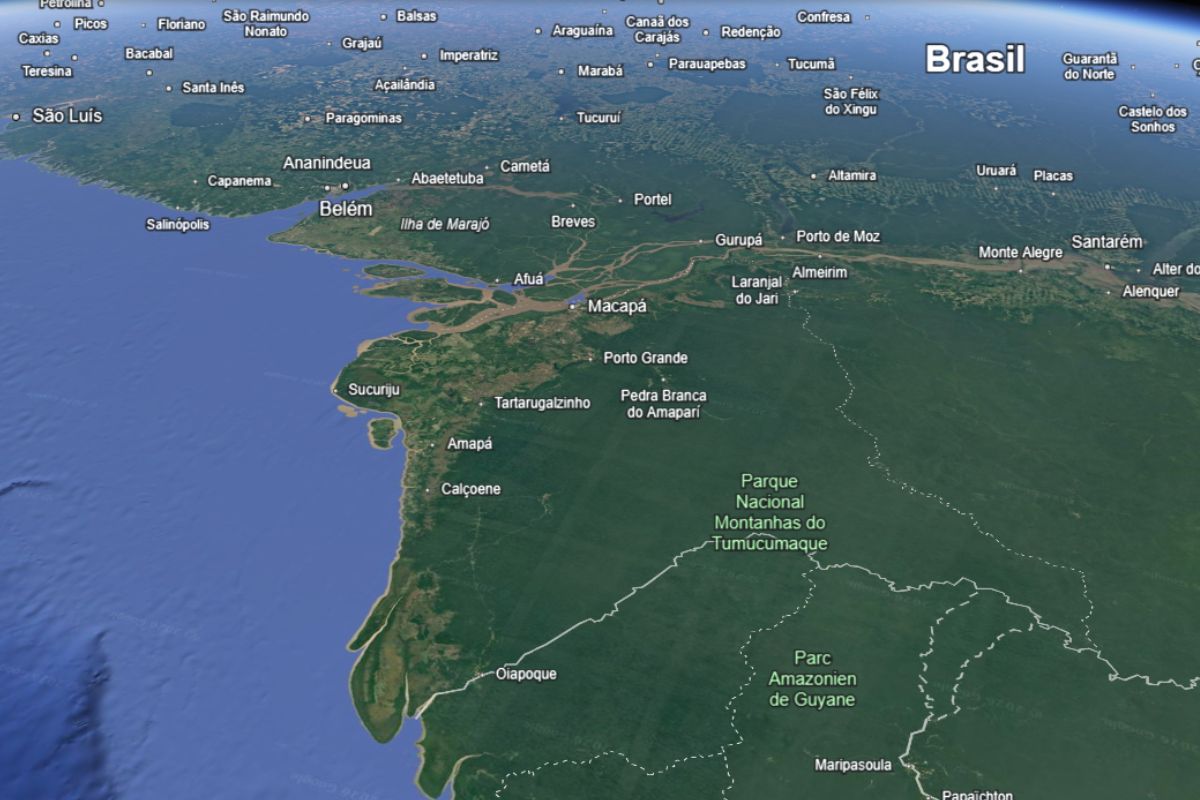
Petrobras is about to transform a forgotten city in the far north of Brazil into the capital of oil: Oiapoque is already feeling the effects even before the first drop of oil comes out from the seabed.
-
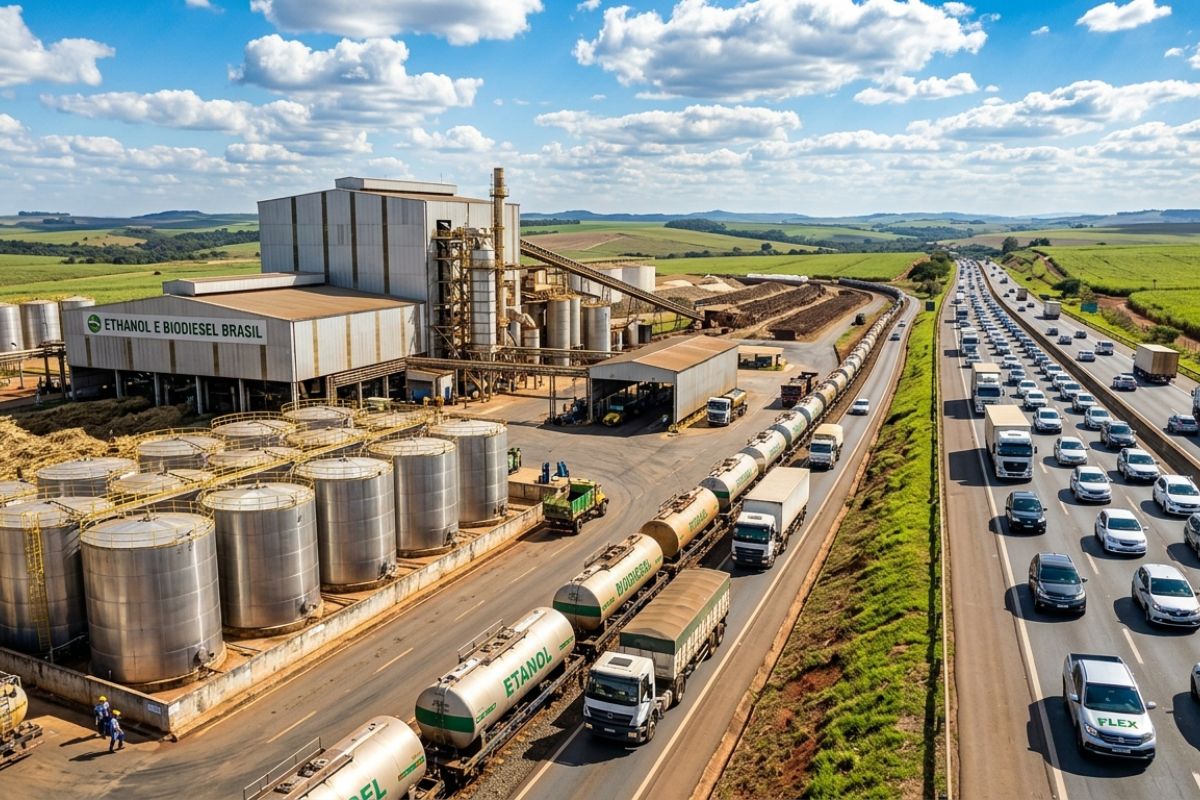
The Economist says that Brazil has a secret weapon in the oil war during this crisis: ethanol, biodiesel, and flex-fuel vehicles. With Petrobras holding costs, fuel prices are rising 10% to 20% here, compared to 30% to 40% in the USA.
-
Unilever is negotiating the sale of Hellmann’s, Knorr, and its entire food division in a deal that could reach R$ 186 billion to transform into a company focused exclusively on beauty and personal care.
The Community Is Inhabited By The Tikúna People, An Indigenous Group That Is Also Present In Colombia And Brazil. On The Brazilian Side, The Tikúna Are Identified As The Largest Indigenous Group In Brazil, According To The 2022 Census By IBGE, Reinforcing The Symbolic Weight Of A Tikúna Community From Peru Speaking Openly About Annexing To Brazil.
What Motivated The 30-Day Ultimatum And The Threat To Annex To Brazil

Leaders Claim That The Peruvian State Is Absent And That This Absence Has Opened Space For Criminal Activities “With Total Freedom.” The List Of Problems Cited By The Community Is Extensive And Concentrates On Two Blocks: Security And Basic Services.
In Security, The Report Includes The Advancement Of Drug Trafficking And Organized Crime, Increased Violence, And A Routine Marked By Murders, Extortion, Threats, And Cases Of Sicariato, Described As The Hiring Of Hitmen. In Daily Life, Reports Indicate That Local Authorities And Indigenous Leaders Coexist With Constant Threats And Permanent Risks.
In The Block Of Services, The Diagnosis Involves The Absence Of Basic Services, Lack Of Police And Judicial Presence, Poor Health, And Inadequate Education. The Central Message Of The Ultimatum Is Direct: If The State Does Not Respond With Concrete Measures Within The Deadline, The Community Says It Will Evaluate Drastic Alternatives, Including Annexing To Brazil.
Organized Crime, Sicariato, And The Domino Effect Of The Absence Of The State
The Community Describes The Border As A Territory Where The Government Does Not Maintain Effective Control, And Where This Translates Into Violence And Intimidation. The Idea That Transnational Criminal Organizations Operate “With Total Freedom” Appears As The Core Of The Argument: Without Police And Justice Present, Threats And Extortions Increase, And The Risk Of Murders, Including Sicariato, Becomes Part Of Daily Life.
In This Context, The Threat To Annex To Brazil Emerges As An Extreme Gesture To Draw Attention And Pressure For A Response. The Ultimatum Is Not Presented As An Abstract Agenda, But As A Mechanism For Survival In The Face Of A Situation Described As Ongoing.
The Leaders’ Statement And The Message Behind The Threat To Annex To Brazil
The Statement Associated With Leader Desiderio Flores Ayambo Summarizes The Tone Of The Movement: If There Is No Concrete Response, The Community Will Consider Drastic Alternatives, Including Becoming Part Of Brazil. The Statement Places Two Demands On The Table At The Same Time: Quick Response And Real Change.
The Implicit Message Is That The Community Does Not Want Just Promises, But An Effective State Presence, Capable Of Reducing The Advance Of Drug Trafficking, Protecting Leaders, And Re-establishing Services. By Explicitly Mentioning Annexing To Brazil, The Leadership Signals That Dissatisfaction Has Reached Its Limit And That Public Pressure Has Become A Tool.
Currency Exchanged In Practice And The Disconnection Of Peru In Daily Life
The Community Reports That The Disconnection From The State Also Appears In The Economic And Symbolic Aspect. One Of The Signs Cited Is The Replacement Of The Peruvian Sol, The Official Currency Of Peru, With Colombian And Brazilian Coins, Which Is Described As A Reflection Of The Loss Of Real And Symbolic Integration With The Country.
This Detail Reinforces The Abandonment Narrative: When Daily Life Begins To Rotate Around Practical References From Neighboring Countries, The Bond With Lima Weakens, And The Idea Of Annexing To Brazil Gains Ground In The Discourse As A Consequence Of A Disconnect That The Community Claims Is Already Occurring In Practice.
The Main Institutional Demand: Create The District Of Bellavista Callarú
In Addition To The Ultimatum For Security, The Community Reiterates A Specific Demand: The Creation Of The District Of Bellavista Callarú. According To The Report, The Process Has Been Stagnant For More Than Two Years At The Ministry Of Foreign Affairs, Despite The Population Meeting Legal Requirements And Exceeding The Population Of Other Districts Recently Established In The Region.
The Leadership Argues That The Creation Of The District Does Not Serve Political Interests But Would Be A Measure Of National Defense And Human Rights Protection. The Argument Is That This Would Allow For Effective State Installation, Territorial Control, And Implementation Of Basic Services To Curb The Advance Of Drug Trafficking, Reducing The Pressure That Currently Fuels The Threat To Annex To Brazil.
What Would Be At Stake For Peru If The Threat Advances
The Scenario Described Indicates That If An Annexation To Brazil Were To Materialize, Peru Would Face Significant Territorial Loss And An Immediate Geopolitical Impact. At The Same Time, The Episode Would Highlight The Prolonged Abandonment In Border Zones And Create A Precedent Regarding The Fragility Of National Sovereignty In Historically Neglected Regions.
Even Without Any Formal Outcome, The Simple Threat Already Exposes The Size Of The Local Crisis: An Indigenous Community, In A Sensitive Border Area, Saying It Can Annex To Brazil Because It Does Not Feel Protected, Attended, Or Recognized By The State Itself.
Do You Think Peru Will Be Able To Respond In 30 Days With A Real Presence Of Security And Services, Or Will The Pressure To Annex To Brazil Increase Even More At The Amazon Border?





-

-

3 pessoas reagiram a isso.