





 Portuguese
  English
  Spanish
  3 min of reading
  0 comments



Record Sales of New Energy Vehicles and Expansion of Rail Transportation Already Remove Up to 400 Thousand Barrels per Day from Global Consumption, According to International Agencies in 2024
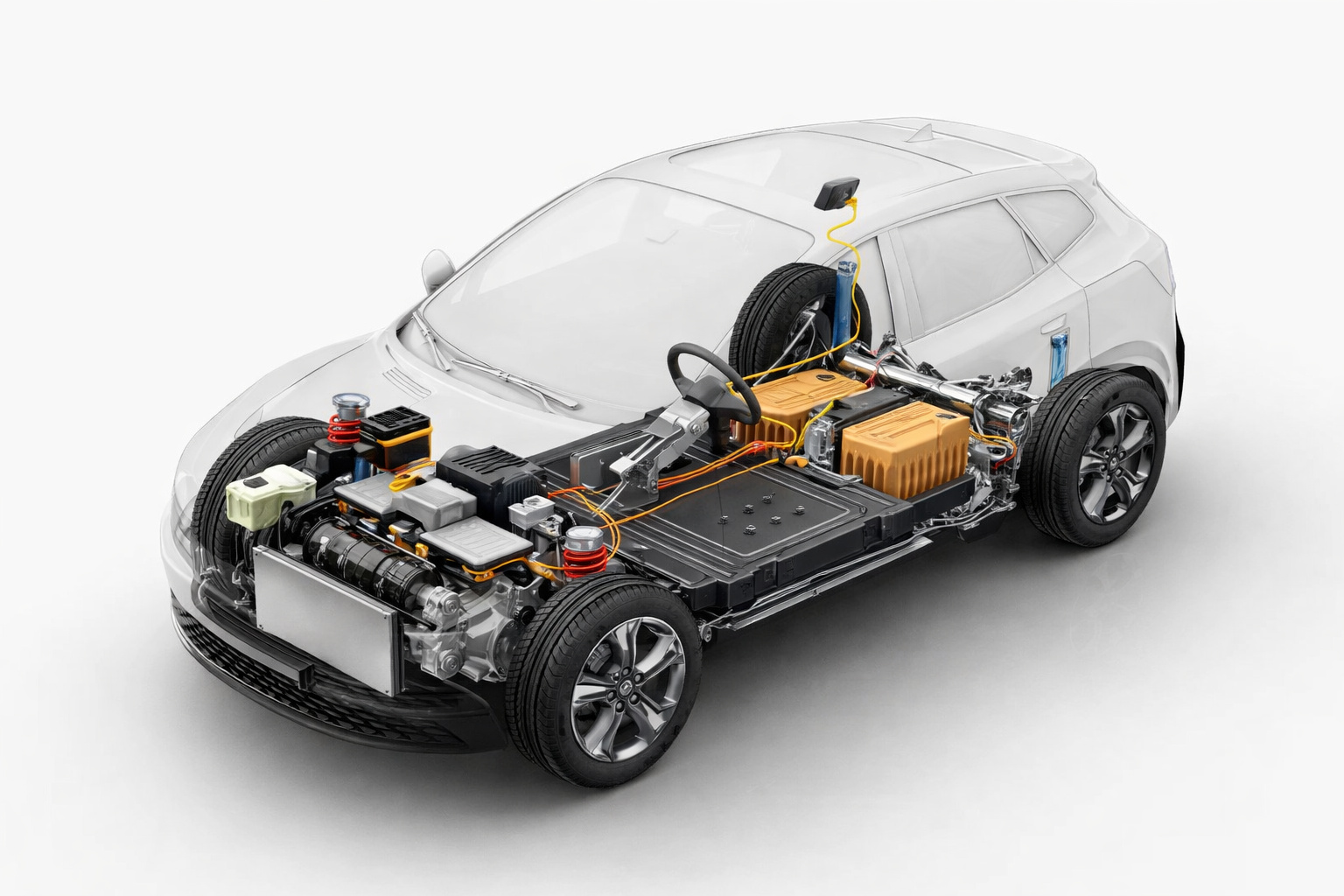
A structural shift is progressing in China and starts to produce direct effects on the global energy market. Oil consumption in the country slows down in 2024, while at the same time, electric and hybrid cars sales hit historic levels. This movement, therefore, begins to materialize the scenario that energy sector analysts have been pointing to for years.
According to data released in 2024 by the International Energy Agency, the lower demand for fossil fuels in Chinese transport is already impacting global oil growth. The effect is significant, especially because China has accounted for more than 60% of the global consumption expansion since the 1970s.

The Relationship Between Economic Growth and Oil Is Starting to Break
Historically, Gross Domestic Product growth has been directly linked to increased oil consumption. Whenever the economy has advanced, more vehicles were circulating, more trips were made, and new infrastructure projects increased the demand for fuels.
-
Goodbye expensive popular car: electric vehicle for less than R$ 70,000 starts being sold in Brazil with a range of 200 km and targets those looking to escape gasoline.

-
China Surprises Automotive Industry With Battery That Promises Electric Car Able to Run Up to 1,000 km Without Recharge
-
Why BYD Grew So Fast in Brazil and How Blade Batteries, Electric Cars, and Industrial Incentives Shaped This Expansion in the National Automotive Sector

-
Electric Cars Make Progress in Brazil in 2026 and Promise to Reduce Drivers’ Costs with Cheaper Energy, While Infrastructure Grows Slowly Across the Country
However, over the years, this correlation has begun to weaken, especially after 2002, with the strengthening of the services sector. In 2024, however, China is breaking this pattern more clearly, by reducing the growth rate of demand even without a deep recession.
2024 Data Confirms Deceleration of Chinese Consumption
According to the International Energy Agency, Chinese oil consumption is expected to grow by only 1.1% in 2024, equivalent to about 180 thousand barrels per day. The U.S. Energy Information Administration confirms similar projections in a report published during the same period.
At the same time, diesel refining shows a significant retraction. Data released by Reuters indicates that some refineries reported declines of up to 13% compared to 2023. According to the agency, the slowdown in logistics and road transportation explains much of this reduction.
Electrification of the Fleet Gains Prominence in Transportation
Analysts agree that the slowdown in the Chinese economy influences the scenario, especially in light of the decline in construction and reduced investments. Still, oil consumption had grown close to 10% in 2023, which reinforces the structural nature of the change now observed.
In this context, the accelerated electrification of the fleet assumes a central role. Projections indicate that by 2025, China may still increase consumption by about 300 thousand barrels per day, but almost all of this increase will come from the petrochemical industry, while transportation loses prominence.
Record Sales of Electric Cars Already Impact Global Demand
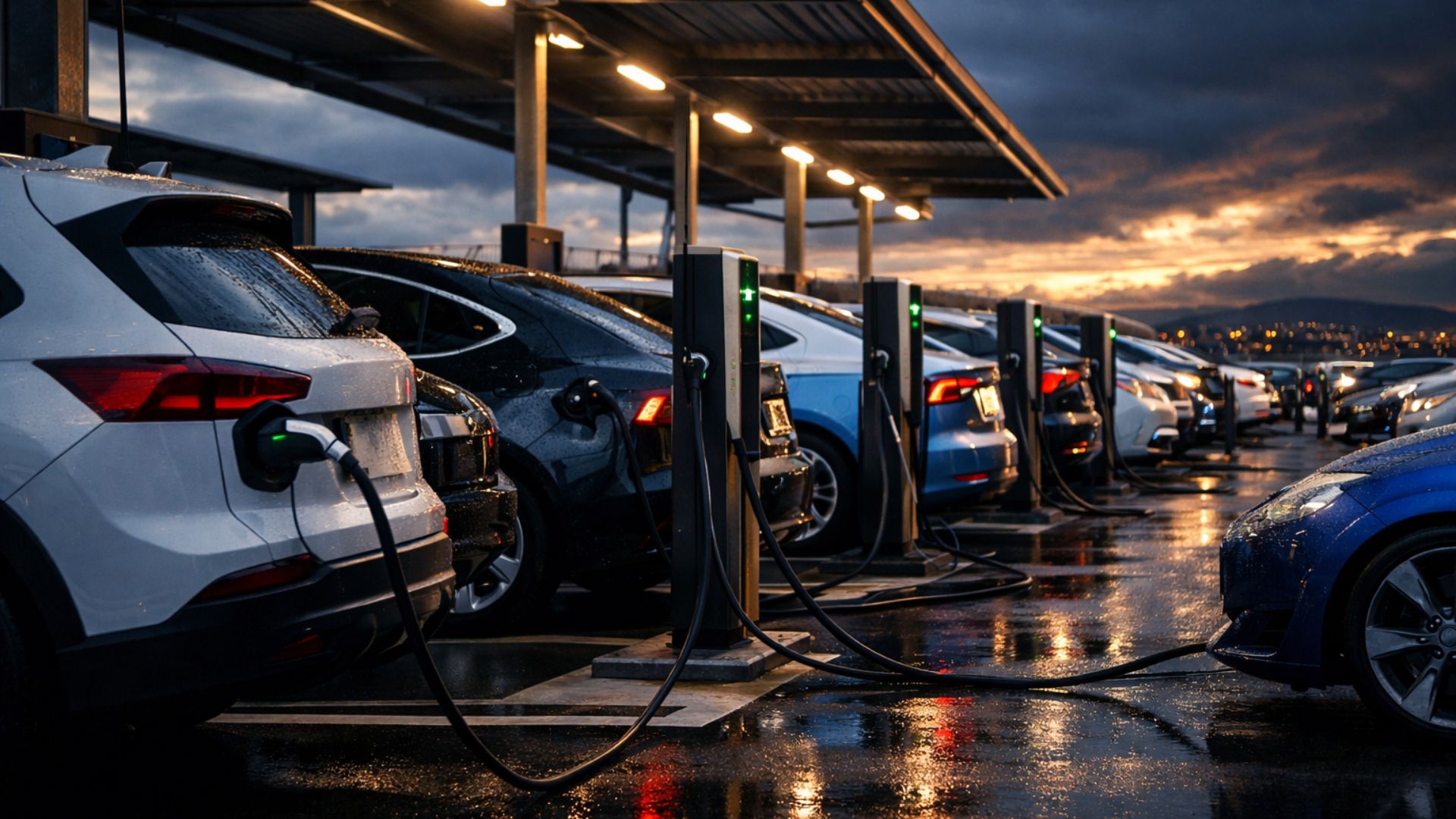
The impact is already measurable. According to estimates released in 2024 by the International Energy Agency, sales of electric vehicles, combined with the expansion of high-speed trains, are expected to reduce global oil demand by up to 400 thousand barrels per day.
Market data supports this reading. In October 2024, 1.43 million electric and plug-in hybrid cars were sold, including exports, according to figures from CNEVPost. The volume surpassed the previous record and was 49.6% higher than that recorded in October 2023. For the first time, more than half of the cars sold in China belong to the “new energy” category.
High-Speed Train Reinforces the Reduction of Oil Use
Additionally, the advancement of high-speed trains consolidates the reduction of oil use. According to Global Times, the modernization of trains has reduced maintenance costs by about 15%.
In the summer of 2024, the number of passengers grew by 6.2% compared to 2023, reaching 872 million trips. Official plans foresee an additional 15 thousand kilometers of lines by the end of the decade, further enhancing the substitution of modal options dependent on fossil fuels.
A New Scenario Begins to Challenge the Oil Sector
In light of this scenario, China is inaugurating an unprecedented phase, where economic growth no longer automatically translates into greater oil consumption.
This historic deviation raises a central question for the global energy sector: how will oil companies adapt to a world where the largest demand driver begins to slow down?









Seja o primeiro a reagir!