





 Portuguese
  English
  Spanish
  7 min of reading
  0 comments


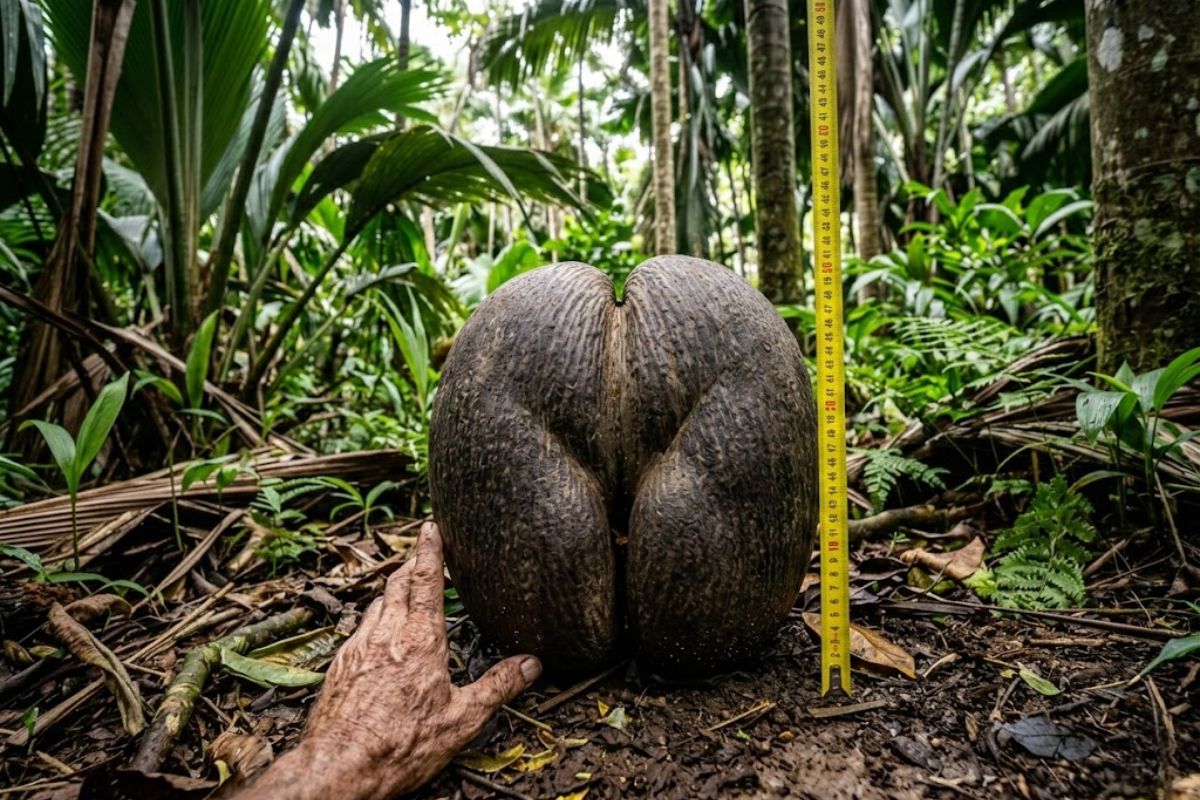
On The Islands Of Praslin And Curieuse, In The Seychelles, Lodoicea Maldivica Produces The Coco De Mer, Recognized As The Largest Seed On The Planet. Weighing Up To 30 Kilograms And Nearly 50 Centimeters, It Reveals Survival Strategies, Slow Reproduction, And Conservation Challenges In Fragile Insular Habitats For Scientists, Tourists, And Local Residents.
The coco de mer, known for being the largest seed on the planet, draws attention even before any scientific explanation: it is too large to appear “normal” in the plant kingdom. Weighing up to 30 kilograms and nearly 50 centimeters, it serves as a living proof that evolution, when functioning in isolation, can push limits that seem impossible.
Behind the record, there is a specific palm tree, Lodoicea maldivica, which follows a very particular adaptation route to the Seychelles. And it is precisely this set of “local rules” — soil, climate, difficult dispersion, and time — that helps to understand why a seed became a phenomenon.
Why Is The Coco De Mer The Largest Seed On The Planet

The central point of the coco de mer is not just its striking size: it’s the biological logic behind it. The largest seed on the planet concentrates an extraordinary volume of internal reserves, something that completely changes the way the plant “plans” its early years of life. Instead of betting on speed, it opts for prolonged nutritional autonomy.
-
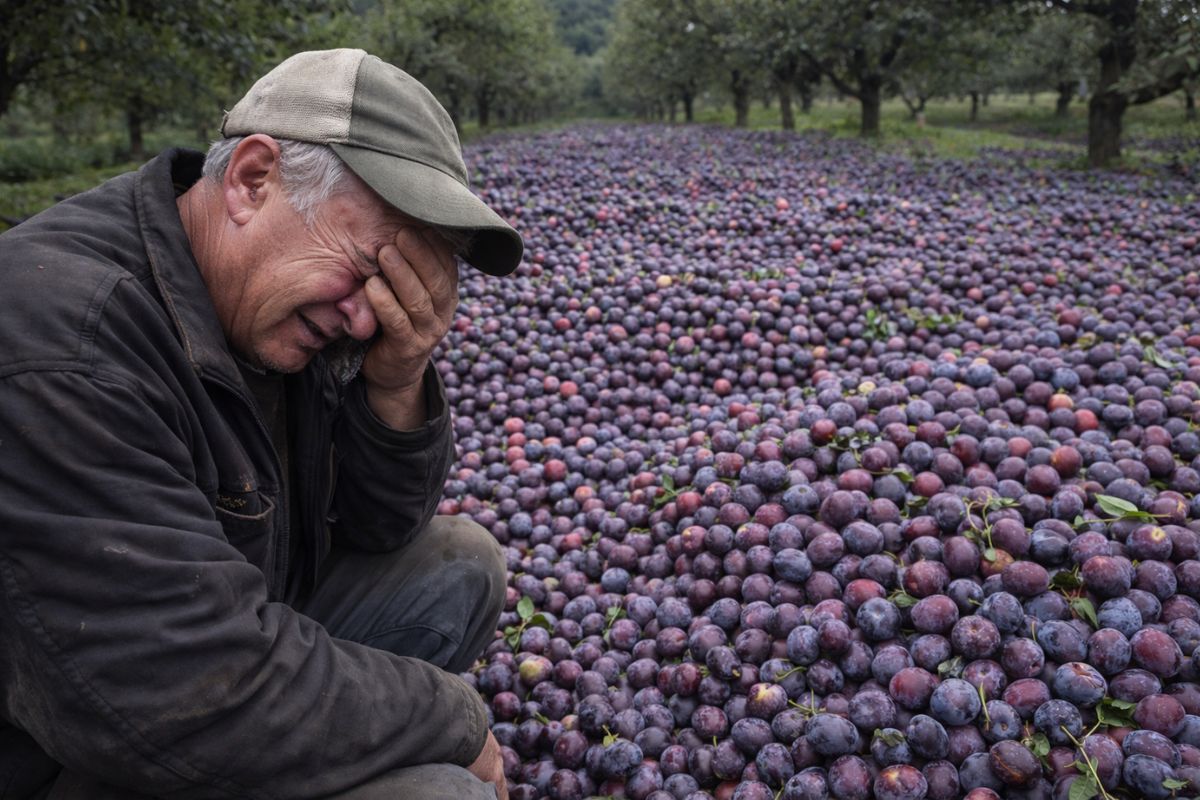
A rural producer from Urubici cries as he shows 50 tons of plums thrown on the ground because no one wanted to buy them, and in desperation, he records a video asking anyone to come to the property to pick the fruits before they rot.
-
Unable to pass through Hormuz, Brazil activated a plan B that uses Turkey as a gateway to the Middle East: the route through Gibraltar and the Mediterranean is longer and more expensive but ensures that chicken, beef, and corn continue to reach Arab markets.

-
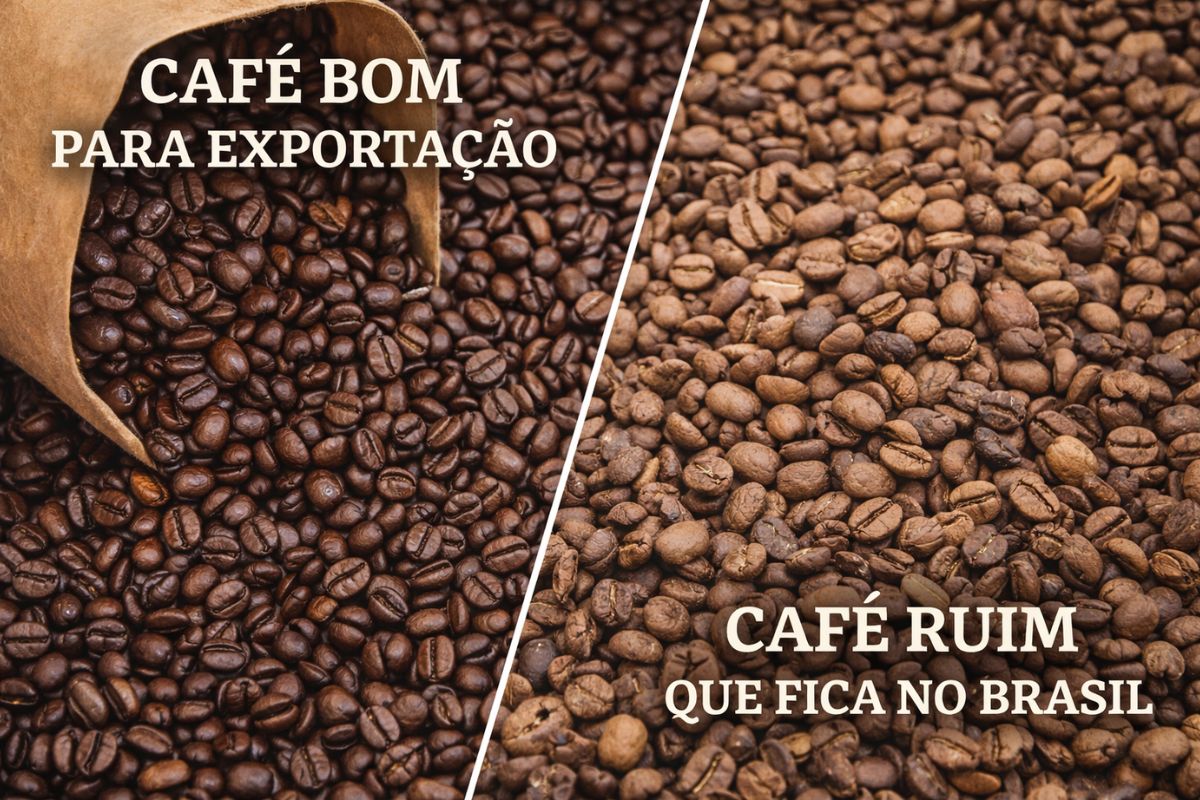
You grew up hearing that the good coffee from Brazil goes all abroad and the bad coffee stays for Brazilians, but this story has completely changed, and the numbers show that in the 1980s, thirty percent of the coffee sold here was adulterated with corn and barley.
-
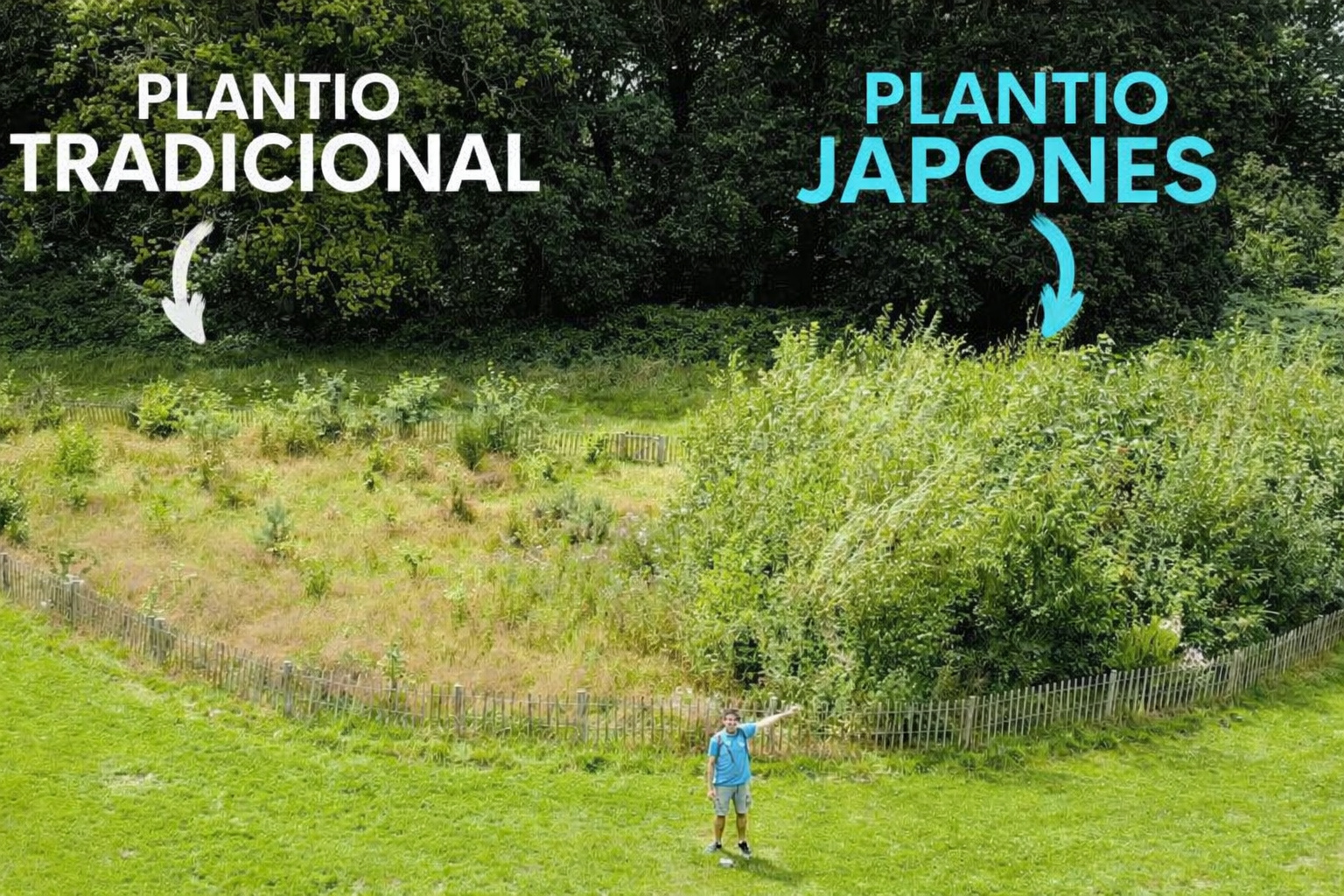
Engineer creates reforestation method that transforms small plots into dense forests in a few years using local biomass and can reduce environmental recovery costs.

This gigantism doesn’t arise from nowhere: it fits into a long evolutionary story, shaped by life on islands. In Praslin and Curieuse, the insular environment provided conditions for the species to invest energy in increasingly larger seeds.
When the environment is stable and the pressure from certain enemies is lower, selection can favor functional exaggerations, and the coco de mer is the exaggeration that has remained.
The Energy Reserve That Sustains Life Where The Soil Is Poor
From a plant physiology point of view, the endosperm of the coco de mer functions as a gigantic reservoir of nutrients. This is a key piece to understanding the record: size is not “decoration,” it is stock. It gives the seedling a greater margin of survival in a scenario where the soil doesn’t provide everything for free.
In insular forests, granite substrate is described as poor in minerals, and this alters the survival strategy.
The seed, capable of storing large amounts of nutrients (notably phosphorus, according to observations linked to the phenomenon), increases the chances of the new plant surviving the most risky period: the early years, when it still lacks the structure to seek resources efficiently. It’s like starting life with a high “biological capital,” to withstand a slow start.
A Slow Reproduction, With Separate Males And Females, That Requires Nature’s Patience
Lodoicea maldivica is a dioecious species, meaning there are separate male and female individuals. This characteristic reorganizes the entire reproductive puzzle: it is not enough to have a healthy palm tree; the landscape must allow for the meeting of pollen and female flowers. Pollination occurs mainly by wind and small insects, which makes the process dependent on the balance of the environment.
Time is also part of the enigma. The complete development of the fruit can take between six and seven years, a long cycle among angiosperms. This slowed rhythm makes a difference in the ecology of the species: when reproduction takes so long, any loss of habitat, fire, or illegal harvesting weighs more because the “restart” doesn’t happen quickly.
Delayed Germination And The “Remote Cotyledon” That Seeks The Right Place
If the fruit takes time to be ready, the germination is no less impressive. After falling from the palm tree, the coco de mer can take up to two years to germinate. This long interval reinforces the idea that the largest seed on the planet follows a long-term strategy, betting on resilience and reserve, not speed.
A noteworthy detail is the emission of a structure called a remote cotyledon, which can extend several meters through the forest floor. Practically speaking, this means that the young plant “searches” for ideal light and moisture conditions before solidifying its growth.
It’s a rare and ingenious solution: instead of being born where it fell and hoping for the best, it increases the chances of finding the most favorable spot around.
Insular Gigantism And The Isolation That Pushes Evolution To Extremes
Among ecologists, a recurring hypothesis to explain the coco de mer is that of insular gigantism: on isolated islands, some species tend to develop exaggerated proportions compared to their continental relatives.
In the case of Lodoicea maldivica, the combination of limited competition and the absence of large herbivores is presented as a scenario that favored the gradual increase in seed size. When the cost of “being large” pays off, nature does not hold back.
There is also a deep geographical component to this story: the Seychelles are described as having been separated from the ancient supercontinent Gondwana about 66 million years ago, suggesting a very unique evolutionary trajectory for the local flora.
This prolonged isolation reduces biological exchanges with other places and creates conditions for a lineage to follow unusual paths. It’s like a natural laboratory, functioning for millions of years without constant external interference.
Why Does It Exist In Few Islands And What Does This Reveal About Dispersion
Unlike common coconuts, the coco de mer does not float efficiently. This limits its dispersion and helps explain why the wild population is restricted to the islands of Praslin and Curieuse.
At the same time, this low dispersion reinforces the usefulness of large seeds: if the plant does not “travel” much, it makes sense to invest in a reproductive unit that offers a high chance of success wherever it can establish itself.
This point is crucial for understanding the largest seed on the planet as a result of a set of practical limitations.
When spreading seeds far is not a reliable option, increasing the probability of local survival becomes a competitive advantage. Thus, size, nutritional reserve, and permanence in the territory connect in the same evolutionary package.
Vulnerable: Why A Biological Record Can Also Be A Conservation Problem
Lodoicea maldivica is classified as a vulnerable species, and the wild population is described as restricted to about 8,000 mature individuals.
In species with a slow reproductive cycle, this number takes on another dimension: losses are not quickly compensated. The main threats mentioned include wildfires, illegal seed harvesting, and the pressure from unregulated tourism on natural habitats. When a species is both rare and famous, the risk increases from both sides.
A central place in this protection is the Vallée de Mai, a nature reserve on the island of Praslin, declared a UNESCO World Heritage Site in 1983.
The location is pointed out as the main refuge for the species, with genetic monitoring programs and access control that help maintain population stability and preserve the remaining genetic diversity. Conservation is not just “prohibition”: it’s about managing visitation, reducing impacts, and monitoring the health of what remains.
What Science Learns When Studying The Largest Seed On The Planet
The coco de mer is not just a size curiosity. Research associated with the subject highlights contributions in different areas: genomic analysis helps understand speciation mechanisms in insular environments, and the study of the endosperm exposes biochemical processes that are little explored in other palms.
The largest seed on the planet thus becomes a kind of “window” into bigger questions about evolution, physiological limits, and adaptation.
Among the highlighted contributions, the coco de mer appears as a model for insular biogeography, helping to test ideas about evolution on oceanic islands and about how far plant gigantism can go.
It also enters the discussion of ex situ conservation, as controlled propagation techniques can inspire strategies for other threatened palms in the tropics.
And, by concentrating nutrients in an unusual way, it provides clues about nutrient ecology and biogeochemical cycles in poor ecosystems. When a species is extreme, it reveals hidden rules of the “normal”.
The coco de mer brings together numbers that seem exaggerated: up to 30 kilograms, nearly 50 centimeters, years to form fruit, a long time to germinate, but nothing there is free: each detail fits into a specific insular scenario, with dispersion limitations, poor soil, and an evolutionary history marked by isolation.
The largest seed on the planet becomes a symbol of how nature can choose slow and robust strategies to survive where mistakes are costly.
If you could see this seed up close, what else would intrigue you: the absurd time it takes to complete the cycle, the way it “searches” for the best place to be born with the remote cotyledon, or the fact that it exists practically only on two islands?
And, in your opinion, what is the biggest challenge in protecting a species that is both rare and so desired?






Seja o primeiro a reagir!