





 Portuguese
  English
  Spanish
  4 min of reading
  0 comments


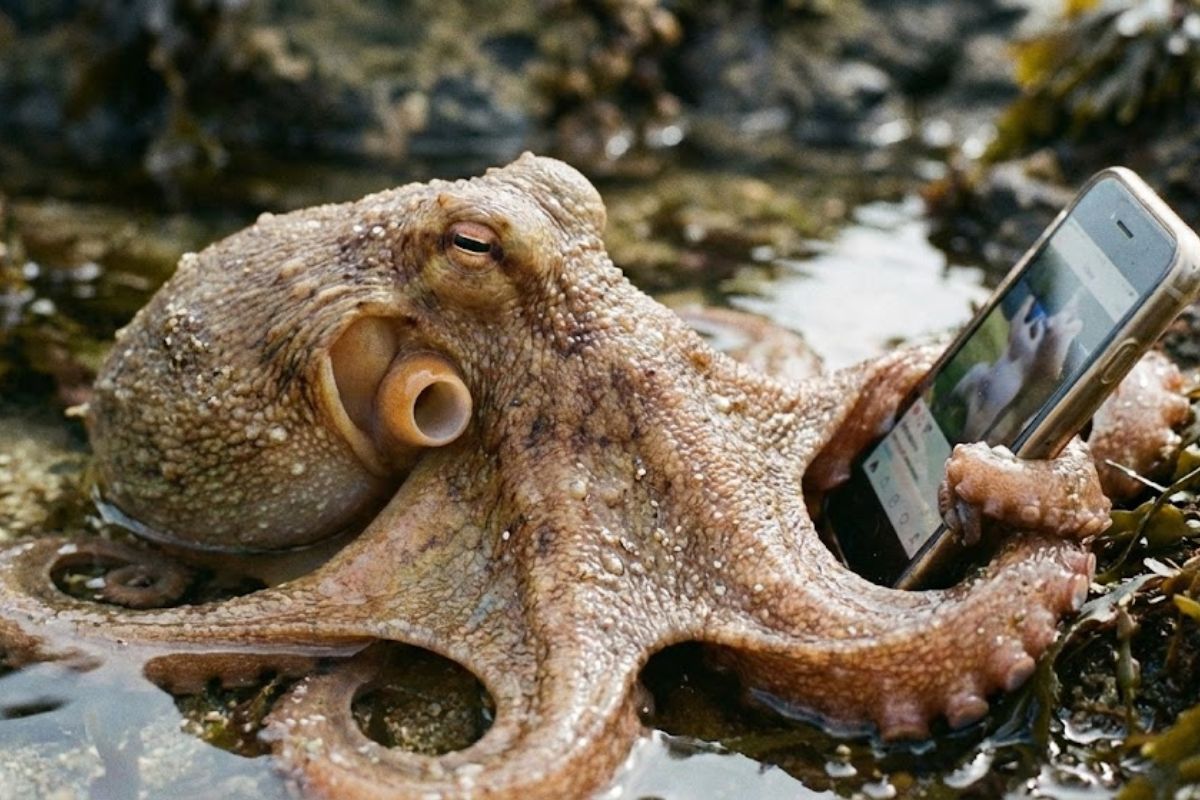
At Oxford University, Oxford researcher Tim Coulson evaluates that octopuses, today among the most intelligent animals, could fill niches left by humans and develop their own civilizations after an extinction, supported by intelligence, tool use, precise camouflage, and communication in flashes of colors on the planet, in theory.
The Oxford researcher Tim Coulson, professor and researcher of zoology at the University of Oxford, placed octopuses at the center of a debate about what could happen with life on Earth in a scenario of human extinction, amid concerns such as global warming.
The hypothesis presented by the Oxford researcher is that octopuses have a chance to thrive in a post-human world and, given the right environmental conditions, could evolve to the point of creating their own civilizations, sustained by intelligence exceptional, adaptability, and problem-solving skills.
The Idea Is Born in Oxford and Takes Shape in a Recent Book

The reflection of the Oxford researcher is developed in the most recent book attributed to Tim Coulson, “The Universal History of Us:
-
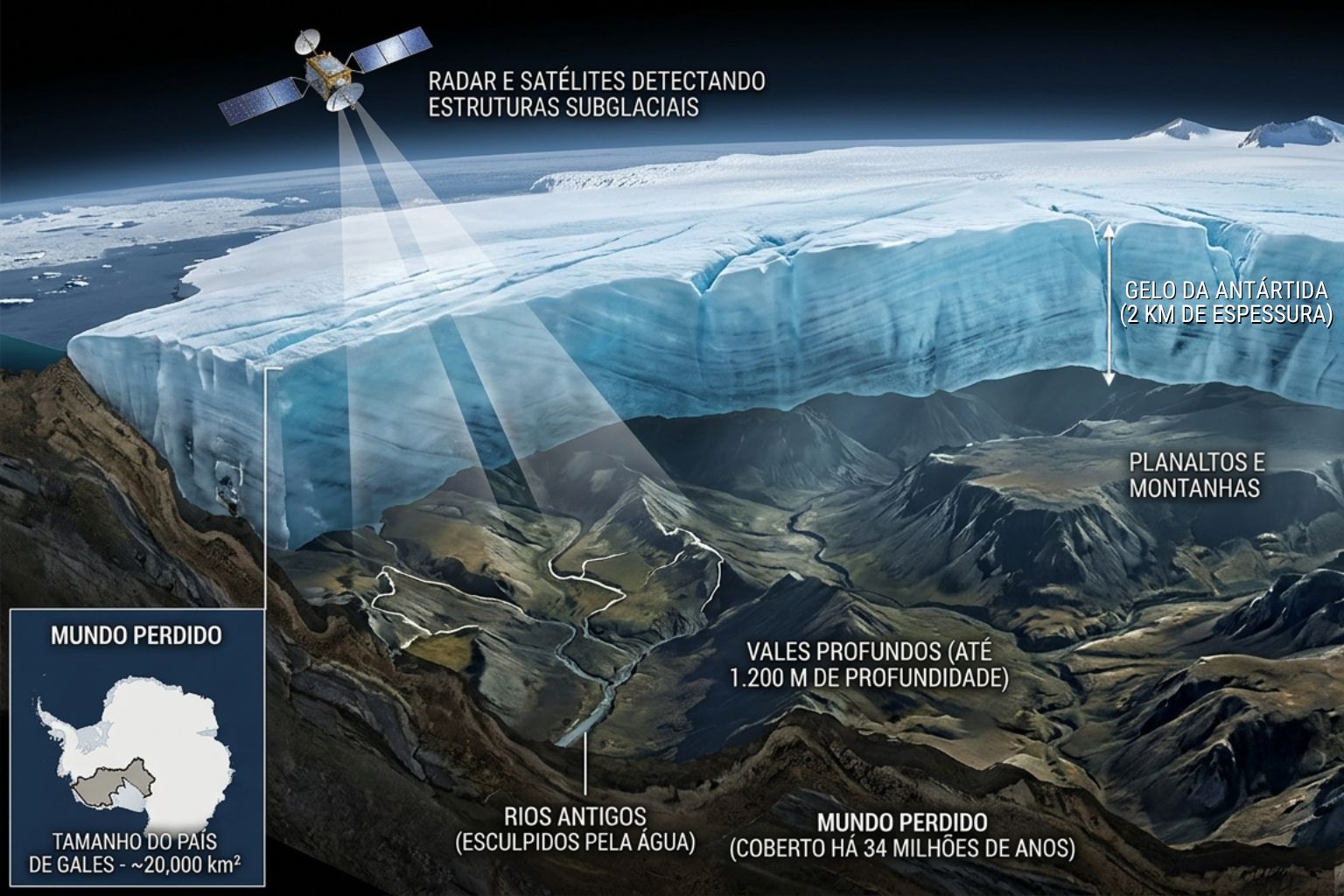
Satellites and radars revealed, beneath 2 kilometers of ice in Antarctica, a lost world the size of Wales, with rivers, valleys 1,200 meters deep, and plateaus sculpted by water, frozen for 34 million years, when the continent had temperate forests and was part of a supercontinent that included South America.
-
A 2 kg exoskeleton with an 800-watt motor and artificial intelligence that predicts movements in 2 milliseconds reduces the load on the legs by up to 30 kg, increases strength by 40%, and allowed an 84-year-old woman to climb mountains without falling behind.

-
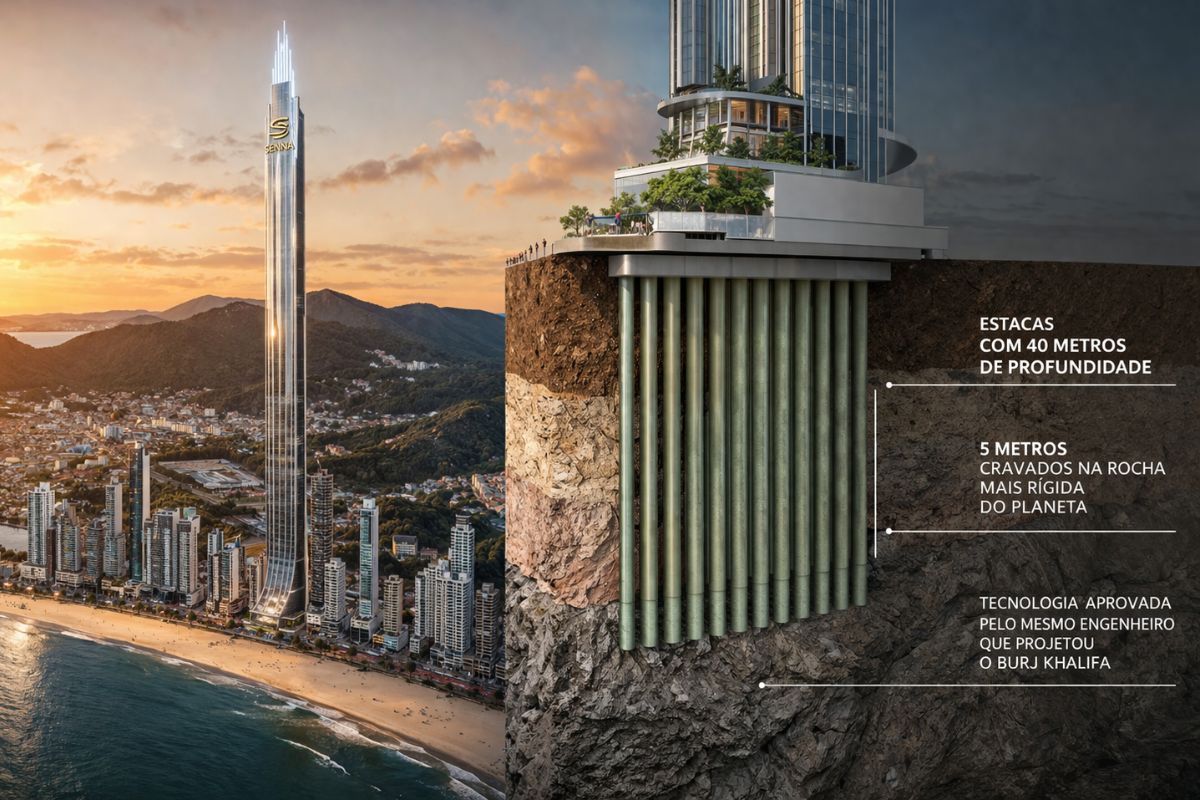
The Senna Tower in Balneário Camboriú is using stakes considered unique in the world that go down 40 meters and are driven 5 meters into the hardest rock on the planet, with technology approved by the same engineer who designed the Burj Khalifa.
-
The drought may be pushing a much larger crisis than just a lack of water; in addition to affecting crops, reservoirs, and cities, it can also help strengthen bacteria that no longer respond well to antibiotics.


A 13.8 Billion Year Tale from the Big Bang to You,” described as a narrative that spans 13.8 billion years, from the Big Bang to the present.
The central point is not to predict a repetition of the human model, but to question which creatures could fill niches associated with humans and become highly influential species after a potential extinction.
In this context, the civilizations mentioned do not necessarily mean cities and institutions identical to human ones, but rather their own forms of organization and ecological dominance.
Why Octopuses Are Candidates to “Inherit the Earth”

The justification presented by the Oxford researcher is based on a package of attributes that, together, would make octopuses strong candidates to thrive after a human extinction: high intelligence, great adaptability, and problem-solving skills, along with a physical dexterity described as unique.
In Coulson’s view, octopuses already demonstrate cognitive abilities considered unusual in the animal kingdom, including tool use, object manipulation, and camouflage.
Together, these capabilities would form a foundation for the species to expand its ecological reach in a post-human world, potentially giving rise to civilizations.
Tools, Camouflage, and Colors as Signals of Intelligence
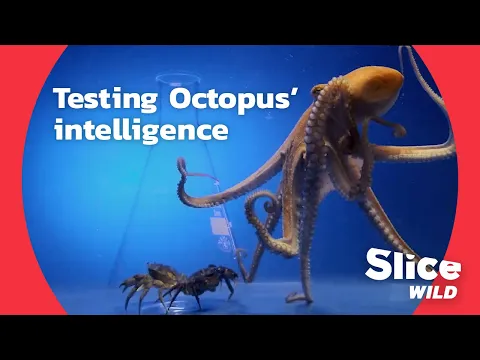

Among the highlighted elements are practical and behavioral resources attributed to octopuses, treated as evidence of intelligence and flexibility: tool use, problem-solving, and the ability to camouflage with impressive precision.
Another point mentioned is communication through “flashes of colors,” described as a way for octopuses to communicate with each other.
In the argument presented, this visual communication, combined with object manipulation and camouflage, reinforces the idea of an ingenious and highly adaptable animal, with the potential to thrive even after a human extinction.
Why the Closest Relatives of Humans Were Left Out of the Bet
The Oxford researcher reports that he briefly considered the hominoids, described as the monkeys known as great apes, anthropoids, and large primates.
However, the reasoning points out that they would likely face extinction alongside humans in a scenario of extinction.
Coulson’s assessment is that, even with the survival of some primates, there would be significant challenges: small population sizes, restriction to certain forest habitats, and slow growth and reproduction rates.
Within this framework, the Oxford researcher shifts the focus to octopuses as the more likely alternative.
Own Civilizations, Without Copying Humans, on the Post-Human Horizon
The concept of civilizations appears as a possibility conditioned by the environment, not as an immediate promise.
The Oxford researcher emphasizes that it is not about creating a civilization similar to humans, but rather versions of their own, shaped by an anatomy and dexterity described as unique.
In practice, the hypothesis suggests that, should the human extinction open up ecological space, octopuses could fill new niches and, supported by intelligence, color communication, and the ability to manipulate the world around them, advance in behavioral complexity over time.
A Debate That Returns to the Present: What Do We Do With Octopuses Today
The scenario projected by the Oxford researcher also pulls the conversation toward present decisions, including human relations with octopuses as food.
The final provocation associated with the theme is direct: if these animals are plausible candidates to thrive after a human extinction, perhaps it is worth reconsidering how they are treated today.
If the discussion is hypothetical, it is built on characteristics attributed to octopuses that already fuel research and public curiosity: intelligence, adaptation, tool use, camouflage, and color communication, all elements that, in the view of the Oxford researcher, could sustain civilizations in a post-human world.
Do you think it is plausible that octopuses could develop civilizations after a extinction, or is this intelligence still insufficient to “inherit the Earth”?





-

-

-

-

-

9 pessoas reagiram a isso.