





 Portuguese
  English
  Spanish
  3 min of reading
  0 comments



New Material Promises to Replace Solar Panels and Charge Everything
A solar panel technology may be on the brink of a significant leap thanks to a new material developed by researchers at the University of Oxford in England. This innovation has the potential to transform the way we generate and use energy, allowing devices such as mobile phones and even electric cars to be charged more efficiently and versatilely.
Solar panels have become one of the main sources of renewable energy worldwide, known for their ability to convert sunlight into electricity in a clean and sustainable way. However, a new material developed by scientists at the University of Oxford may be about to replace this technology, offering an even more efficient and flexible alternative.
Supercell Solar Vs. Solar Panels
This new material is called supercell solar and is primarily composed of perovskite, a rare mineral made of calcium oxide and titanium. The supercell is capable of absorbing sunlight and converting it into electricity in an extremely efficient manner. Unlike conventional solar panels, the supercell is incredibly thin and flexible, allowing it to be applied as an outer layer on a variety of surfaces. This means it can be used in objects as diverse as mobile phone cases, roofs of electric cars, and even building facades.
-
The Sol do Agreste Photovoltaic Complex begins operations in Pernambuco and accelerates the expansion of solar energy in Brazil, directly impacting the reduction of emissions and strengthening the sustainable energy matrix.

-
The Sol do Agreste Photovoltaic Complex begins operations in Pernambuco and accelerates the expansion of solar energy in Brazil, directly impacting the reduction of emissions and strengthening the sustainable energy matrix.

-
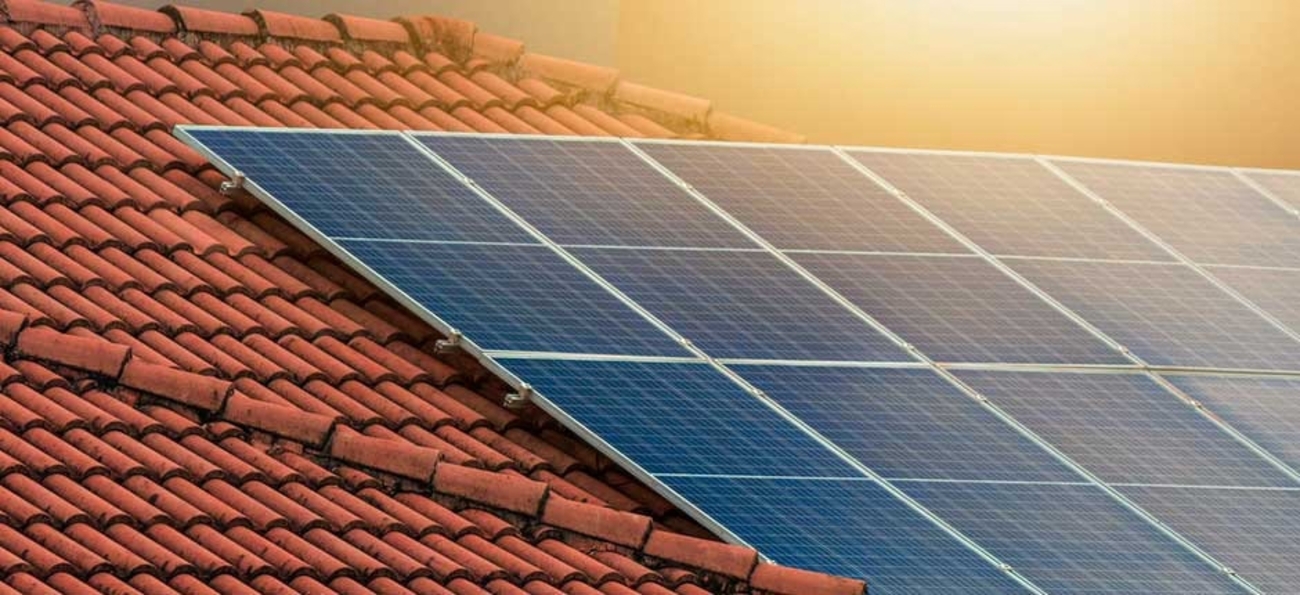
Roraima bets on the sun to escape high tariffs: Amid the energy crisis and price hikes, solar energy is growing in Roraima and transforming consumption in the North region.
-
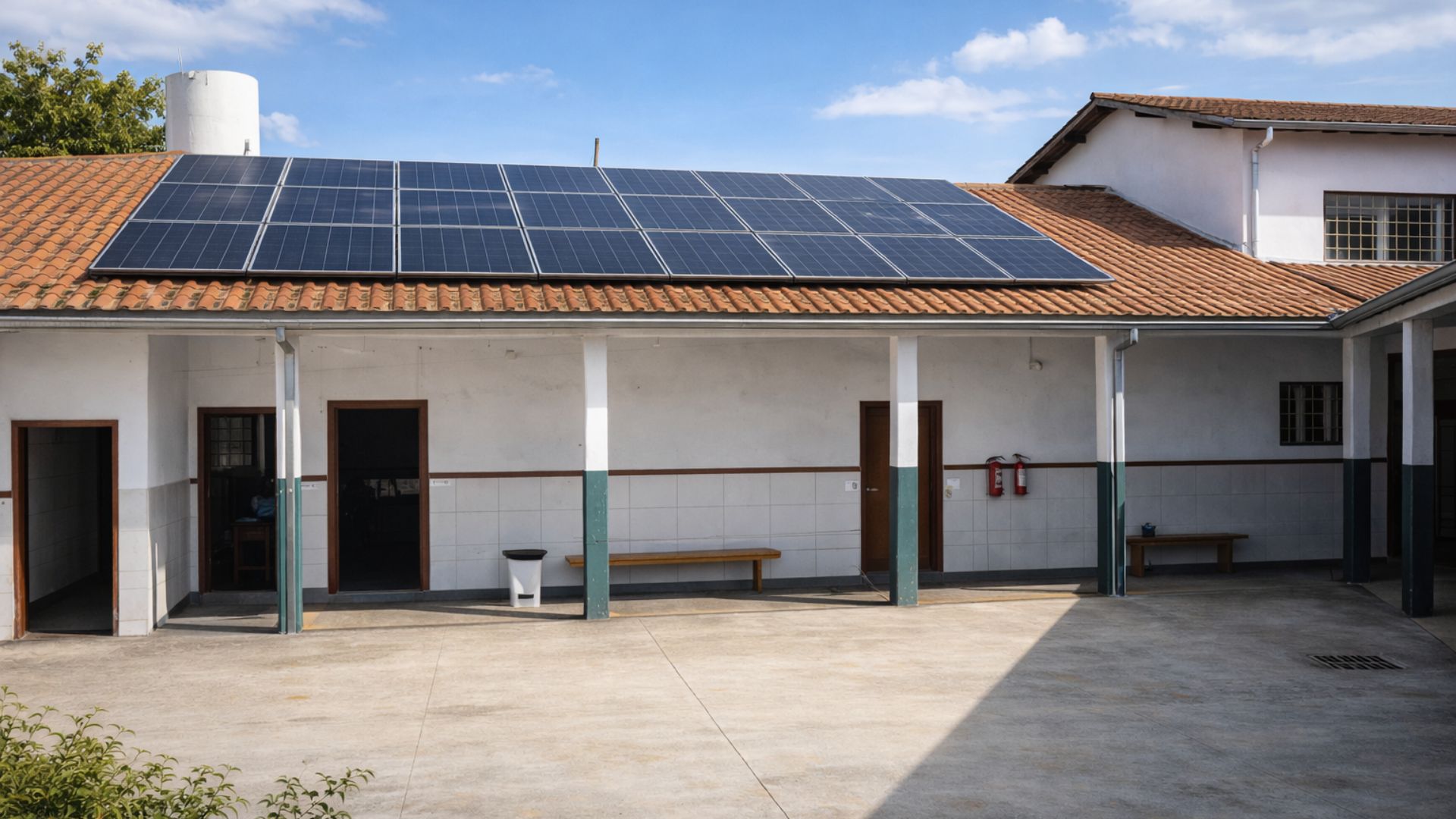
Copel boosts solar energy in Paraná and brings innovation to public schools, promoting savings on electricity bills, energy efficiency, and a direct impact on the quality of education.

Efficiency of 27%
The great advantage of this new material lies in its energy efficiency. While traditional photovoltaic solar panels have an average efficiency of 15% to 20%, the supercell developed in Oxford already achieves an efficiency of 27%. And scientists believe that with further development, this number could reach 45%, more than double the efficiency of current solar panels.
This innovative technology could, in the future, partially replace batteries and solar panels in various electronic devices. For example, the supercell could be used to power mobile phones, being directly integrated into their cases, or to recharge electric cars through cells installed on the roofs of vehicles.
Scientists Are Working to Reduce Production Costs
Despite the significant potential, the supercell solar still needs to undergo more years of laboratory development before it is ready for the market. Scientists are working to reduce production costs and make the new material accessible to the general public. To achieve this, the Oxford team is seeking partnerships with industries interested in manufacturing the component and is also relying on government support to facilitate mass production.
With this discovery, energy generation technology may be on the verge of reaching a new level, offering more efficient and sustainable alternatives for daily use. If this technology materializes, solar panels as we know them today could truly be counting their days.
What do you think about this new technology that promises to replace solar panels? Do you believe that the new material developed by the University of Oxford can really transform the way we generate energy?










Seja o primeiro a reagir!