





 Portuguese
  English
  Spanish
  2 min of reading


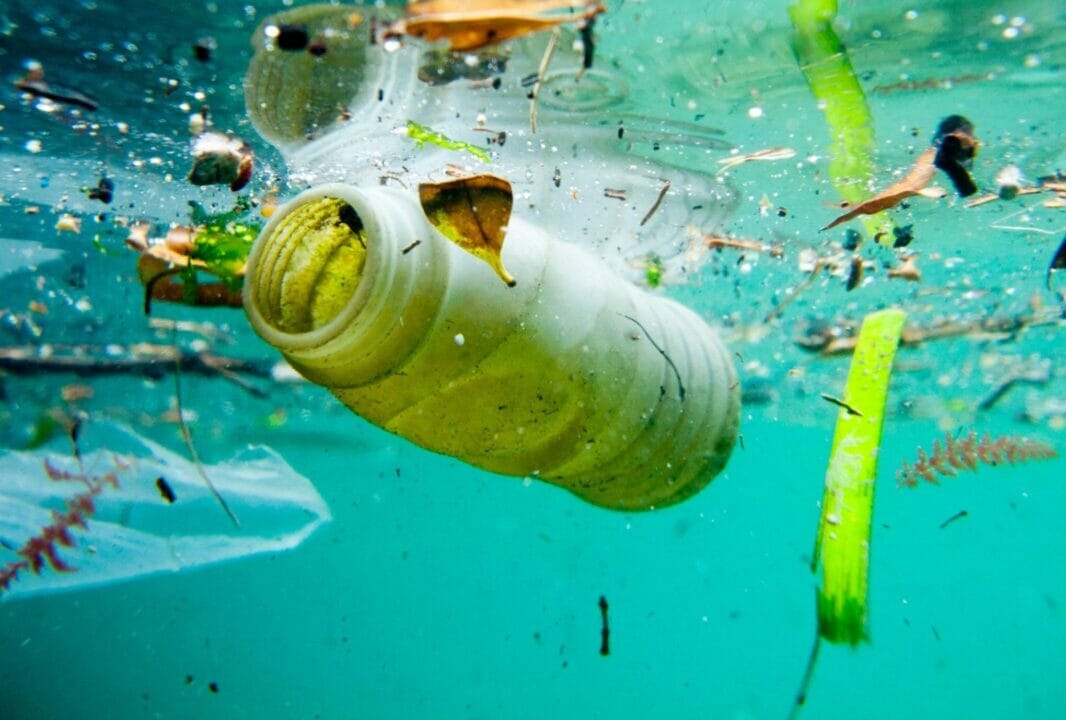
Using Genetically Modified Bacteria, Researchers Manage to Transform Polyethylene into Valuable Products. The Study Highlights the Efficiency of Using Two Strains of Pseudomonas putida in the Degradation of Plastics, Representing a Significant Advance in Recycling.
Plastics, known for their durability and versatility, are a scourge for our planet due to their improper disposal. These materials, when discarded improperly, remain in nature for hundreds of years, releasing harmful microplastics and causing damage to marine life, particularly in the oceans. However, promising news has recently emerged: a group of researchers has developed an innovative solution using genetically modified bacteria to combat this growing environmental problem.
Scientists Develop Innovative Solution for the Problem of Plastics
The groundbreaking study, published in the renowned journal Nature Communications, presents a pioneering approach that utilizes synthetic bacteria to decompose plastic, transforming it into valuable chemicals for the production of adhesives, insulators, and nylon.
The scientists focused their attention on polyethylene, one of the most common types of plastic, and selected two genetically modified strains of the soil bacterium Pseudomonas putida to carry out the recycling process.
-
Motorola launched the Signature with a gold seal from DxOMark, tying with the iPhone 17 Pro in camera performance, Snapdragon 8 Gen 5 that surpassed 3 million in benchmarks, and a zoom that impresses even at night.

-
Satellites reveal beneath the Sahara a giant river buried for thousands of kilometers: study shows that the largest hot desert on the planet was once traversed by a river system comparable to the largest on Earth.

-
Scientists have captured something never seen in space: newly born stars are creating gigantic rings of light a thousand times larger than the distance between the Earth and the Sun, and this changes everything we knew about stellar birth.

-
Geologists find traces of a continent that disappeared 155 million years ago after separating from Australia and reveal that it did not sink, but broke into fragments scattered across Southeast Asia.

Each of these modified bacterial strains played a crucial role in the decomposition of polyethylene, converting it into terephthalic acid and ethylene glycol.
Moreover, surprisingly, these bacteria also generated valuable byproducts, such as the biodegradable polymer PHA and muconate, which, when synthesized, result in polyurethane — an essential substance for the manufacturing of insulators, foams, coatings, and adhesives.
In addition, the research revealed the production of adipic acid, a key component in the production of nylon.
Synthetic Bacteria: Transforming Plastics into Valuable Chemicals
The innovative approach of using genetically modified bacteria to recycle plastics represents a significant advance in this field.
Compared to previous attempts, the use of two different strains of the bacterium Pseudomonas putida proved to be more efficient in degrading both key products.
This signals a major step toward more practical solutions for the plastic problem in the environment.
The researchers are optimistic about applying these methods to other types of plastics, which could revolutionize the recycling industry.
With this innovation, humanity hopes to significantly reduce the growing environmental impacts caused by plastic pollution, bringing relief to nature and marine ecosystems affected by years of plastic accumulation in the environment.
This research represents an important milestone in the search for sustainable solutions to the environmental challenges faced by our modern society.








Seja o primeiro a reagir!