





 Português
  Inglês
  Espanhol
  3 min de leitura


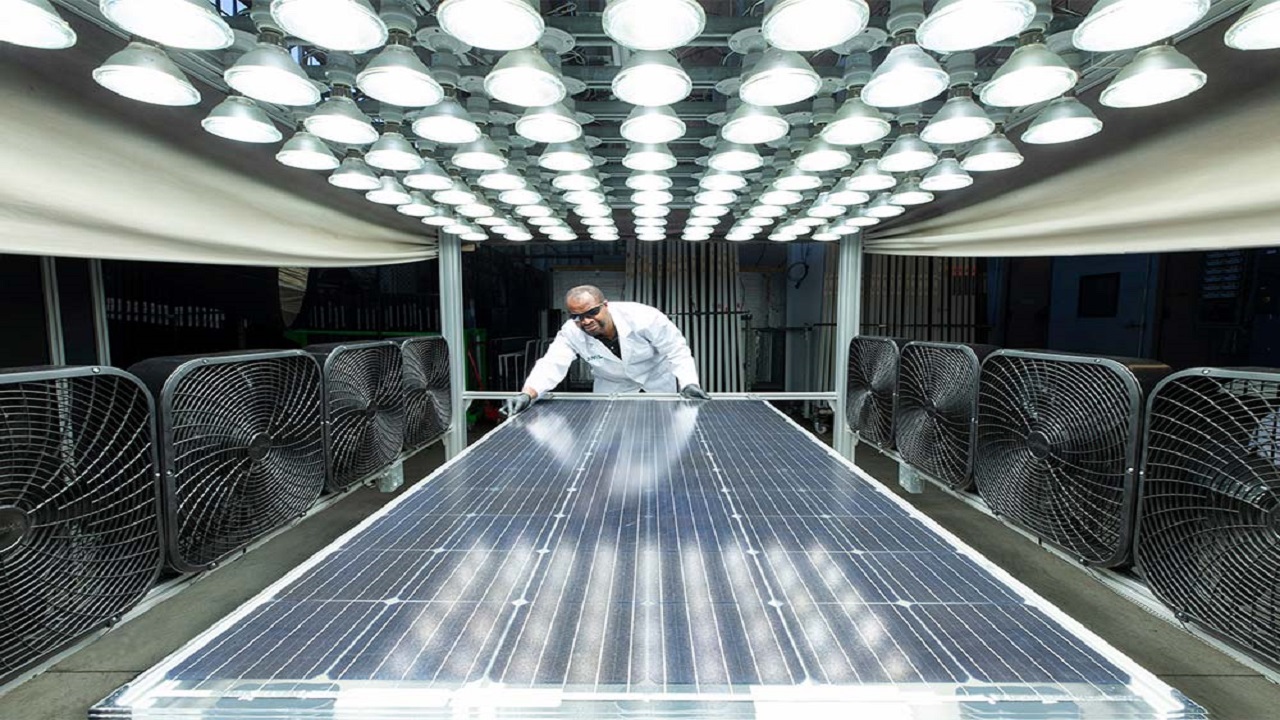
Researchers from Sweden, Italy and England Are Developing a New Solar Energy Technology That Could Serve as a Basis for Producing Cheaper Solar Panels with Less Energy Loss Compared to Silicon Ones
A group of researchers from Uppsala University in Sweden, Newcastle University in England, and Federico II University in Naples, Italy, are working on a new solar energy technology that uses low-cost materials abundant in the Earth’s crust to manufacture solar panels that are more efficient than conventional photovoltaic panels produced from silicon. The group created dynamic dimeric copper complexes using tetradentate ligands, which are substances that bind four donor atoms simultaneously. The new solar panel systems offer a fast charge transport junction in an unprecedented two-electron mechanism.
Read Also
Understand Why Common Photovoltaic Panels Are Less Efficient
According to Marina Freitag, co-author of the study and researcher at Newcastle University, the dynamic dimer system shows a new generation of efficient redox mediators for devices, which can help power solar energy devices with much lower voltage losses, with very low recombination rates and reorganization energies.
Common redox mediators, based on metal coordination complexes, rely on electron transfer through changes in oxidation states within the metal medium. The problem is that this transfer shifts towards oxidation states, resulting in significant energy losses from the solar panels.
-
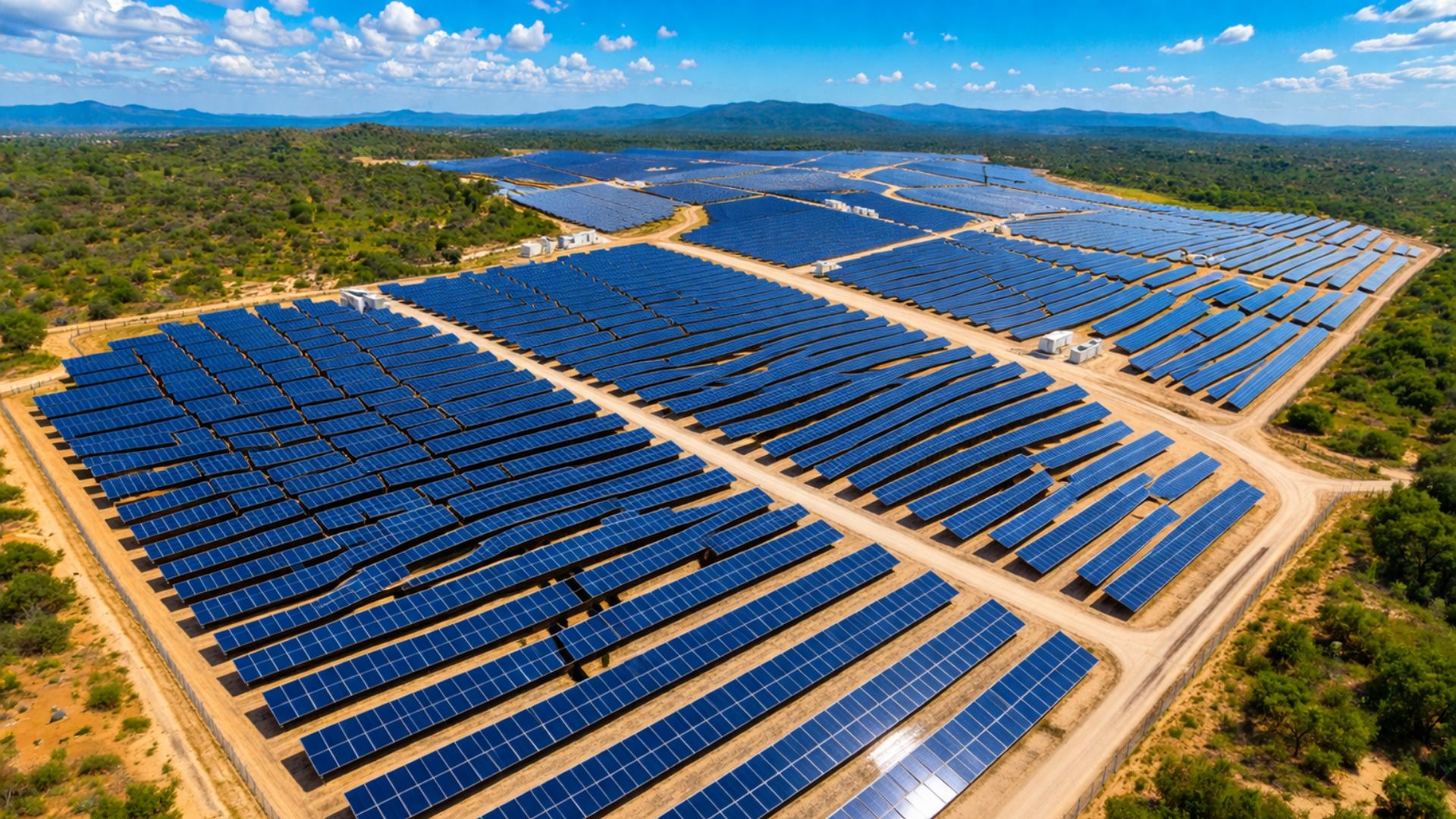
The Sol do Agreste Photovoltaic Complex begins operations in Pernambuco and accelerates the expansion of solar energy in Brazil, directly impacting the reduction of emissions and strengthening the sustainable energy matrix.
-
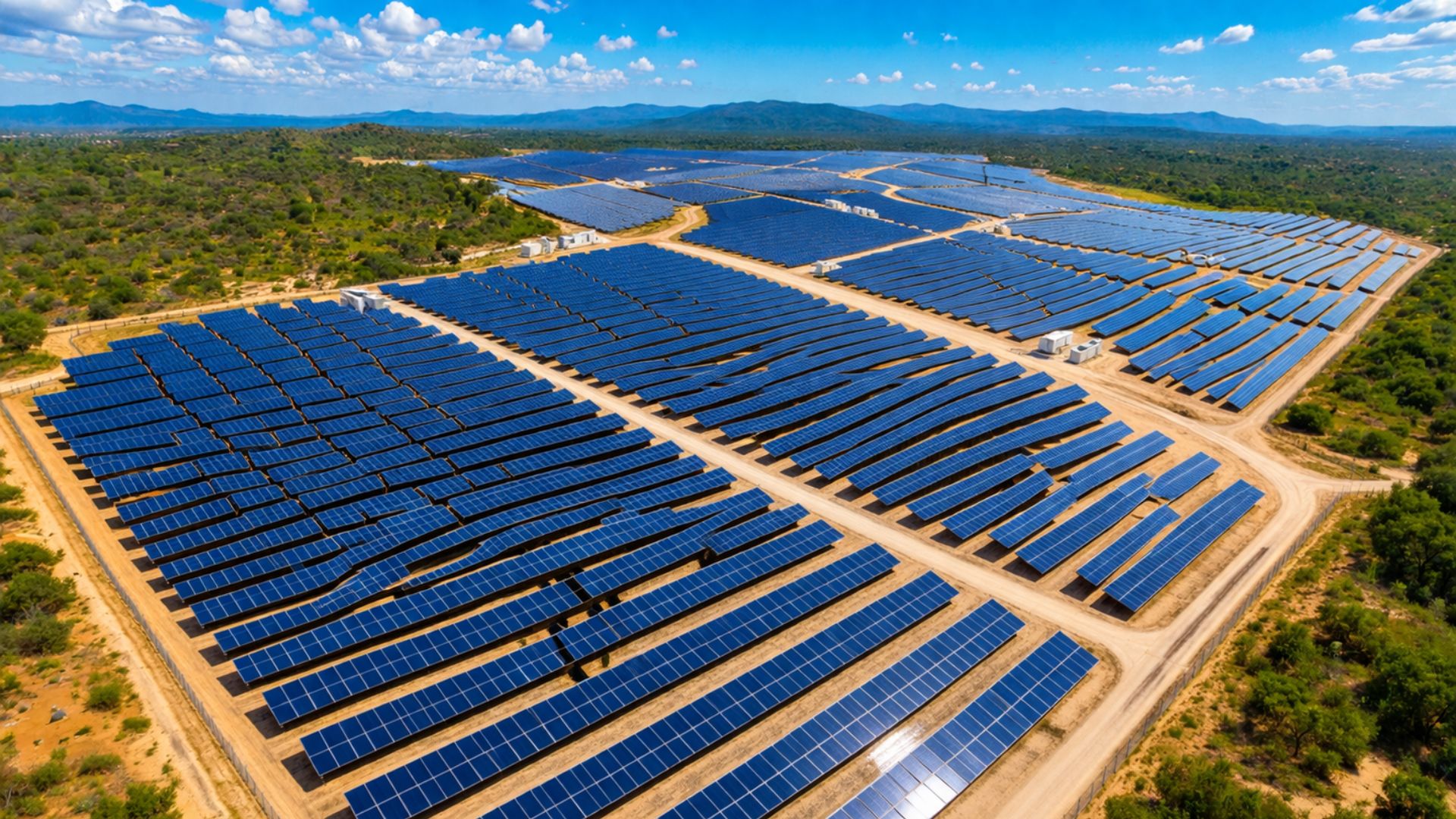
The Sol do Agreste Photovoltaic Complex begins operations in Pernambuco and accelerates the expansion of solar energy in Brazil, directly impacting the reduction of emissions and strengthening the sustainable energy matrix.
-
Renewable energy advances over protected areas in Brazil, and a survey by the Energy Transition Observatory reveals silent impacts that challenge environmental conservation and pressure sensitive traditional territories.

-
Rio Grande do Sul accelerates energy transition: State invests in renewable technologies and consolidates decarbonization strategies and pathways to attract billions in new industrial investments.


New Solar Panel Technology Promises More Autonomy with Lower Costs
In the new approach generated by the researchers, dynamic dimer redox mediators offer a mechanism formed by two electrons, making it possible to manufacture more durable and efficient photovoltaic panels. Density functional theory calculations show that energy losses are very small and rarely exceed 0.27 volts.
According to Freitag, much of the progress that allowed the use of simple, inexpensive materials, which are widely present in the earth, came from the improvement of compounds responsible for solar energy absorption. Charge transfer bottlenecks remain a barrier to the widespread use of solar energy technology; however, it was an essential step to circumvent the situation.
New Photovoltaic Panels Will Help Reduce Costs in Various Regions
Copper, in its metallic form, shows high durability, good malleability, excellent corrosion resistance, and also good ductility. All these characteristics make it an excellent material to be used in alloys that conduct electricity, especially in large-scale systems.
With the new technology of hybrid photovoltaic cells, researchers plan to develop new solar panels that are more sustainable and affordable, which can be utilized in regions facing an energy crisis, where solar energy use is still very expensive and commercially unviable.
According to Ana Belén Munõz-Garcia, co-author of the study and also a professor at Federico II University in Naples, the work that could create new solar panels demonstrates that research is essential, combining theories and experiments, and can provide solid scientific foundations to optimize the use of materials and clean energy interfaces with real-world impact, transforming energy into an accessible and inexpensive element.










Seja o primeiro a reagir!