





 Portuguese
  English
  Spanish
  4 min of reading
  0 comments


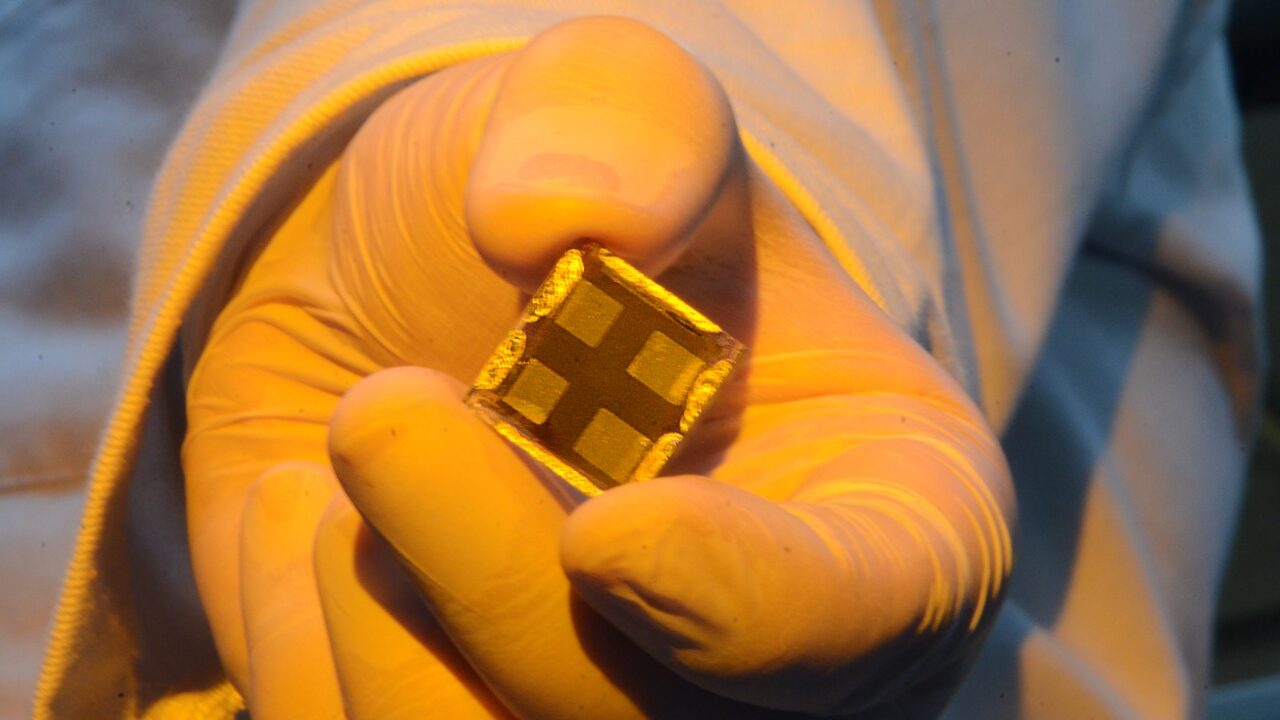
With the Advances Brought by UFABC Research, Perovskite Solar Cells May Soon Become One of the Main Alternatives for Solar Energy Generation, Especially Due to Their High Efficiency and Low Production Costs.
Researchers at the Federal University of ABC (UFABC) conducted an innovative study that may revolutionize the production of perovskite solar cells, increasing their durability and enabling mass production.
This promising photovoltaic technology, which is already highly efficient and cheaper than silicon solar cells, faces a significant challenge: rapid degradation when exposed to moisture and temperature variations.
The study led by Professor André Sarto Polo offers an innovative solution that may help overcome this limitation, bringing benefits for both the industry and the advancement of renewable energies.
-
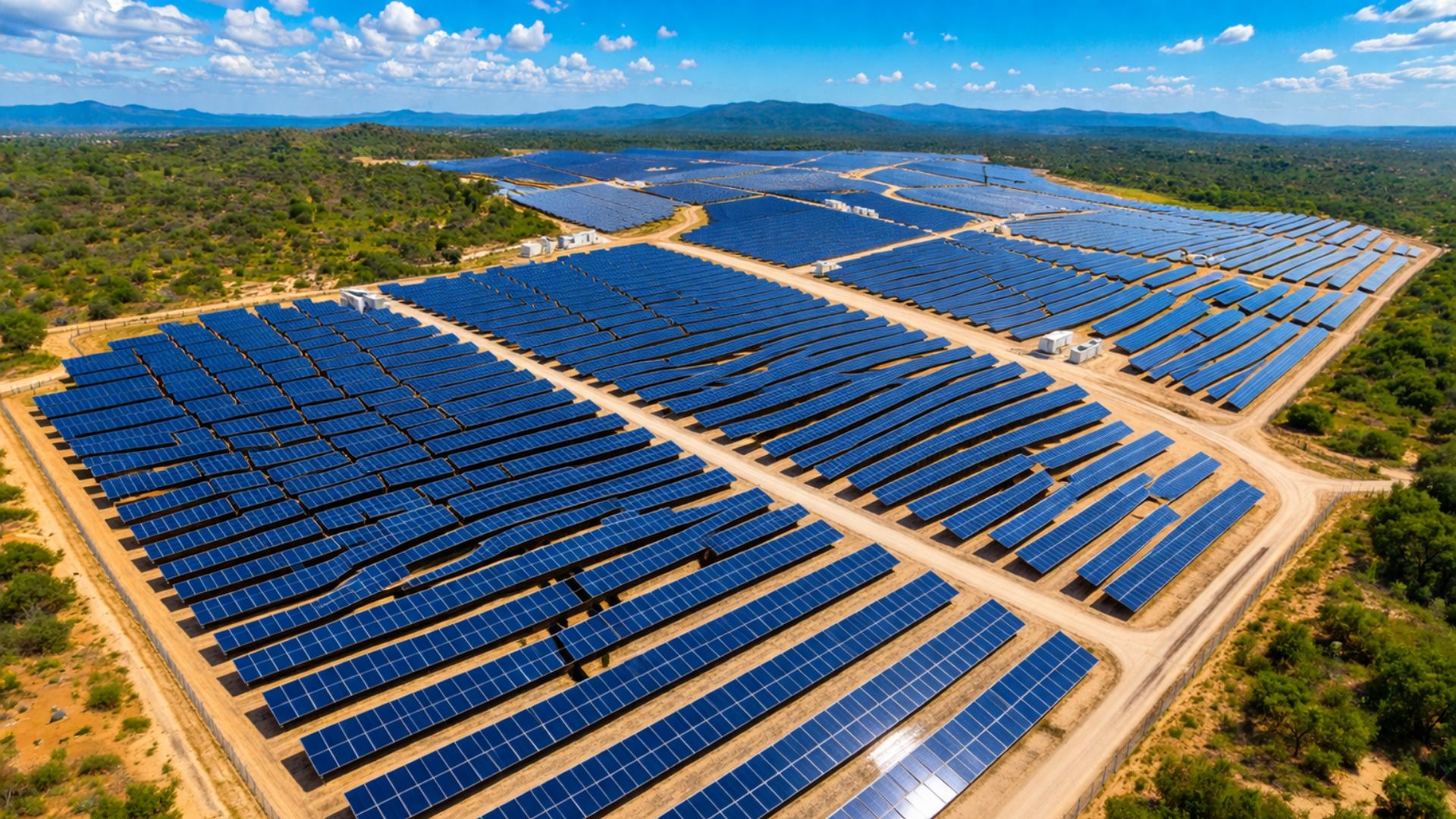
The Sol do Agreste Photovoltaic Complex begins operations in Pernambuco and accelerates the expansion of solar energy in Brazil, directly impacting the reduction of emissions and strengthening the sustainable energy matrix.
-
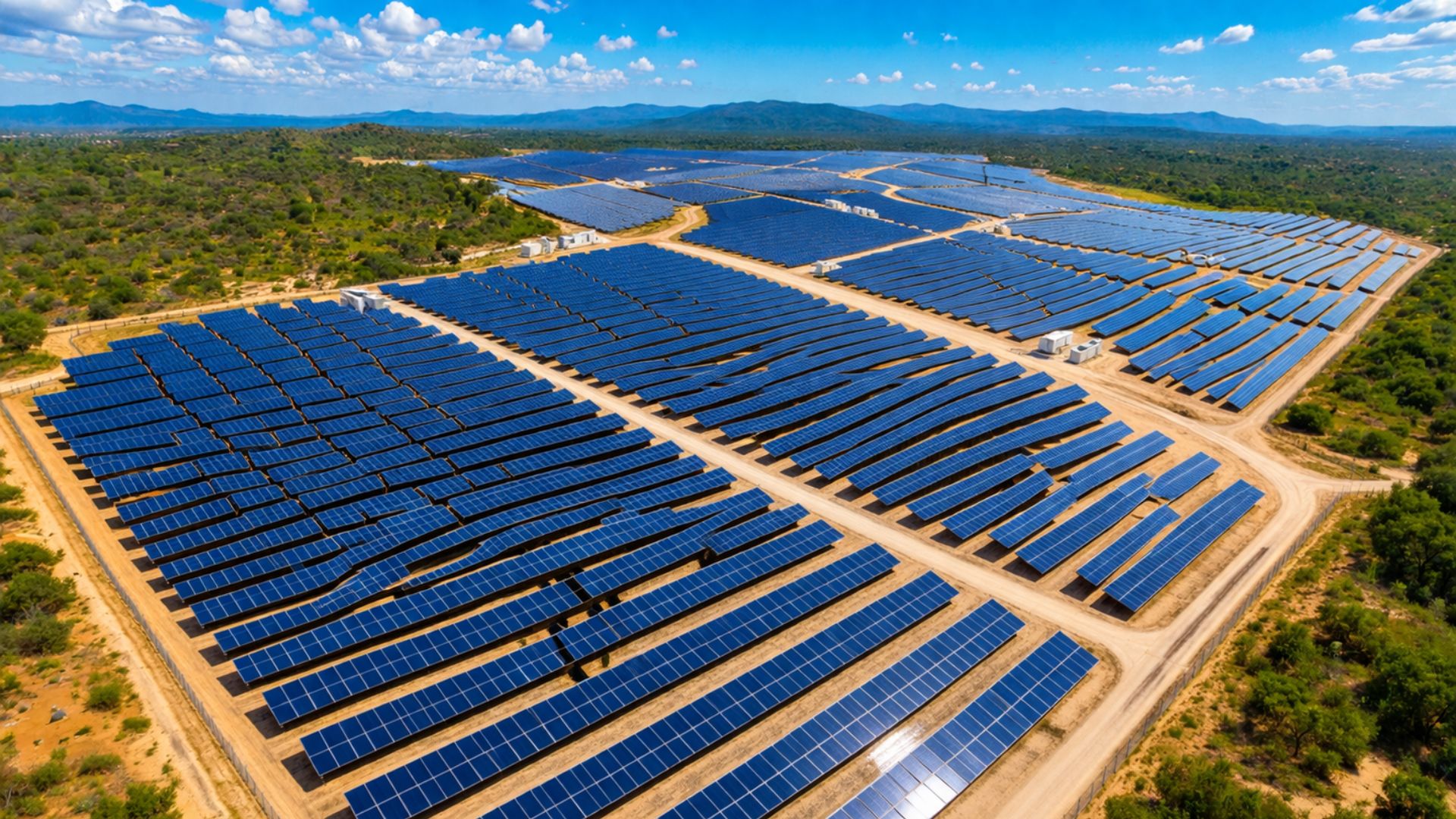
The Sol do Agreste Photovoltaic Complex begins operations in Pernambuco and accelerates the expansion of solar energy in Brazil, directly impacting the reduction of emissions and strengthening the sustainable energy matrix.
-
Roraima bets on the sun to escape high tariffs: Amid the energy crisis and price hikes, solar energy is growing in Roraima and transforming consumption in the North region.
-
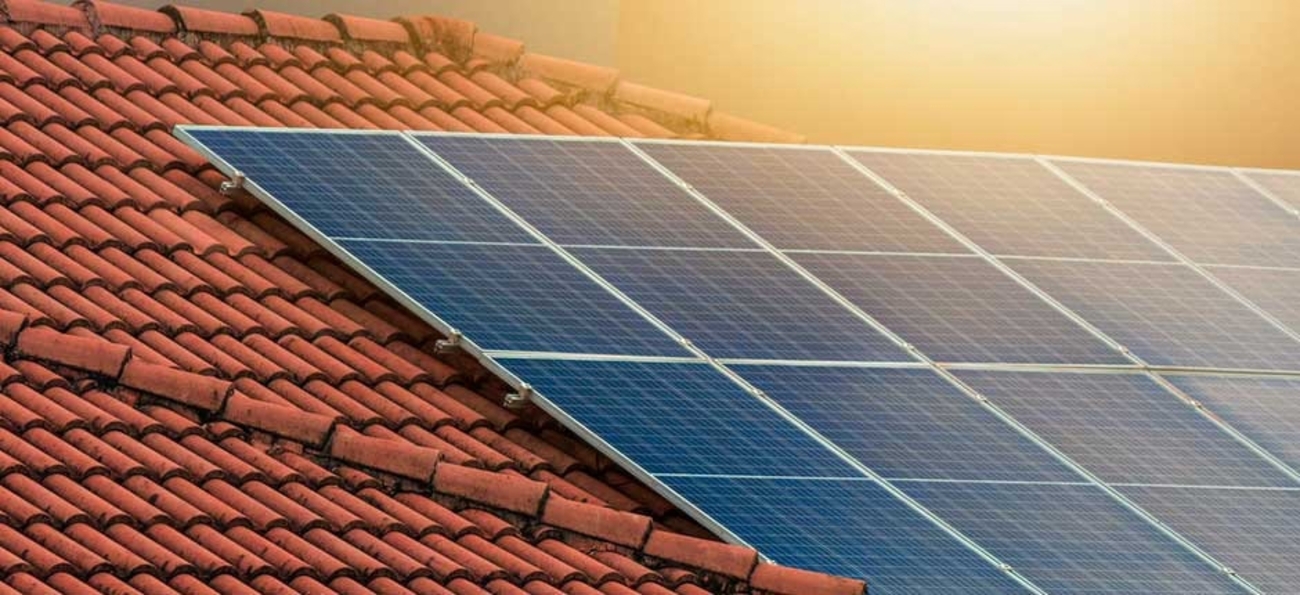
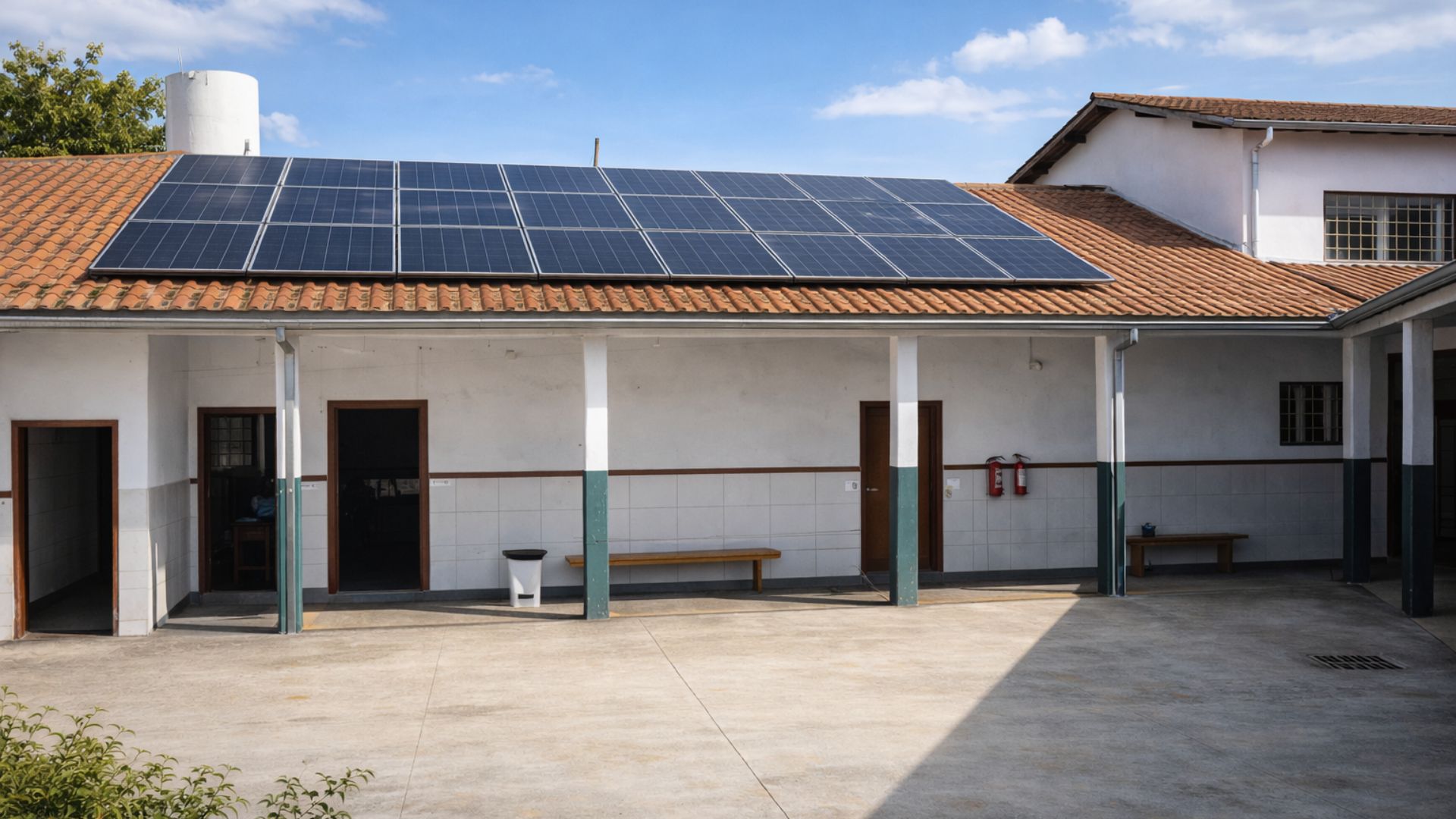
Copel boosts solar energy in Paraná and brings innovation to public schools, promoting savings on electricity bills, energy efficiency, and a direct impact on the quality of education.

The Challenge of Degradation in Perovskite Solar Cells
Perovskite solar cells have gained prominence in the renewable energy field due to their advantages over traditional silicon cells.
They are as efficient as silicon cells but with a significantly lower production cost.
Additionally, perovskite cells have attractive characteristics, such as lightness, flexibility, and even the ability to be semi-transparent.
These properties open up numerous application possibilities, such as solar windows, energy-generating clothing, and even tents that can provide electricity from sunlight.
However, one of the biggest obstacles to the commercialization of these cells is their low durability.
When exposed to moisture and temperature variations, perovskite materials tend to degrade rapidly, harming the efficiency of the solar cells.
This degradation limits the performance of the cells over time, jeopardizing their everyday use.
Use of Formamidinium Cations to Increase Durability
The main innovation brought by UFABC’s research is the use of formamidinium cations (FA+) to improve the stability of perovskite solar cells.
The study demonstrated that adding these cations to the composition of methylammonium-based (MA+) perovskites can significantly increase the durability of the devices.
The solar cells were produced under ambient conditions, without the need for strict controls on temperature and humidity, making the process more accessible and compatible with industrial production requirements.
According to Professor André Sarto Polo, coordinator of the study, “the solar cells in this work were obtained under ambient conditions, without major humidity controls, which may be more compatible with industrial preparation conditions.”
The research was conducted in an environment with relative humidity between 40% and 60%, conditions that more realistically simulate those encountered during large-scale production.
Stability Tests Reveal Promising Results
UFABC researchers subjected the solar cells to stability tests, exposing them to ambient temperature and humidity conditions for 90 days.
The objective was to investigate how the addition of formamidinium would impact the efficiency and durability of the solar cells over time.
The results were quite promising: the cells without the addition of FA+ experienced a significant drop in efficiency shortly after assembly and stopped functioning after 30 days.
On the other hand, cells containing more than 25% of FA+ maintained 80% of their efficiency by the end of the 90 days.
“This work demonstrates how the incorporation of FA+ cations into MA+-based perovskites leads to an increase in the durability of perovskite solar cells manufactured and measured under ambient conditions,” says Polo.
According to the researcher, the increase in the size of the grains forming the crystal structure of the perovskite results in a decrease in the extent of the edges.
Since the edges are critical points where moisture tends to accumulate, this modification helps reduce material degradation and prolongs the lifespan of the solar cells.
Implications for the Industry
This advancement not only offers a solution to improve the durability of perovskite solar cells but also opens up new possibilities for their mass production.
The ability to manufacture these solar cells under simpler conditions and with reduced costs may make solar energy more accessible, accelerating its adoption in various applications.
Furthermore, the possibility of using formamidinium cations in the manufacturing process may make the production of these cells more sustainable, with a lower environmental impact.
The research was conducted during Lucas Polimante’s doctoral studies and received support from FAPESP, Shell, CNPq, Capes, and the National Agency of Petroleum, Natural Gas and Biofuels (ANP).
The study was published in the article Enhancing the Stability of Methylammonium-Based Perovskite Solar Cells Prepared in Ambient Conditions by Adding Formamidinium Cations, available in the journal Solar Energy Materials and Solar Cells.
For more details on the study, the full article is available at: ScienceDirect.









Seja o primeiro a reagir!