





 English
  Francês
  Alemão
  Italiano
  Japonês
  Norueguês
  Portuguese
  Spanish
  5 min of reading


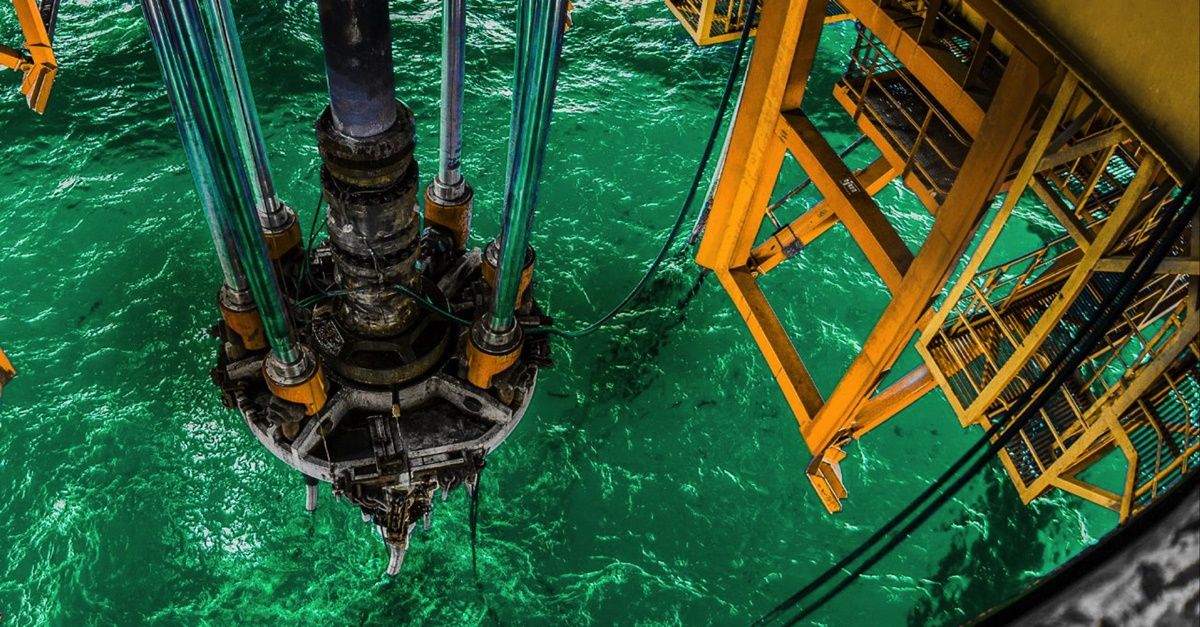
According to the announcement made by Petrobras, the deadline for submitting proposals will begin on September 25
Petrobras launches announcement (7003222300) on the Petronec website to hire up to 566.4 km of flexible pipelines. The bidding is divided into two lots and has a gross budget of over 6 billion reais. Comperj: Petrobras opened bidding for Construction, Electromechanical Assembly, Interconnections, Commissioning, and Testing Works
Read Other News About Petrobras and the Oil Sector
- Oil Companies Halliburton and Baker Hughes Were the Only Companies to Submit Proposals in a Petrobras Bid to Hire Well Stimulation Services
- Immediate Hiring: Specialized Company in Naval Repair and Maintenance Recruits Candidates with Basic Education in Macaé for Helper, Welder, and Boiler Maker Positions
- No Matter Your Engineering Background, Halliburton Recruitment and Selection in Macaé for Offshore Positions on This Day, September 8
According to the announcement made by Petrobras, the deadline for submitting proposals will begin on the 25th of this month, and the opening of the envelopes will take place on October 2.
The first lot provides for the supply of up to 340 km of flexible pipelines, with a gross budget of R$ 4.047 billion. The second lot of the bidding opened by the state company contains 226.4 km of lines, with a gross budget of R$ 2.775 billion.
-
Brazilian giant expands borders in the Southeast: Petrobras confirms new oil discovery in ultra-deep waters in the pre-salt of the Campos Basin.

-
Alert in the global energy market: Severe tropical cyclone hits the coast and disrupts gas production at major plants in Australia, threatening global supply.

-
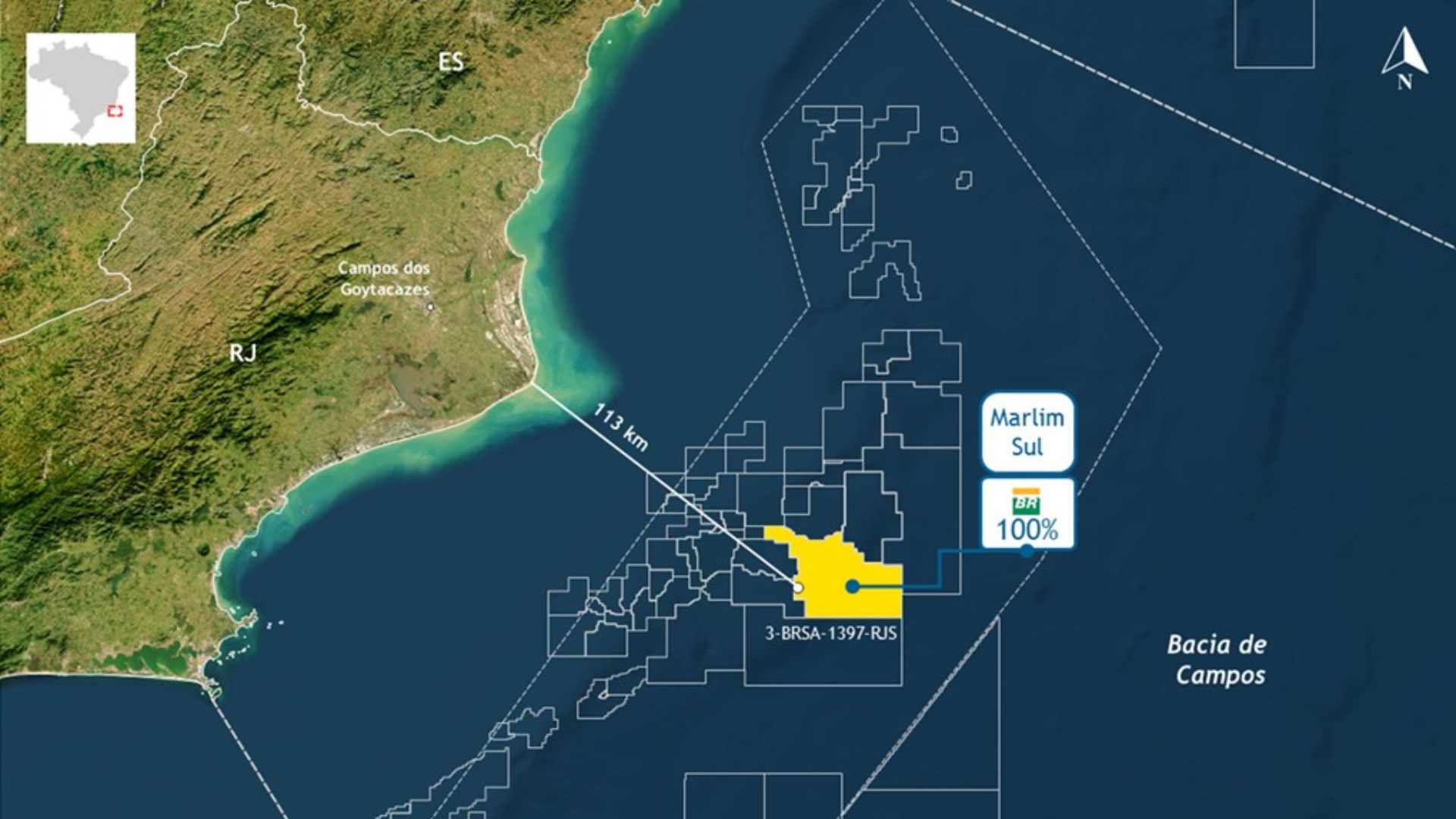
Petrobras finds high-quality oil in the pre-salt at 113 km from RJ and reignites expectations about strategic reserves in the Campos Basin.

-
Ocyan opens registrations for startups focused on innovation in the oil and gas sector and will select projects for Innovation Day with the support of Nexio.

The scope of the service also includes the supply of accessories and freight, rental of reels, storage and loading services for flexible pipelines, and technical support, installation, and assembly services.
Interested parties can check the announcement and all the supplementary documentation for the bidding (7003222300) directly on the Petronec website.
The Decision on the Use of Rigid or Flexible Pipelines for Oil or Gas Transport in Submarine Environments Depends on Several Factors That May Even Render One of These Alternatives Unfeasible.
Some of these technical factors may facilitate the decision, such as: type of product to be transported, presence of corrosive gases (H2S, CO2), depth, distance between the wells and the floating unit, stability of the production unit, diameter and total length of the pipeline, etc.
Others may be considered opportunistic, influencing the final decision not for a technical reason, but due to a market situation, such as: need for early production system implementation, possibility of modifying the pipeline layout to accommodate changes in the well location, long-term agreements (frame agreements), availability of vessel for installation, etc.
This competition between concepts became unfair in Brazil, starting from Petrobras’ decision to encourage the increase of local production capacity of flexible lines and the long-term hiring of special launch vessels (PLSV). As a result, Brazil became the largest producer of flexible lines in the world, with four large manufacturing plants, and Petrobras being the largest charterer of special vessels of the PLSV type.
This unique combination of supply contracts and chartering of PLSVs has ensured that flexible pipelines have a dominant position in the Brazilian market, which is difficult to be challenged by other solutions. Besides this “economic” factor, we also have the atypical situation of a lack of technicians or engineers with experience in rigid pipelines, further complicating the promotion of this solution in the market. In turn, Petrobras’ team with this expertise is concentrated at Cenpes.
Although, in a simple analysis of the price per linear meter of each product, there is a substantial difference in favor of the rigid pipeline, Petrobras’ use of the flexible solution in most of its projects has proved to be a success, both economically and in terms of reducing the timeframe between discovery and production start of a specific field.
Considering the challenges outlined above and in order to meet the requirements of its partners for confirmation of the real economic viability of flexible pipelines, Petrobras decided to launch a new competition for the supply and installation of risers for the Mero field (formerly Libra 1), allowing the application of either of the two concepts.
However, in order to ensure a fair bidding process, it is necessary to establish some clear criteria for comparison. Below, we list some points to be considered.
The use of rigid pipe with internal insulation made of inert material guarantees a lifespan for the riser equal to or greater than the lifespan projected for the field, with no risk of rupture and consequent production shutdown or even potential environmental damage, a condition that is not guaranteed for the flexible solution. This factor should be taken into account when making the final decision, and it must be clear in the documentation what criterion will be adopted for this evaluation.
For the solution using flexible pipes, the use of launch vessels chartered by Petrobras and still under contract should not be allowed. This action will level the proposals of each concept concerning the cost of mobilizing the launch assets.
For both concepts, identical conditions of reward or penalty should be created regarding the deadline, both for the mobilization of installation assets by the contractor and for the availability of the FPSO by Petrobras to start work.
The development of offshore fields in ultra-deep waters (> 3,000 m) will require the use of rigid pipelines. The market needs to adapt to this new reality, reducing the competitive barriers currently existing, and creating an industrial park capable of meeting this demand in an economical way. Actions such as the creation of local bases for manufacturing long stretches of rigid pipelines, availability of assets for pipeline installation, and utilization of new FPSO concepts with greater stability are long-term actions that will allow a fairer competition between the two concepts.
Finally, there is no single answer to the initial question of this article. The final solution to be used depends exclusively on the market and will certainly be the most advantageous for both the operator and the supplying companies. This is what we all hope for!
Américo Oliveira is a consultant with extensive experience in subsea project management and is a strategist and developer of new business.
by- brasilenergia – Marcus Tadeu Rodrigues de Paula, petroleum engineer with over 25 years of service to Petrobras, having managed several underwater installation projects






Seja o primeiro a reagir!