





 Portuguese
  English
  Spanish
 3 min of reading


Seeking to Reduce the Time for Feasibility Studies of Projects and Ensure More Safety for Enterprises in the Oil and Gas Sector, Petrobras Began Assembling Its Supercomputer Pegasus, Which Will Perform More Efficient Geological Data Processing.
Petrobras continues to invest in technology and professional training and, this Monday (07/18), has begun assembling its new supercomputer, Pegasus. The new equipment will also be the largest in the company regarding information processing and will primarily focus on geological data for the development of oil and gas projects, ensuring more efficiency, safety, and speed in the initial phases.
Supercomputer Pegasus Will Be Petrobras’ Largest for Processing Geological Data for Project Development in the Oil and Gas Sector
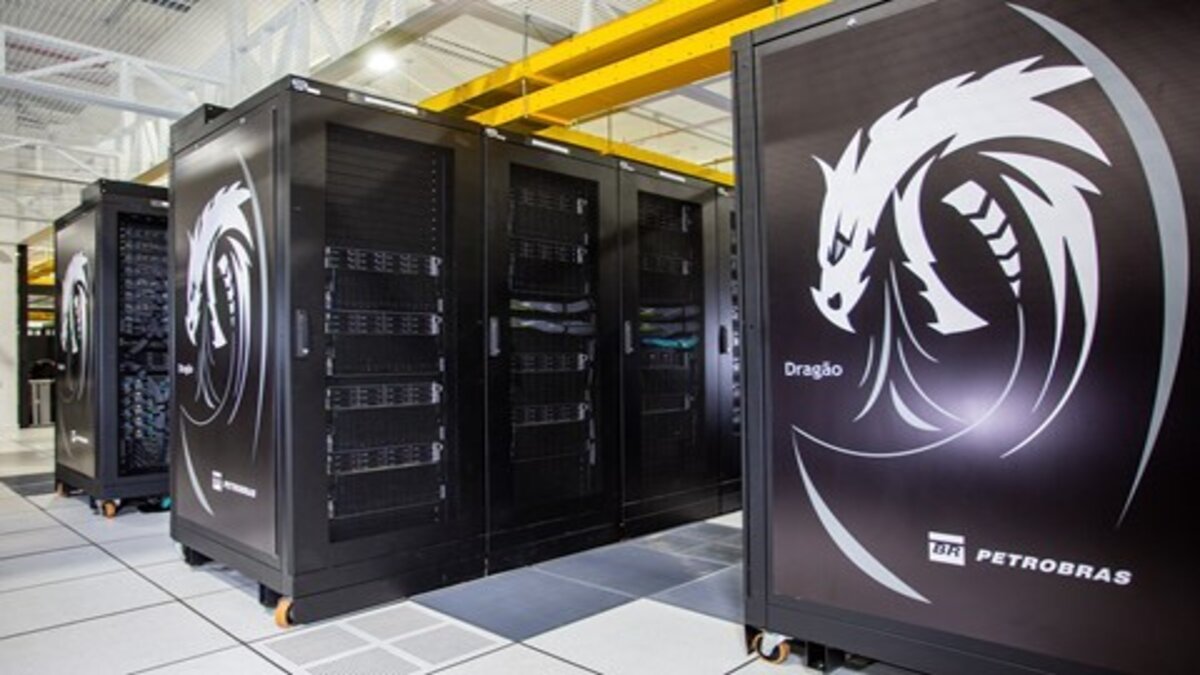
Petrobras announced this week the start of the assembly processes for its newest technological equipment, the supercomputer Pegasus, which will operate in processing geological data in oil and gas sector projects. The company is making a significant investment in this new equipment, and the supercomputer will be more powerful than the other two state-owned units, Dragon and Atlas, which are currently considered the most powerful in all of Latin America.
The Pegasus will have a total data processing capacity equivalent to the sum of six million mobile phones or 150,000 modern laptops and will be used for processing the most advanced techniques regarding geological and geophysical data in the oil and gas sector.
-
Petrobras evaluates suspension of sales to distributors and considers canceling the cooking gas auction following guidelines from the Federal Government.
-
Lula reveals a masterstroke by Petrobras to undo a deal made by Bolsonaro, which involves the return of an important refinery that currently produces less than half of what was expected and makes Brazil dependent on international diesel.
-
A study confirms that the natural gas sector will reduce greenhouse gas emissions in Brazil by 0.5% and accelerate the energy transition by 2026.

-
Petrobras implements a severe adjustment and confirms a 55% increase in the price of aviation kerosene with a proposal for installment payments for the companies.


Thus, the company will be able to reduce geological and geophysical risks in the initial stages of developing new projects in this segment, a common issue in the oil sector, since uncertainty regarding this data remains a major challenge for companies.
Moreover, the processing of geological data by the Pegasus supercomputer will also help reduce the waiting time between the start of resource reserve discovery and the initial production phase in the fields.
This way, the Brazilian state-owned company will be able to advance more rapidly with its oil and natural gas exploration projects in the country and intends to begin the supercomputer’s full operation during December of this year, to take advantage of Pegasus’ capabilities in exploration campaigns.
Increased Capacity for Processing Geological Data with the Pegasus Supercomputer Will Bring a New Direction for the State-Owned Company in the Oil and Gas Sector
Upon reaching its maximum capacity, the Pegasus supercomputer will increase the current processing capacity of the company from 42 to 63 Petaflops. This is a highly relevant potential in adopting digital technology practices and allows Petrobras to become more resilient to changes in business scenarios, ensuring more efficiency in project development in the oil and gas sector.
For comparison regarding the processing capacity of the Pegasus supercomputer in relation to the company’s other two units, Pegasus has a processing capacity of 21 Petaflops, almost the sum of Dragon (14 Petaflops) and Atlas (8.9 Petaflops) combined. In addition, the equipment has other impressive specifications, such as 678 terabytes of RAM and a 400 gbps network, along with 2016 GPUs.
Thus, Petrobras emphasized the importance of increasing geological data processing for the sector and stated: “Enhancing data processing capacity allows Petrobras to generate increasingly clear images of the subsurface of mapped areas for oil and natural gas exploration, and to reduce the processing time of this information. This helps to optimize production, increase the recovery factor of current reserves, and maximize the efficiency of the company’s exploratory projects.”










Seja o primeiro a reagir!