





 Portuguese
  English
  Spanish
  3 min of reading


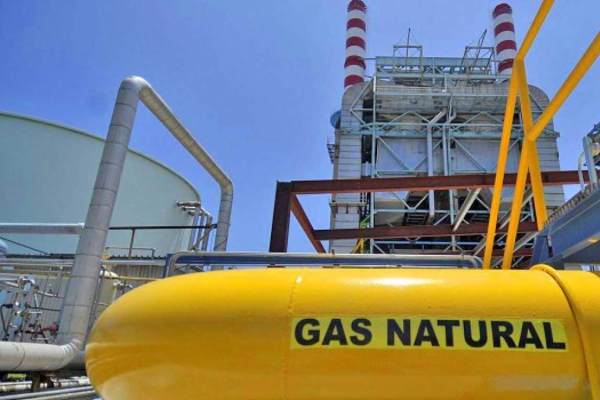
Petrobras Says Increase in Natural Gas Is Due to Contractual Formulas Linking Price to Oil Prices and Exchange Rates
Petrobras announced last Tuesday that, according to the contracts in force, it will adjust the selling prices of natural gas to distributors starting 08/01/2021. The variance arises from the application of the formulas negotiated in the supply contracts, which link the price to oil prices and exchange rates. Contract price updates are quarterly. See also: Alerj Will Work with Petrobras and IBP to Attract New Investments in the Oil and Gas Sector in Rio de Janeiro
- Semiconductor Chip Shortage is Halting Factories in the Brazilian Automotive Market
- Shell Brazil Starts Using Artificial Intelligence to Increase Safety for Its Onshore and Offshore Workers
- Gasoline Price Surges 25.48% in the First Half; Fuel Completes 13 Consecutive Months of Increases and It Justifies Switching to Ethanol
- Construction of the Oil Storage Park at the Port of Açu in Rio de Janeiro is Scheduled for Next Year. 2,000 Jobs May Be Opened
- Alerj Will Work with Petrobras and IBP to Attract New Investments in the Oil and Gas Sector in Rio de Janeiro
The Increase in Natural Gas
Petrobras states that the reference for these adjustments on natural gas is the prices from April, May, and June. During this period, oil prices increased by 13%, following the upward trend of global commodities; and the Real appreciated approximately 4% against the Dollar, consequently, the adjustment will be 7% in R$/m³.
Petrobras clarifies that the final price of natural gas to consumers is not determined solely by the company’s selling price, but also by the margins of the distributors (and, in the case of CNG, the resale stations) and by federal and state taxes. Moreover, the tariff approval process is conducted by state regulatory agencies, following specific legislation and regulation.
-
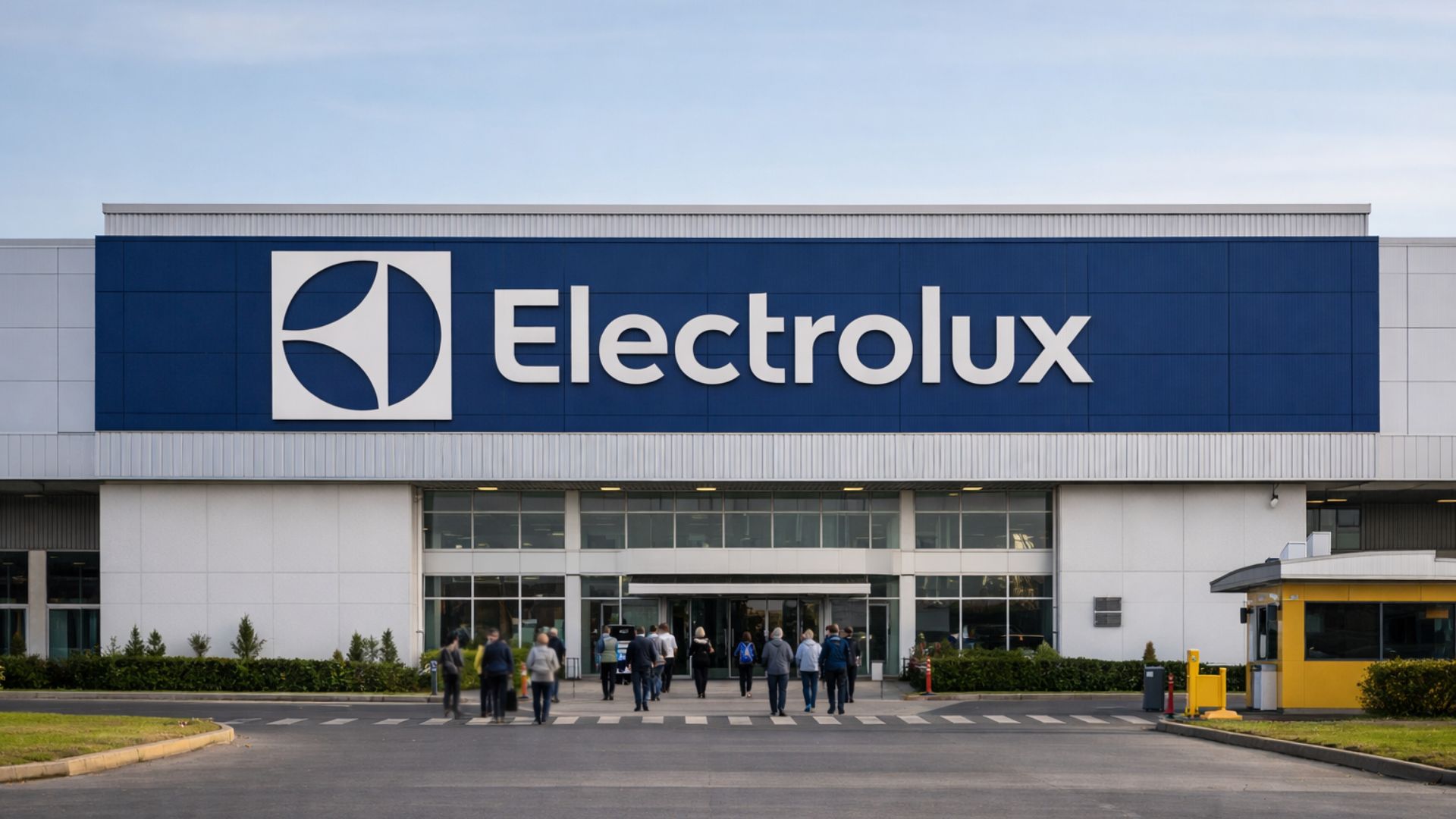
Electrolux surprises, closes colossal factory and lays off 400 people in a mass dismissal that will have a direct effect later this year, following a cost review, with an impact of R$ 272.5 million and R$ 109 million in cash in Chile.
-
The Lula government is pursuing re-election and is therefore preparing a package with discounts of up to 80% on debts, subsidies for diesel, gas for 15 million, and energy, after reaching 51% disapproval six months before the election.

-
The chamber approves a project that transforms plots of up to 2,000 square meters into official rural properties, allowing thousands of small producers who were invisible to the government to now access credit, tax exemptions, and technical assistance.

-
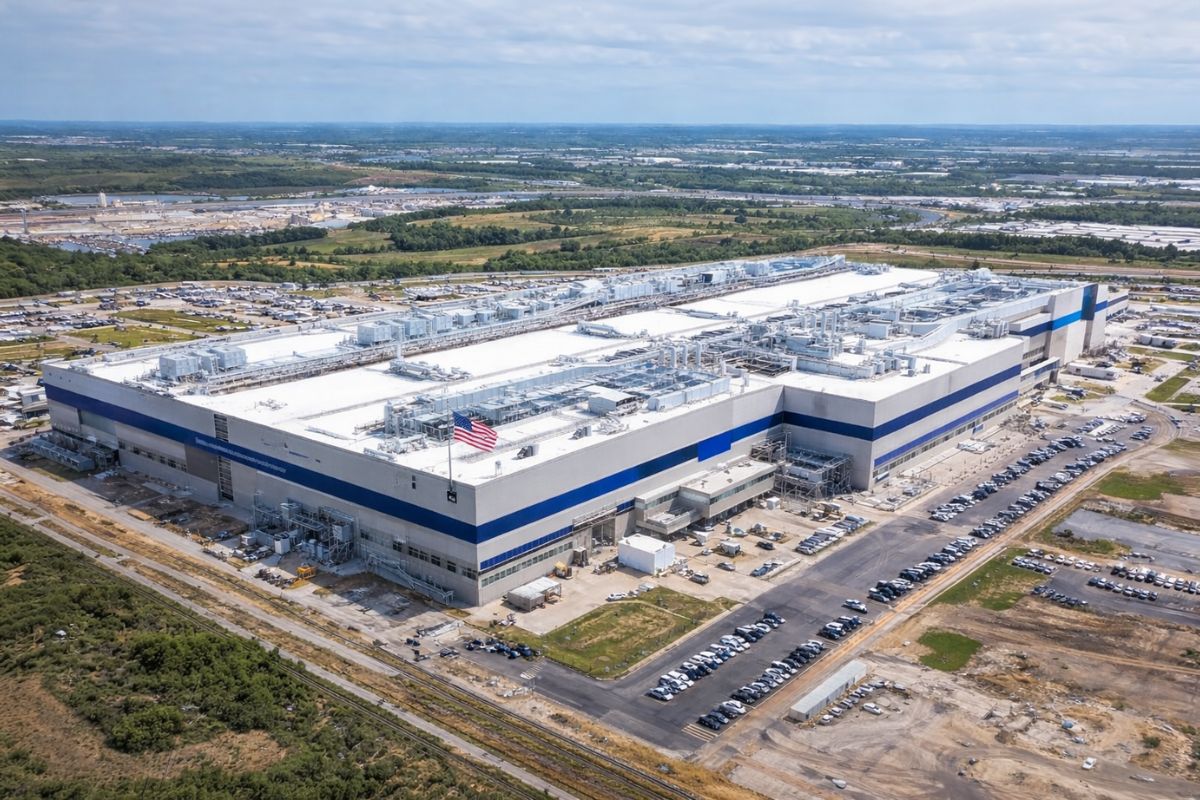
Factory 52, in the USA, cost over $5 billion, covers 270,000 square meters, and manufactures cutting-edge chips: it was named Project of the Year by the world’s largest engineering magazine, marking the global race for semiconductors.
In Addition to Natural Gas, Petrobras Further Increases Fuel Prices
Even with the price of gasoline, diesel, and cooking gas skyrocketing, the Brazilian oil company Petrobras decided to increase, starting this Tuesday (6), diesel prices by 10.2 cents, which will now cost R$ 2.81, representing an average increase of 3.8% per liter. The price of the most used fuel in the country had been frozen since May 1st, for 66 days.
The gasoline delivered to distributors and cooking gas (GLP) also experienced increases, further impacting the pockets of domestic consumers. Since 2019, there has been no more price differentiation for GLP.
Read More: Santos Basin – Petrobras Platform P-76 Becomes the Second to Export Natural Gas from the Búzios Field to the Continent
In a market announcement last Wednesday (07/07), Petrobras informed that P-76 became, in June, the second platform from the Búzios field in the pre-salt Santos Basin to export natural gas to the continent. The operation was made possible after the interconnection of the platform to the gas pipeline known as Rota 2, which transports the production to the Cabiúnas Terminal.
The possibility for Petrobras to export natural gas from the Búzios field in the Santos Basin contributes to optimizing the potential of the fields, providing flexibility for better reservoir management and increasing value generation.
Currently, the natural gas produced in the Santos Basin is transported via routes 1 and 2, which together have a flow capacity of 26 to 30 million m³ per day. Route 3, from Petrobras, still in the implementation phase, will allow the flow of more than 18 million m³/d of gas to the onshore gas processing units.








Seja o primeiro a reagir!