





 Portuguese
  English
  Spanish
  5 min of reading



The approval of an agreement between Petrobras and BP in the solar energy field represents a relevant milestone in the recent history of the Brazilian energy sector. According to sources interviewed by Reuters, the operation signals the first structured deal of the Brazilian state-owned company in the renewable energy segment, something that, until a few years ago, seemed distant from the company’s strategy.
Over decades, Petrobras has built its identity linked to the exploration of oil, natural gas, and refining. However, as the world began to discuss energy transition more intensely, the company also started to reassess its role in an increasingly decarbonized, diversified energy matrix, and advancing solar energy as a clean, predictable, and scalable source.
This movement does not emerge in isolation. On the contrary, it directly engages with a historical transformation in the global energy sector, marked by environmental pressures, international agreements, and changes in the behavior of governments, companies, and consumers.
-
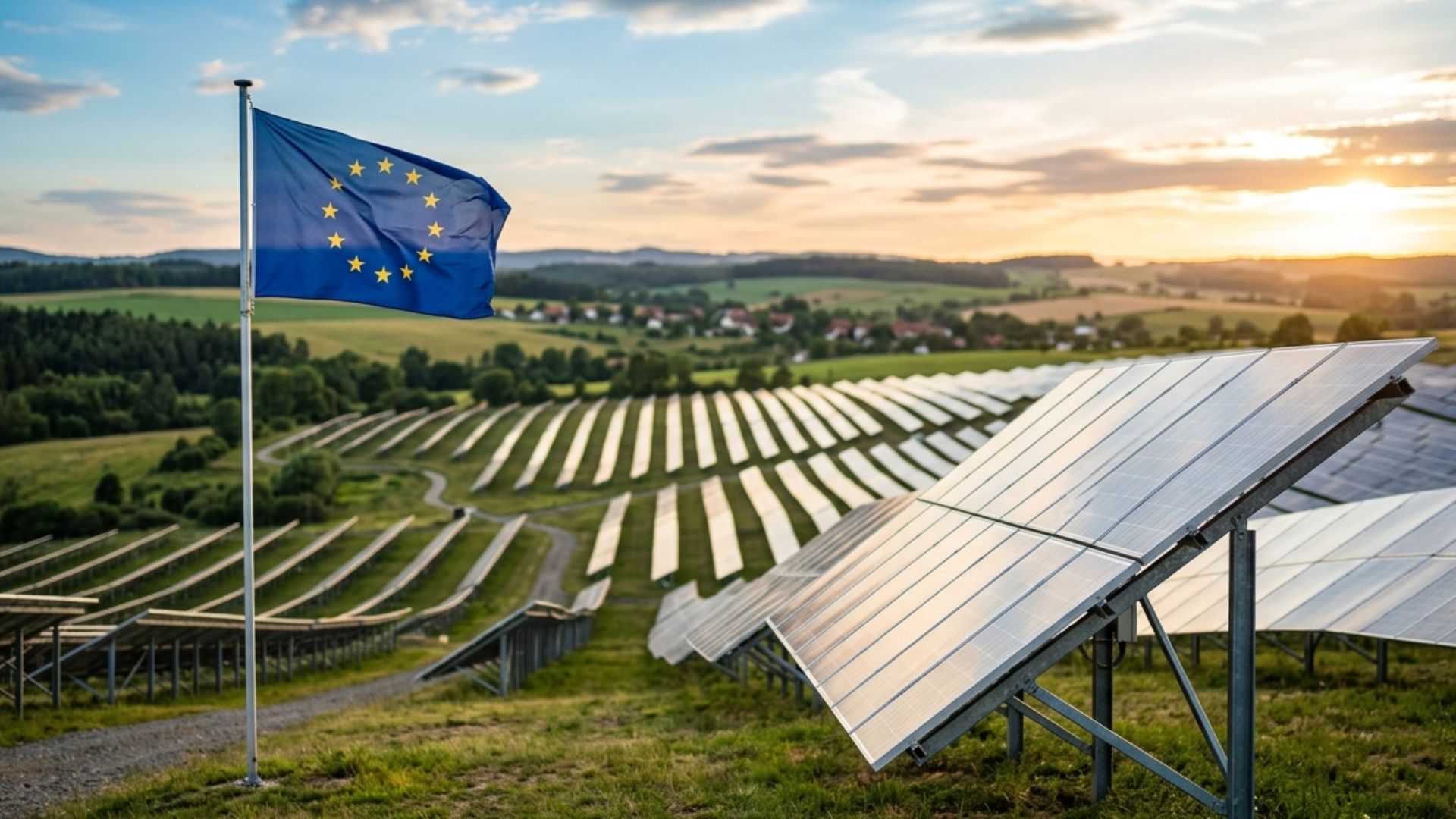
Europe records strong euro economy with solar energy in March and sparks curiosity about which country leads growth that redefines the energy market and reduces costs.
-
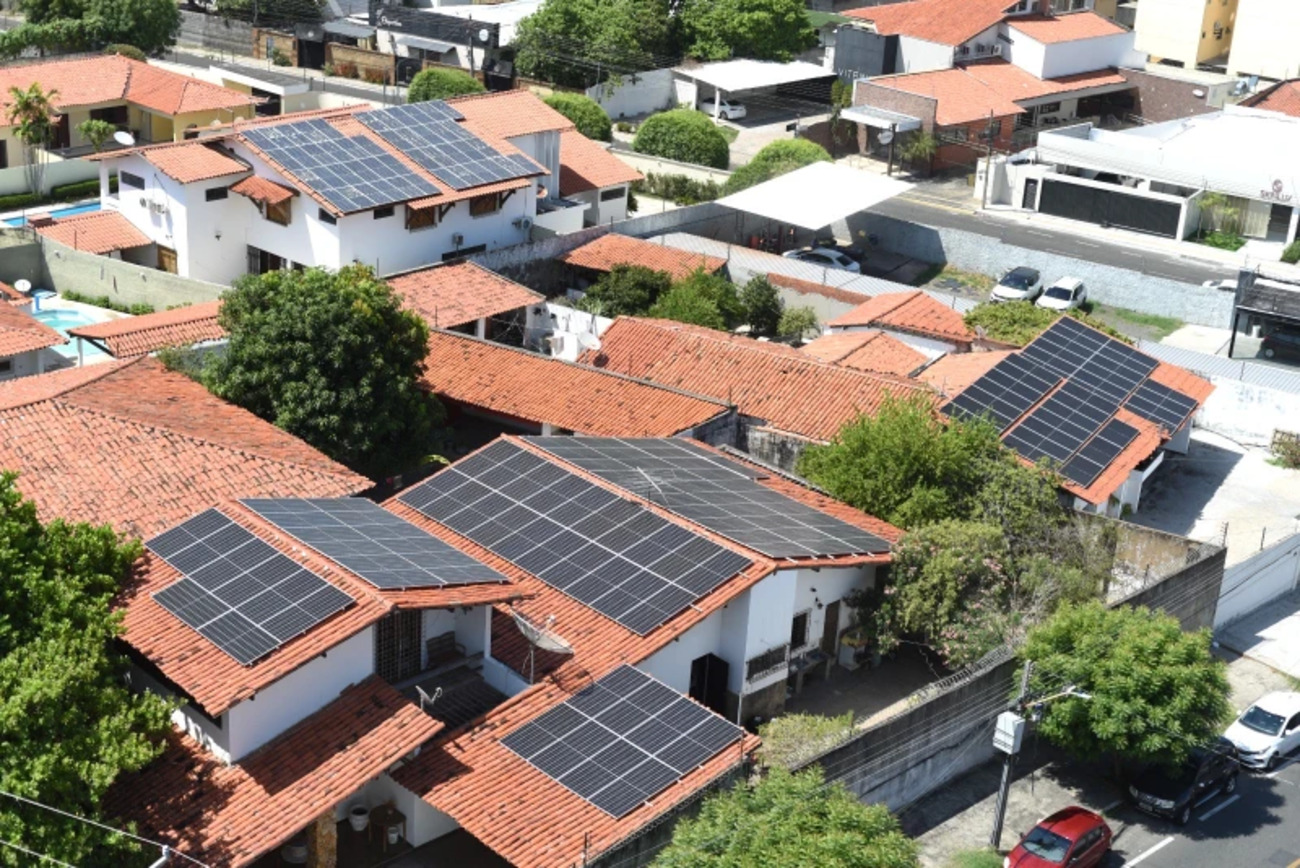
Piauí reaches a historic milestone in energy transition: State records nearly 160,000 households powered by solar energy and leads growth in the Northeast.
-
Argentina debuts its first 100% solar-powered highway and transforms an entire road into a showcase of clean energy.

-
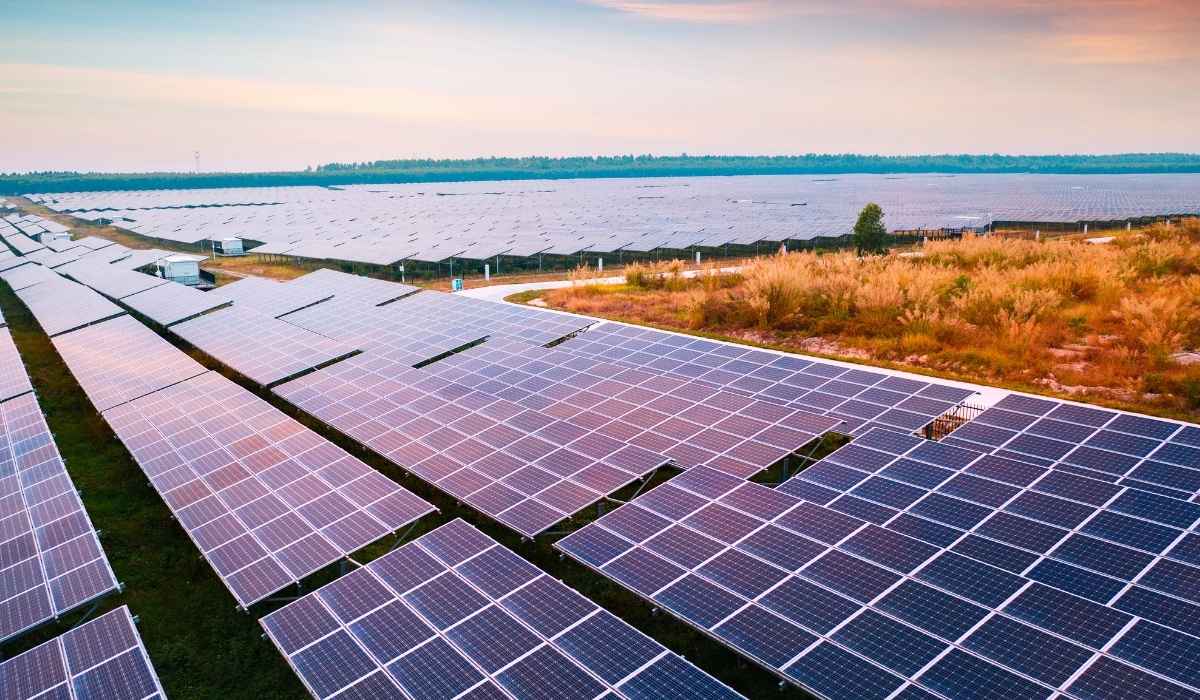
Minas Gerais reaches a historic record and surpasses the power of Itaipu, but network costs generate debate: Understand why solar energy in MG impacts the electricity bill of those without panels.

The Historical Context of Petrobras and the Change of Course
Founded in 1953, during Getúlio Vargas’s government, Petrobras was established with the mission of ensuring Brazil’s energy sovereignty. For decades, therefore, the focus was on onshore oil exploration and, later, on the development of the pre-salt, which placed the country among the major global producers.
Still, from the 2000s onwards, the debate on renewable sources gained strength worldwide. According to data from the International Energy Agency (IEA), published over the last decade, solar energy has evolved from being an experimental alternative to one of the fastest-growing sources globally, both in installed capacity and cost reduction.
Meanwhile, in Brazil, public policies began to stimulate clean sources. According to the Ministry of Mines and Energy, the country has consolidated a predominantly renewable electric matrix, historically highlighting hydroelectricity. However, extreme climate events and drought periods have highlighted the need for diversification, opening space for solar energy and wind energy.
In this scenario, Petrobras has been pressured by both the market and society to expand its activities beyond oil. Thus, the agreement with BP emerges as a concrete symbol of this strategic inflection.
The Role of BP and the Convergence of Global Strategies
BP, formerly British Petroleum, also has a significant history in this transition. After decades as one of the largest oil companies in the world, the firm announced, starting in 2020, a strategic repositioning aimed at reducing emissions and increasing investments in renewable sources.
According to official statements from BP itself, the company has begun directing capital towards solar, wind, and low-carbon hydrogen projects.
Moreover, as highlighted by sources interviewed by Reuters, the agreement may serve as a pilot project. In other words, it is expected to pave the way for future joint initiatives in renewables, especially in a country with high solar potential like Brazil.
Solar Energy in Brazil and Its Evolution Over Time
Historically, Brazil took time to fully explore the potential of solar energy. Until the early 2010s, the contribution of this source to the electric matrix was almost negligible. However, regulatory changes and technological advancements altered this scenario.
According to the National Electric Energy Agency (Aneel), the creation of the energy compensation system in 2012 boosted distributed solar generation. Since then, residences, businesses, and industries have started investing in photovoltaic panels, stimulating the entire production chain.
At the same time, large solar plants began to emerge, particularly in the Northeast region, which has high solar incidence. According to data released by the National Electric System Operator (ONS), the installed capacity for centralized solar energy has grown consistently in recent years, reinforcing its strategic relevance.
Thus, when Petrobras decides to enter this market, it does so at a time of increasing maturity. This means more predictability, lower costs, and greater social acceptance.
The Strategic Significance of the Agreement for Petrobras
From a strategic standpoint, the agreement in solar energy allows Petrobras to advance on multiple fronts simultaneously. Firstly, the company diversifies its energy portfolio, reducing exclusive reliance on fossil fuels.
Moreover, the state-owned company accumulates technical and operational knowledge in a segment expected to grow over the coming decades. According to the federal government, in documents linked to the National Energy Plan, renewable sources will play a central role in meeting future demand, especially in light of the electrification of the economy.
Another relevant point involves the institutional image. By investing in solar energy, Petrobras aligns with environmental commitments and reinforces its narrative as an integrated energy company, not just an oil company.
Long-Term Economic and Environmental Impacts
From an economic perspective, solar energy projects tend to generate local jobs, stimulate innovation, and reduce operational costs over time. According to studies from the IEA, each megawatt installed in photovoltaic solar tends to create more jobs than traditional fossil sources.
From an environmental standpoint, the benefits are also evident. Solar energy does not emit greenhouse gases during generation, contributes to reducing the carbon footprint, and decreases pressure on non-renewable natural resources.
In this sense, by establishing an agreement with BP, Petrobras becomes part of a global movement aimed at balancing economic development and environmental responsibility, something increasingly demanded by investors and society.


Sources and Official Records About the Agreement
According to Reuters, which revealed the information based on sources familiar with the matter, the approved agreement represents an initial step, still lacking all public details. Petrobras, in previous communications about its strategy, stated that it assesses low-carbon energy opportunities selectively and disciplinedly.
For its part, BP, according to information available on its institutional website, has reiterated in recent years its commitment to increasing investments in renewables, including solar energy, as part of its transition strategy.
Thus, when observing the historical, regulatory, and economic landscape, it becomes clear that the agreement between Petrobras and BP is not merely a one-time move. On the contrary, it symbolizes a structural change in which solar energy moves from the periphery to occupy a central space in constructing the energy future.







-

Uma pessoa reagiu a isso.