





 Portuguese
  English
  Spanish
 5 min of reading
  0 comments


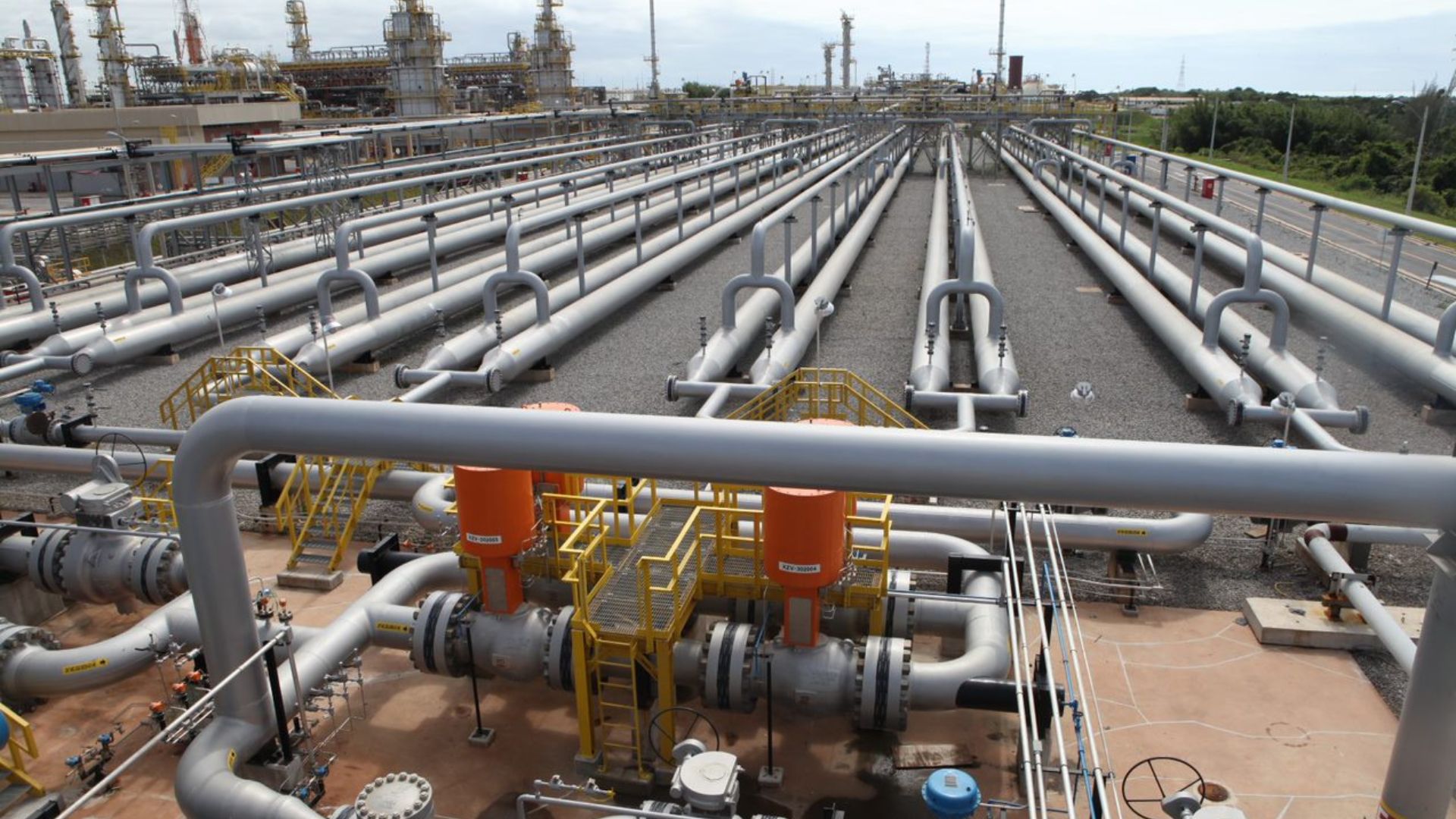
Petrobras Signs Agreement with Cerbras for Natural Gas Supply in Ceará, Strengthening the Free Energy Market, Enhancing Industrial Competitiveness, and Ensuring Greater Cost Predictability
A Petrobras signed a natural gas supply contract with Cerbras, a traditional industry in the ceramic sector located in Ceará, in a move that consolidates the advancement of the free gas market in the Northeast. According to an official publication by the company this Thursday (12), the supply is expected to begin on March 1st, and the Ceará company becomes the first major non-thermal industrial consumer in the region to migrate to the free market with direct supply from the state-owned company.
The agreement enhances industrial competitiveness and strengthens the predictability of energy costs, two essential factors for energy-intensive companies. Additionally, the contract represents a significant step in Petrobras’ commercial strategy outside the traditional regulated environment, demonstrating the increasing importance of the free market in the Brazilian energy landscape.
Strategic Move Repositions the Natural Gas Market in the Northeast
The signing of the contract between Petrobras and Cerbras occurs at a time of expansion for the free natural gas market in Brazil, especially among large industrial consumers. The Northeast, historically more dependent on regulated contracts, is beginning to experience greater freedom in negotiation and energy planning.
-
Petrobras evaluates suspension of sales to distributors and considers canceling the cooking gas auction following guidelines from the Federal Government.
-
Lula reveals a masterstroke by Petrobras to undo a deal made by Bolsonaro, which involves the return of an important refinery that currently produces less than half of what was expected and makes Brazil dependent on international diesel.
-
A study confirms that the natural gas sector will reduce greenhouse gas emissions in Brazil by 0.5% and accelerate the energy transition by 2026.

-
Petrobras implements a severe adjustment and confirms a 55% increase in the price of aviation kerosene with a proposal for installment payments for the companies.


This move is not limited to a simple supplier change. It represents a structural change in how energy is contracted and used, opening the door for direct negotiations on price, volume, and terms. Consequently, companies gain greater control over their operational costs and can plan investments with more security.
At the same time, the energy environment becomes more competitive. The entry of large suppliers into free contracts stimulates healthy competition, which tends to benefit the entire regional production chain.
Petrobras Expands Commercial Presence in Natural Gas Supply
The performance of Petrobras in the natural gas segment under free contracts demonstrates a clear strategy of commercial expansion and adaptation to new industrial demands. The state-owned company has been diversifying its customer base and strengthening its presence outside traditional supply models.
According to statements from the company’s Executive Manager of Gas and Energy, the agreement broadens the regional reach of the company’s contractual strategy. This positioning shows that Petrobras seeks to play a leading role in the free negotiation environment, keeping pace with regulatory modernization and increasing energy competitiveness in the country.
This expansion does not occur in isolation. It reflects a national trend of market opening, where large industries gain the autonomy to define their energy contracts, reducing dependencies and enhancing operational efficiency.


Cerbras Takes on Industrial Prominence in Ceará
For Cerbras, the partnership marks a historic milestone. The company is recognized as the largest non-thermal consumer of natural gas in Ceará, and migrating to the free market strengthens its strategic position within the national ceramic sector.
The company’s industrial vice president highlighted that the agreement symbolizes a decisive moment for the Northeast industry. The predictability of energy costs becomes a relevant competitive differential, especially in sectors that rely on industrial furnaces and continuous thermal processes.
Moreover, the speed of the negotiation reinforces the company’s technical maturity and corporate governance. This institutional recognition contributes to increasing partners’ and investors’ confidence, strengthening the image of Cerbras in the Brazilian industrial landscape.
Regulatory Advances Propel the Free Market in Ceará
The growth of the free energy market in Ceará is directly linked to the regulatory advances promoted by the State Regulatory Agency. The modernization of the legal framework has brought greater legal security for companies interested in transitioning from the regulated model to the free environment.
This clearer regulatory scenario stimulates investments and reduces bureaucratic barriers, creating a favorable environment for new energy contracts. Normative predictability is a determining factor for industries that need stability to plan production expansions and equipment acquisitions.
Thus, the state starts to stand out as a regional reference in energy modernization, attracting companies interested in operating with greater contractual flexibility and cost efficiency.
Agile Negotiation Reinforces Trust Between Petrobras and Cerbras
Another relevant point was the speed of the negotiation process between Petrobras and Cerbras. The companies highlighted that the contract was signed in what is considered record time, resulting from technical alignment, internal organization, and the responsiveness of the teams involved.
The speed demonstrates administrative efficiency and institutional maturity, factors that contribute to strengthening long-term partnerships. In energy markets, where decisions often involve complex analyses and significant financial volumes, swift negotiations indicate technical security and mutual trust.
This type of cooperation signals an evolution in the Brazilian corporate culture, increasingly oriented towards strategic planning, transparency, and measurable results.
Recent History of Petrobras Contracts in the Ceramic Sector
The current agreement aligns with previous moves by the state-owned company in supplying energy to ceramic industries. In the previous year, Petrobras signed a similar contract with the largest gas consumer in Santa Catarina, marking its effective entry into this specific industrial segment.
The repetition of this pattern indicates a consolidated strategy of operation in energy-intensive sectors, where the continuous consumption of natural gas is essential for maintaining production. The ceramic sector, due to its dependence on high temperatures and continuous processes, becomes a natural partner for large energy suppliers.
This trajectory reinforces Petrobras’ ability to meet complex industrial demands, strengthening its position as a strategic supplier across different regions of the country.
Economic and Industrial Impacts for Regional Development
The effects of the contract extend beyond the energy sector and broadly impact the regional economy. The predictability of energy costs enables investment planning, equipment modernization, and industrial production expansion. These factors generate indirect impacts on job creation, tax revenue, and local income circulation.
Additionally, the strengthening of the free market may attract new companies interested in operating in a more flexible energy environment. This multiplier effect tends to boost the economic development of the state, enhancing the industrial competitiveness of the Northeast as a whole.
The contract also contributes to establishing Ceará as a strategic hub for energy innovation, demonstrating that regulatory advances and industrial partnerships can go hand in hand for the benefit of sustainable regional growth.
A New Impulse for Brazilian Energy Competitiveness
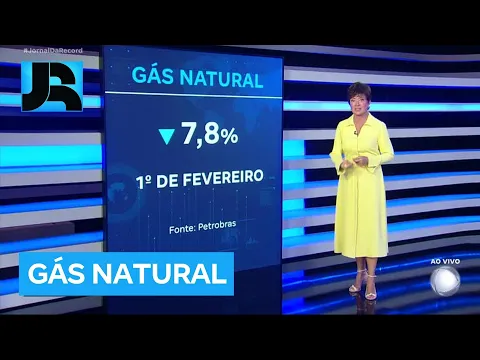
The agreement between Petrobras and Cerbras represents more than a commercial contract. It symbolizes a transformation in the national energy dynamics, marked by greater corporate autonomy, freedom of negotiation, and operational efficiency.
The consolidation of the free natural gas market indicates that companies are seeking more flexible and economically advantageous alternatives to sustain long-term growth. At the same time, Petrobras expands its commercial presence and strengthens its strategic operations outside the traditional regulated environment.
In summary, the move highlights that the Brazilian energy sector is undergoing a consistent modernization process. Competitiveness, predictability, and innovation become essential pillars for industrial development, benefiting not only large companies but the entire production chain and the national economic environment.









Seja o primeiro a reagir!