





 Portuguese
  English
  Spanish
  3 min of reading
  0 comments


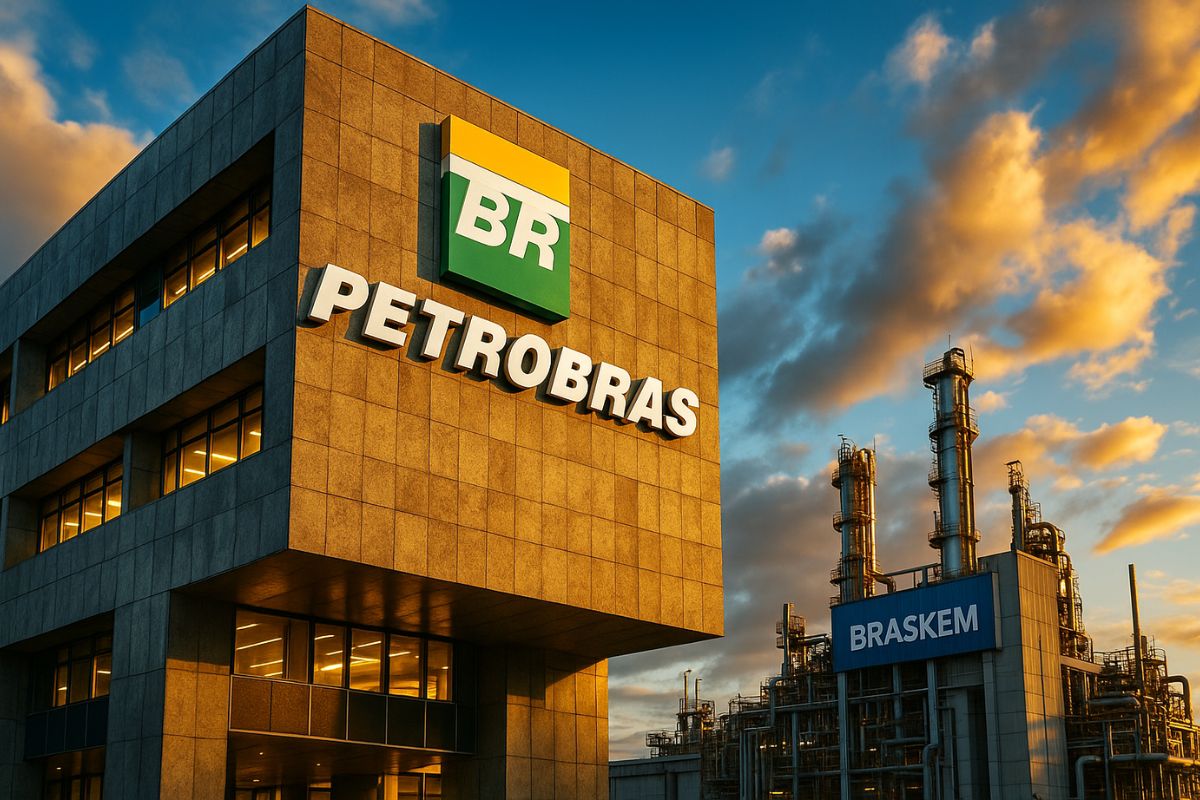
Petrobras Considers Increasing Stake in Braskem, but Rules Out Nationalization. Petrobras Considers Increasing Stake in Braskem to Gain More Decision-Making Power, but Reiterates That It Does Not Intend to Nationalize the Company.
The information that Petrobras is considering increasing its stake in Braskem stirred the petrochemical sector and sparked debates about governance and market strategies. According to an investigation by Estadão, the state-owned company seeks greater influence in the company’s decisions but assures that it has no plans for nationalization.
The move comes amid tensions involving Novonor (formerly Odebrecht), Braskem’s current controller, and investors like businessman Nelson Tanure, who expressed interest in purchasing part of the stake. For Petrobras, this is about ensuring its rights as a partner and preventing decisions that could compromise the company’s direction.
Corporate Dispute Heightens Tensions Between Petrobras and Novonor
Currently, Petrobras holds 47% of the common shares and 36.1% of Braskem’s total capital, while Novonor owns 50.1% of the common shares and 38.3% of the capital. This division places the state-owned company in a relevant position but without control.
-
Offshore industrial demand in Macaé skyrockets with the recovery of oil and gas and could grow by up to 396% by 2026 in the Campos Basin.
-
Offshore industrial demand in Macaé surges with the recovery of oil and gas and could grow by up to 396% by 2026 in the Campos Basin.
-
Brazilian giant expands borders in the Southeast: Petrobras confirms new oil discovery in ultra-deep waters in the pre-salt of the Campos Basin.

-
Alert in the global energy market: Severe tropical cyclone hits the coast and disrupts gas production at major plants in Australia, threatening global supply.


The discomfort increased when Petrobras learned through the press about Tanure’s dealings with Cade (Administrative Council for Economic Defense) to facilitate the purchase of Novonor’s stake. The state-owned company reacted by demanding to be included as a third party interested in the process, emphasizing that “partners need to be respected,” as stated by President Magda Chambriard.
Sale of Assets in the U.S. Generates Additional Friction
Another point of friction arose after the news that Braskem would be negotiating with Unipar for the sale of assets in the United States. For Petrobras, this movement was seen as a “bad surprise,” as strategic decisions of this magnitude should go through the partners’ scrutiny.
According to sources linked to the state-owned company, the reaction was negative at all levels of the organization. Magda Chambriard reinforced that Petrobras has veto rights and will not accept being ignored in decisions that directly affect its interests in the petrochemical sector.
The Role of Nelson Tanure and the Obstacles Ahead
The arrival of Nelson Tanure into the dispute adds complexity to the scenario. Despite his experience in restructurings, the negotiation faces hurdles, such as the billion-dollar indemnity that Braskem owes to the State of Alagoas for damages caused in Maceió. This legal liability complicates the definition of a fair price for the company.
Moreover, Tanure’s move surprised Novonor’s creditor banks and the financial market, raising doubts about the feasibility of his proposal. The assessment is that he could be the solution that Novonor found to overcome resistance from other interested investors.
Petrobras Considers Increasing Stake in Braskem to Ensure Prominence
For analysts, the fact that Petrobras is considering increasing its stake in Braskem indicates an intention to protect its strategic position in the petrochemical sector without resorting to nationalization. The goal is to maintain direct influence over decisions that impact production, exportation, and global competitiveness.
The state-owned company also seeks to ensure stability in light of sector volatility, especially amid corporate disputes and potential asset sales. The message is clear: Petrobras does not want to lose ground in defining the direction of Braskem.
The scenario shows how Petrobras’s decision could redefine Braskem’s governance and influence the entire petrochemical sector. The state-owned company seeks more space but without assuming total control, maintaining a balance between private and state ownership.
And you, what do you think about this strategy? Do you believe that Petrobras’s decision strengthens the sector or increases the risk of corporate conflicts? Leave your opinion in the comments — we want to hear your analysis.









-

Uma pessoa reagiu a isso.