





 Portuguese
  English
  Spanish
  3 min of reading
  0 comments


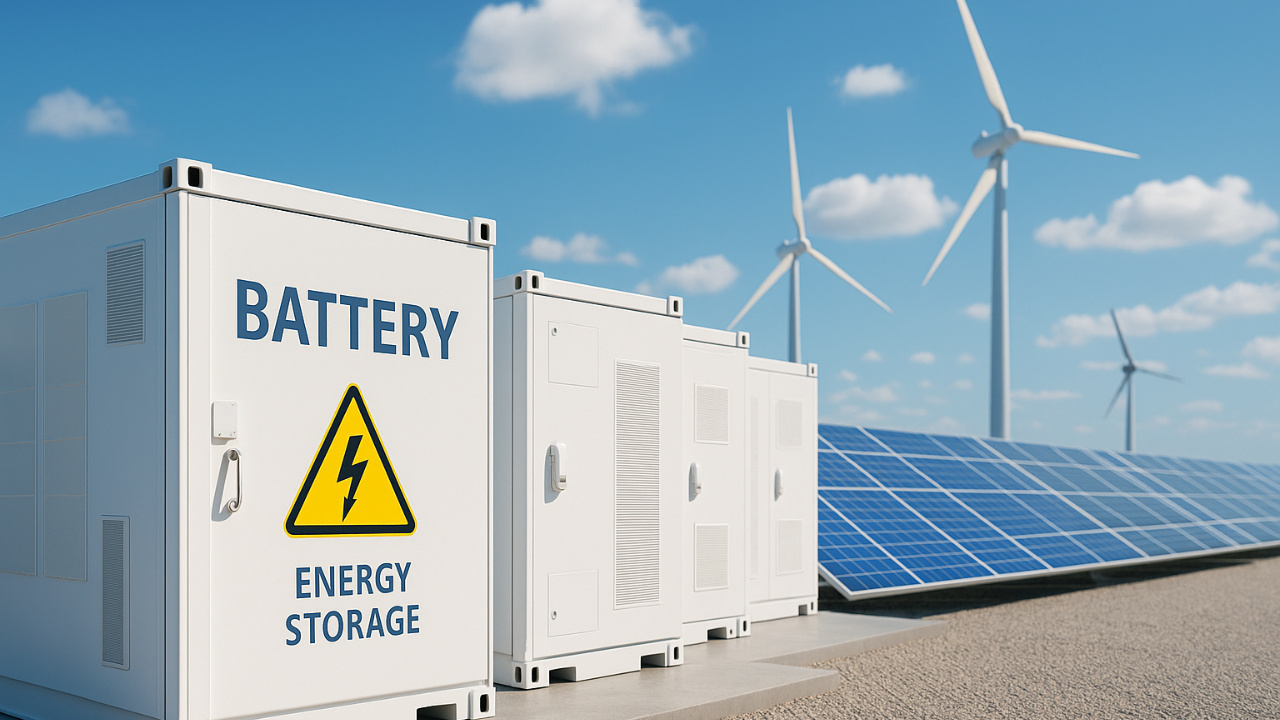
Petrobras Evaluates Batteries and Aims for Capacity Auction to Expand Energy Storage and Accelerate Its Energy Transition.
Petrobras took a new step in its energy transition strategy by confirming this week that it intends to compete not only in the upcoming capacity auction scheduled for March but also in the battery auction set for April.
The company, which has 2.9 gigawatts in uncontracted thermal power, is exploring how it can participate in both events, aiming to expand its presence in the energy storage sector.
This initiative takes place in Rio de Janeiro during a workshop with journalists, where the state-owned company detailed why it sees these initiatives as an opportunity to reposition its portfolio and strengthen its competitiveness in the electricity market.
-
Brazilians paid R$ 18 billion more for energy from the Itaipu plant, reflecting a direct impact on tariffs and generating discussions about costs, transparency, and balance in the national electricity sector.

-
Equatorial adopts new national number for consumer units on electricity bills starting in April, following ANEEL standards and modernizing energy bills in several states.
-
Itaipu Impresses the World: Hydroelectric Plant with 20 Turbines and 14,000 MW Generates Over 2.9 Billion MWh and Leads Global Clean Energy Production

-
Aneel Revokes CMAA Thermal Power Plants After Network Restrictions and Excess Energy in the System

The company had already shown interest in the capacity auction, but it now adds a new front to its plan: the construction of a battery park capable of meeting demand starting in 2028.
The decision, however, will be shaped by the final rules that the government will still define for each modality—a crucial point in the state-owned company’s decision-making.
Petrobras Increases Bet on Energy Storage
Petrobras’ interest in energy storage technologies emerges for the first time as an explicit guideline from the company to diversify its operations.
During the meeting with the press, Marçal, a representative of the state-owned company, stated that the company views this move as strategic.
“It’s an opportunity; we have already been thinking about entering this storage segment, and the capacity reserve auction is the best way to enter,” said the executive, highlighting that the model offers regulatory safety and predictability of remuneration.
He further emphasized that “it’s an investment that makes sense for Petrobras,” indicating that the state-owned company evaluates the segment not just as a test but as a potential line of business for the near future.
Capacity Auction Should Guide Next Steps for the State-Owned Company
The capacity auction, which aims to ensure a firm supply to the electric system, will be crucial in determining the pace of Petrobras’ entry into the battery market.
The company believes that its participation will directly depend on the guidelines the government establishes for the auction.
The expectation is to quickly initiate the development of the necessary infrastructure to ensure a full battery park by 2028.
This way, Petrobras intends to align its operations both with the demands of the electricity sector and its internal decarbonization commitments.
Uncontracted Thermal Power Enters the Energy Transition Radar
The company’s 2.9 GW of uncontracted thermal power remain an important asset in the transition strategy.
Despite regulatory challenges, Petrobras understands that these plants can be integrated into hybrid solutions.
The approach reinforces the state-owned company’s intent to gradually reposition its energy matrix without compromising supply security.
Moreover, the ability to operate hybrid plants expands the space for new business models.
Pilot Project Reinforces Petrobras’ Technological Ambition
The general manager of Energy Transition at Cenpes, Roberta Mendes, also participated in the meeting and highlighted that the company is already testing energy storage solutions.
According to her, Petrobras is developing a pilot battery project associated with a thermal plant in Juiz de Fora (MG).
However, the executive preferred not to detail the progress of the pilot.
The presence of this project indicates that the state-owned company is advancing not only in regulatory studies but also in practical experimentation.
Expectations for 2028 and Next Moves
While awaiting the government’s decisions, Petrobras maintains its evolving energy transition strategy.
The simultaneous interest in the capacity auction and the battery auction shows that the company intends to position itself as a relevant player in the new cycle of modernization of the Brazilian electricity sector.
With the potential to operate hybrid plants, develop battery parks, and leverage its uncontracted thermal power.
Thus, the expectation now rests on the final rules and the regulatory economic viability that will define its steps until 2028.










Seja o primeiro a reagir!