





 Portuguese
  English
  Spanish
 3 min of reading


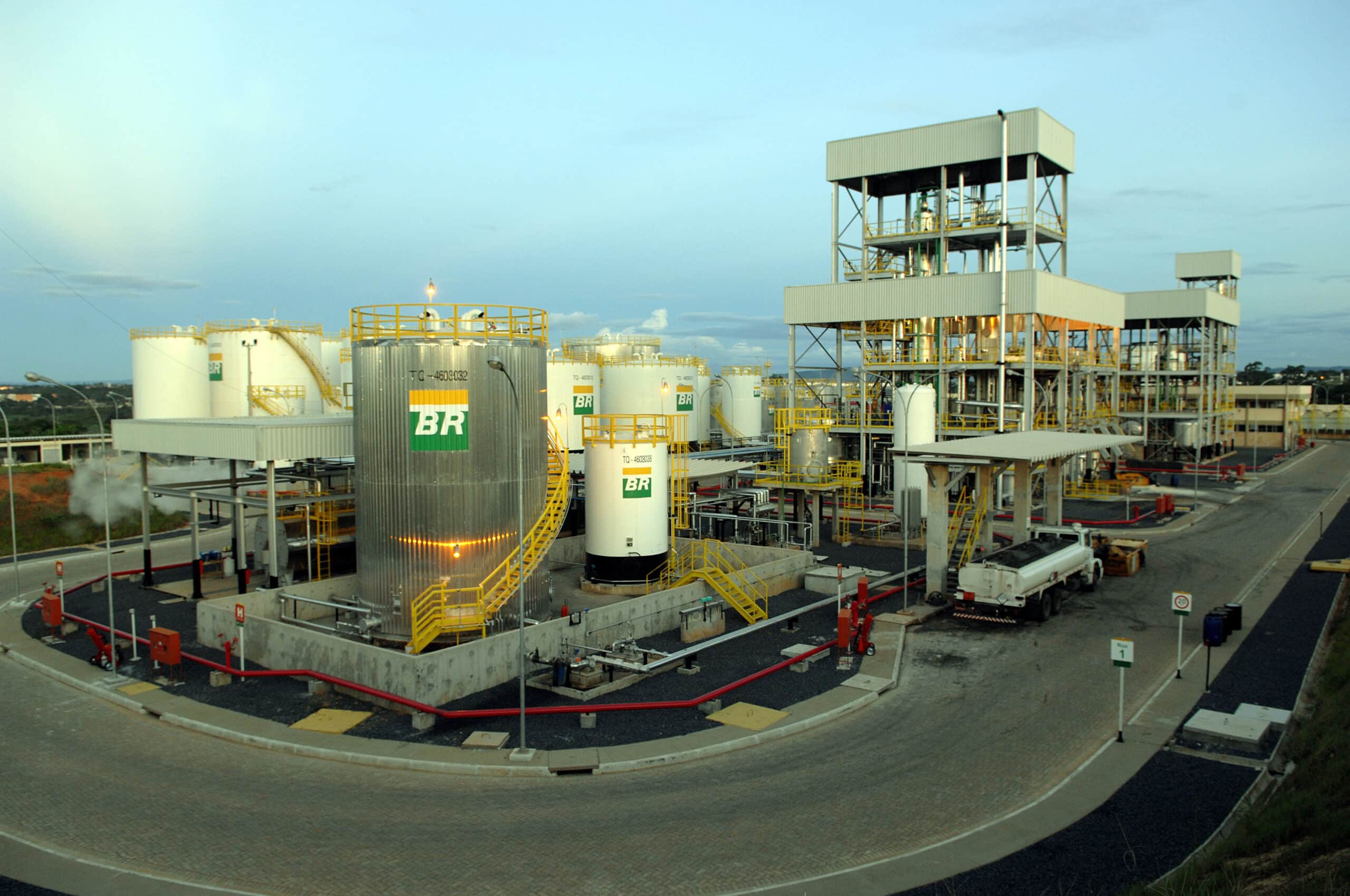
Investments in Replan Include Construction of a New Diesel Hydrotreatment Unit and RefTOP Program, Aiming to Position Petrobras Among the Best Refiners in the World!
The Brazilian oil company Petrobras has just announced that it will invest more than US$ 500 million (approximately R$ 2.5 billion) in the Paulínia Refinery (Replan) by 2025, aiming to meet the demand for lower-emission products and increase the energy efficiency and operational performance of the unit. The largest refinery in the company in terms of oil processing capacity, Replan turns 50 this Thursday, May 12th.
“The history of Replan illustrates the technological evolution, business integration, and Petrobras’ achievements in the last five decades. In 1972, the refinery processed only imported oil, with analog instrumentation, local control rooms, manual data collection on forms, and numerous activities and maneuvers carried out physically by operators in the field. Today, we have Replan refining mainly oil produced in the pre-salt layer, in a completely different technological scenario, automated, with intensive use of simulators and remote interventions in operations,” says Petrobras President José Mauro Ferreira Coelho.
Petrobras Signs Billion-Dollar Contract with Toyo Setal for a New Diesel Hydrotreatment Unit, Promising to Generate 6,000 Jobs During Construction!
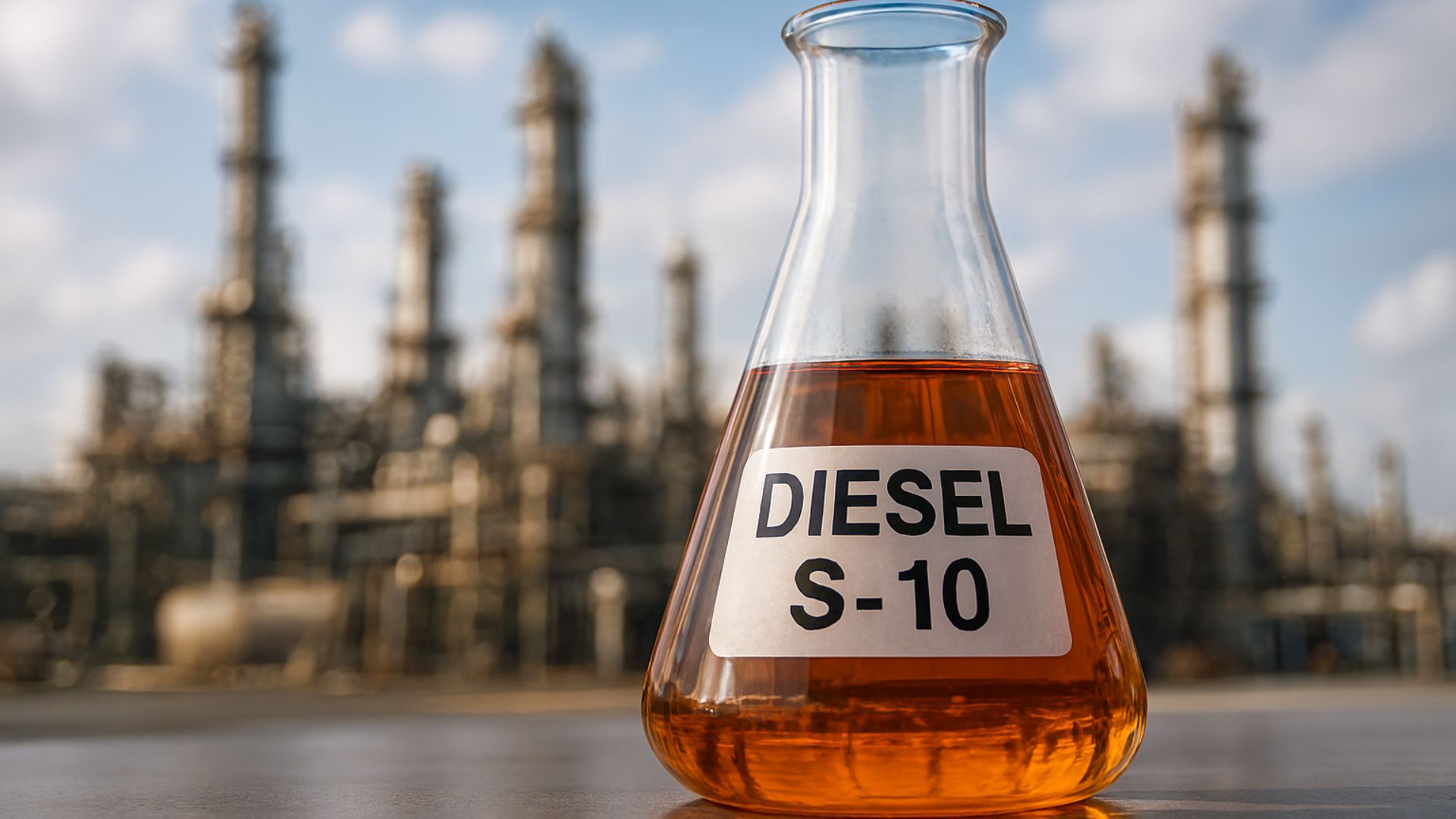
According to Petrobras’ Strategic Plan 2022-2026, a new diesel hydrotreatment unit (HDT) will be built at Replan, with a production capacity of 10 million liters of Diesel S-10 per day. The contract for the construction of the new unit was signed last Monday (5/9) with the Toyo Setal HDT Paulínia Consortium, formed by TSE and TOYO.
-
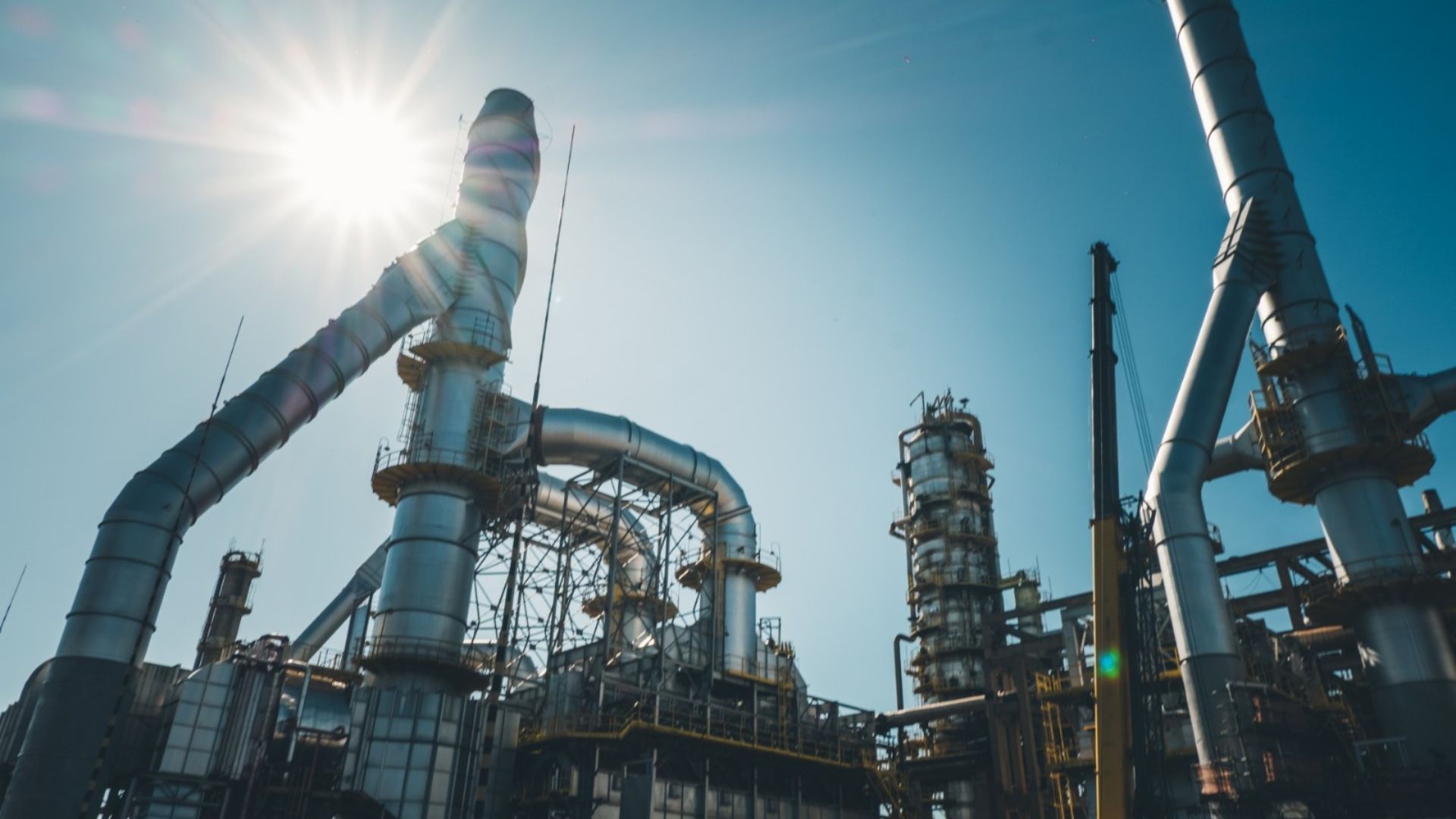
Petrobras Expands Refining in Brazil, Increases Production of Diesel S-10 and Gasoline, Enhances Operational Efficiency, and Reduces Import Dependence Between 2023 and 2025
-
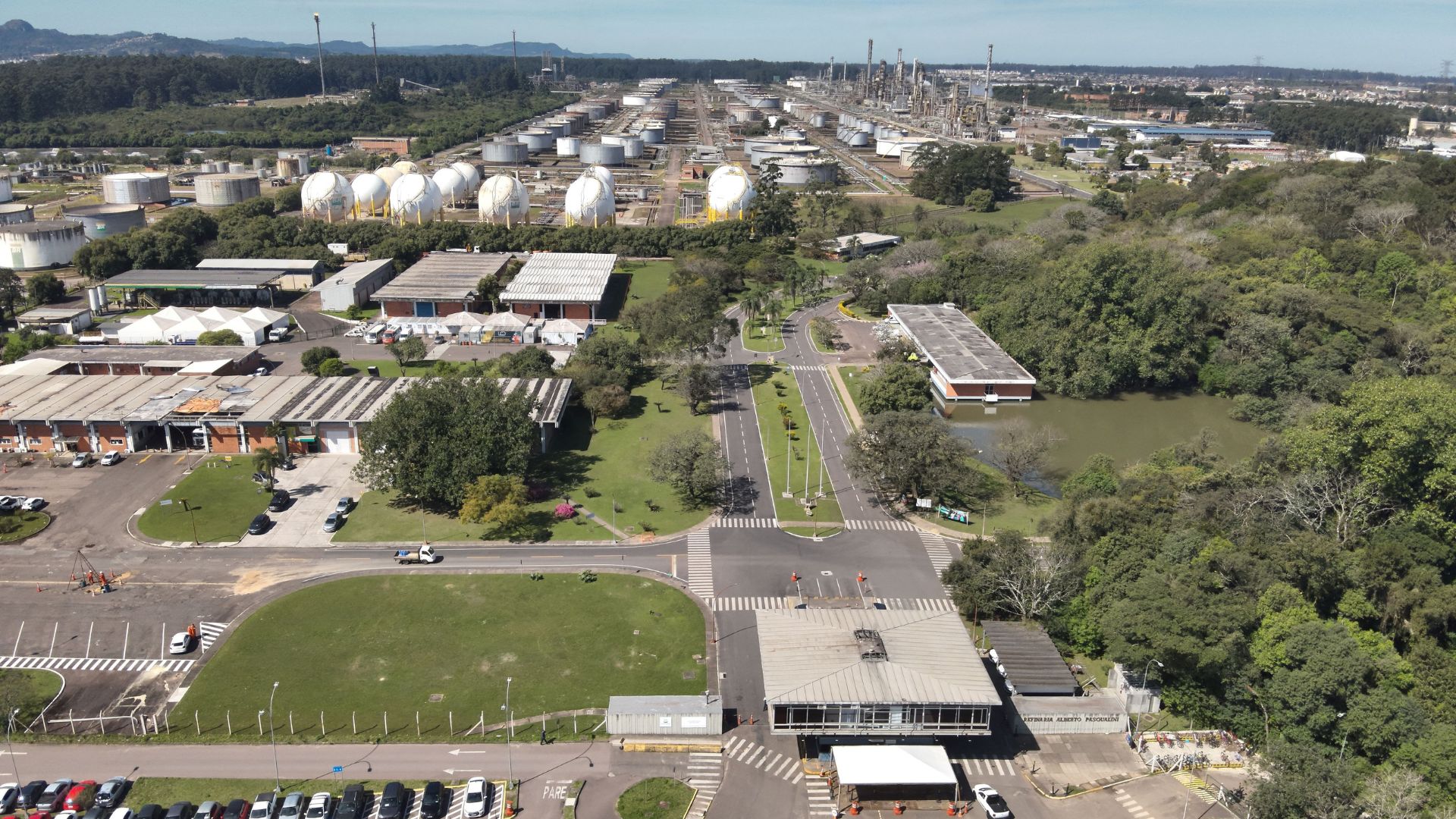
Petrobras’ Refap Sets Historic Records for Gasoline and S-10 Diesel Production in Canoas in Q4 2025, Surpassing Previous Figures
-
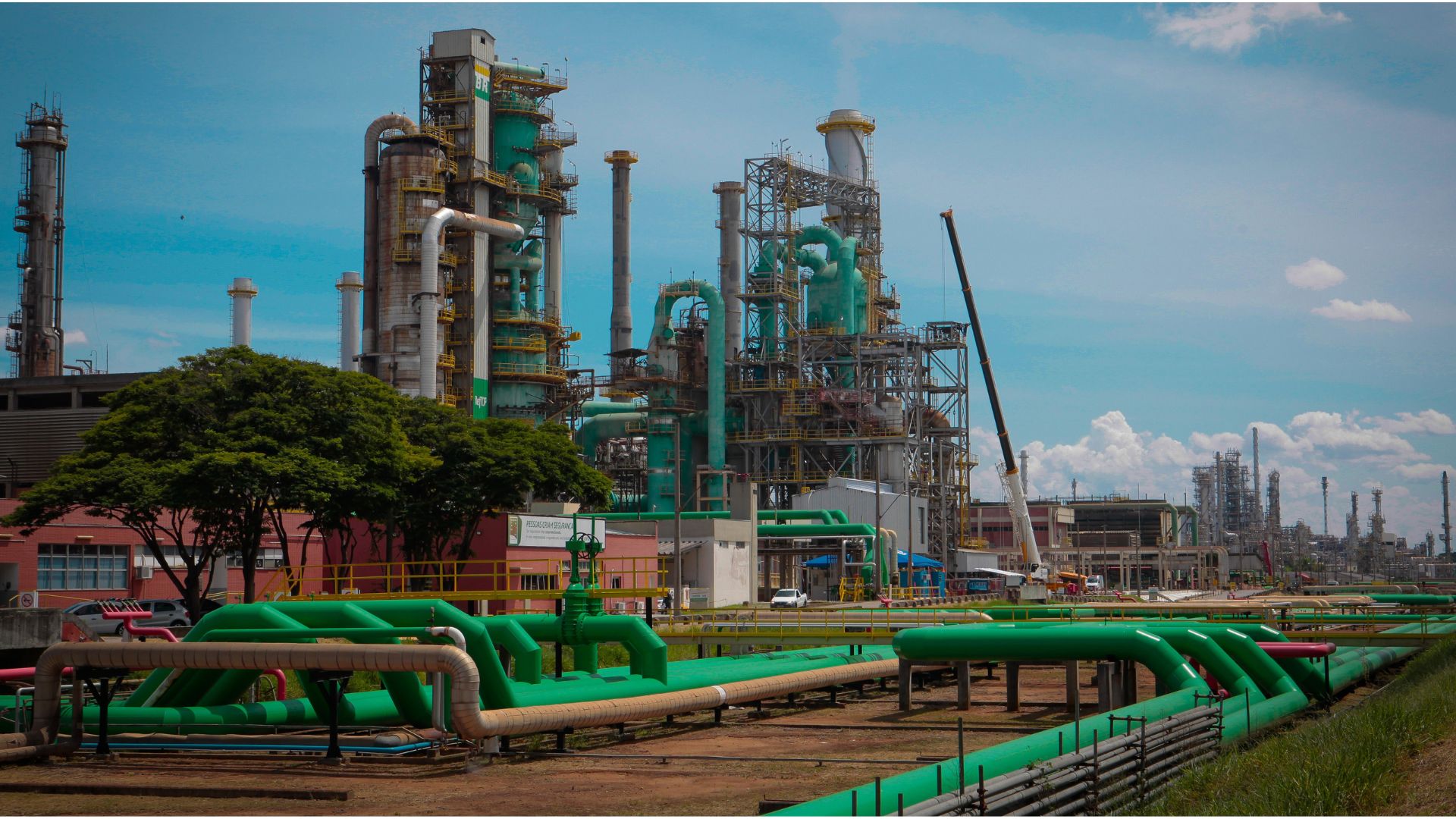
Revap Starts Operation of Modernized HDT and Petrobras Expands S-10 Diesel Production by 80% at the Refinery, Boosting Supply of Less Polluting Fuel in Brazil
-
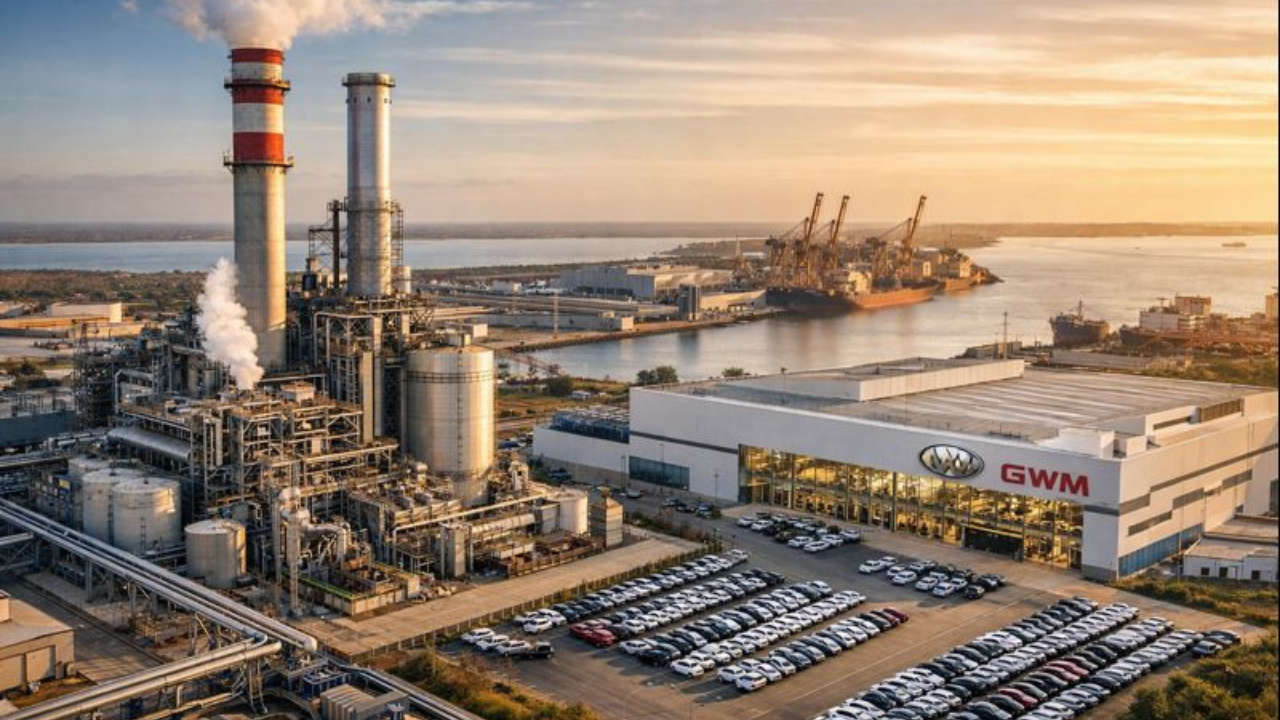
Thermal Power Plant in Rio Grande do Sul Is Key to Attracting GWM

The operation start date is expected to be in 2025 and investments amount to US$ 458 million (about R$ 2.2 billion). “With this project, all the diesel oil produced at Replan will be low sulfur (S-10) and will allow for increased production of aviation kerosene (QAV),” highlights Rogério Daisson, general manager of Replan, who estimates around 3,000 new jobs and another 3,000 indirect jobs in the region during the construction period.
In addition to the new HDT, investments are planned at Replan related to the RefTOP program, which aims to position Petrobras among the best refiners in the world. Of the US$ 300 million (approximately R$ 1.5 billion) allocated by the company to RefTOP, US$ 90 million (about R$ 450 million) will be directed to projects at the Paulínia Refinery aimed at increasing value generation, improving energy efficiency, and increasing operational availability, including intensive use of digital technologies.
Replan Has the Capacity to Process 69 Million Liters (434,000 Barrels) of Oil Per Day, Equivalent to About 20% of All That Petrobras Processes in Its Refineries!
Inaugurated in May 1972, Replan has a capacity to process 69 million liters (434,000 barrels) of oil per day, equivalent to about 20% of all the oil Petrobras processes in its refineries. Of the total oil processed at the Paulínia Refinery, more than 70% comes from pre-salt fields.
Currently, Replan has about 960 direct employees and 65 routine service provider companies, totaling approximately 3,300 collaborators, serving 30% of Brazilian territory and 55% of the state of São Paulo. Among the main products are diesel, gasoline, aviation kerosene, asphalts, LPG, and propene, among other petroleum derivatives. To understand the relevance of the refinery for the country, it was responsible in 2021 for 0.81% of Brazil’s GDP, 3.2% of the GDP of the state of São Paulo.







Seja o primeiro a reagir!