





 Portuguese
  English
  Spanish
 4 min of reading
  0 comments


Petrobras Reduces Ambition In Offshore Wind Energy, Removes Project In Espírito Santo From Business Plan And Directs Investments To Biofuels, Solar And Long-Term Research, Keeping Only One Pilot In Rio de Janeiro.
Petrobras has redefined its bets in the field of wind energy, especially in the offshore modality. In a strategic move that alters the anticipated pace for the state-owned company’s energy transition, the company removed from its business plan the project that was to be installed in southern Espírito Santo.
This retreat does not reflect abandonment, but rather a stricter prioritization of investments, driven by the need to advance only when there is sufficient demand and regulatory certainty.
Meanwhile, offshore wind energy remains, for now, as a long-term alternative. The focus shifts to more mature initiatives, such as biofuels, biorefining, and the production of ethanol and biomethane.
-
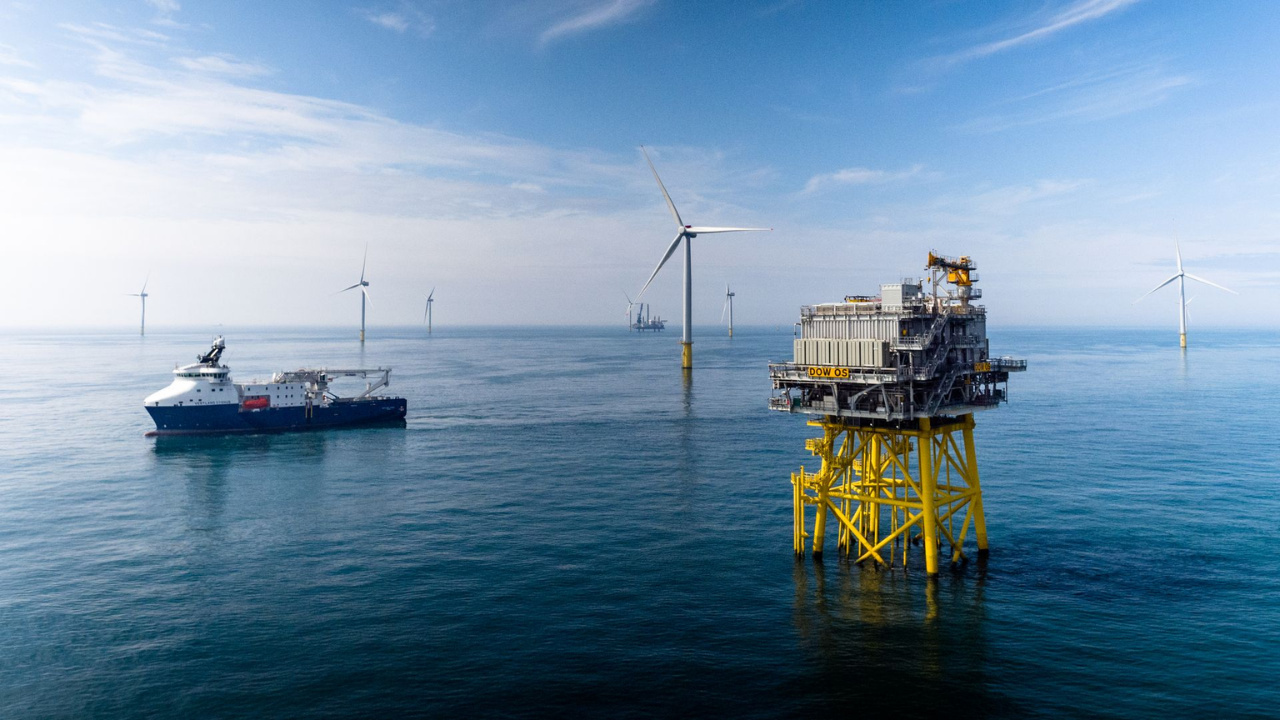
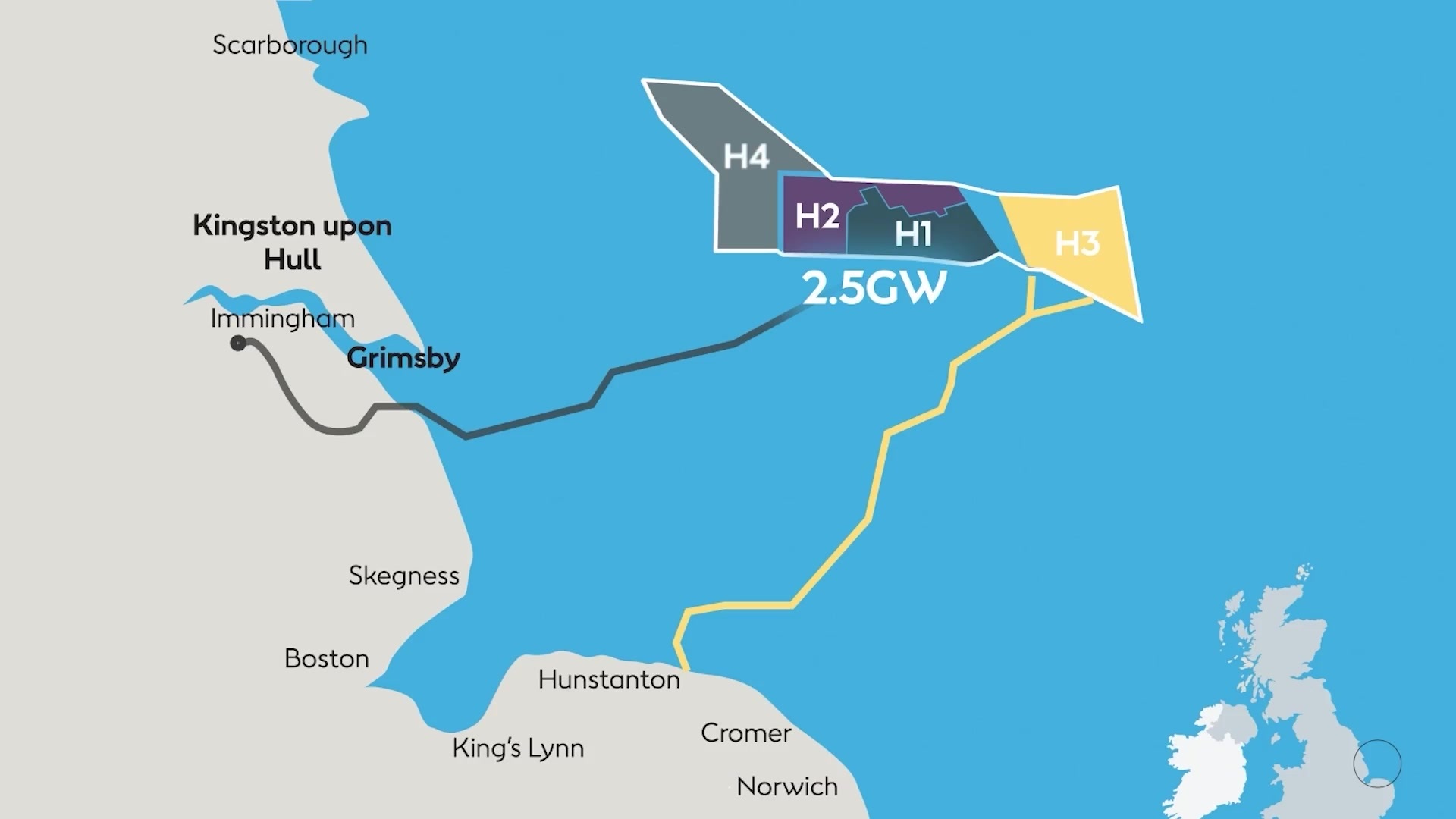
231 turbines of 260 meters at 160 km from the coast, monopiles weighing as much as nine blue whales embedded in the North Sea, and a crane ship taller than the Eiffel Tower: Hornsea 3 will be the largest offshore wind farm on the planet by 2027, and its first components have already arrived in England.
-
International Certification Puts Senai Norte on the Renewable Energy Map and Expands Access to Essential Training for Qualified Wind Power Professionals

-
The Winds of the Northeast Are in Foreign Hands: Nearly 70% of the Region’s Wind Farms Are Owned by International Companies, with France, China, and Italy Leading Investments in Wind Energy in Brazil
-
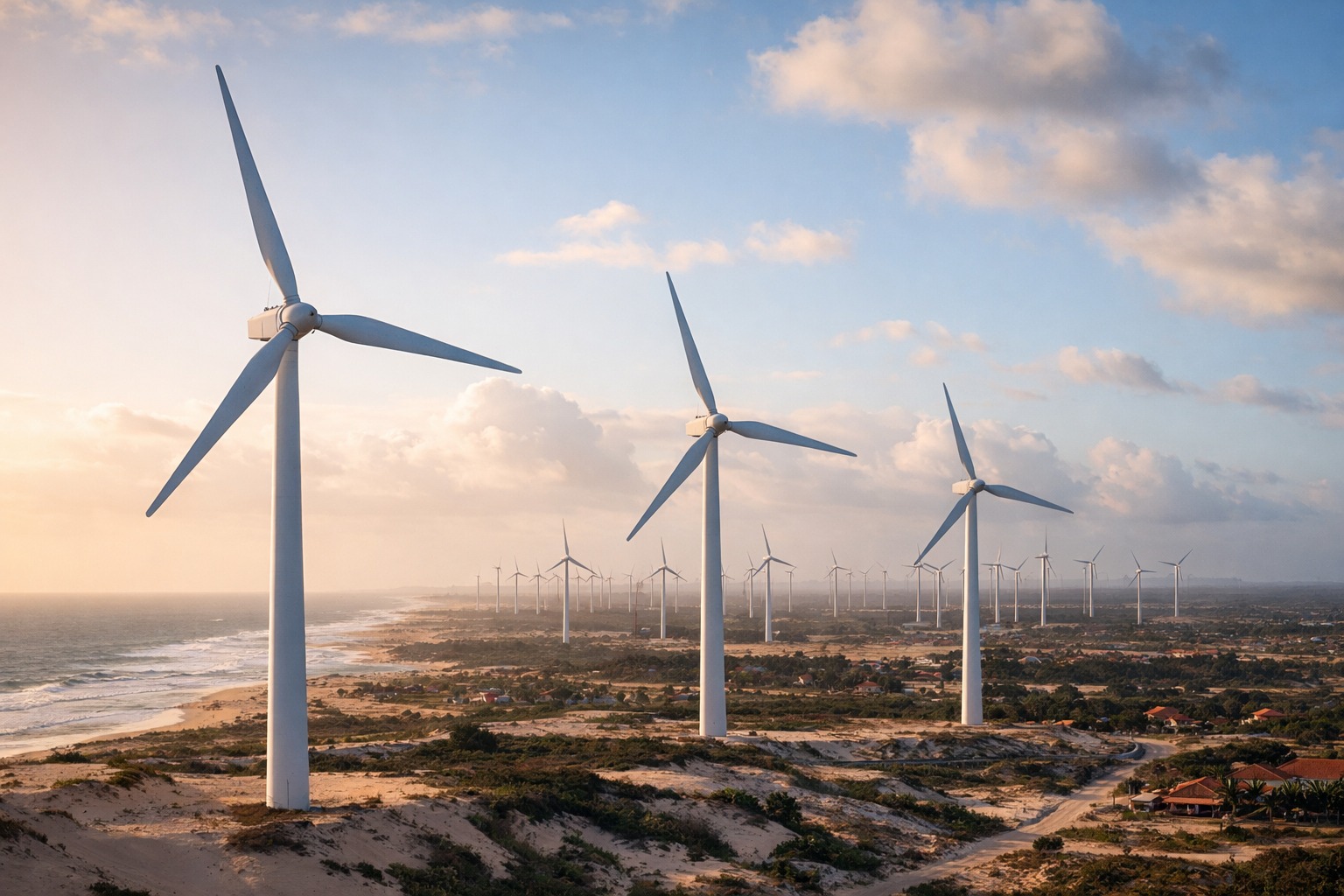
Echoenergia’s Wind Farms Receive Diamond and Platinum Seals and Boost Carbon Credits with Projects that Prevent Large Volumes of Annual Emissions
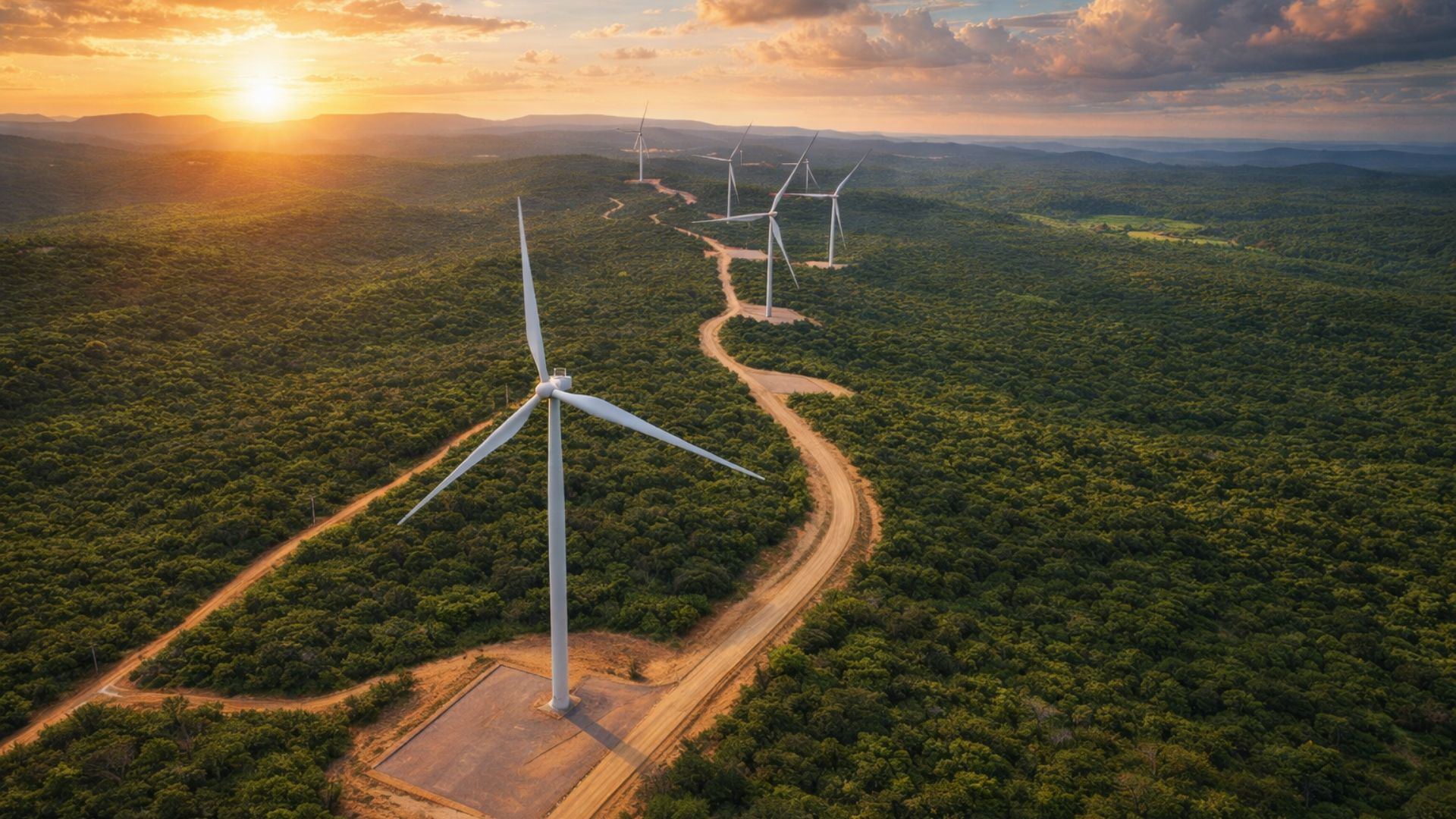
Still, research and development actions remain active, especially with the pilot project in Rio de Janeiro.
Offshore Wind Energy Projects Remain Alive But Restricted To Research
To understand Petrobras’ new route, it is necessary to observe what remains and what changes. The state-owned company emphasizes that offshore wind energy is still under analysis, but in a waiting mode.
As the company explains, the 2026-2030 Business Plan concentrates resources intended for renewable generation mainly on R&D initiatives, which allow testing technologies, reducing uncertainties, and deepening knowledge about winds and environmental characteristics of the Brazilian coast.
In this context, studies on wind potential conducted along the coastline are highlighted. Petrobras has invested in the use of LiDAR to measure ocean winds and in the development of the Bravo system, an anemometric and meteoceanographic buoy created in Brazil. The goal is to advance Bravo to commercial maturity stage 3, following the standards of the “Carbon Trust Offshore Wind Accelerator Roadmap for The Commercial Acceptance of Floating LiDAR Technology.”
These actions indicate that offshore wind energy has not been discarded. It will only progress when there is clarity about the market, costs, regulation, and consumption demand.
Withdrawal Of The Project In Espírito Santo And The Impact Of The New Strategy
The offshore wind energy project announced for the southern coast of Espírito Santo, which included the Espírito Santo I and Aracatu parks, disappears from the current plan. These installations were only considered as opportunities to be developed when there was a regulatory framework and suitable auctions. Now, they are completely off the short-term radar.
Petrobras made it clear: entry into the offshore market will occur only “at the right moment,” avoiding investments that may not pay off given the current uncertainties. It is a pragmatic adjustment.
The reduction of capital allocated to low-carbon energies affects almost exclusively generation projects, including offshore wind energy.
Thus, the state-owned company is pushing investments to after 2031, directing efforts to sectors more capable of quick returns. During a workshop on energy transition, executives detailed that this readjustment aligns with the need to avoid risks and prioritize already consolidated segments.
Pilot In Rio De Janeiro Becomes Petrobras’ Main Bet In Offshore Wind Energy
While commercial projects are suspended, the pilot being developed in Rio de Janeiro gains importance.
Roberta Mendes, general manager of Energy Transition at Cenpes, emphasized that the project differs from a traditional park. It originates with a technical objective: to generate wind energy close to pre-salt platforms, which helps increase the oil recovery factor.
According to her, “it is crucial to tie energy generation directly to the platforms,” reducing reliance on long underwater cables, which require more complex technology and investments. The project analyzes the subsurface and seeks an integrated solution between offshore and oil operations.
Petrobras emphasizes that this pilot, besides being promising, guides the entire future development of offshore wind energy. It generates data, improves models, and strengthens the necessary knowledge base to eventually advance towards commercial ventures.
According to the presentation by Carlos Marçal, manager of Integrated Management of Energy Transition, the company follows a phased logic for investment allocation. First come the segments with regulatory maturity and consolidated demand. Only afterwards do more complex alternatives, such as offshore wind energy, emerge.
Thus, in the first five years of the plan, priority is given to:
- biodiesel
- biorefining
- ethanol
- biomethane
- R diesel
- SAF
- biobunker
Shortly after, solar energy and onshore wind energy appear, expected to receive investments starting from 2026. Carbon capture (CCS) and energy storage come in around 2028. Lower-emission hydrogen will emerge further down the line.
Offshore wind energy therefore remains at the bottom of the priority list, with a forecast of entry only after 2031.
Why Was Offshore Wind Energy Slowed Down?
Petrobras argues that the oversupply of energy in Brazil, especially from renewable sources, necessitates caution. With lower demand and high production, the National System Operator faces challenges to balance the grid.
The state-owned company claims that including more generation now could exacerbate risks, “potentially causing blackouts due to excess energy.”
Additionally, there is still a lack of a robust regulatory framework for offshore exploration, which prevents the immediate entry of commercial projects. This combination reinforces the need to wait for the right moment.
Despite the withdrawal of the commercial project from the business plan, Petrobras continues to conduct surveys along the coast of Espírito Santo. The company states that the southern part of Espírito Santo is still included in preliminary studies on wind potential and environmental characteristics.
This stage is considered essential to reduce uncertainties and inform future strategic decisions.







Seja o primeiro a reagir!