





 Português
  Inglês
  Espanhol
  3 min de leitura



On June 13, Petrobras Will Begin The First Of Two Seismic Acquisitions Of The Monitoring Project For The Sapinhoá Field In The Pre-Salt In The Santos Basin
Petrobras announced in a statement last night that it will begin, on June 13, the first of two seismic acquisitions of the monitoring project for the Sapinhoá Field, in the pre-salt in the Santos Basin. The seismic acquisition is an important tool for managing the reservoir and optimizing production systems, aiming to maximize the value of the assets through increased recovery factor of the reservoirs. See also: Fugro Wins Contract In The Pre-Salt Of RJ, Where Petrobras, Shell, Total And Chinese Companies Operate Offshore
- First Giant Solar Thermal Plant In Latin America Is Inaugurated In Chile And Has 10,600 Heliostats
- Ferry Catches Fire With Crew On Board In São Luís – MA
- Mining Company Vale Will Have To Pay R$ 1 Million For Each Victim Who Lost Their Life In The Brumadinho Disaster In Minas Gerais
- Retailer Havan Will Open Its First Store In Aracaju: 200 New Jobs Will Be Created For The City
- Paranaense Startup M3E3 Should Implement New Electric Car Factory In Criciúma And Promises To Generate Various Job Opportunities
The Surveys With The Seismic Monitoring Of Petrobras In The Pre-Salt In The Santos Basin
The new surveys from Petrobras in the pre-salt in the Santos Basin will use a technological solution called Ocean Bottom Nodes (OBN), which allows for better information collection from the reservoir, using sensors installed on the ocean floor to obtain better seismic response in geologically complex areas, such as those in the pre-salt.
The 3D geophysical data acquisition at different times, or 4D acquisition, allows geoscientists and reservoir engineers to monitor the displacement of fluids, observe the variation of oil and water saturation, and identify the effects of rock interaction with fluid and the geomechanical behavior of reservoirs, contributing to better management of oil recovery from the reservoir and the development of production for the Sapinhoá field, which is operated by Petrobras.
-
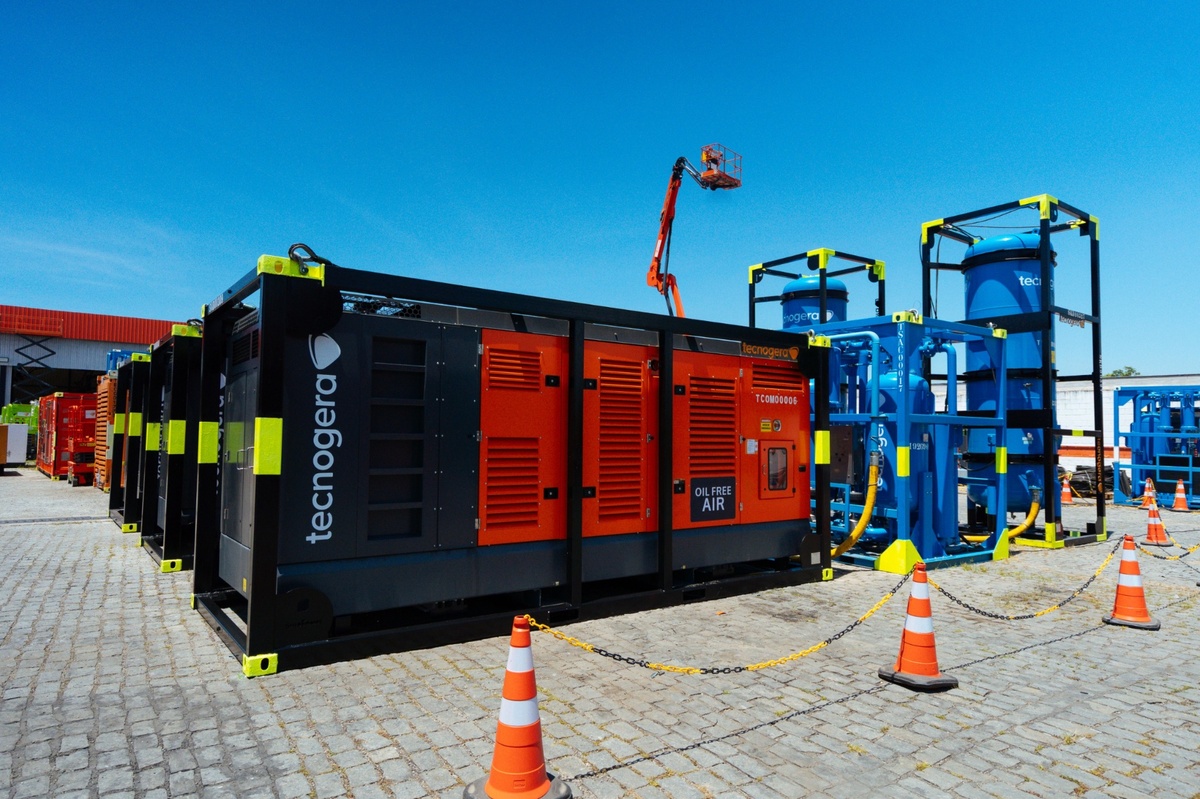
Offshore industrial demand in Macaé skyrockets with the recovery of oil and gas and could grow by up to 396% by 2026 in the Campos Basin.
-
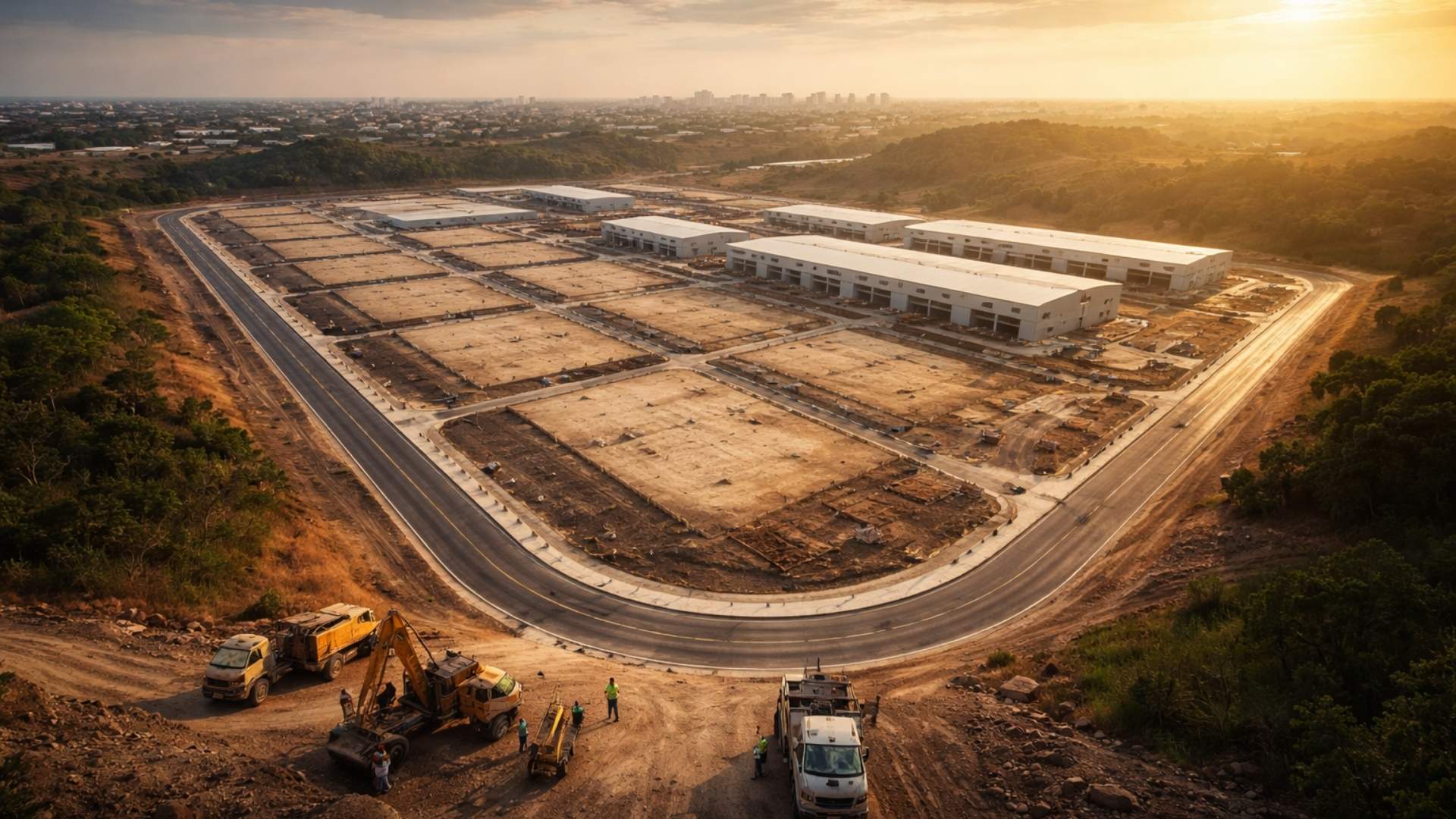
Brazilian city gains industrial hub for 85 companies that is equivalent to 55 football fields.
-
Peugeot and Citroën factory in Argentina cuts production by half and opens a layoff program for more than 2,000 employees after Brazil drastically reduced purchases of Argentine vehicles.

-
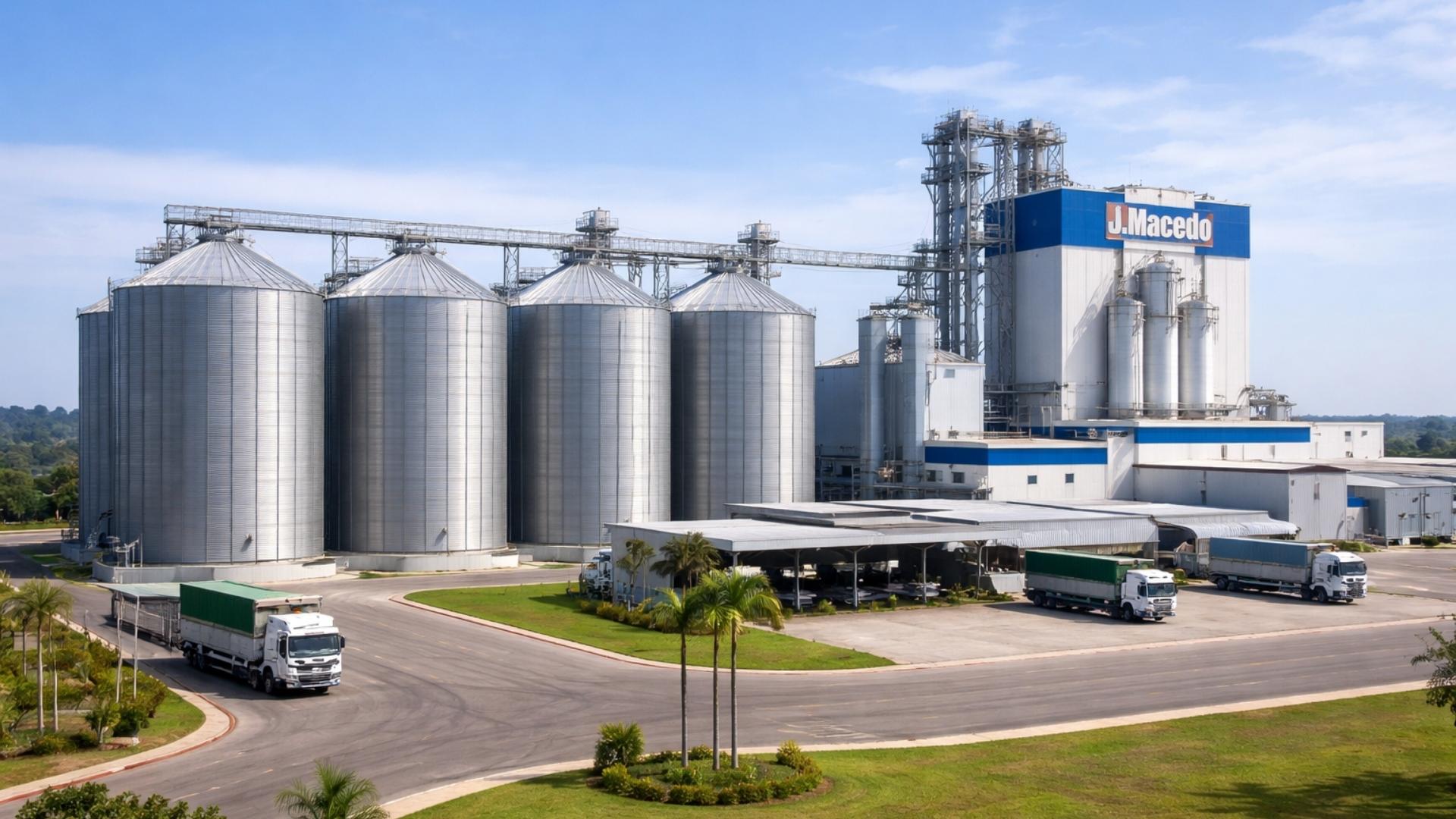
A Brazilian city gains a factory worth R$ 300 million with the capacity to process 200 thousand tons of wheat per year, a mill of 660 tons/day, silos for 42 thousand tons, and an industrial area of 276 thousand m².

The Contract With Seabed Geosolutions From Brazil
The contract signed between Petrobras and the company Seabed Geosolutions from Brazil includes the acquisition and processing of 3D and 4D geophysical data, with total investments of about US$ 118 million. The base seismic (3D), covering an area of 575 km², is starting this month, and the monitoring seismic acquisition (4D), covering an area of 478 km², is scheduled to start in 2024.
Petrobras’s research in the Sapinhoá field, in the pre-salt of the Santos Basin, will use the Submarine Viking, deployed by remotely operated vehicles, as well as a marine origin vessel. The survey is expected to be conducted at water depths greater than 2,200m and is scheduled to begin in the second quarter of 2021. The total combined duration of the two surveys is estimated to be around eight months.
The Sapinhoá field, in the pre-salt of the Santos Basin, is operated by Petrobras with a 45% stake, in partnership with Shell Brasil Petróleo (30%) and Repsol Sinopec Brasil (25%).
See Also: Naval Construction: Petrobras Closes Contract With Keppel For The Construction Of The FPSO P-78, Which Will Be Installed In The Pre-Salt In The Santos Basin
Petrobras signed a contract with Keppel Shipyard Limited, from Singapore, for the construction of the FPSO P-78 platform, which will be located in the Búzios field, located in the pre-salt of the Santos Basin. The state-owned company informed, in a statement, that the FPSO P-78 could begin production in 2024, and the contract with Keppel also provides for local content corresponding to 25%, with services to be provided in Brazil through partnerships with national or third-party shipbuilding companies.
Petrobras stated, in a market communication, that it expects the FPSO platform (capable of storing and transferring oil) to be operational by 2024. In addition, the state-owned company added that the FPSO P-78 will have a daily processing capacity of 180,000 barrels of oil and 7.2 million cubic meters of natural gas per day.









Seja o primeiro a reagir!