





 Portuguese
  English
  Spanish
  3 min of reading
  0 comments



Despite The Reductions Applied Since 2023, Price At The Pumps Remains High
In an interview with the newspaper O Globo, on May 11, 2024, the president of Petrobras, Magda Chambriard, stated that the cuts in fuel prices have not been felt by consumers at the stations. Since January 2023, the beginning of the current government, Petrobras has been adopting a gradual price reduction policy. According to the company’s Financial Performance Report for the first quarter of 2024, diesel prices fell by 26%, aviation kerosene by 36%, and gasoline by 11%. Cooking gas (LPG) has also seen successive reductions. However, as pointed out by the executive, these price reductions have not been reflected at the pumps, not even at state-owned stations. This is because Petrobras sells its products only to distributors, without control over the final price to consumers.
Declaration Points To Distributors As Responsible For Maintaining Prices
During the interview, Chambriard emphasized that distributors should pass the reductions on to the stations, in proportion to the declines applied by the state-owned company. The declaration was echoed by some media outlets, highlighting the president’s discomfort with the lack of alignment among segments of the fuel chain. According to the executive, maintaining high prices undermines Petrobras’s efforts and directly harms the perception of the end consumer. However, she made it clear that the company does not have legal mechanisms to force distributors to pass on the reductions. Thus, the president’s suggestion was to create more transparent regulatory means to ensure that the benefit reaches the population.
Petrobras Tests Direct Model For Large Consumers
As an alternative to address this mismatch, Petrobras launched a pilot project in April 2024 for direct fuel sales to large companies. The initiative focuses on supplying segments such as agribusiness, transportation, and mining, with operations starting in São Paulo and the Matopiba region, which encompasses Maranhão, Tocantins, Piauí, and Bahia. According to an official note from Petrobras, released on April 20, 2024, the goal is to increase competitiveness and reduce distortions in the final price. This strategy, still in the testing phase, aims to shorten the supply chain and allow large consumers to have direct access to the prices set by the state-owned company. Although restricted to specific contracts, the model may indicate new possibilities for action in the future market.
-
A study confirms that the natural gas sector will reduce greenhouse gas emissions in Brazil by 0.5% and accelerate the energy transition by 2026.

-
Petrobras implements a severe adjustment and confirms a 55% increase in the price of aviation kerosene with a proposal for installment payments for the companies.

-
The rise in oil prices could ensure an extra revenue of R$ 100 billion for the Federal Government, indicates a recent economic study.

-
Naturgy begins an investment of R$ 1.6 million to expand the gas network in Niterói and benefit thousands of new residences and businesses.


Company Reinforces Commitment To Diversified Energy Matrix
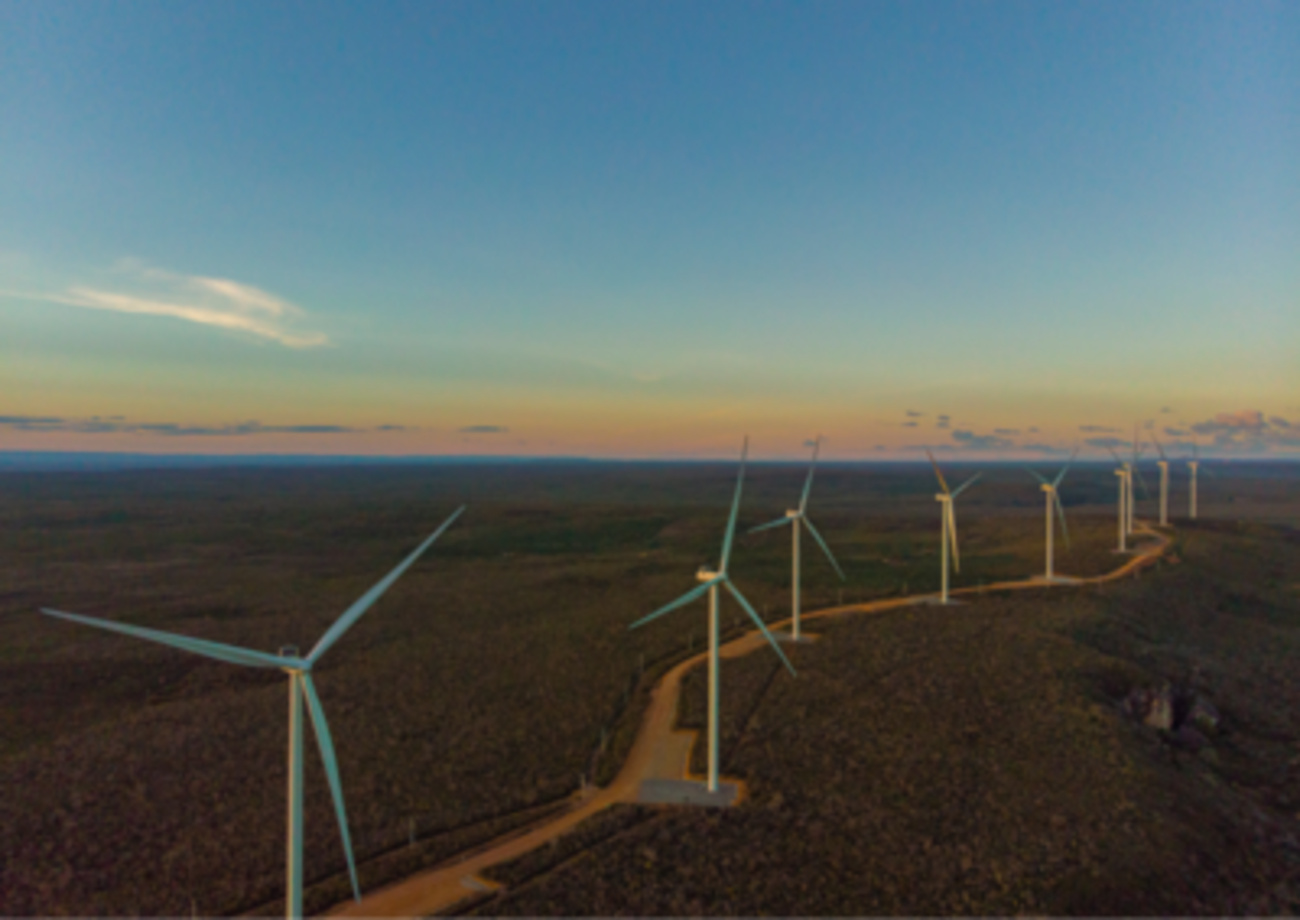
Alongside operational measures, Petrobras announced on April 10, 2024, its plan to expand into renewable energy, as approved in a meeting of its Board of Directors. Among the projects is the installation of the company’s first 100% renewable biorefinery, which will be located in the state of Rio Grande do Sul, with a delivery forecast by 2026. Petrobras’s strategic plan for 2024–2028 includes investments in green hydrogen, ethanol, biodiesel, wind energy, and reforestation, aligned with international environmental goals. The state-owned company’s goal is to maintain a 31% share of the Brazilian energy matrix by 2050, according to projections presented to the National Electric Energy Agency (ANEEL). Such initiatives reinforce the company’s role in energy diversification and adaptation to a more sustainable global market.
Experts Advocate Revision Of Distribution Model
As a consequence of the president’s statements, energy sector entities began to debate the structure of fuel price formation in Brazil. According to the Institute for Strategic Studies on Oil, Gas, and Biofuels (INEEP), in a technical note from May 2024, the current model favors margin concentration in the intermediary stages. The lack of transparency between the exit from refineries and the price at the pumps, according to the institute, represents a challenge for the end consumer. For this reason, experts propose that the Ministry of Mines and Energy and the National Petroleum Agency (ANP) evaluate new ways of monitoring and encouraging automatic price passes. Thus, it would be possible to ensure that the reductions promoted by Petrobras fulfill their social, economic, and strategic role.







Seja o primeiro a reagir!