





 Portuguese
  English
  Spanish
  3 min of reading
  0 comments



Seacrest Challenges Petrobras In A Billion-Dollar Dispute Involving Contractual Failures And Million-Dollar Losses In The Oil And Gas Sector.
The Seacrest Petroleum, through its subsidiaries SPE Cricaré and SPE Norte Capixaba, initiated arbitration proceedings against Petrobras. The conflict, registered with the International Arbitration Court of the International Chamber of Commerce (ICC), involves a claimed compensation of US$ 71.2 million. But why did this happen? First and foremost, it is crucial to understand that there was an alleged contractual breach related to the subsea pipelines of the North Capixaba Terminal.
Understand What’s At Stake
Firstly, it is important to highlight the financial and operational impacts. Seacrest alleges that delays in repairs severely impacted its operations. Furthermore, the pipelines, which are crucial for transporting heavy oil, remained out of proper use. Therefore, it is evident that the accumulated losses forced the company to sell products below market price. Moreover, this scenario generated unwanted consequences for the company’s profitability.
The Context of the Lawsuit
Since 2023, when the contract was signed, Petrobras had assumed the responsibility for repairing the terminal’s pipelines. However, more than 20 months have passed, and the work has still not been completed. As a result, Seacrest was forced to market a blend outside the standards required by the market. This compromised its profitability and reputation. Consequently, in April 2024, Seacrest notified Petrobras about the accumulated losses. At that time, the amount totaled US$ 38.78 million. Surprisingly, in December, the figure was updated to an impressive US$ 71.2 million. Thus, the context highlighted reflects the complexity of contractual relationships.
-
The rise in oil prices could ensure an extra revenue of R$ 100 billion for the Federal Government, indicates a recent economic study.

-
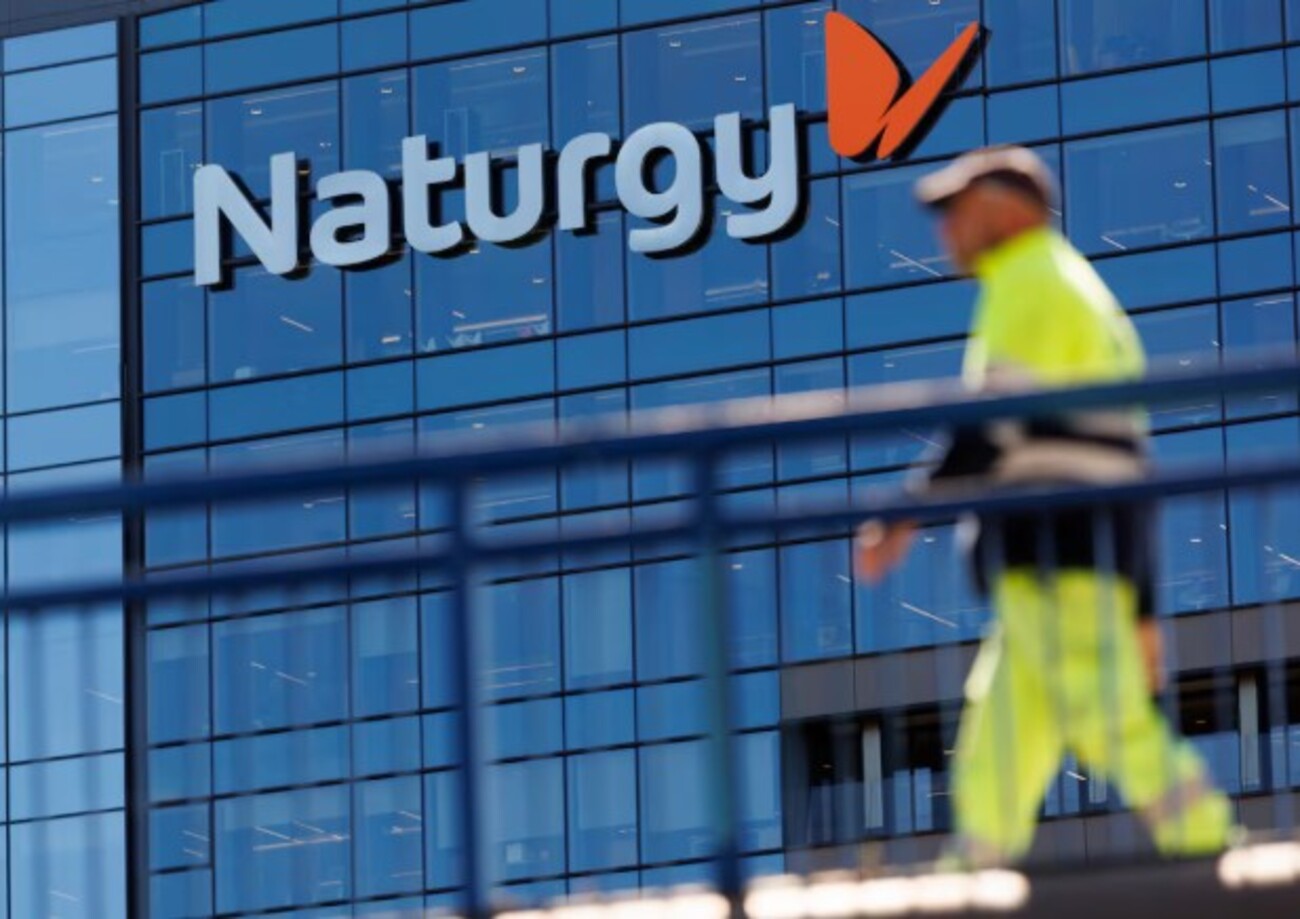
Naturgy begins an investment of R$ 1.6 million to expand the gas network in Niterói and benefit thousands of new residences and businesses.
-
A major turn in the Justice system suspends tax increases and directly impacts oil and gas companies in Brazil by affecting costs, contracts, and financial planning, leaving uncertain what could happen to the sector if these costs had increased.

-
Brava Energia begins drilling in Papa-Terra and Atlanta and could change the game by reducing costs in oil while increasing production and strengthening competitiveness in the offshore market.


The Law in Defense of Seacrest
On the other hand, according to the Brazilian Civil Code, if one party fails to meet its contractual obligations, the other party is exempt from honoring its commitments. Based on this, Seacrest suspended the payment of installments stipulated in the purchase and sale contract. Notably, this decision was confirmed by a court order obtained in December 2024. The measure prevents Petrobras from taking action against the non-payment. Thus, Seacrest’s legal support appears robust and strategic.
Main Consequences of the Case
Undoubtedly, the case generates significant impacts for both Petrobras and Seacrest. However, it is essential to evaluate in detail the effects that this dispute may cause.
For Petrobras:
- Image Damage: The case could affect the market’s perception of the state-owned company. Furthermore, the repercussions may compromise future international negotiations.
- Financial Risks: An unfavorable outcome in arbitration could bring significant challenges. Consequently, the state-owned company could suffer substantial losses.
For Seacrest:
- Commercial Losses: The direct impact on revenues due to forced discounts on Brent was significant. Consequently, there was a considerable reduction in its competitiveness.
- Damaged Reputation: Difficulties in maintaining the standards required by the global market resulted in additional challenges. Moreover, the financial repercussions reinforced this situation.
Legal Strategy
However, Seacrest resorted to international arbitration to seek a swift and effective resolution. This type of mechanism is widely used in global commercial disputes. Especially in the oil and gas sector, complex contracts require specialized solutions. Furthermore, arbitration could establish important precedents for the sector.
The Future of the Case
Ultimately, as the arbitration process advances, experts assess the possible consequences for both parties. Regardless of the outcome, the dispute already sheds light on the importance of fulfilling contractual obligations. This is essential in a sector as critical as energy. In summary, the Seacrest versus Petrobras case is not just a legal matter. It also symbolizes the challenges of an ever-evolving industry. Therefore, keeping track of the developments of this process becomes essential.










-

-

4 pessoas reagiram a isso.