





 Portuguese
  English
  Spanish
 4 min of reading
  25 comments





Petrobras Faces Billion-Dollar Lawsuit With Seacrest, Which Is Under Creditor Control After Financial Collapse. About 900 Jobs Are at Risk in Northern Espírito Santo. Despite the Scenario, Experts See Potential for Recovery With New Investors. Understand the Economic and Social Impacts of This Crisis.
An alarming crisis involves one of Brazil’s largest companies and casts a shadow over thousands of families.
A recent court ruling not only jeopardizes a billion-dollar amount but also shakes the future of nearly a thousand workers, already affected by layoffs and uncertainties.
What seems to be a simple process between two large companies goes far beyond the financial realm, reflecting in the daily lives of entire communities.
-
The rise in oil prices could ensure an extra revenue of R$ 100 billion for the Federal Government, indicates a recent economic study.

-
Naturgy begins an investment of R$ 1.6 million to expand the gas network in Niterói and benefit thousands of new residences and businesses.
-
A major turn in the Justice system suspends tax increases and directly impacts oil and gas companies in Brazil by affecting costs, contracts, and financial planning, leaving uncertain what could happen to the sector if these costs had increased.

-
Brava Energia begins drilling in Papa-Terra and Atlanta and could change the game by reducing costs in oil while increasing production and strengthening competitiveness in the offshore market.
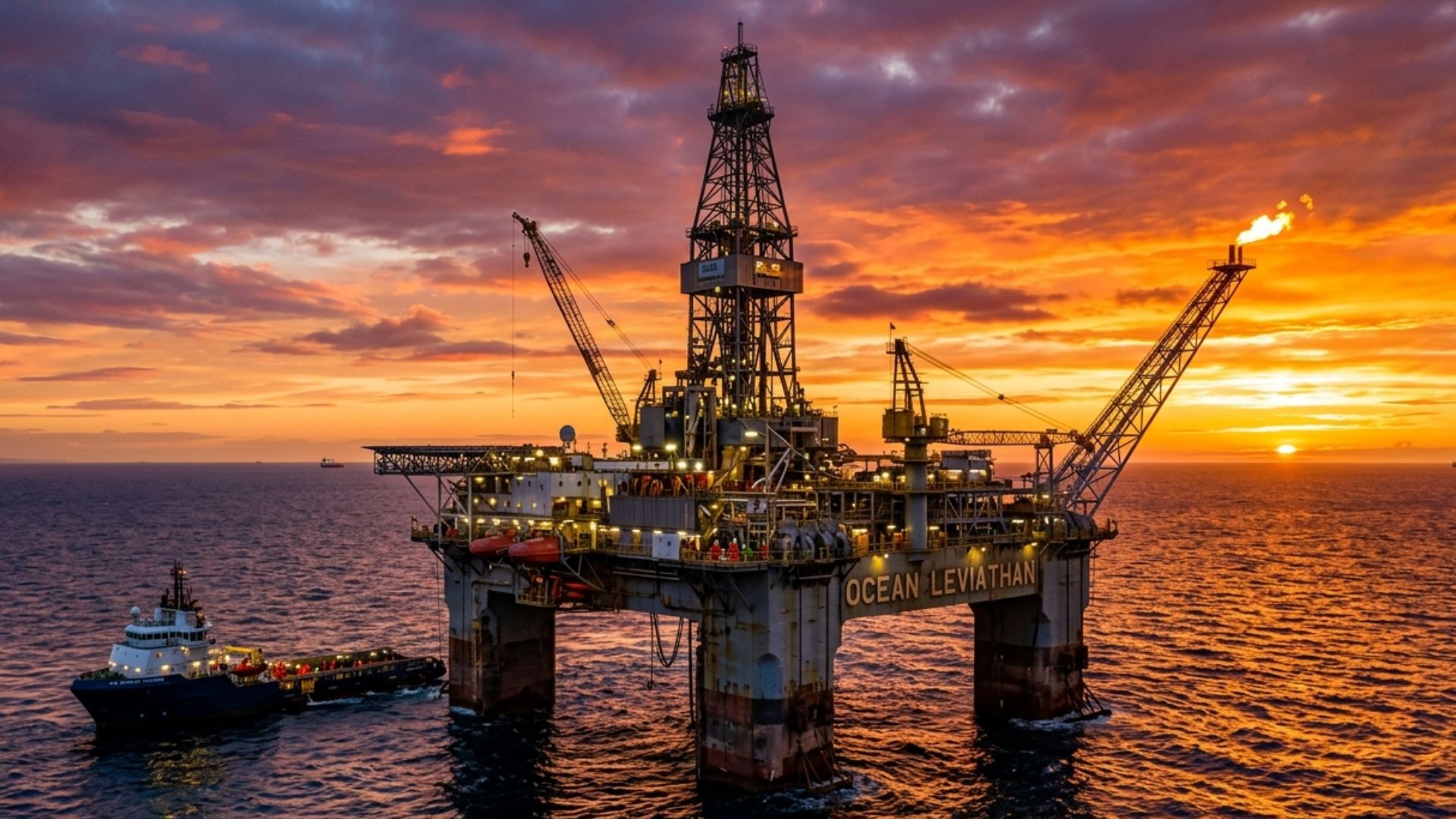

At the heart of this impasse is Petrobras, which is facing a lawsuit filed by the Norwegian oil company Seacrest Petroleum.
The dispute involves multi-million dollar contracts related to the sale of the Northern Capixaba and Cricaré Poles, located in northern Espírito Santo. According to reports, Seacrest claims breach of contract and seeks reparations in court.
According to information from the oil company, Petrobras allegedly violated a series of clauses, including the maintenance of submarine pipelines.
Billion-Dollar Dispute and Crisis at Seacrest
According to a report from Tribunaonline, Seacrest’s situation has worsened in recent months.
The company, which had acquired a large part of Petrobras’s operations in the region for approximately US$ 700 million, entered a financial collapse.
This month, January 2025, according to Valor Econômico newspaper, creditors took control of the company, claiming debts of US$ 300 million, equivalent to R$ 1.8 billion.
This amount was borrowed in 2023 to finance the purchase of the Northern Capixaba fields.
According to a statement issued by Seacrest on the Oslo Stock Exchange, where it is listed, creditors did not give prior notice before executing guarantees on shares of a subsidiary.
They also did not discuss the situation with the company’s management, resulting in a sudden takeover.
The crisis led to the resignation of José Cotello, then president of the company, and the appointment of new executives by the creditors.
Impacts on Employment and the Local Economy
The turbulence at Seacrest directly affected the job market. Between October and December 2024, more than 400 workers lost their jobs, as reported by the president of the Petroleum Workers Union of Espírito Santo (Sindipetro-ES), Reinaldo Alves.
The situation is even more concerning, with about 900 jobs at imminent risk due to the company’s instability.
Alves highlighted that salary delays and difficulties in paying severance have led to protests by workers.
“There was a significant reduction in the transportation area, in maintenance, and in drilling at the onshore fields,” he stated.
According to him, the crisis has also affected commerce and the local economy, extending impacts to the community of Northern Capixaba.
Despite the challenging scenario, industry experts maintain an optimistic outlook. Rafaele Ce, vice president of RedePetroES, believes operations will continue.
“Halting activities is not an intelligent action. The assets are profitable, and there are investors interested in maintaining the poles,” he explained.
Legal Action and Petrobras’s Positioning
The legal dispute between Seacrest and Petrobras intensified at the end of 2024.
On the last day of January 8, the court suspended the payment of US$ 70.5 million to Petrobras and prevented the state-owned company from including Seacrest on delinquency registries.
The court also blocked actions that could characterize “default” on the part of the Norwegian oil company.
Petrobras, in turn, stated that it is taking all legal and contractual measures necessary to defend its interests.
In a statement, the state-owned company denied allegations of contractual breach and assured that repairs on the submarine pipelines are being carried out according to the agreement.
Future Investments Threatened
Before the collapse, Seacrest had announced significant investments in the region. In 2023, the company promised to invest US$ 400 million over five years to increase oil production.
The goal was to triple daily production, from 10,000 to 30,000 barrels per day.
These plans now face uncertainties, with the company’s stock control in the hands of creditors.
According to business consultant Durval Freitas, despite Seacrest’s poor management, the Northern Capixaba fields remain attractive.
“Some investor will step in and reverse the situation. These assets have high profit potential,” said Freitas.
The Future of Operations
Experts and industry organizations are closely monitoring the unfolding crisis.
Although Petrobras is confident in a judicial resolution, uncertainty about Seacrest’s future worries workers, suppliers, and communities.
It is possible that new investors will take over the fields, bringing relief to the region. However, until a definitive solution is reached, the climate of apprehension persists.
Do you believe that new investors will be able to recover the Northern Capixaba fields and save the at-risk jobs? Comment below!









Nem sempre privatizar melhora, vai pedir ajuda a Paulo Guedes kkkkkkkk
Era só privatizar que melhorava ? **** essa ****, nessa terra de **** kkkkkkkk
Petrobras tem se tornado uma empresa duvidosa a anos, a construção da maior refinaria não se concluiu exista virando sucata, nem vou tocar na Passadeana, um pré sal que não serve pra nada para o povo brasileiro é que não despertou nenhum interesse nas grandes petrolíferas, e agora estão falando de petróleo na Amazônia. A única coisa que todos sentem é o valor do combustíveis cada vez mais alto nas bombas dos posto.