





 English
  Francês
  Alemão
  Italiano
  Japonês
  Norueguês
  Portuguese
  Spanish
 4 min of reading


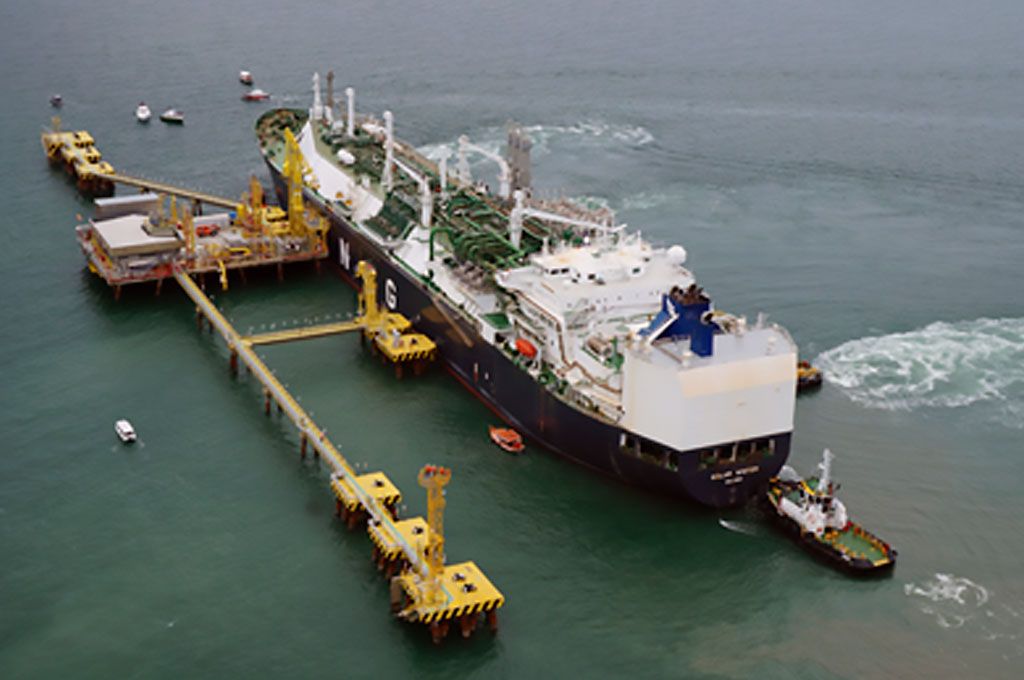
The Petrobras Decision Was Made After Golar Power’s President in Brazil, Eduardo Antonello, Became a Target of the Lava Jato Golar Corruption Investigation
Petrobras in Brazil disqualified the proposal submitted by Golar Power for the lease of its LNG terminal in the state of Bahia. According to public documents released by the government-controlled oil company, the due diligence conducted by the bidding committee concluded that Golar had a high degree of integrity risk.
Read Also
- The French Energy Giant, Total, Predicts the End of the Oil Era
- Agreement Signed Between Braskem and Tecipar Will Prevent More Than Two Thousand Tons of Plastic Waste From Being Disposed of Annually in SP
- Engevix Has Assets Blocked Amounting to 300 Million Reais by the Courts Last Monday
The decision was made after Golar Power’s president in Brazil, Eduardo Antonello, became a target of the Lava Jato corruption investigation concerning his previous activities as an executive at Seadrill, a platform operator that has charter contracts with Petrobras.
Golar was the only company to submit a bid in the LNG terminal auction. BP Energy requested more time to submit an offer, while Compass Gas and Energy declined to do so.
-
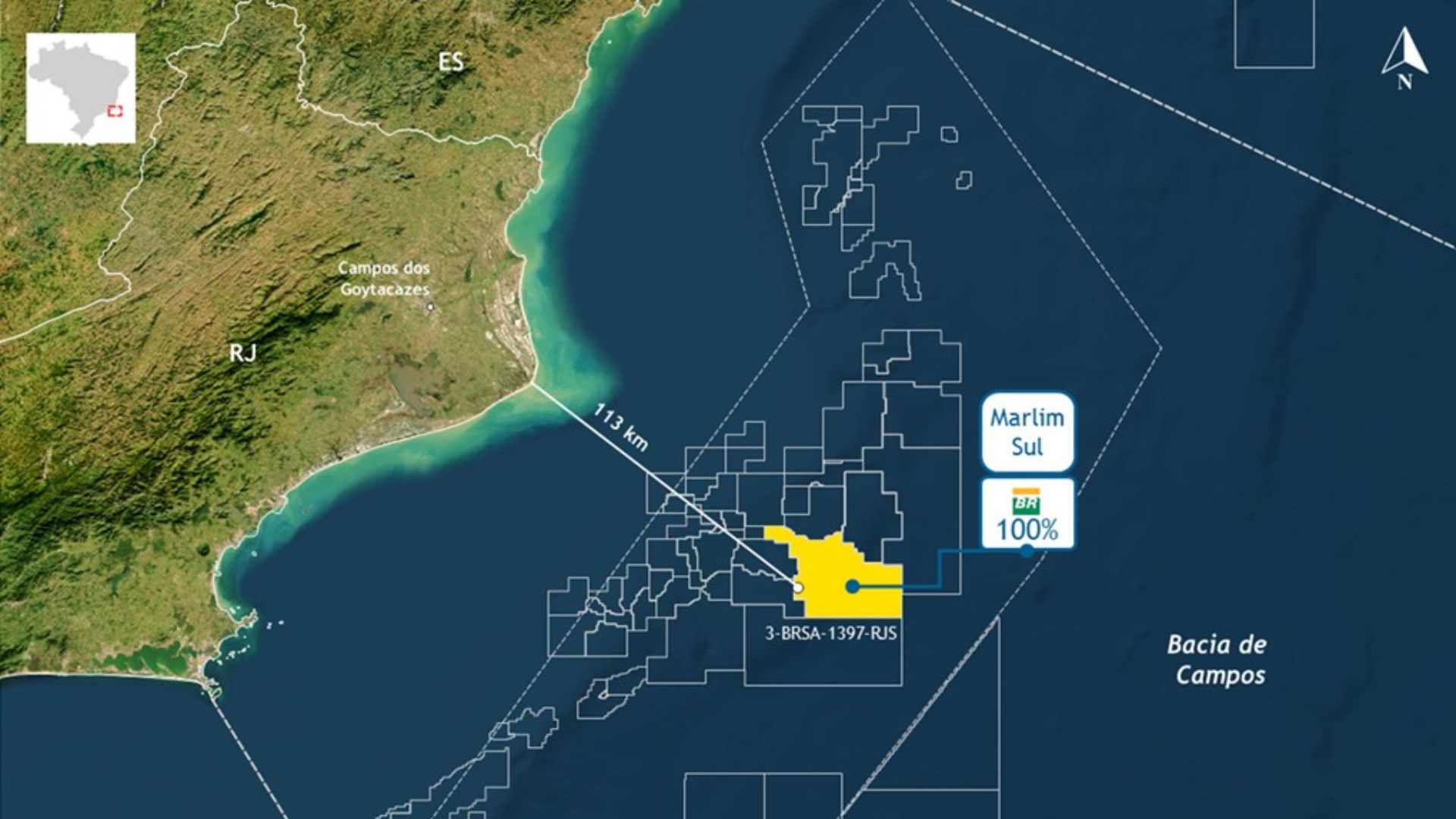
Petrobras finds high-quality oil in the pre-salt at 113 km from RJ and reignites expectations about strategic reserves in the Campos Basin.

-
Ocyan opens registrations for startups focused on innovation in the oil and gas sector and will select projects for Innovation Day with the support of Nexio.

-
Petrobras announces new oil discovery in the pre-salt of the Campos Basin and reinforces Brazil’s prominence with high-quality reserves that can increase production and energy revenues.
-
Alert in the fuel market: Analysts and a former director of ANP warn that oil prices may worsen in the coming months due to global instability.


In a statement, Petrobras said that the bidding process has entered the appeal phase. “If the contest ends without the submission of valid proposals by Petrobras, the company will conduct a new bidding process,” said the NOC.
Golar Power currently owns an LNG plant in Brazil, the Porto de Sergipe I thermoelectric plant in the state of Sergipe, in partnership with Celse, which is 50% owned by the company. The plant is supplied by the Ocean LNG joint venture between ExxonMobil and Qatar Petroleum.
The company also operates the Golar Winter FSRU, which is anchored at the Bahia terminal under a bareboat charter to Petrobras and has at least two LNG regasification terminal projects under development in the states of Santa Catarina (São Francisco do Sul) and Pará (Barcarena).
Based in London, Golar aims to bring LNG inland in Brazil, from regasification terminals along the coast or riverbanks to end consumers in unserved locations by the national gas pipeline network. To achieve this, the company plans to utilize the infrastructure of BR Distribuidora and a fleet of LNG-powered trucks provided by Alliance GNL.
BP Energy, which may still compete for the lease of the terminal in Bahia, is part of the Gás Natural Açu (GNA) joint venture with Prumo Logística and Siemens. The JV is constructing a thermoelectric plant at the Açu port in Rio de Janeiro state, which will primarily be powered by imported LNG supplied by the British oil company.
BP will also supply gas to the Nossa Senhora de Fátima thermoelectric plant in Macaé, Rio de Janeiro, where it holds 25% of the capital, with the remainder held by the Brazilian company Eneva.
“Just like Shell, ExxonMobil, and Total, BP has a lot of LNG in its portfolio and is seeking new markets. The Bahia terminal is a sales gateway for LNG in Brazil. More importantly, it is an existing gateway,” said Sylvie D’Apote, managing partner at Prysma E&T Consultores, to BNamericas. “BP will supply LNG at the Porto do Açu, and the Bahia terminal could function as an alternative delivery point should the Rio de Janeiro plant not require new loads.”
Since 2017, BP has acquired eight offshore blocks in the Campos and Santos basins. If exploration results in new fields, the oil company could build a pipeline network to transport its production to the Açu port or Macaé.
Compass Gas and Energy belongs to the Cosan group and focuses on gas distribution through Comgás (also a Cosan company), infrastructure, thermoelectric generation, and electricity commercialization.
Cosan has submitted to the environmental regulatory agency Ibama projects for constructing two new offshore gas pipelines: Route 4, 270 km long, is expected to connect block BM-S-8 in the Santos basin to a new natural gas treatment unit in Cubatão, inland São Paulo, while its 231 km pipeline from Route 4b will link the same block to the port of Itaguaí in Rio de Janeiro.
The Brazilian group also has a project to build an LNG regasification terminal in Lagoa Canéu, which will be interconnected with Comgás’ gas distribution network in Cubatão, inland São Paulo.
Source: BNamericas









Seja o primeiro a reagir!