





 Portuguese
  English
  Spanish
  5 min of reading
  0 comments


Agreement Between Petrobras and Amazon Brazil Drives Low-Carbon Fuel Projects in Logistics Transport, Reinforcing Sustainability and Innovation Initiatives in the Energy Sector
In a strategic move that marks a new chapter in Brazil’s energy transition, Petrobras and Amazon Brazil announced on Wednesday (1) the signing of a Memorandum of Understanding (MOU) for the development and implementation of low-carbon fuels aimed at the logistics transport sector. The initiative aims to accelerate sustainability in the country’s logistics operations, focusing on reducing emissions and promoting environmentally responsible practices.
Strategic Alliance Between Petrobras and Amazon Brazil
Claudio Schlosser, Director of Logistics, Commercialization, and Markets at Petrobras, stated that the partnership aims to create strategic business opportunities for both companies, driving the decarbonization process and promoting concrete benefits for society and the environment.
The collaboration between Petrobras and Amazon Brazil was formalized in the presence of Claudio Schlosser and Ricardo Pagani, Director of Logistics at Amazon Brazil. The agreement establishes guidelines to identify opportunities that integrate Petrobras’s energy expertise with Amazon Brazil’s commitment to decarbonization of its operations.
-
The Economist states that Brazil has a “secret weapon” against expensive oil and highlights how the country can reduce economic impacts even in international scenarios of high volatility.

-
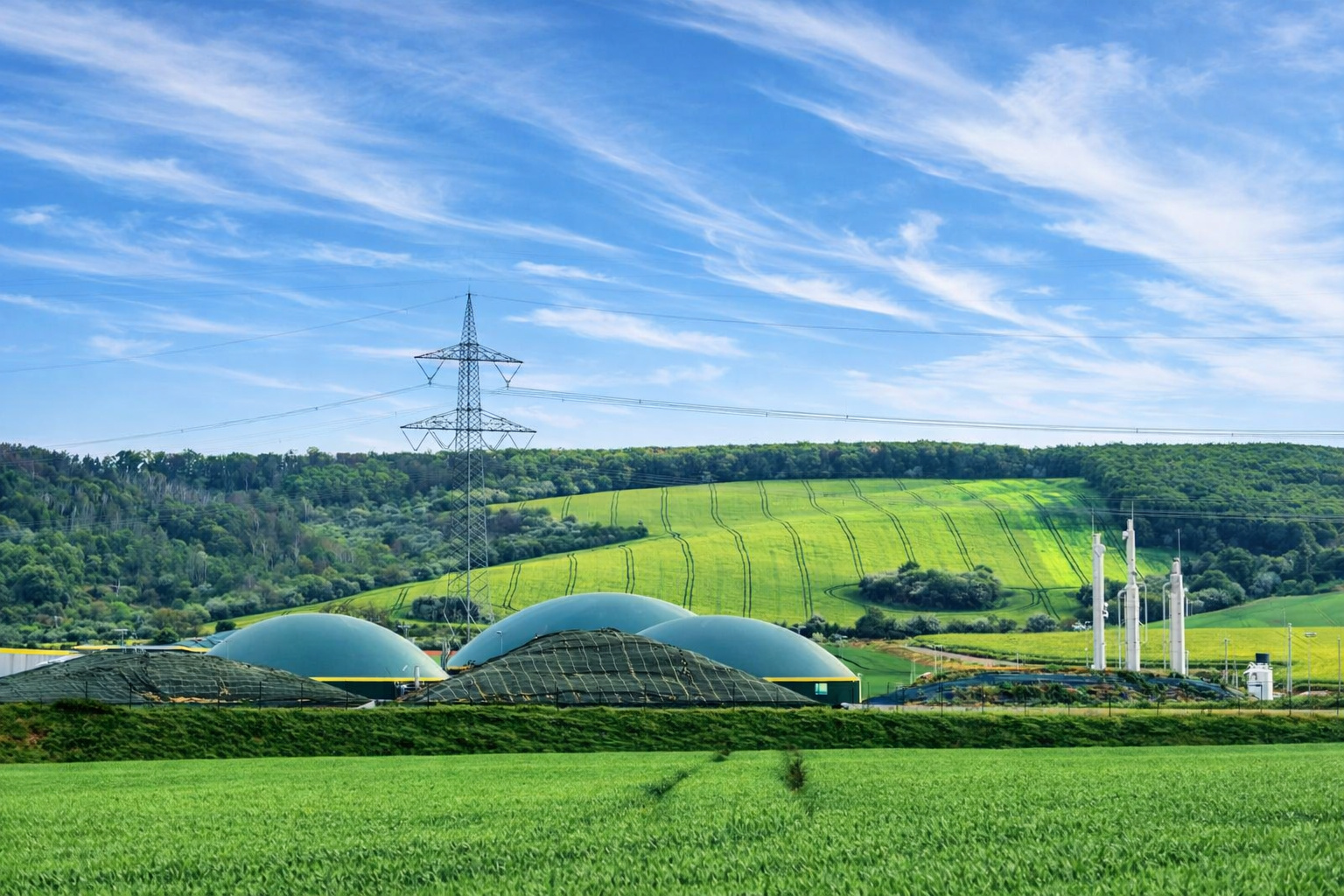
Brazil accelerates decarbonization in the South: International forum in Foz do Iguaçu gathers leaders to discuss the advancement of biomethane in the energy matrix and the potential of “caipira pre-salt.”
-
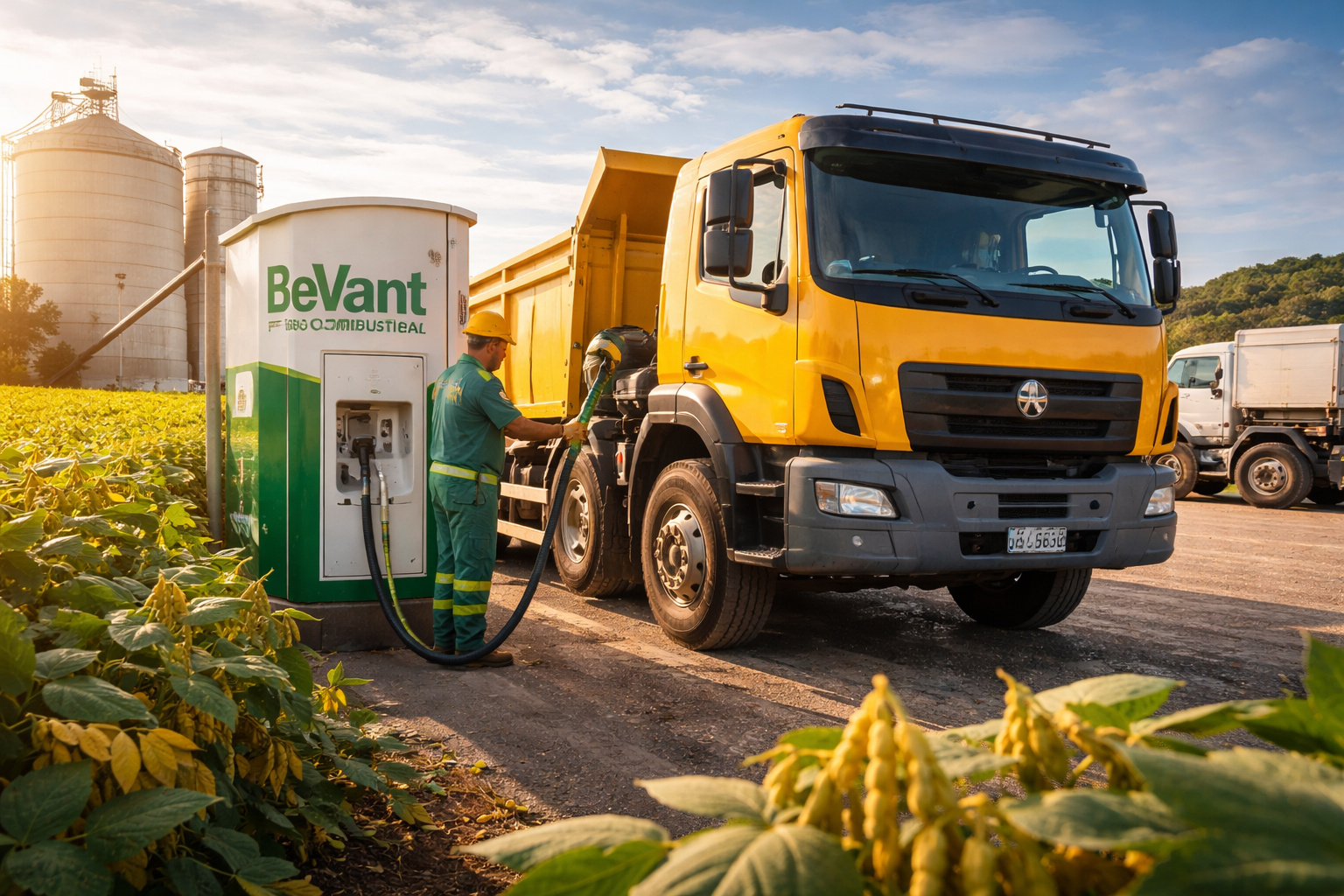
As diesel prices soar due to conflicts in the Middle East, a Brazilian city decides to test a little-known biofuel that promises to completely replace fossil fuel without adaptation and could change the future of energy in the country.
-
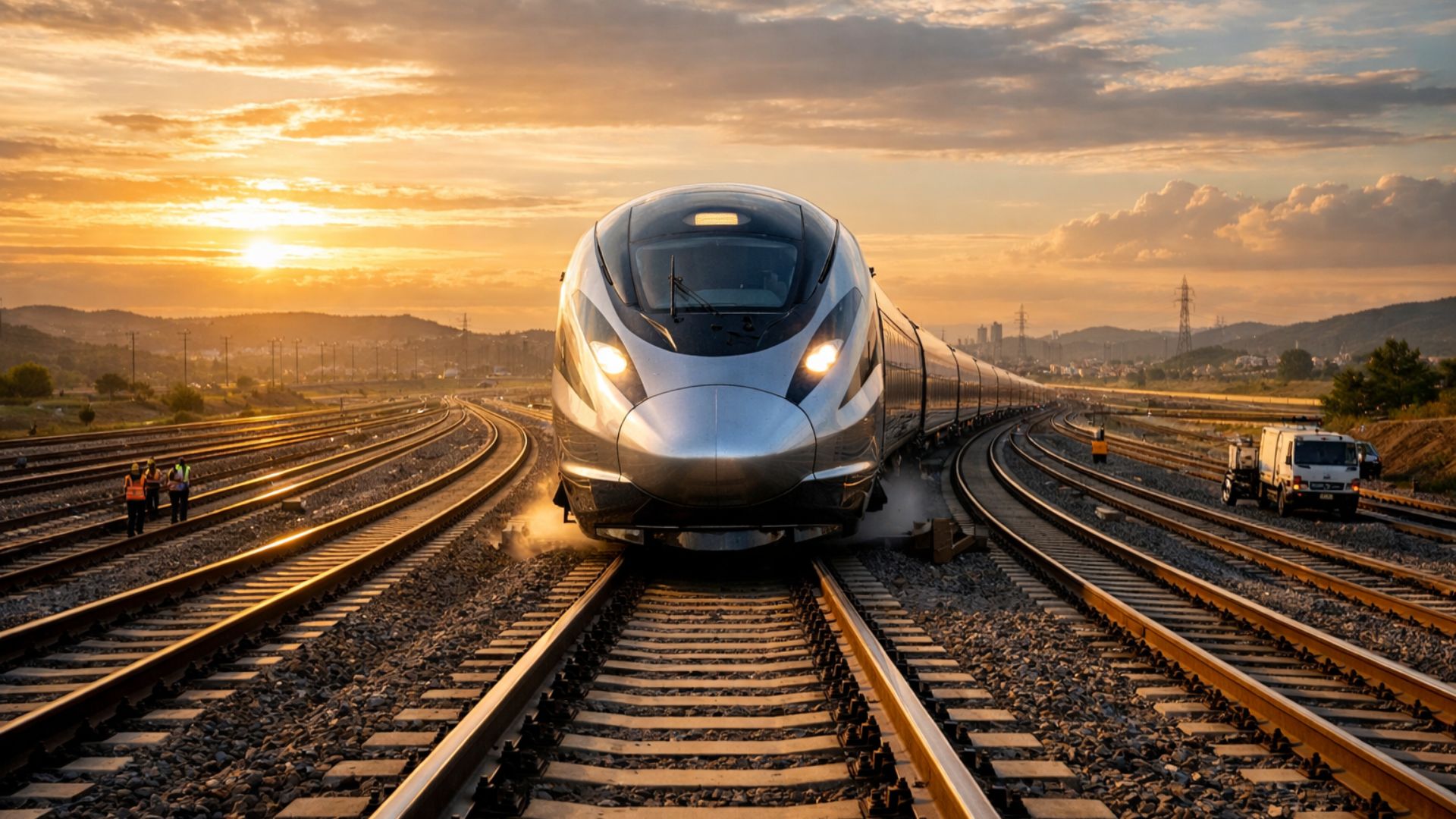
São Paulo surprises the world with a colossal railway network project that promises over 1,000 km of tracks, R$ 194 billion in investments, and 40 projects connecting the capital to the interior with fast and sustainable trains.

The Memorandum of Understanding is a significant step towards the goal of zeroing net carbon emissions by 2040, Pagani highlighted, reinforcing the alignment of the initiative with Amazon’s commitment to The Climate Pledge.
The partnership is considered unprecedented in Brazil, uniting two giants in their respective sectors to tackle one of the biggest global challenges: reducing greenhouse gas emissions in the logistics sector.
Low-Carbon Fuels as a Solution for Logistics Transport
The MOU outlines three main areas of action:
- Development of certified low-carbon fuels, such as those of the ISCC Plus standard, prioritizing low carbon intensity residual raw materials.
- Pilot programs to integrate these fuels into Amazon Brazil’s transport network.
- Implementation of market mechanisms, such as Book and Claim and Mass Balance systems, that make fuels more accessible for small and medium-sized companies in the logistics sector.
These actions aim to promote a profound transformation in the energy matrix of logistics transport, a sector that accounts for approximately 65% of cargo movement in Brazil, according to the National Logistics Plan (PNL 2035), developed by the Company of Planning and Logistics (EPL) and the Ministry of Transport.
Petrobras Invests in Innovation with Diesel R
Petrobras already has established experience in developing renewable fuels. One example is Diesel R, a product with 5% renewable content, produced at the Presidente Getúlio Vargas Refinery (Repar) in Paraná, and the Presidente Bernardes Refinery (RPBC) in São Paulo.
Diesel R is compatible with the most demanding engines and does not require changes in the logistics chain, which facilitates its large-scale adoption. Additionally, it offers greater durability and lower risk of mechanical failures, being an efficient and sustainable alternative for road transport.
This type of fuel is considered essential for the energy transition, as it allows for emissions reductions without compromising vehicle performance.
Sustainability and Social Impact in the Logistics Chain
The collaboration between Petrobras and Amazon Brazil can also generate positive impacts on the economy. The use of residual raw materials for fuel production can benefit farmers and cooperatives, turning waste into valuable energy resources.
Moreover, job creation in agricultural processing and fuel production can stimulate regional development and promote social inclusion. Sustainability, in this context, ceases to be merely an environmental goal and becomes a driver of economic and social transformation.


Amazon Brazil and the Decarbonization of Logistics Transport
Amazon Brazil has been expanding its operations in the country with a focus on innovation and operational excellence. The company maintains an ongoing commitment to sustainability, investing in technologies that reduce the environmental impact of its activities.
The decarbonization of the transport network is essential to meet Amazon’s climate goals, and the partnership with Petrobras represents a significant advance in that direction.
The company already has initiatives aimed at fleet electrification, route optimization, and the use of sustainable packaging. With the adoption of low-carbon fuels, Amazon Brazil expands its portfolio of green solutions and reinforces its leadership in sustainable logistics practices.
Challenges for the Adoption of Sustainable Fuels
Despite the advances, the implementation of low-carbon fuels on a large scale still faces challenges. Among them are:
- Appropriate production and distribution infrastructure.
- Competitive production costs.
- Market adoption, especially by small and medium-sized enterprises.
Petrobras and Amazon Brazil intend to tackle these obstacles through innovation, strategic partnerships, and incentive programs. The use of systems like Book and Claim allows companies to acquire sustainable fuel credits, even without direct access to the physical product, democratizing access to decarbonization.
The Role of Brazil in the Global Energy Transition
Brazil has competitive advantages to lead the global energy transition. The abundance of biomass, expertise in biofuels, and refining infrastructure place the country in a privileged position to develop sustainable solutions.
The partnership between Petrobras and Amazon Brazil reinforces this vocation, demonstrating that it is possible to unite technology, innovation, and environmental responsibility in large-scale projects.
Investing in low-carbon fuels is investing in Brazil’s future, with benefits that extend beyond the energy sector, reaching areas such as agriculture, transport, industry, and commerce.
More Sustainable Logistics with Petrobras and Amazon
The initiative between Petrobras and Amazon Brazil represents an important milestone in the search for sustainable solutions for the transport sector. By uniting technology, innovation, and environmental commitment, the companies demonstrate that it is possible to reconcile economic growth with climate responsibility.
The expectation is that other companies will follow suit, promoting a systemic transformation in Brazilian logistics. With public incentive policies, private investments, and societal engagement, Brazil can accelerate its energy transition and become a global reference in sustainability.









Seja o primeiro a reagir!