





 Portuguese
  English
  Spanish
  7 min of reading
  0 comments



The Brazilian state-owned company implemented the new price increase for aviation kerosene (QAV) at national refineries, but opened an unprecedented negotiation to facilitate the payment of the financial impact for airlines.
Petrobras applied a new price increase for aviation kerosene of 55% in the sales tables for distributors, raising the operational costs of Brazilian airlines in April 2026.
This adjustment reflects the volatility of the international oil market and exchange rate fluctuations, components that dictate the state-owned company’s fuel pricing policy. However, to mitigate the immediate impact on the cash flow of the sector, the oil company proposed an unprecedented installment payment model for this increase.
The measure aims to balance the need to pass on costs from the oil company with the financial health of the carriers, which still face structural challenges in the post-pandemic period. The civil aviation market consumes millions of cubic meters of QAV annually. Any percentage variation directly reflects on the ticket prices paid by the end consumer.
-
The rise in oil prices could ensure an extra revenue of R$ 100 billion for the Federal Government, indicates a recent economic study.

-
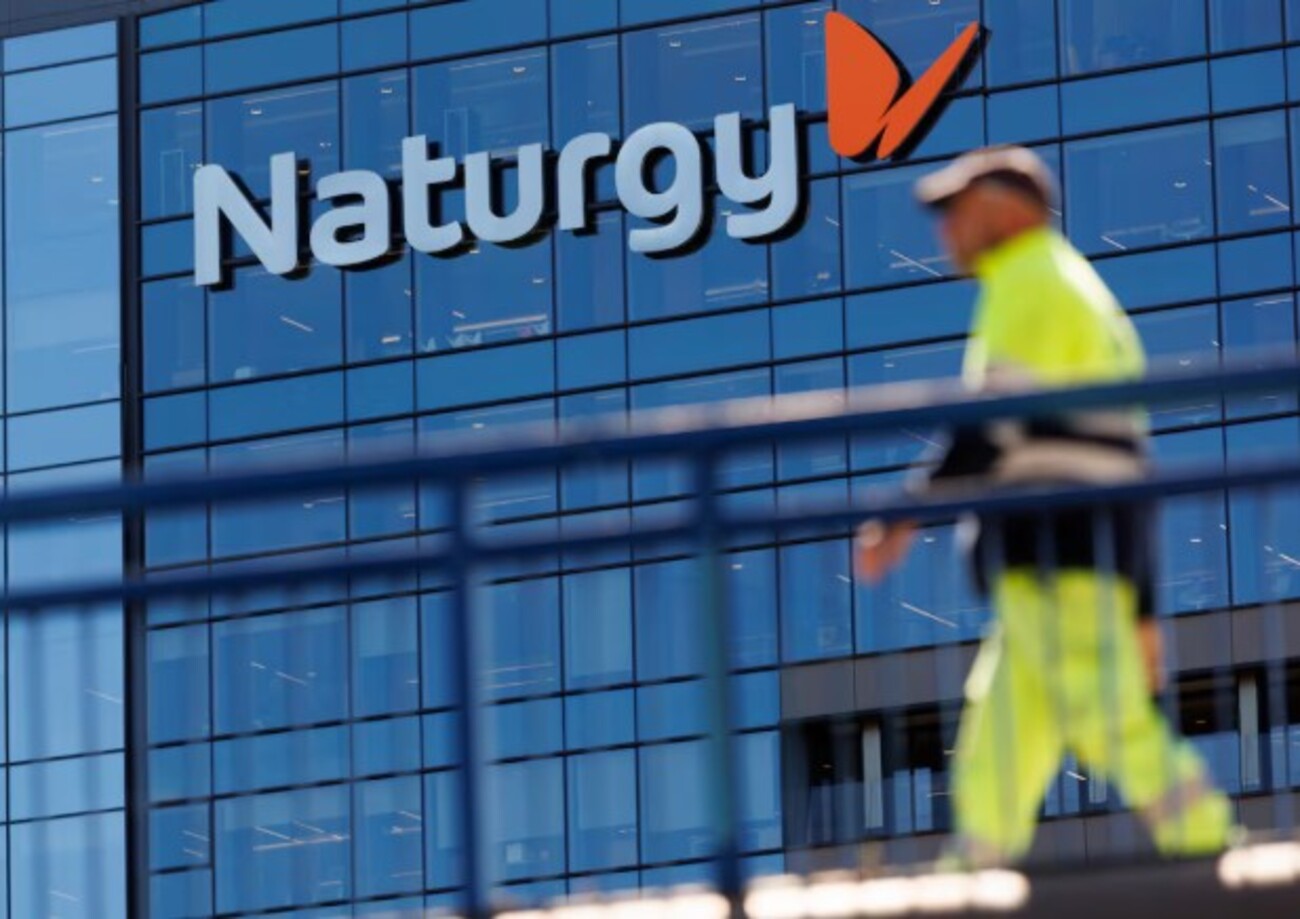
Naturgy begins an investment of R$ 1.6 million to expand the gas network in Niterói and benefit thousands of new residences and businesses.
-
A major turn in the Justice system suspends tax increases and directly impacts oil and gas companies in Brazil by affecting costs, contracts, and financial planning, leaving uncertain what could happen to the sector if these costs had increased.

-
Brava Energia begins drilling in Papa-Terra and Atlanta and could change the game by reducing costs in oil while increasing production and strengthening competitiveness in the offshore market.


Industry experts indicate that fuel accounts for about 40% of the total costs of a domestic flight. This adjustment becomes a critical point for the national air network this season.
The logistical impact of the price increase for kerosene on airlines
Airlines operate with extremely narrow profit margins, and the recent price increase for aviation kerosene pressures the sustainability of regional and international routes.
When Petrobras changes the price at refineries, companies need to instantly recalculate the cost per seat-kilometer offered. The aviation fuel has strict technical specifications and does not allow for immediate substitution, which leaves the sector hostage to fluctuations in Brent crude oil on the global market.
Petrobras’ installment proposal comes as a “breath of fresh air.” By allowing companies to pay the differential of the increase over extended terms, the state-owned company avoids an immediate collapse in network planning.
However, the sector warns that this accumulated debt will need to be settled in the future. This could keep ticket prices high for a longer period.
The logistics of supply at major Brazilian hubs, such as Guarulhos and Brasília, requires a constant financial flow. And the increased QAV alters the dynamics of storage and distribution for major energy distributors operating at airports.
Why did Petrobras decide to parcel the fuel price increase?
The decision to offer an installment plan for the price increase of kerosene demonstrates a shift in Petrobras’ commercial sensitivity towards its large corporate clients.
The state-owned company recognizes that the airline sector is one of the engines of the Brazilian economy, facilitating tourism and the transport of high-value goods. If airlines reduce flights due to the cost of the input, Petrobras itself loses sales volume.
This strategic move also aims to avoid more severe government interventions in pricing policy. By negotiating directly with companies, the oil company maintains its administrative autonomy while offering a market solution to a conjunctural problem.
The installment focuses on the “delta” of the increase, that is, on the difference generated by the 55% adjustment. This financial engineering allows airlines to maintain their operations without the need for emergency capital infusions or massive flight cancellations in the short term.
The composition of QAV pricing and the influence of the dollar
To understand the price increase of kerosene, consumers need to observe the basket of indicators that Petrobras uses. QAV follows the Import Parity Price (IPP) more closely than gasoline or diesel, as Brazil still depends on imported volumes to meet the total demand of airports.

The dollar exchange rate acts as the main villain or hero of this story; since oil is traded in US dollars, any depreciation of the real automatically increases the cost of fuel at Brazilian refineries.
In 2026, global tensions and demand for transport in Asia keep oil prices elevated. Petrobras refines a large portion of kerosene in Brazil, but opportunity costs and the logistics of transporting crude oil to refineries also factor into the equation.
Consumers feel the reflection of this complexity at the check-in counter. Although the installment plan helps companies, it does not negate the final price of the product, which keeps pressure on the Broad National Consumer Price Index (IPCA).
The reflection on the passenger’s wallet and the variation in ticket prices
The price increase of kerosene generates a chain reaction that affects the passenger. Airlines use dynamic pricing algorithms that take into account the cost of fuel in real-time.
With the 55% adjustment, the natural trend indicates a correction in fare prices to maintain the viability of flights. Last-minute trips or during peak seasons may show increases exceeding the fuel index, as companies try to restore their profit margins.
Interestingly, the installment proposed by Petrobras may delay the full pass-through to ticket prices. If the airline can soften the payment for fuel, it gains time to adjust its promotions and try to maintain aircraft occupancy.


The airline sector faces the dilemma of passing on the cost and losing passengers or absorbing the loss and risking its operation. The current scenario demands impeccable financial management from carriers to avoid passing every penny of the increase onto consumers.
Curiosities about Aviation Kerosene (QAV)
Many do not know, but the price increase of kerosene affects an extremely pure and specific fuel. QAV-1, the type used in Brazil, undergoes refining processes that ensure its resistance to extremely low temperatures, common at cruising altitudes.
If the fuel freezes or presents impurities, the aircraft engine may fail, making its production and transport much more expensive than automotive gasoline.
Another curiosity lies in the volume consumed. A Boeing 737, a common model in Brazilian domestic aviation, consumes approximately 2,400 liters of kerosene per hour of flight. With the 55% increase, each hour in the air costs significantly more for the operator.
Multiplying this by hundreds of daily flights, the figures quickly reach millions. Therefore, energy efficiency has become the obsession of aircraft manufacturers, who seek engines that “drink” less fuel to mitigate these price variations.
The cargo sector and the impact on e-commerce
It is not only passengers who suffer from the price increase of kerosene. The air logistics sector transports a large part of the products sold in Brazilian e-commerce.
Packages that cross the country in 24 hours depend exclusively on aviation. The QAV adjustment raises the cost of air freight, which can increase the prices of electronics, medications, and urgent industrial supplies.
Air logistics companies are also trying to negotiate long-term contracts to ensure predictability, but Petrobras’ monthly adjustments complicate this planning. The installment of the increase helps maintain the flow of deliveries, but the structural impact remains.
Brazil, due to its continental dimensions, relies on air transport to integrate distant regions, and the cost of fuel acts as a barrier to the competitiveness of national products in markets far from production centers.
Sustainable alternatives: The future beyond oil
In light of each new price increase of kerosene from fossil sources, the debate about SAF (Sustainable Aviation Fuel) gains momentum.
Greenpeace and other organizations advocate that Brazil should lead the production of biofuels for jets, using organic waste and vegetable oils. SAF would reduce dependence on Petrobras and fluctuations in the dollar, as well as decrease the sector’s carbon footprint.
Currently, sustainable fuel still costs more than conventional QAV. However, large-scale investments could reverse this logic in the next decade. Petrobras is already studying the production of “green diesel” and sustainable kerosene in its modernized refineries.

If Brazil consolidates this industry, the billion-dollar adjustments in oil prices will no longer be the only variable in the cost of flying, offering a more stable and ecological alternative for national aviation.
The role of ANAC and the Federal Government in monitoring the price increase of kerosene
The Federal Government closely monitors the price increase of kerosene through the Ministry of Ports and Airports and ANAC. Although there is no direct price control, as the market is free, the government acts as a mediator between Petrobras and airlines.
The goal is to prevent fuel inflation from destroying the expansion plans of regional aviation, which aims to connect inland cities to major economic centers.
There are discussions in Brasília about revising state taxes (ICMS) on QAV in various states to offset the increase at refineries. Some governors have reduced the rate to attract new flights to their airports, creating a fiscal competition that benefits the sector.
However, the calculation base always starts from Petrobras’ selling price, which makes the state-owned company the main player in this financial equation.
A delicate balance for Brazilian aviation
The price increase of aviation kerosene by 55% poses a management challenge for Brazilian companies in 2026. Petrobras’ installment proposal demonstrates an attempt at industrial cooperation to avoid systemic crises, but does not eliminate the real burden of fuel on the cost sheet.
Operational efficiency and the search for new energy sources become essential for flying to remain accessible to a significant portion of the population.
Monitoring the evolution of prices at refineries is crucial for passengers and companies. The global scenario remains uncertain, and new variations may occur as the geopolitics of oil unfolds.
Brazil, with its enormous energy potential, needs to find ways for the abundance of resources to translate into cheaper tickets and faster transportation. While sustainable kerosene does not dominate the skies, the country continues to balance the accounts between the price of oil and the Brazilian desire to shorten distances by air.









Seja o primeiro a reagir!