





 English
  Francês
  Alemão
  Italiano
  Japonês
  Norueguês
  Portuguese
  Spanish
  3 min of reading


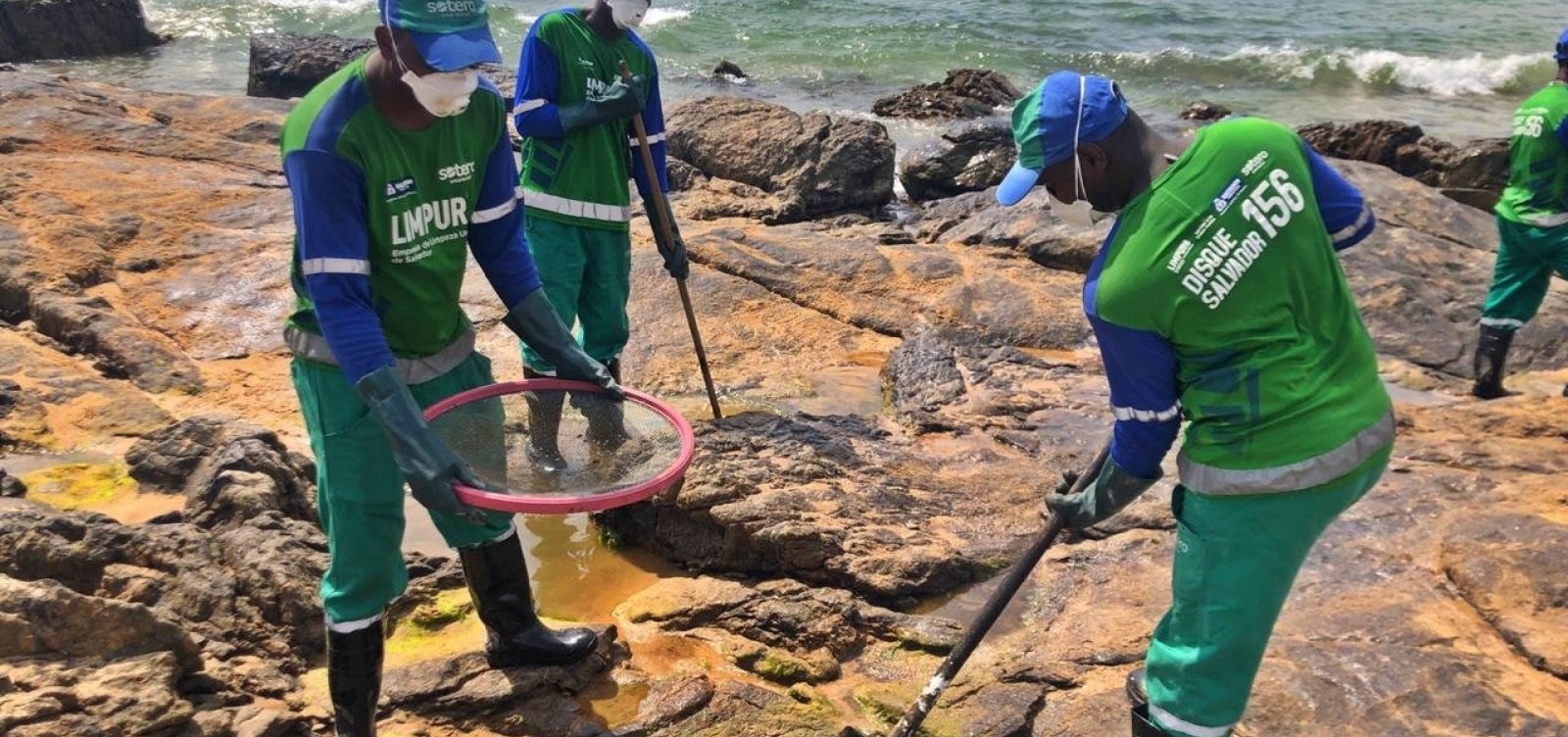
Petrobras Conducted Overflights Along the Northeast Coast, But Could Not Identify the Oil’s Path, Making It Impossible to Install Containment Barriers.
On Friday, the 25th, Petrobras concluded that the oil that has been reaching Northeast beaches since the end of August is a mixture of production from three fields in Venezuela. According to the state-owned company, investigations also indicate a probable origin of the spill from a ship.
This does not mean that Venezuela has direct responsibility for the oil spill on the Brazilian coast, as the material could have been loaded onto a ship from any origin, including illegal vessels.
-
Government unlocks R$ 554 million for a highway that has been requested for decades and accelerates the duplication of BR.
-
Without bricks, without cement, and without endless construction: the cardboard house that is assembled in modules and can be moved.

-
Billions of barrels on the equatorial margin could lead Amapá to double its oil production in Brazil — the state aims to enter the route of companies in the Campos Basin, attract investments, and boost jobs and businesses in the oil and gas sector.

-
Without bricks, without cement, and without endless construction: the cardboard house that is assembled in modules and can be moved.

The conjecture that the oil released into Brazilian waters is the result of the criminal operation of a “ghost ship” is, according to the Navy, one of the most probable currently because, according to technical assessments, the oil contaminating the Northeast beaches is not bought by any other country in the world.
“Each oil or petroleum has a geochemical signature based on its composition, which is very specific. That’s why we can tell whether the oil came from Venezuela, the Santos basin, Saudi Arabia (including from the wells). There are global databases that provide this geochemical signature of the oil. And it is an easy analysis to perform and identify the origin,” explains Vanessa Hatje, a Chemical Oceanography specialist at the Federal University of Bahia.
“We compared the origin analysis with more than 30 samples and concluded that it is from three Venezuelan fields, a blend of the oil from there,” said Eberaldo, Corporate Affairs Director of the company, during a meeting that detailed the company’s results for the third quarter.
The executive stated that Petrobras compared combating the spill to “looking for a needle in a haystack,” since the origin is unknown.
Neto emphasized that the lack of knowledge about the origin of the spill complicates the combat strategy, as it is only possible to identify the product when it reaches the beaches.
The company conducted overflights along the Northeast coast but was unable to identify the oil’s path. He further noted that it is not possible to install containment barriers to prevent the patches from reaching the shore.
“When it leaks from a production facility, we detect the origin and can combat it more easily. When there’s no factor of origin, we don’t know how and when it happened, it’s like [looking for] a needle in a haystack,” he explained.
- Petrobras Plans to Resume Ownership of Its Platforms
- Navy Opens 344 Positions for a Competition with Salaries Over 9 Thousand Reais








Seja o primeiro a reagir!