





 Portuguese
  English
  Spanish
 3 min of reading
  2 comments





Discover How the Expansion of Transpetro’s Fleet and the Reuse of Platforms Can Strengthen the Brazilian Naval Industry and Reduce Dependence on Foreign Shipyards.
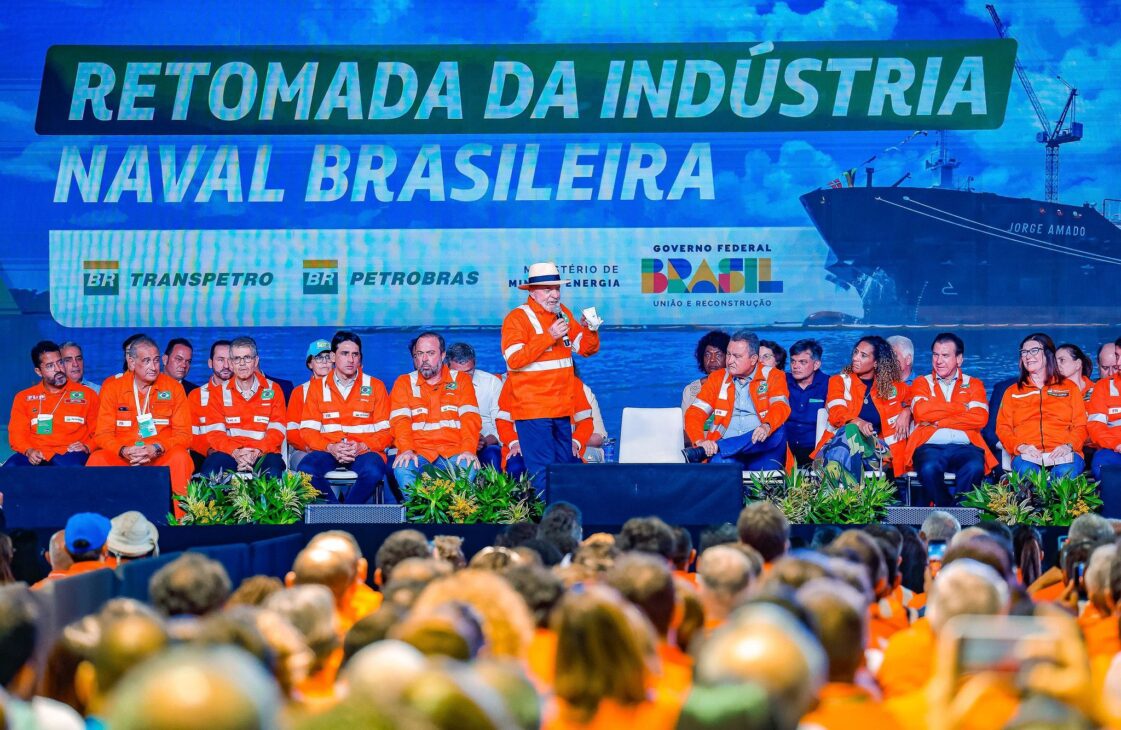
The Brazilian naval industry may be about to enter a new phase of growth! President Lula announced yesterday (17), in Angra dos Reis RJ, a package of investments worth R$ 58 billion to reactivate the sector, with an expectation of generating 60,000 jobs by 2026 in the states of Rio de Janeiro and Espírito Santo.
The project includes the expansion of Transpetro’s gas carrier fleet and a plan for the reuse of Petrobras platforms that are in the demobilization phase.
But can this movement truly strengthen the Brazilian naval industry and reduce Brazil’s dependence on foreign shipyards?
-
Europe is trying to create an ammonia-powered marine engine without auxiliary fuel, which could unlock the race for giant emission-free ships. The technology aims to eliminate one of the biggest obstacles to clean maritime propulsion.
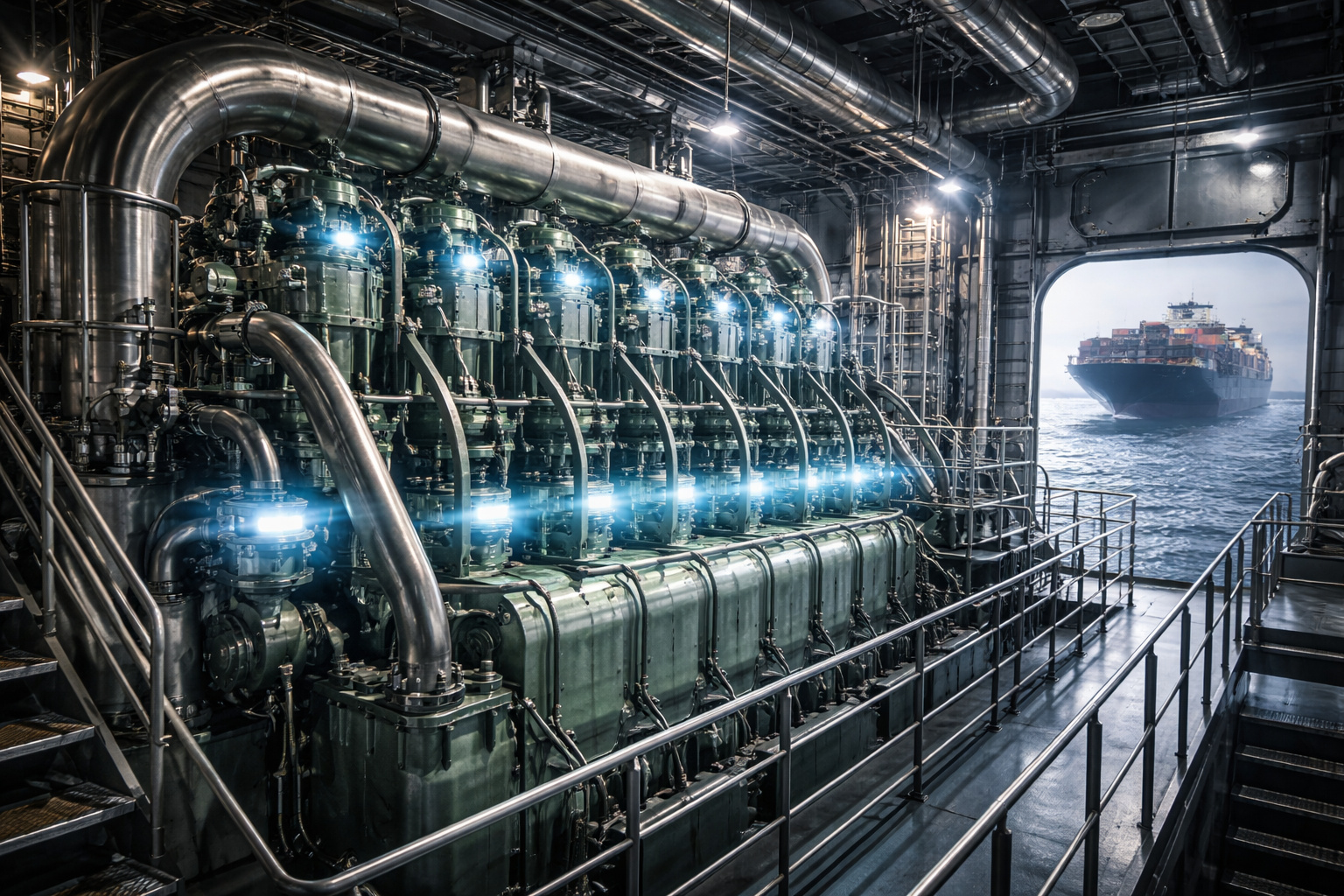
-
A 4,500-ton frigate with just over 100 crew members, state-of-the-art radar, and cruise missiles is being touted as the new standard of naval warfare in the 21st century.
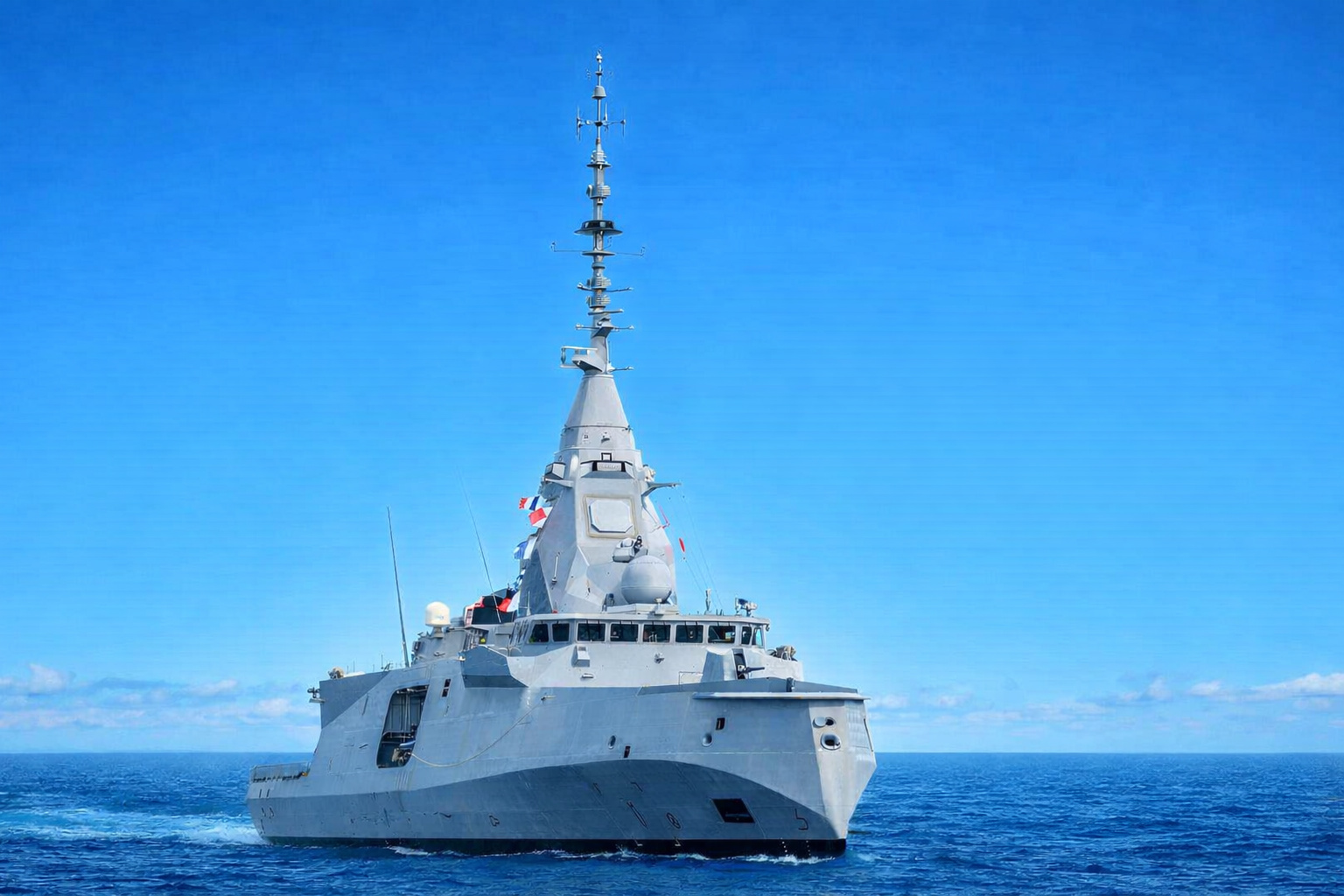
-
The first commercial hydrogen-powered ferry enters operation in the U.S., eliminates the use of diesel, uses fuel cells to generate clean energy on board, and transforms San Francisco Bay into a landmark of the new era of emission-free navigation.
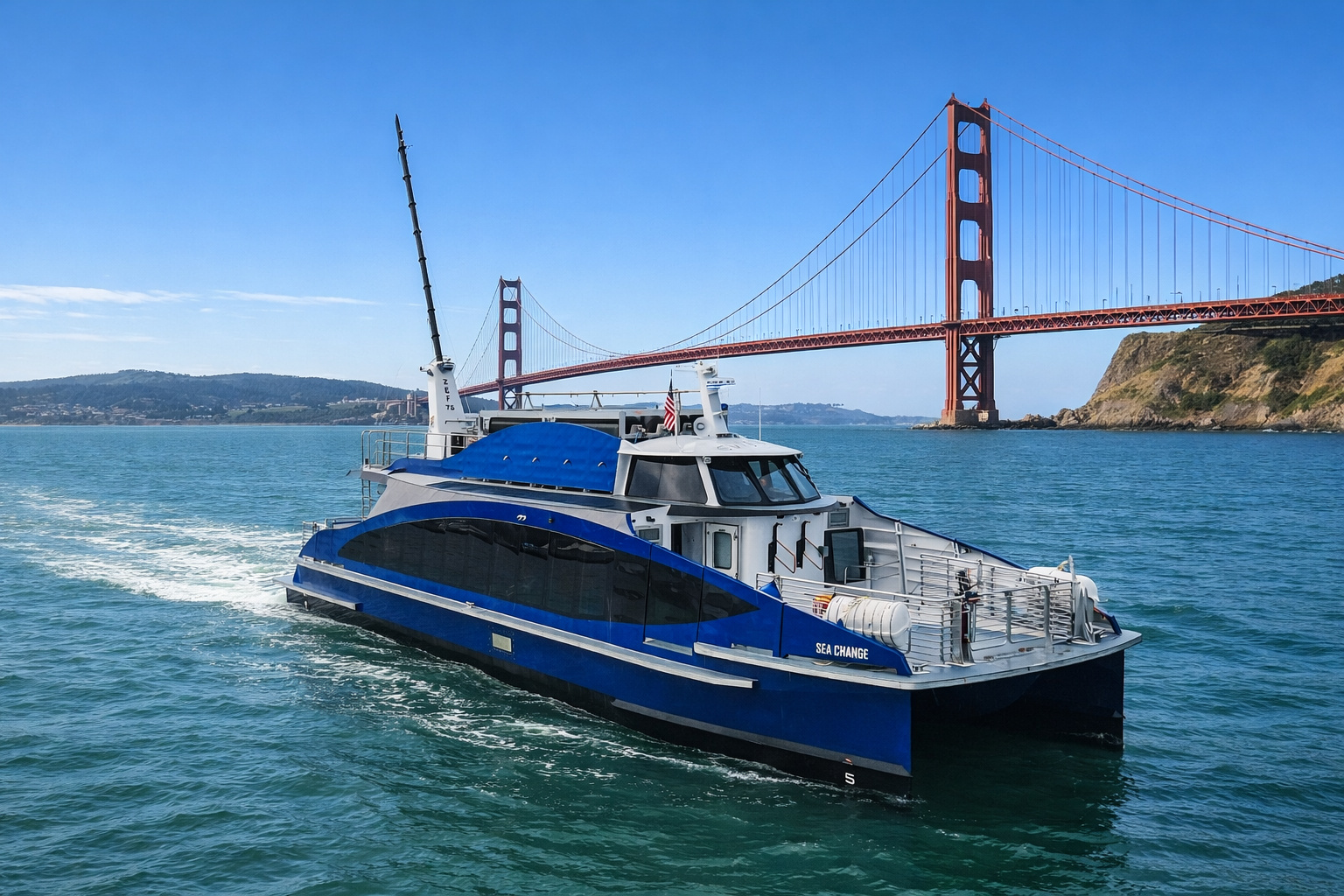
-
With a length of 121 meters and four rigid sails of 36 meters that automatically rotate to capture the wind, Canopée is the world’s first hybrid industrial cargo ship powered by wind, used to transport rockets and reduce fuel consumption by up to 30% on transoceanic routes.
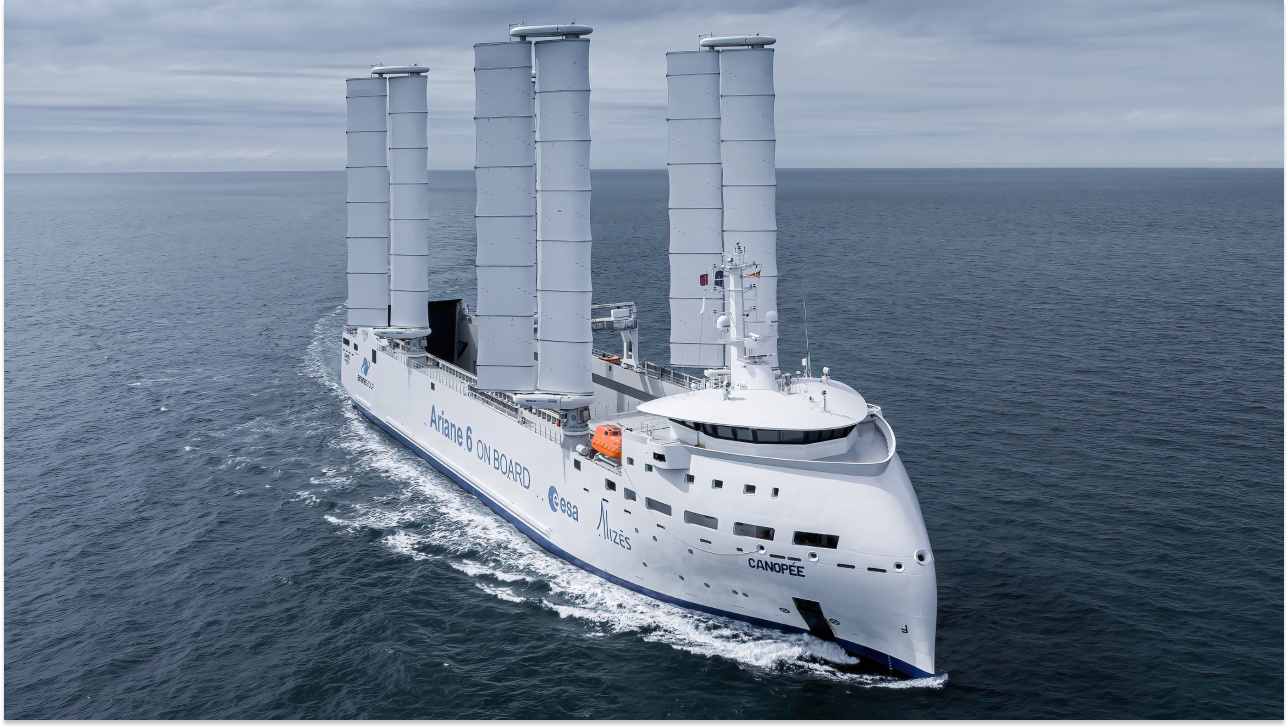

Expansion of Transpetro’s Gas Carrier Fleet Promises to Triple LPG Transport Capacity!
One of the pillars of this investment is the international bidding for the acquisition of eight new gas carriers.
With this initiative, Transpetro will expand its fleet from six to 14 vessels, significantly increasing its transport capacity of liquefied petroleum gas (LPG) and adding the ability to transport ammonia.
This means that Petrobras will be able to reduce logistics costs and have more autonomy in fuel distribution, which can benefit the entire production chain and the final consumer. Will this be the start of logistical independence for Brazil in the naval sector?
⚓ Brazil Bets on the Reuse of Platforms to Reduce Costs and Boost the Naval Sector
Another key point in the resumption of the naval industry is the signing of Memorandums of Understanding to study the reuse of Petrobras platforms that are being demobilized. This initiative can bring various strategic benefits, such as:
✅ Cost reduction in replacing old platforms
✅ Strengthening the national supply chain
✅ Promotion of the circular economy and sustainable practices
If well executed, the project can boost domestic shipyards, giving them the opportunity to work on the renovation and modernization of these structures. But will this model be sufficient to ensure the recovery of the Brazilian naval sector?
Lula Defends State-Owned Petrobras and Critiques High Fuel Prices
During the event, Lula reinforced the importance of Petrobras as a state-owned company and criticized the narrative that the company is responsible for high fuel prices.
The president highlighted that a liter of gasoline comes from Petrobras at around R$ 3 but reaches the consumer for R$ 6, pointing out market interferences as one of the villains of this difference.
He also reaffirmed that the government is committed to the recovery of the naval industry, reminding that Brazil once had one of the largest naval hubs in the world.
With this new phase of investments, the government intends to make national shipyards more competitive and recover jobs lost in recent years.
But will this strategy be enough to reduce Brazil’s dependence on foreign shipyards like those in China and South Korea?
Can Brazil Avoid New Impacts from Tensions Between the U.S. and China in the Naval Sector?
Petrobras’s actions come at a strategic moment. Recently, the U.S. placed major Chinese shipyards on a blacklist, which could affect global contracts and raise the costs of vessel construction.
In light of this scenario, the question remains: is Brazil preparing to be less vulnerable to these international decisions, or will it still rely on the external market to keep its fleet operating?
With an investment of R$ 58 billion and the generation of thousands of jobs, the country has the chance to revive its naval industry and strengthen its sovereignty in the offshore sector.
But will this movement be enough to ensure Brazil’s competitiveness in the global market?
What do you think about the revival of the Brazilian naval industry? Leave your opinion in the comments! ⬇️


Gov and Petrobras Agency









Respondendo a pergunta, “Será será que esse movimento será suficiente para garantir a competitividade do Brasil no mercado global?”
Claro que não!!!!!!!!
Falta mão de obra especializada com décadas de experiência, a construção naval no Brasil vive de reforma em sua grande maioria, construindo embarcações pequenas quando essas surgem.
Lembrando sem ofender que nem todos esses profissionais são aptos a trabalhar em obras novas de grande porte.
Estaleiros brasileiros não possuem projetos próprios de embarcações variadas.
Setor metal mecânico pobre voltado a esse setor.
Dependência da importação de vários componentes, máquinas, motor,sistema de navegação, módulos de banheiro, etc.( Qual empresario vai investir, sem garantia de lucro ou continuidade dos projetos? )
Importação leva tempo, esbarra em impostos elevados e burocracia, colaborando para atrasar a obra, principal motivo para não haver encomendas internacionais.( O armador quer ter a embarcação o mais rápido possível, estaleiros asiáticos constroem um navio em 50 dias ou menos, a partir do primeiro corte de chapa!!! )
Agora, imagina cumprir prazo em um país como Brasil, alguém grita greve e a empresa para por dias, piada né?
De novo isso,e vamos largar navios quase prontos pro ferrugem comer,