





 Portuguese
  English
  Spanish
  3 min of reading



The Objective of the Company Is to Ensure More Efficiency and Quality in Geophysical Research in the Pre-Salt Areas and the Equatorial Margin. Petrobras’ New Supercomputer Gaia Will Increase the Probability of Success in the Choice of Exploration Areas.
Investments in new technologies and solutions to ensure the optimization of Petrobras’ operations are in full swing this Friday, (01/20). The company intends to invest R$ 76 million in the development of a new supercomputer, Gaia, over the next few months. It will serve to conduct geophysical research with higher quality in the pre-salt areas and the Equatorial Margin. The state-owned company hopes to minimize the margin of error in exploration projects with the new equipment.
New Petrobras Supercomputer Gaia Will Ensure More Efficiency in Geophysical Research in the Equatorial Margin and Pre-Salt
The state-owned company Petrobras continues to keep an eye on the expansion of the oil and natural gas market in 2023.
To that end, it intends to make strong investments in new optimization technologies for its projects to explore new fuel areas in Brazil.
-
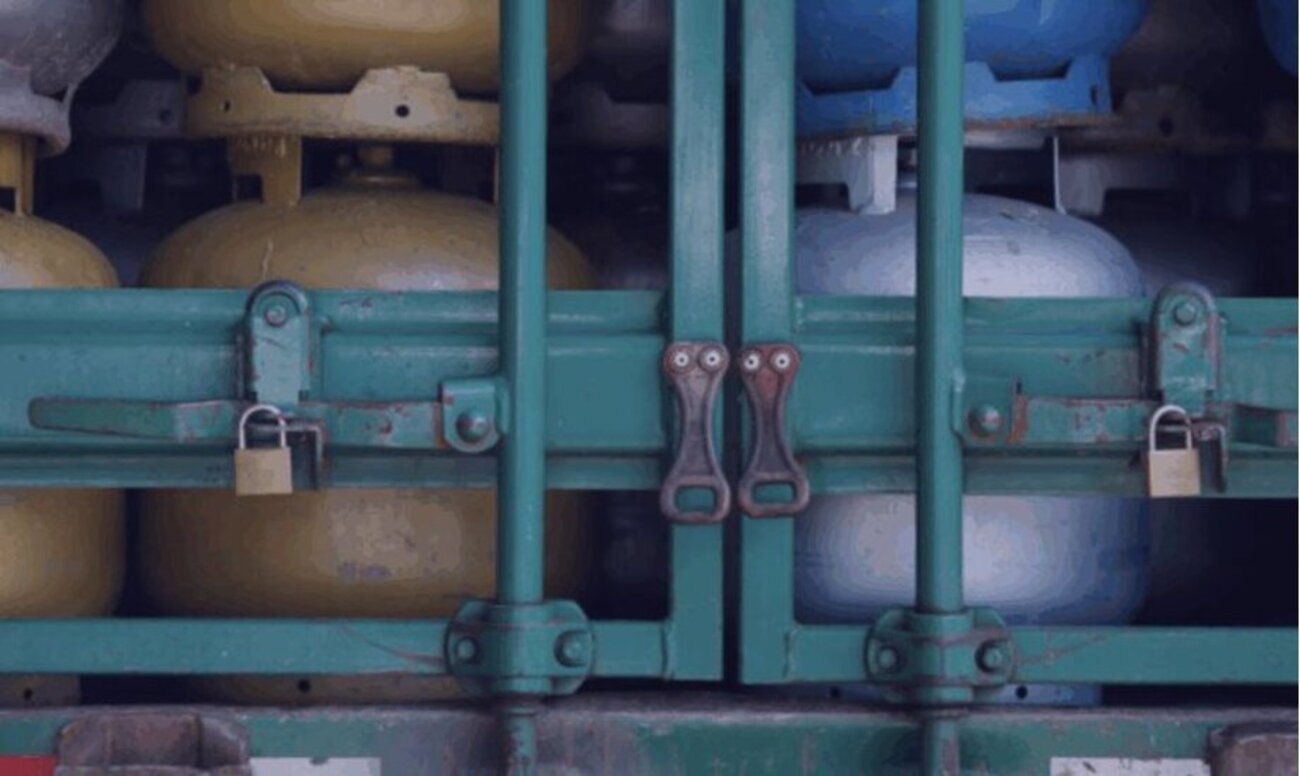
Petrobras evaluates suspension of sales to distributors and considers canceling the cooking gas auction following guidelines from the Federal Government.
-
Lula reveals a masterstroke by Petrobras to undo a deal made by Bolsonaro, which involves the return of an important refinery that currently produces less than half of what was expected and makes Brazil dependent on international diesel.
-
A study confirms that the natural gas sector will reduce greenhouse gas emissions in Brazil by 0.5% and accelerate the energy transition by 2026.

-
Petrobras implements a severe adjustment and confirms a 55% increase in the price of aviation kerosene with a proposal for installment payments for the companies.

This is how the Gaia supercomputer project was born, designed to develop technologies for geophysical research that can be applied both in pre-salt fields and the Equatorial Margin.
The pre-salt currently accounts for 74% of Petrobras’ production, while the Equatorial Margin is the company’s major bet for the year 2023.
Thus, the company intends to invest R$ 76 million in the development of the new supercomputer.
The aim is to enhance seismic image processing tools to obtain high-definition reproductions of the subsurface rock layers.
In this way, the company will achieve more accurate images, reducing operational time and increasing the chances of exploring areas with better potential.
Currently, the development of operations in a new oil well can cost between US$ 70 million and US$ 100 million.
Therefore, with projects in mind for the pre-salt and the Equatorial Margin, Petrobras needs to ensure optimization of its results. Only then will the investments be able to be maximized.
The Director of Exploration and Production, Fernando Borges, commented: “The precision generated by the geophysical study of the models developed with these new technologies increases the probability of success when choosing an area and predicting the rock behavior during the drilling of a well.”
Petrobras Intends to Apply Even More Cutting-Edge Technologies in the New Supercomputer for Its Operations in the Equatorial Margin and Pre-Salt
The state-owned company’s focus on discovering new reserves in the Equatorial Margin and pre-salt requires a strong investment in cutting-edge technologies.
Thus, Petrobras has great expectations to enhance the results of the new supercomputer Gaia in the coming years.
The Director of Digital Transformation at Petrobras, Paulo Palaia, emphasized: “Gaia will be dedicated to developing new algorithms for imaging at Petrobras, in different technological maturity scenarios, with special focus on Least Squares and Elastic FWI techniques, as well as applications using machine learning.”
The company also plans to use the technologies of the new supercomputer to reconstruct the physical properties of the rock layers, developing more accurate models than those currently available.
In this way, it will be able to speed up decision-making by specialists, ensuring more agility throughout the process of exploring new areas.
Production projects in the Equatorial Margin and pre-salt will have even greater chances of generating significant results with the new technology.
Thus, Petrobras will continue to invest its efforts in developing the new supercomputer Gaia with a focus on the Equatorial Margin and the pre-salt.










Seja o primeiro a reagir!