





 Portuguese
  English
  Spanish
 3 min of reading


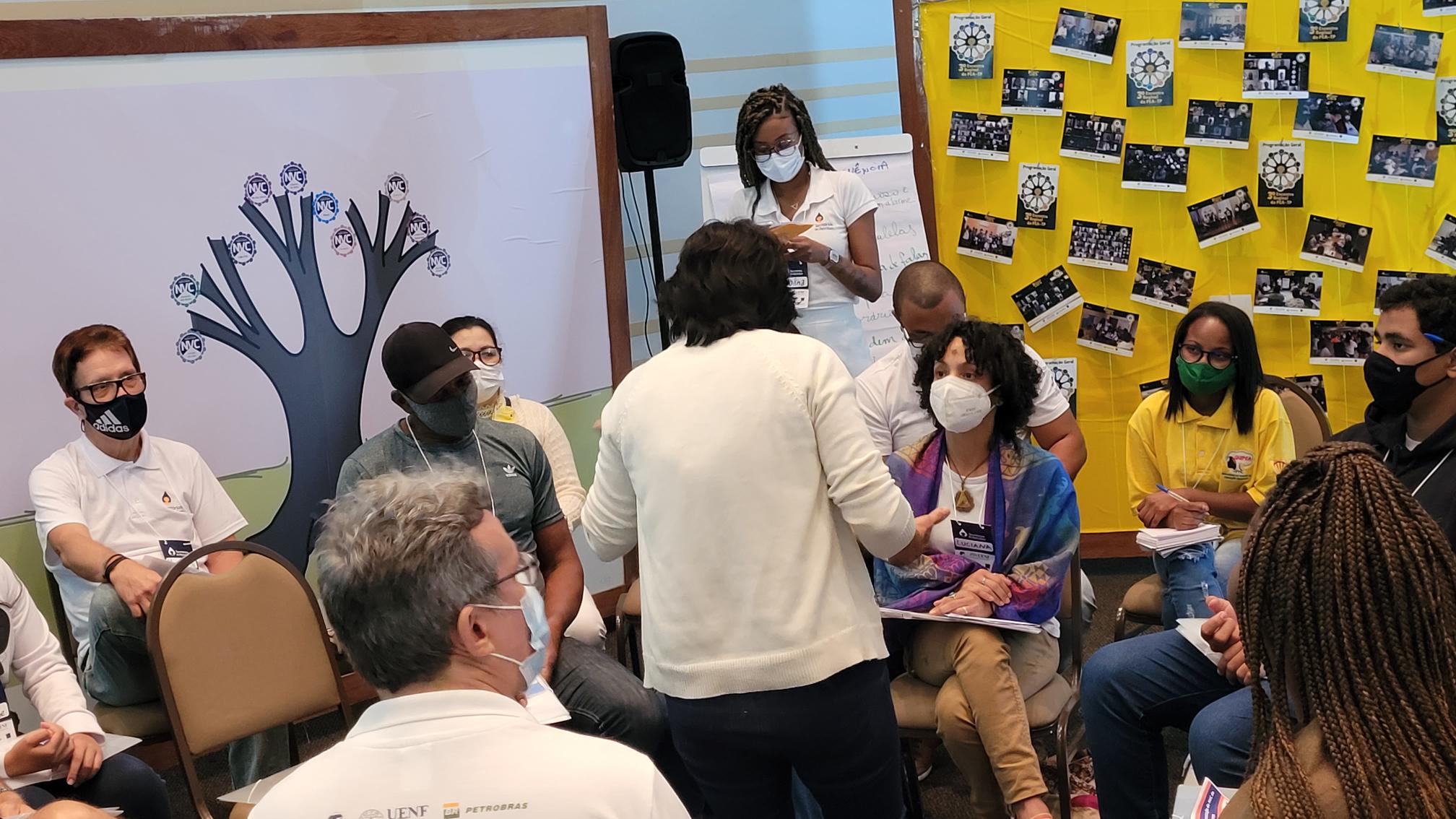
Publication of the Environmental Conditionality Project Territories of Oil Guides the Population on How to Participate in Public Management for Their Communities
By mapping social issues in the spaces they inhabit, communities seek public authorities and enable solutions to these problems. In simple terms, this is the purpose of the newly launched publication Social Atlas Territories of Oil, which materializes one of the methodologies of the project aimed at mitigating misinformation about royalties and special participations. The Environmental Education Project – Territories of Oil (PEA-TP) is developed by Petrobras as part of the federal environmental licensing process conducted by the Ibama.
When talking about an atlas, geography comes to mind. A social atlas, however, considers the physical space alongside cultural heritages and pathways for a community to intervene in these spaces. In the specific case of the Social Atlas TP, various stages have detected the positive and negative impacts of the arrival of royalties and special participations in each municipality and generated action plans for each community to engage with public bodies.
Petrobras Launches Social Atlas in the Campos Basin Region
Publication of the environmental conditionality project Territories of Oil guides the population on how to participate in public management for their communities.
-
Lula reveals a masterstroke by Petrobras to undo a deal made by Bolsonaro, which involves the return of an important refinery that currently produces less than half of what was expected and makes Brazil dependent on international diesel.
-
A study confirms that the natural gas sector will reduce greenhouse gas emissions in Brazil by 0.5% and accelerate the energy transition by 2026.

-
Petrobras implements a severe adjustment and confirms a 55% increase in the price of aviation kerosene with a proposal for installment payments for the companies.

-
The rise in oil prices could ensure an extra revenue of R$ 100 billion for the Federal Government, indicates a recent economic study.

By mapping social issues in the spaces they inhabit, communities seek public authorities and enable solutions to these problems. In simple terms, this is the purpose of the newly launched publication Social Atlas Territories of Oil, which materializes one of the methodologies of the project aimed at mitigating misinformation about royalties and special participations. The Environmental Education Project – Territories of Oil (PEA-TP) is developed by Petrobras as part of the federal environmental licensing process conducted by Ibama.
When talking about an atlas, geography comes to mind. A social atlas, however, considers the physical space alongside cultural heritages and pathways for a community to intervene in these spaces. In the specific case of the Social Atlas TP, various stages have detected the positive and negative impacts of the arrival of royalties and special participations in each municipality and generated action plans for each community to engage with public bodies.
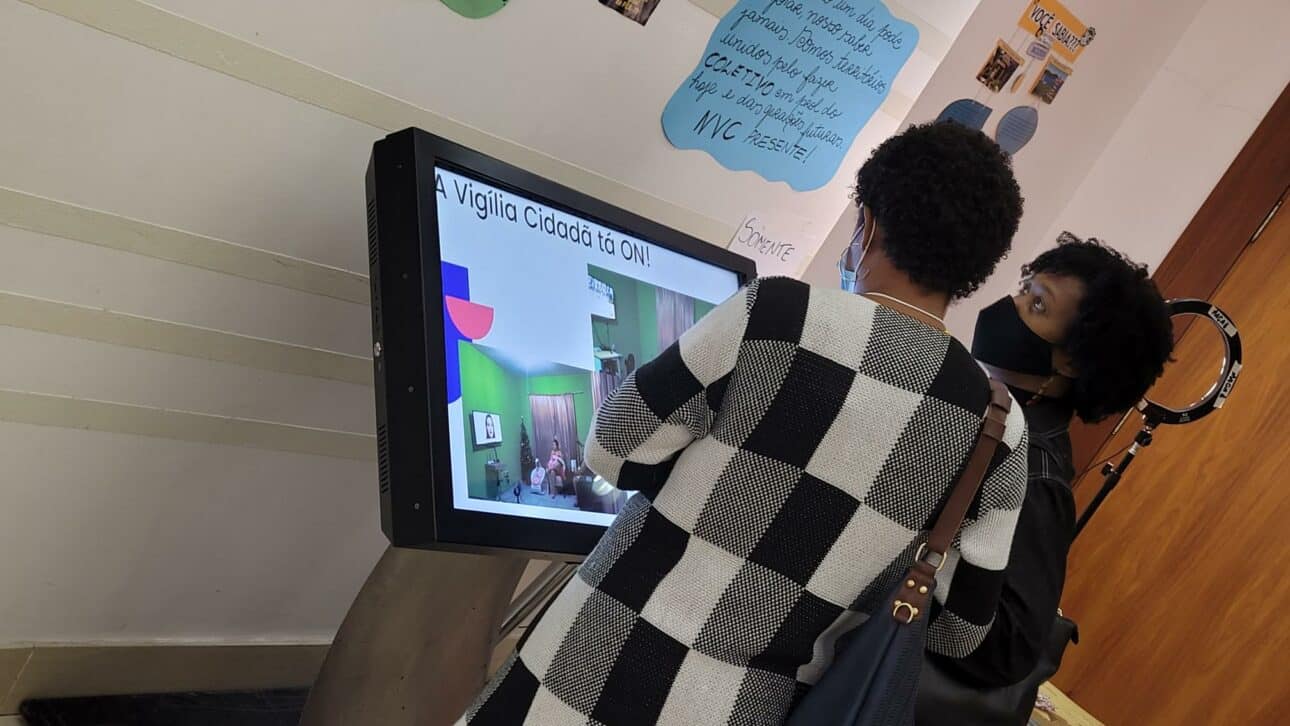
For example, the municipality of Cabo Frio underwent typically urban transformations in transportation and population growth. The Citizen Vigilance Nucleus, a group composed of members of the municipality community, identified the emergence of environmental education projects (PEA) linked to environmental licenses as a strong point and decided to articulate these PEAs to model solutions.
The printed version was made available to the members of the Citizen Vigilance Nuclei from the 10 municipalities that are part of the project: Armação dos Búzios, Arraial do Cabo, Campos dos Goytacazes, Cabo Frio, Carapebus, Casimiro de Abreu, Macaé, Quissamã, Rio das Ostras, and São João da Barra. The PEA – Territories of Oil has as its direct audience: quilombolas, fishermen, teachers, community leaders, public authority representatives, rural workers, and settlers, among others; and indirect: representatives of commercial associations, cooperatives, unions, and representative civil society associations, teachers’ associations; university student organizations, whether they are directly impacted or not, but who play active roles in the productive and social framework of the selected municipalities.
The digital version can be accessed through the project website here and through Google Drive here as well. Source: Petrobras Press Management








Seja o primeiro a reagir!