





 Portuguese
  English
  Spanish
  3 min of reading
  0 comments


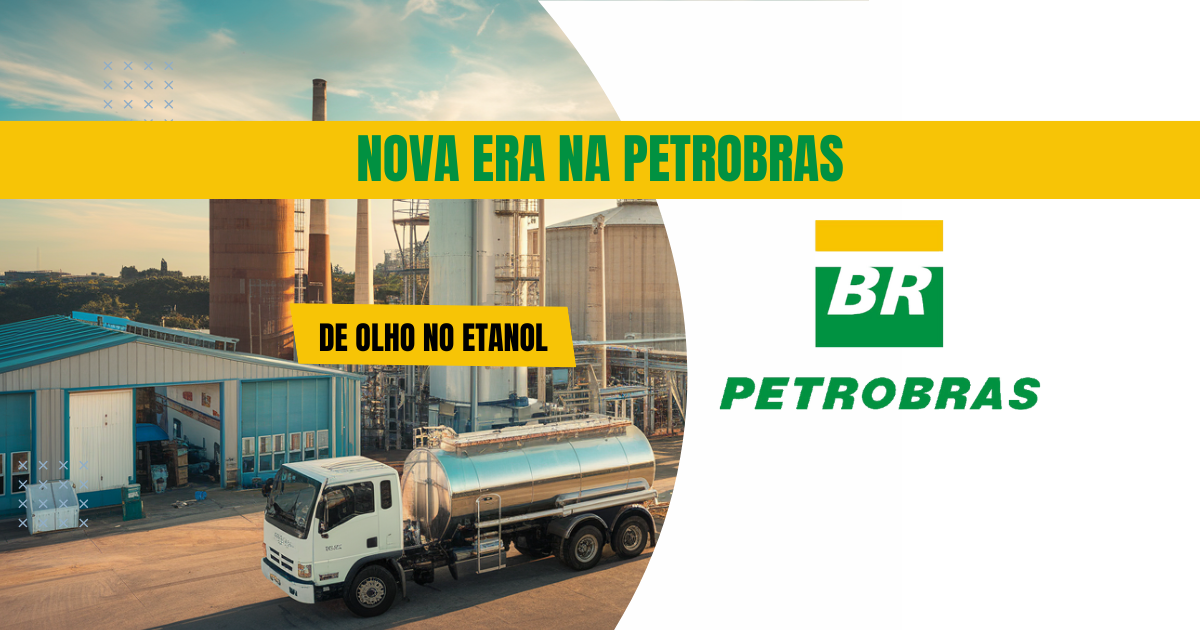
Petrobras Bets on Partnerships with Giants Like Raízen, Inpasa, and BP to Consolidate Its Position in the Ethanol Sector. With a Billion-Dollar Investment, the State-Owned Company Aims to Lead the Biofuels Market, Competing with Gasoline with Cleaner and More Sustainable Alternatives.
Petrobras, known as an oil giant, is preparing a bold new strategy that could also transform it into an ethanol powerhouse.
At a time when the world is seeking more sustainable alternatives, the company is approaching negotiations that promise to impact the biofuels market.
However, this strategic shift raises questions about the company’s future and the Brazilian energy market.
-
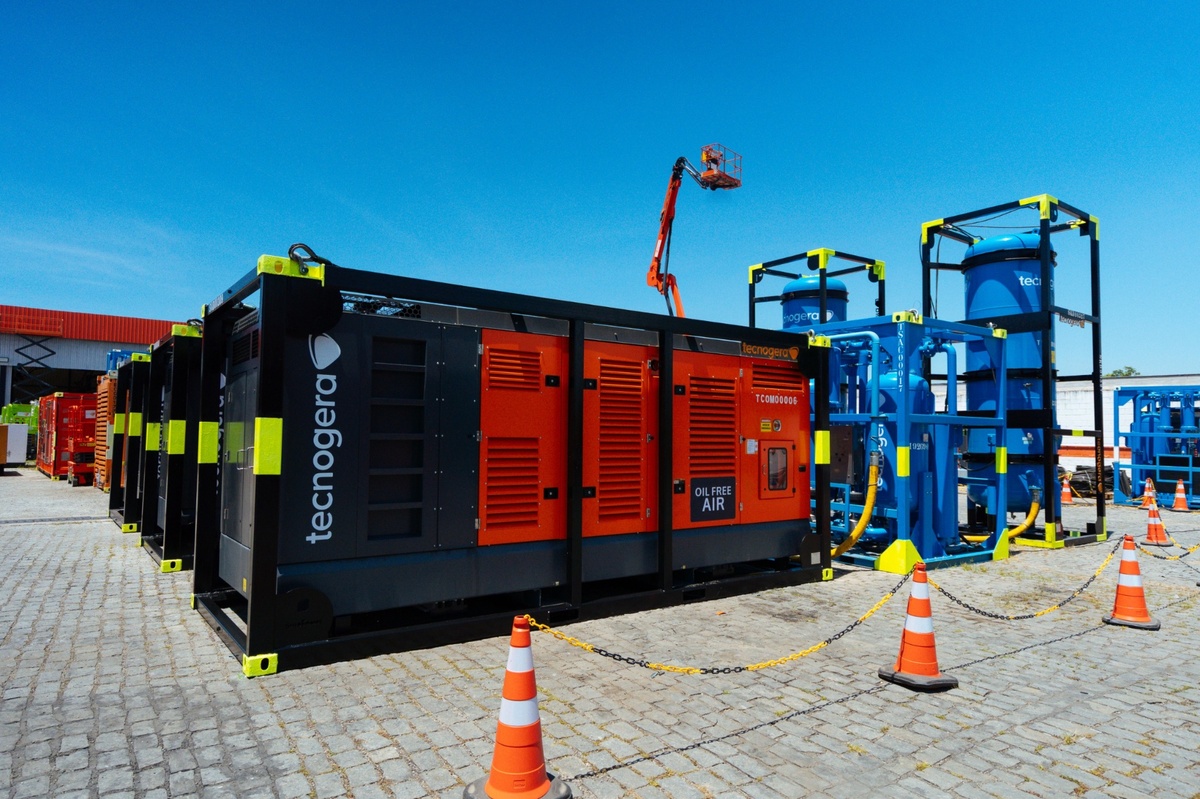
Offshore industrial demand in Macaé skyrockets with the recovery of oil and gas and could grow by up to 396% by 2026 in the Campos Basin.
-
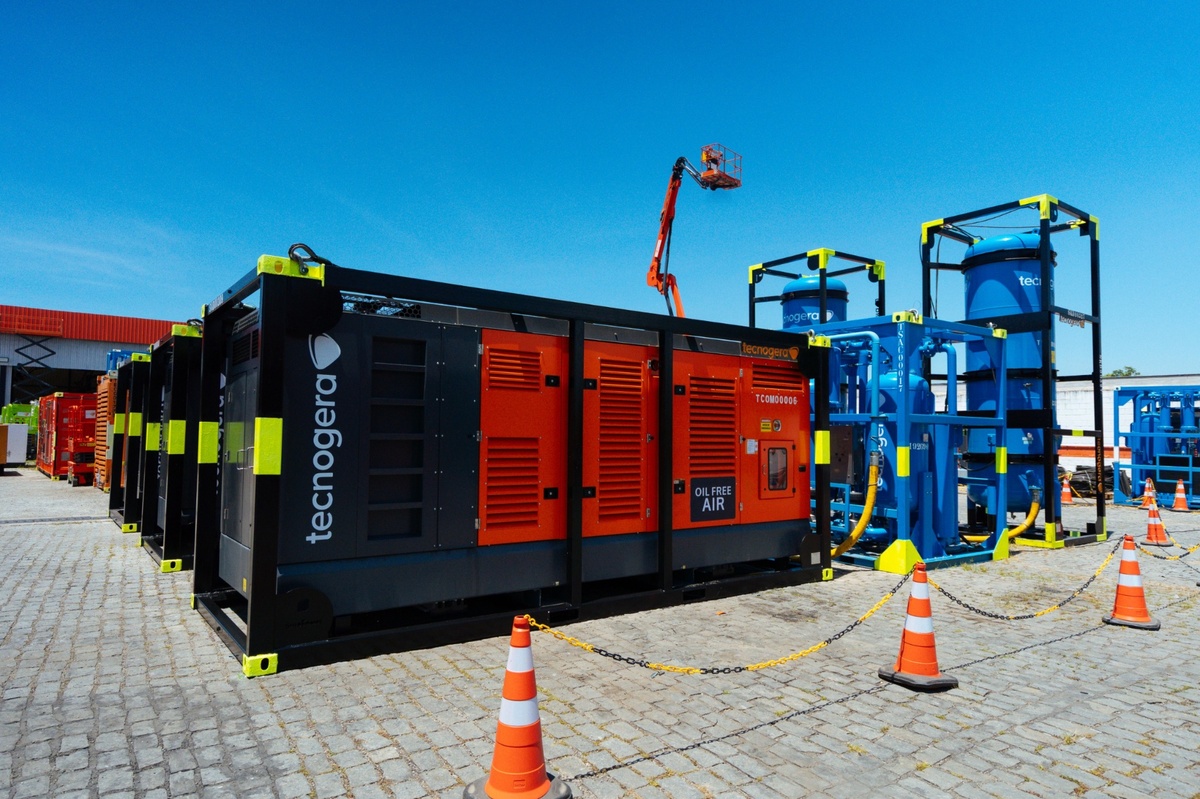
Offshore industrial demand in Macaé surges with the recovery of oil and gas and could grow by up to 396% by 2026 in the Campos Basin.
-
Brazilian giant expands borders in the Southeast: Petrobras confirms new oil discovery in ultra-deep waters in the pre-salt of the Campos Basin.

-
Alert in the global energy market: Severe tropical cyclone hits the coast and disrupts gas production at major plants in Australia, threatening global supply.


According to the InfoMoney portal, trusted sources say that Petrobras is in negotiations with Raízen, Inpasa, and even BP Bioenergy, seeking to create partnerships in the ethanol sector.
These joint ventures could include the production of ethanol from sugarcane and corn, making Petrobras one of the leaders in a rapidly growing segment in Brazil.
This re-entry into the biofuels market is part of the company’s business plan for 2025-2029, valued at an impressive US$ 111 billion.
A Giant Returns to Ethanol
In recent years, Petrobras moved away from the ethanol sector to focus on high-return assets in the pre-salt layer.
Now, with a planned investment of US$ 2.2 billion in ethanol distilleries, the company is ready to regain its relevance in this market.
Magda Chambriard, president of Petrobras, emphasized that the goal is to do something “big, compatible with Petrobras’ size.”
The company has previously partnered with groups like São Martinho and Tereos but opted to divest those stakes.
The strategic shift reflects the need to compete with biofuels, which has been gaining market share against gasoline at the pumps.
Raízen and Inpasa: Potential Heavyweight Partners
Raízen, a joint venture between Cosan and Shell, is the largest producer of sugarcane ethanol worldwide, while Inpasa stands out as a leader in corn ethanol in Brazil.
Both companies have characteristics that complement Petrobras’ plans to dominate the market in different regions of the country.
BP Bioenergy is also on Petrobras’ radar. The British company, which recently acquired 50% of Bunge’s stake in a joint venture, has established itself as one of the largest producers in the segment in Brazil.
Although Inpasa has not commented on the negotiations, market expectations regarding potential partnerships are high.
Corn Ethanol in the Northeast: A New Frontier
One of the most innovative aspects of this plan is the focus on promoting the production of corn ethanol in the Brazilian Northeast.
According to Mauricio Tolmasquim, director of Energy Transition and Sustainability at Petrobras, the goal is to bet on alternatives that are trending in the market.
“The idea is to start big, without starting from scratch. We are analyzing both sugarcane and corn ethanol, which has shown significant growth in Brazil,” Tolmasquim emphasized.
This approach reflects a strategic vision aligned with the expansion of the biofuels market in the country and globally.
Fuels and Sustainability
Petrobras’ move is not just a market issue but also a sustainability one.
Ethanol is seen as a cleaner substitute for gasoline, helping to reduce carbon emissions. Furthermore, the bet on this sector could diversify the Brazilian energy matrix and create new economic opportunities.
According to experts, competition between gasoline and ethanol at the pumps is becoming more intense.
Tolmasquim was direct in stating that “gasoline will lose market share to ethanol over time,” which makes it essential for Petrobras to be in the market of its main competitor.
What Comes Next?
The next steps involve defining partnerships and structuring joint ventures to begin investments.
However, Petrobras is aware of the challenges and is seeking business models that are economically viable and compatible with its long-term strategy.
With this strategic re-entry into the biofuels sector, will Petrobras be able to balance its position between oil and renewable energies?









Seja o primeiro a reagir!