





 English
  Francês
  Alemão
  Italiano
  Japonês
  Norueguês
  Portuguese
  Spanish
  3 min of reading



Despite The Strong Attraction Of Foreign Companies In The 19 Auctions Held So Far, The Fields Operated By The State-Owned Company Accounted In April For 95% Of National Production, Which Was 3.3 Million Barrels Of Oil And Gas.
Brazil Reaches This Weekend The 20th Year After Its First Auction For Oil Area Concessions Following The End Of The Monopoly Still Dominated By Petrobras In The Operations Of The Sector. According To Experts, The Slow Pace Of Private Expansion In This Segment Reflects Nationalist Policies Adopted During The Lula And Dilma Governments, Which Gave Petrobras Exclusivity In Operating The Pre-Salt And Suspended The Holding Of Auctions For Five Years, Limiting Access To Reserves.
-
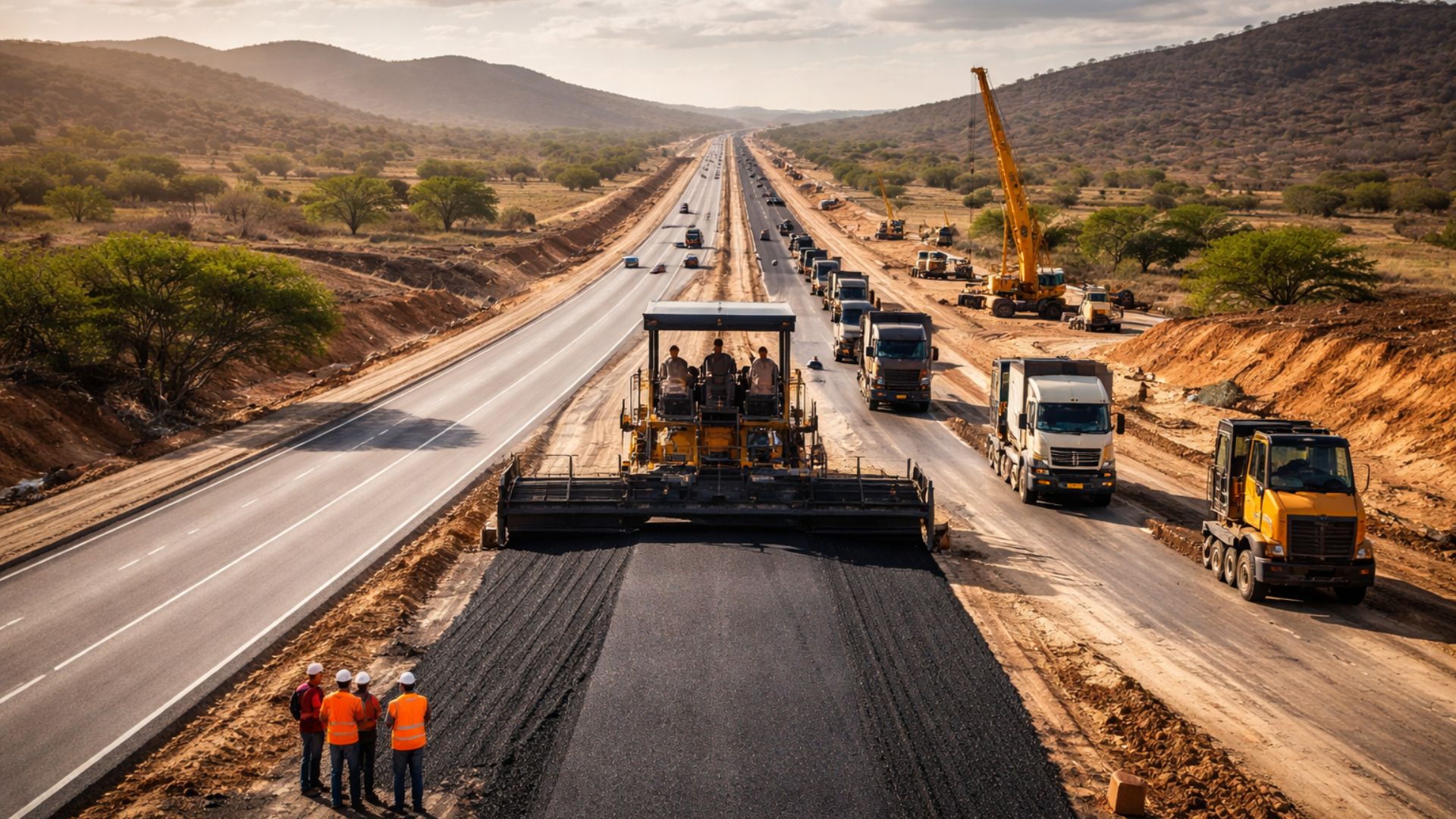
Government unlocks R$ 554 million for a highway that has been requested for decades and accelerates the duplication of BR.
-
Without bricks, without cement, and without endless construction: the cardboard house that is assembled in modules and can be moved.

-
Billions of barrels on the equatorial margin could lead Amapá to double its oil production in Brazil — the state aims to enter the route of companies in the Campos Basin, attract investments, and boost jobs and businesses in the oil and gas sector.

-
Without bricks, without cement, and without endless construction: the cardboard house that is assembled in modules and can be moved.
The First Round Of Auctions By ANP (National Agency Of Petroleum, Gas And Biofuels) Took Place Amid Protests In A Luxury Hotel In The Southern Zone Of Rio On June 15 And 16, 1999. The Agency Granted 12 Of The 36 Auctioned Areas, And 13 Foreign Companies Participated In The Competition. It Generated Revenue Of R$ 487 Million (Equivalent To R$ 1.6 Billion Today), And The Result Was Considered A Success At The Time.
The Second Cycle, Following The Pre-Salt, Was Marked By A Retreat In Efforts To Attract Private Capital. After Confirmation Of The Discovery Of The Mega Field Of Lula, Now Called Búzios, The Government Decided To Revise The Sector Rules And Interrupted The Holding Of Auctions For Five Years, Leading To A Process Of Demobilization Of Foreign Companies In The Country.
The Number Of Drilling Rigs And Drilling Operations Active In Brazil, Which Reached 90 At The Beginning Of The Decade, Is Around 10 At The Start Of 2019, According To Data Compiled By The American Baker Hughes.
Considering Previous Auctions, The Potential For Investment Reaches R$ 1.8 Trillion, With About 60 Platforms. The Norwegian Equinor, For Example, Plans Five Wells In The Brazilian Pre-Salt Over The Next Three Years And Expects To Reach 2030 Producing Between 300,000 And 500,000 Barrels Per Day In The Country. Exxon Also Mentions Five Wells Between This Year And The Next.
“This Future Is Already Contracted”, Says The Executive Secretary Of IBP (The Institute That Brings Together Oil Companies), Antônio Guimarães. “If It Goes Back To Investing US$ 40 Billion (R$ 160 Billion) A Year, Which Is The Outlook For 2022 Or 2023, This Sector Will Be A Driver Of The Brazilian Economy.”
The Director General Of ANP, Décio Oddone, States That The Challenge Now Is To Foster The Creation And Attraction Of Independent Companies To Produce In Small And Medium-Sized Fields, Which Was Also One Of Zylbersztajn’s Goals 20 Years Ago.
The Plan Stalled On Petrobras’ Resistance To Creating Space In The Segment. The ANP Determined That Petrobras Should Sell Areas In Which It No Longer Has An Interest In Investing By The End Of The Year – The State-Owned Company Currently Has 23 Open Asset Sales Processes For Land Or Shallow Water Fields – And Decided To Maintain All Land Areas It Has On Permanent Offer.
With The Fields Sold By Petrobras, Oddone Says, Small Companies Will Be Able To Generate Cash To Acquire New Exploration Projects On Land And In Shallow Waters That Are Currently Not Interesting For Large Companies.
“The Importance Of The Diversity Of Companies Is The Regionalized Impact Of The Activity, With Job Creation And Local Businesses”, He Advocates.






Seja o primeiro a reagir!