





 Portuguese
  English
  Spanish
 4 min of reading
  0 comments


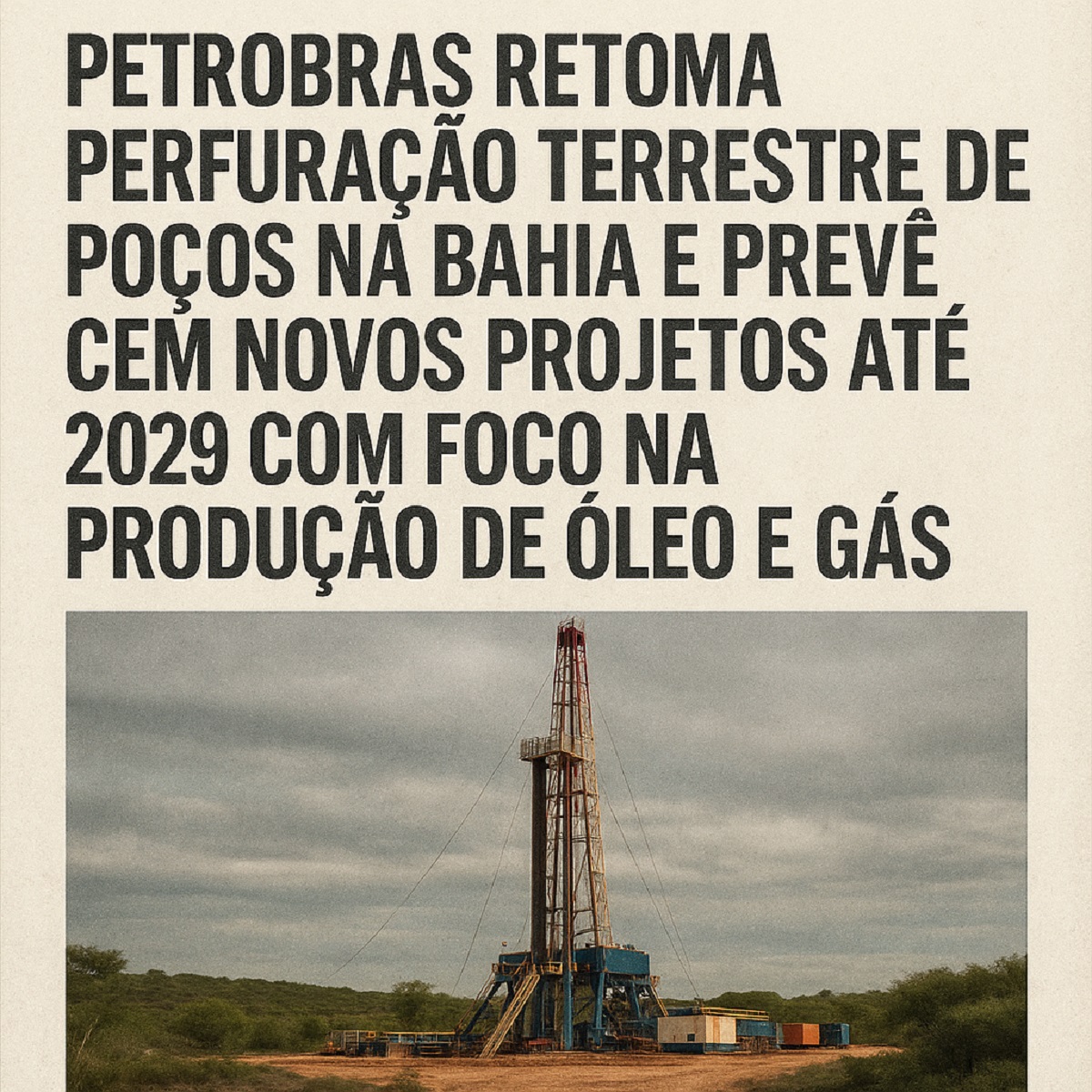
Initiative Marks State-Owned Company’s Return to Onshore Operations in the State and Reinforces Growth Plan with Investments in Fertilizers and Energy Infrastructure
After a six-year hiatus, Petrobras resumed its drilling activities in Bahia on April 24, 2025, strategically. For this reason, the company restarted operations at the Taquipe field, located in São Sebastião do Passé, approximately 80 km from Salvador. Furthermore, this resumption is part of the 2025–2029 Strategic Plan, which aims to strengthen national oil and natural gas production. In November 2024, the state-owned company announced this plan specifically to prioritize regions with available infrastructure and, above all, with high technical potential for exploitation.
Choice of Taquipe Field Aligned with Asset Reuse Strategy
Petrobras chose the Taquipe field mainly due to its technical feasibility, existing infrastructure, and positive exploration history in the region. Additionally, the company considers the area strategic as it allows for a more efficient reactivation of onshore operations. Therefore, the resumption aims to gradually increase production in mature fields by adopting updated technology and prioritizing operational safety. In this way, the company also ensures greater efficiency in investments while strengthening its presence in the sector. The decision was based on detailed technical and economic analyses, reinforcing confidence in the project. Still, the field integrates the history of land exploration in the Recôncavo Baiano, making it a relevant asset for the state-owned company’s portfolio.
Petrobras Resumes Drilling in Bahia and Invests in Land Wells, Fertilizers, and Energy Expansion Until 2029
According to information provided by Petrobras at a press conference on April 25, 2025, the state-owned company intends to drill up to one hundred new land wells in Bahia by the end of 2029. The plan covers eight municipalities in the region where the company is already present: Alagoinhas, Entre Rios, Esplanada, Cardeal da Silva, Araçás, Catu, Candeias, and São Sebastião do Passé. The company stated that the projects will follow strict environmental criteria. The activities are aligned with the state-owned company’s regional development plan. Petrobras President Jean Paul Prates stated to the Valor Econômico newspaper in April 2025 that the goal is to reconcile production expansion and sustainability.
-
The rise in oil prices could ensure an extra revenue of R$ 100 billion for the Federal Government, indicates a recent economic study.

-
Naturgy begins an investment of R$ 1.6 million to expand the gas network in Niterói and benefit thousands of new residences and businesses.
-
A major turn in the Justice system suspends tax increases and directly impacts oil and gas companies in Brazil by affecting costs, contracts, and financial planning, leaving uncertain what could happen to the sector if these costs had increased.

-
Brava Energia begins drilling in Papa-Terra and Atlanta and could change the game by reducing costs in oil while increasing production and strengthening competitiveness in the offshore market.
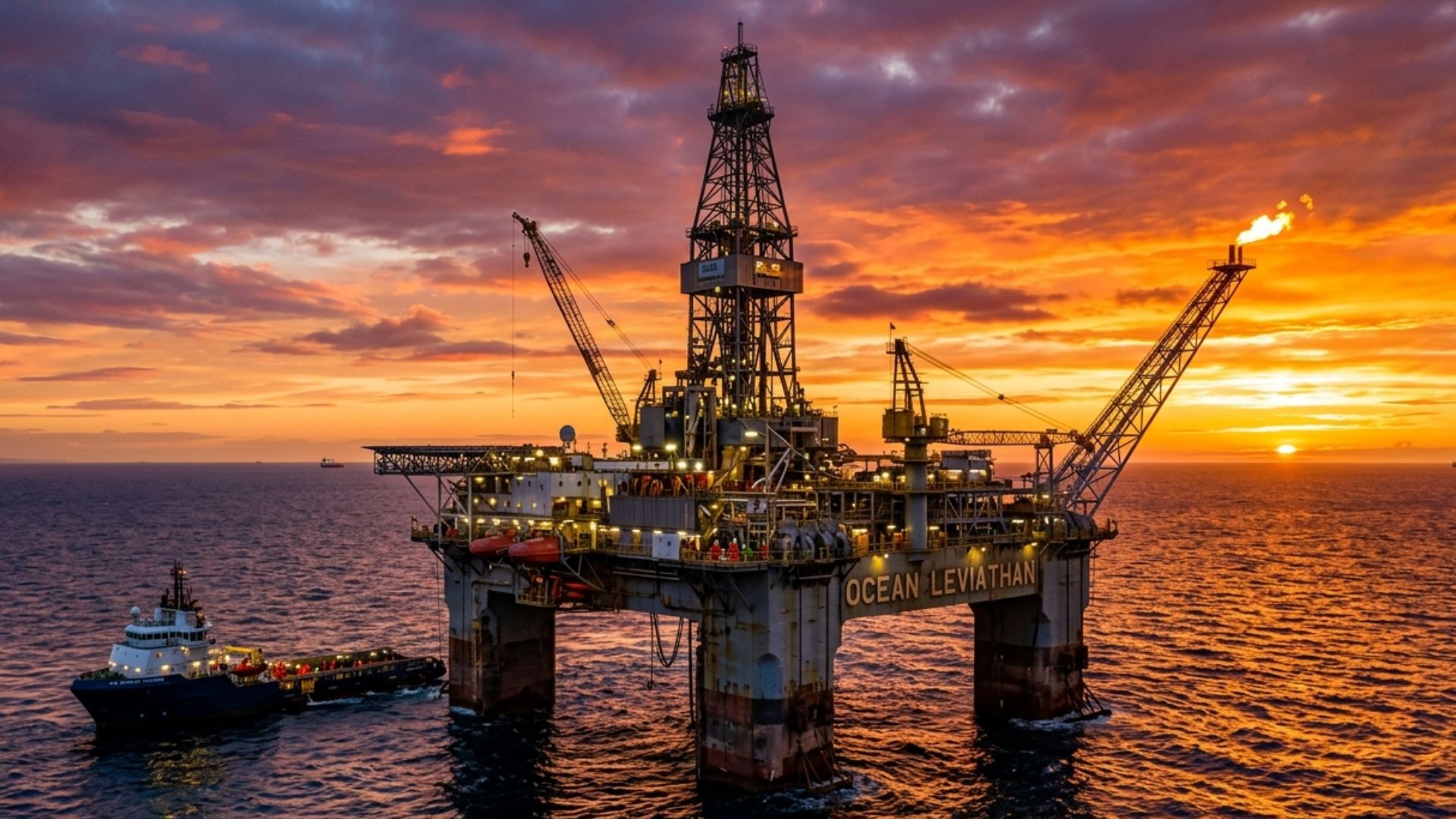
Petrobras’ Drilling at the Taquipe Field Marks Onshore Resumption in Bahia
To ensure the advancement of drilling, Petrobras contracted three drilling rigs in April 2025. Among them is the EBS-08, operated by EBS Perfurações, which began operations at the Taquipe field on April 22. Additionally, contracts signed in March 2025 foresee the addition of ten Land Production Rigs (SPTs), increasing the total from 13 to 23 units. The National Petroleum Agency (ANP) announced the contracts. The state-owned company emphasized that the new rigs meet safety and efficiency standards. Timelines are being followed according to the steps outlined in the plan.
Current Operations Continue with Relevant Economic Impact on the State
According to a technical report from the ANP published in March 2025, Petrobras currently employs around 4,300 professionals in Bahia. Daily production is approximately 17,000 barrels of oil equivalent, distributed among 20 concessions and two thousand active wells. In 2024, the state revenue generated by the operation was R$ 257 million. The Manati gas platform, located in the Camamu Basin, continues to operate normally. The company’s activities in the state include supply, production, and job creation. These data demonstrate the continued economic impact of Petrobras in Bahia, especially in regions where there is a concentration of operational assets.
Agreement with Proquigel Provides for Reactivation of Fertilizer Plants
Alongside actions in the oil and gas sector, Petrobras announced on April 26, 2025, the reactivation of fertilizer plants in Camaçari (BA) and Laranjeiras (SE). The announcement was made after the formalization of an agreement with Proquigel, a subsidiary of Unigel. According to information from Agência Brasil, the contract is expected to be signed by the end of May, with approval from the Arbitration Tribunal. Production will focus on nitrogenous fertilizers aimed at agribusiness. The plants are part of Petrobras’ industrial recovery plan. The initiative helps reduce external dependence on agricultural inputs. The return of the units is included in the 2025–2029 Strategic Plan, which foresees the integration between natural gas production and the fertilizer sector.
Petrobras Reinforces Resumption Strategy with a Focus on Responsibility
With the reactivation of land wells and the resumption of industrial units, Petrobras is advancing its productive recovery strategy with a focus on environmental responsibility and technical return. Bahia regains a significant position on the state-owned company’s operational map. Actions follow technical criteria defined in medium-term planning. The company’s focus is on asset recovery and industrial value generation. The company emphasized that all initiatives are being monitored by rigorous governance and technical control processes, with continuous project reviews. The goal is to ensure compliance with legal standards and the company’s own policies, especially regarding sustainability and transparency.







Seja o primeiro a reagir!