





 Portuguese
  English
  Spanish
  3 min of reading


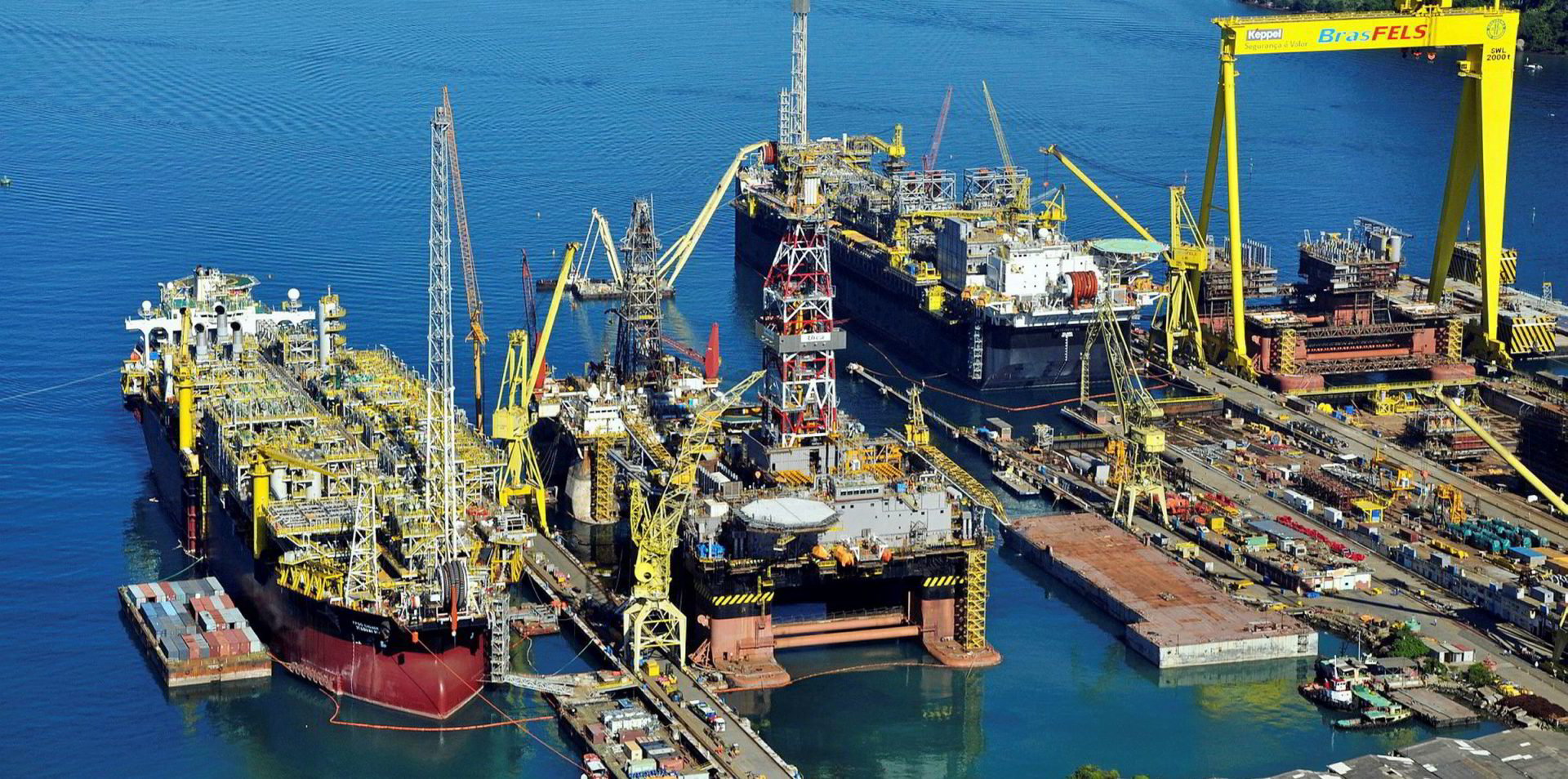
Petrobras Is Not Interested in Developing Platform Construction Projects in Brazil. The State Company’s Support for the Naval Industry Will Focus on Decommissioning Projects and Module Manufacturing.
Petrobras’ plans for the future of the national naval industry do not include new platform construction projects. The information was provided by the Executive Director of Engineering, Technology, and Innovation, Carlos Travassos, who highlighted the state company’s interest in decommissioning projects and the construction of modules to boost the sector. Although the Federal Government is interested in expanding the segment in the country, some stages, such as hull manufacturing, still face logistical issues.
New Platform Construction Projects Are Not Included in Petrobras’ Naval Industry Boost Plan
Petrobras announced that it will help revitalize Brazil’s shipbuilding industry with contracts to decommission old platforms or manufacture modules for new vessels, but not to build entire platforms.
The Executive Director of Engineering, Technology, and Innovation, Carlos Travassos, explained that the company sees limitations in bringing work such as hull construction to Brazil, as it is typically done in Asia.
-
With 74% of companies facing difficulties in hiring, technicians and engineers in renewable energy are becoming scarce in Brazil and are essential to support the expansion of solar, wind, and green hydrogen projects.

-
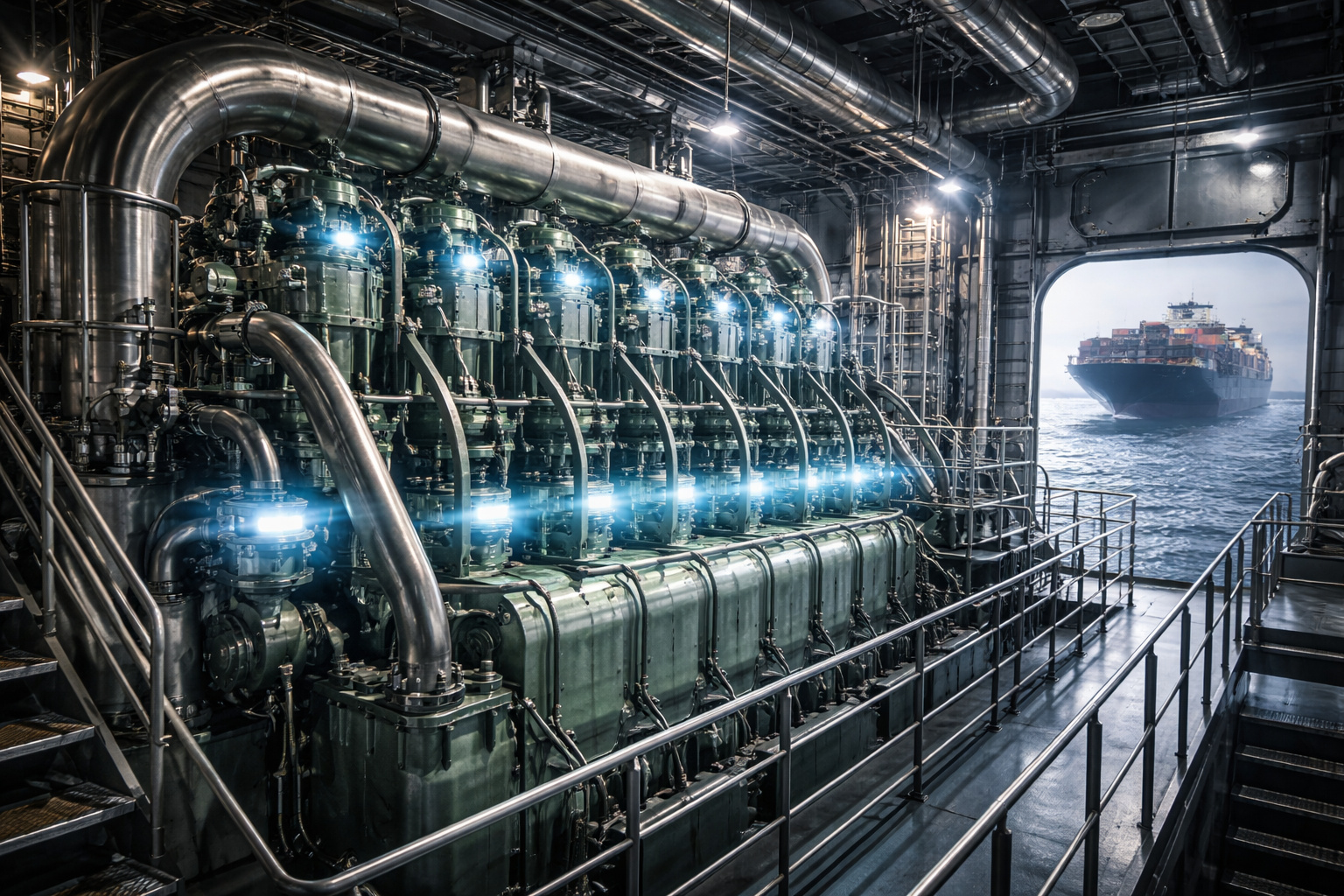
Europe is trying to create an ammonia-powered marine engine without auxiliary fuel, which could unlock the race for giant emission-free ships. The technology aims to eliminate one of the biggest obstacles to clean maritime propulsion.
-
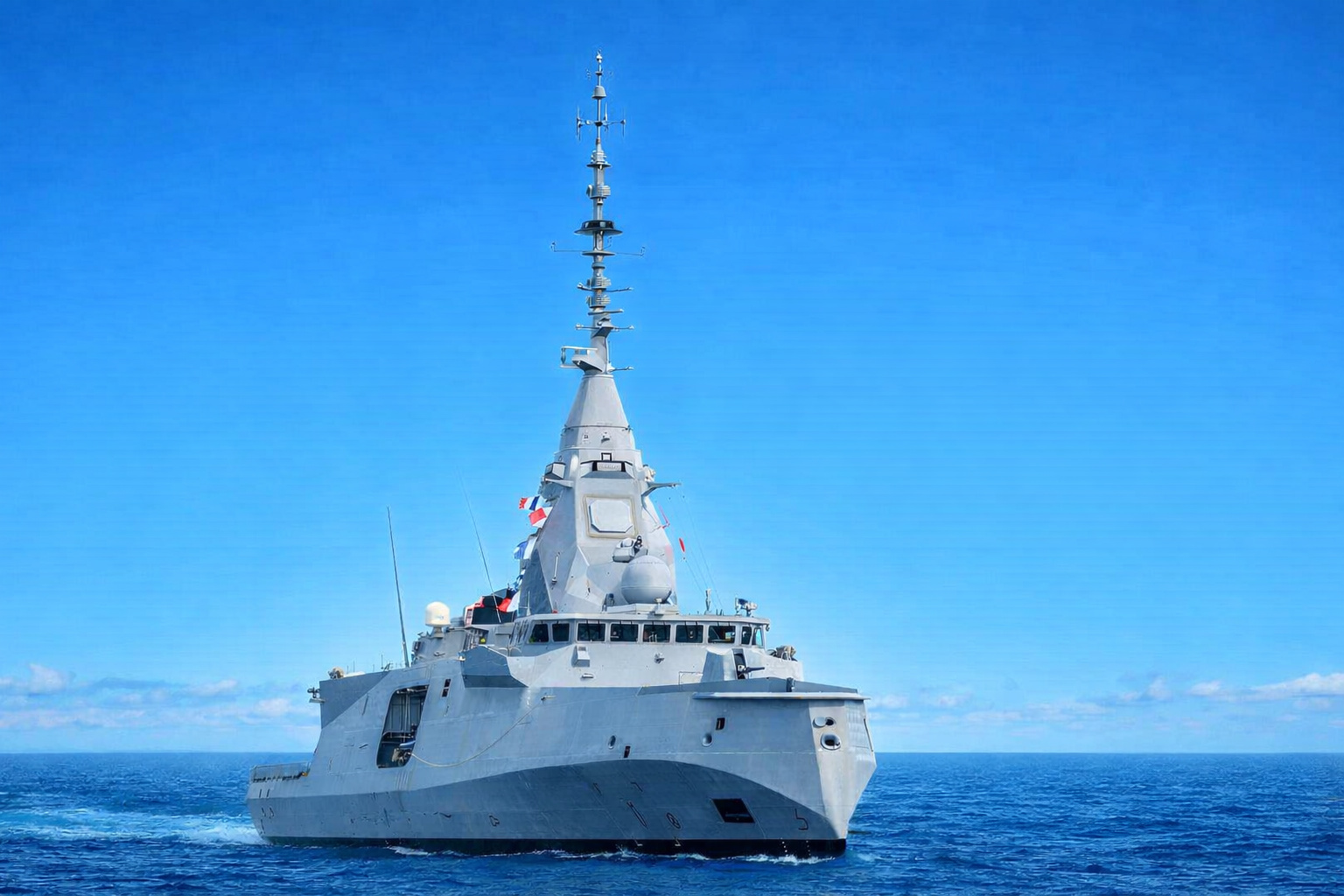
A 4,500-ton frigate with just over 100 crew members, state-of-the-art radar, and cruise missiles is being touted as the new standard of naval warfare in the 21st century.
-
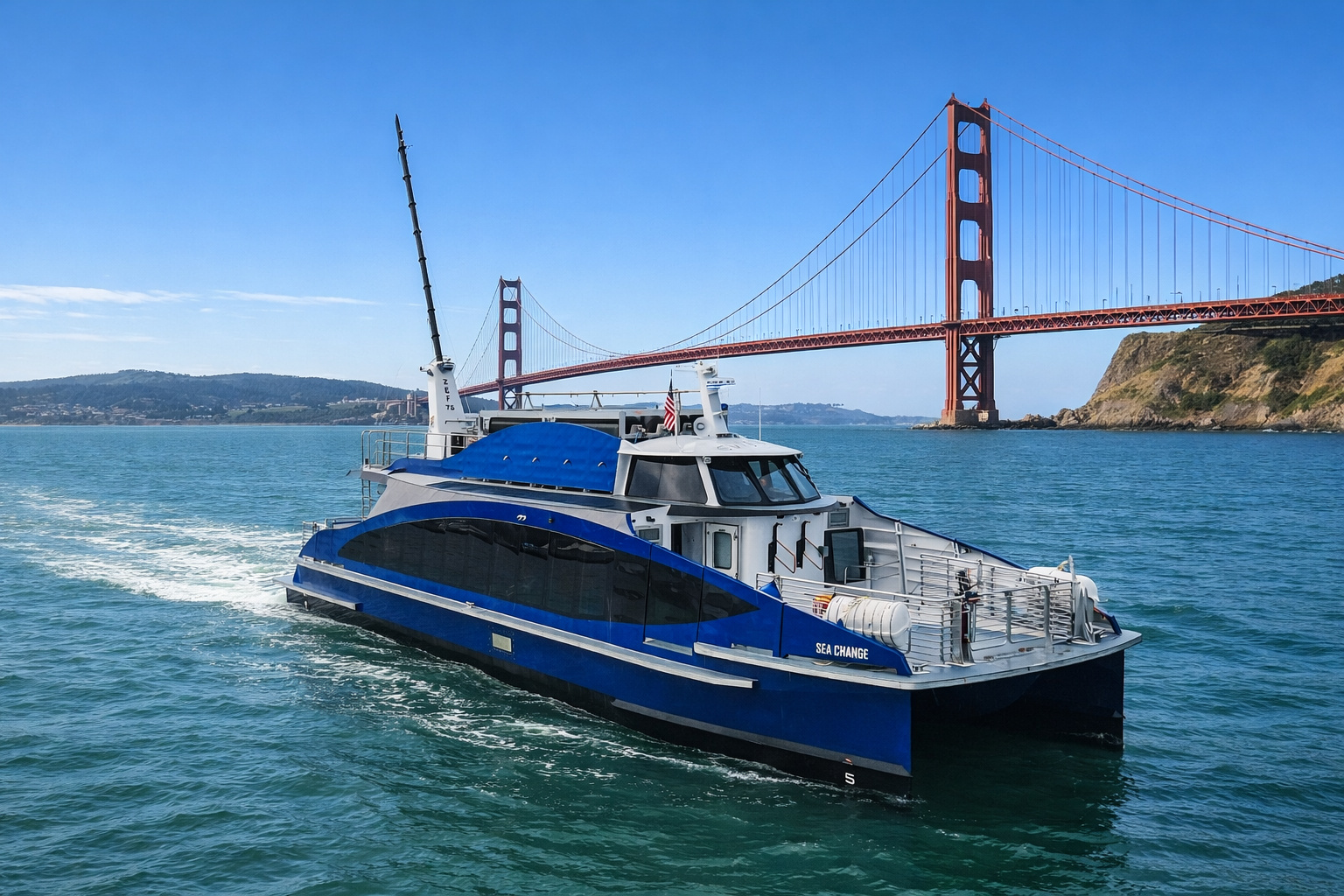
The first commercial hydrogen-powered ferry enters operation in the U.S., eliminates the use of diesel, uses fuel cells to generate clean energy on board, and transforms San Francisco Bay into a landmark of the new era of emission-free navigation.

Even though President Lula regards naval construction as one of the main pillars for job creation in his administrations, since 2002, the construction of new platforms has faced logistical issues in the country, such as hull manufacturing.
“The Brazilian (naval) industry needs to invest in its vocations,” commented Travassos regarding the process.
The construction of hulls for these platforms is highly customized, and any country would take years on the learning curve before establishing a stable production line, the specialist emphasized.
This is an issue that could possibly delay the delivery of naval industry projects while excessively increasing the costs of platform construction.
Furthermore, this would also postpone the company’s plans to increase its production in projects it leads by almost a quarter, to 4.7 million barrels per day of oil and gas by 2027.
Petrobras’ Strategies for the Naval Sector Have Been Criticized by Unionists. Lula’s Government Is Pressured Regarding the Current Scenario
Petrobras’ shipbuilding strategy has been a source of controversy and pressure from unions and the government to increase job generation in Brazil.
Former President Lula, during his first two terms, utilized the state company to generate jobs and boost the country’s economy, but the strategy has not been free of criticism.
The metalworkers’ and naval industry unions supported Lula’s election and are now pressuring the government to reconsider Petrobras’ hiring process, increasing orders in Brazil.
They criticize the hiring system concentrated in only three shipyards, two of which belong to the same Asian group.
“We see a very good opportunity for the Brazilian (naval) market, but not in FPSO hulls. We see it in modules, where a lot of technology is involved,” said Travassos.
For him, the construction of modules and the decommissioning of platforms are viable strategies in the national scenario.
The specialist believes Brazil can expand naval industry projects with module construction, without competing with other major players in hull construction, such as China.
In summary, Petrobras’ shipbuilding strategy has presented a challenge to Lula’s willingness to use the state company to generate jobs in the country.
Now, it is up to Petrobras to pursue alternatives to boost the Brazilian naval industry market without resorting to platform construction.








Seja o primeiro a reagir!