





 Portuguese
  English
  Spanish
  4 min of reading
  0 comments


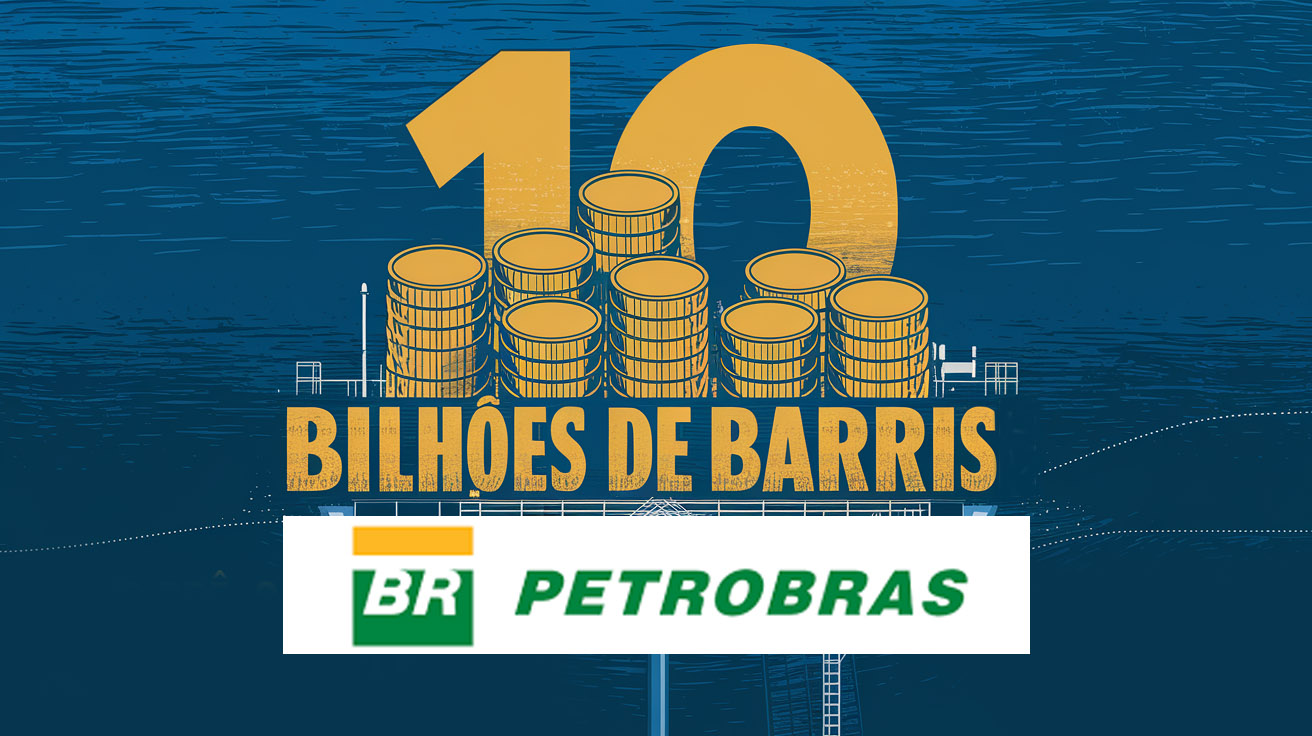
Petrobras may be facing one of the biggest opportunities in its recent history.
The exploration of a new field in the pre-salt, with the potential to generate billions of barrels of oil, is set to be approved by Brazilian authorities, according to a statement from the Minister of Mines and Energy, Alexandre Silveira, in an interview with Folha de S. Paulo.
This news has generated great optimism in the energy sector, with experts projecting significant impacts for the national economy and for the state-owned company.
-
The rise in oil prices could ensure an extra revenue of R$ 100 billion for the Federal Government, indicates a recent economic study.

-
Naturgy begins an investment of R$ 1.6 million to expand the gas network in Niterói and benefit thousands of new residences and businesses.
-
A major turn in the Justice system suspends tax increases and directly impacts oil and gas companies in Brazil by affecting costs, contracts, and financial planning, leaving uncertain what could happen to the sector if these costs had increased.

-
Brava Energia begins drilling in Papa-Terra and Atlanta and could change the game by reducing costs in oil while increasing production and strengthening competitiveness in the offshore market.


New Field in the Pre-Salt: An Untapped Wealth
The field in question is part of a promising area along the Brazilian coast, considered strategic for the growth of the oil sector.
According to preliminary estimates, the reserve may contain up to 10 billion barrels of oil, consolidating itself as one of the largest discoveries since the identification of the first pre-salt deposits over a decade ago.
This discovery reinforces Brazil’s potential as one of the largest global oil producers, especially in a scenario where demand for fossil fuels remains strong in emerging markets.
Despite the growth of renewable energy sources, oil continues to be an indispensable resource for various industries and global economies.
Environmental Authorization and Regulatory Challenges
The exploration of the new field has been facing regulatory and environmental hurdles.
However, as stated by the Minister of Mines and Energy, the licensing processes are in the final phase and should be approved soon.
The authorization is eagerly awaited, given that environmental issues often cause significant delays in large-scale projects in Brazil.
The minister emphasized that the exploration will be conducted with rigorous safety and sustainability measures, ensuring that the impacts on the environment are minimized.
To that end, Petrobras will need to invest in advanced extraction and monitoring technologies, a commitment that the state-owned company has already demonstrated in other pre-salt projects.
Economic Impacts: Royalties and Development
The exploration of this field has the potential to generate billion-dollar revenues for Brazil, not only from oil production but also from the royalties and taxes that will be collected.
These resources could be applied in areas such as education, health, and infrastructure, promoting the country’s development.
Experts also point out that the project is expected to boost direct and indirect job creation, with the hiring of thousands of workers in engineering, transportation, and services.
Additionally, the local supplier chain will also be strengthened, creating a multiplier effect in the economy.
The Strategic Role of Petrobras
As the main operator in the pre-salt, Petrobras will be the biggest beneficiary of the exploration of this new field.
The state-owned company, which is already among the largest oil companies in the world, could further consolidate its leadership position in the global energy sector.
According to market analyses, the increase in production will allow Petrobras to expand its exports, especially to markets such as China and the United States, which have high demand for oil.
This reinforces the importance of the pre-salt for the company’s long-term strategy, which has invested billions in research and development to maximize efficiency in resource extraction.
Sustainability and Energy Transition
While oil exploration remains essential for the Brazilian economy, it is impossible to ignore the global debate on sustainability and climate change.
In this context, Petrobras has sought to balance its investments in oil and gas with initiatives aimed at energy transition.
The company recently announced plans to invest in renewable energy sources, such as wind and solar, while continuing to explore pre-salt resources.
This balance is seen as essential to ensuring that Petrobras remains relevant in a world moving toward decarbonization.
International Repercussions
The news about the imminent authorization for the exploration of the new field has generated international repercussions, with analysts from major consulting firms highlighting Brazil’s potential as a key player in the global energy market.
The Brazilian pre-salt is considered one of the most productive and profitable areas in the world, due to the high quality of the extracted oil and the technological advancements used in exploration.
Foreign investors have also shown interest in participating in the development of the project, either through partnerships with Petrobras or by offering specialized technologies and services.
This illustrates the strategic importance of the pre-salt for Brazil’s positioning in the global scenario.
Next Steps and Expectations
With the imminent authorization, Petrobras is already preparing to start exploration work in the new field.
Initial investments may exceed R$ 50 billion, considering the need for infrastructure, equipment, and qualified personnel.
The expectation is that production will begin in the coming years, with the first barrels being extracted by the end of the decade.
This marks a new chapter in the history of the Brazilian pre-salt, which has been one of the biggest drivers of oil production growth in the country.
The exploration of the new field in the pre-salt is a unique opportunity for Petrobras and for Brazil.
In addition to strengthening the country’s position as one of the largest global oil producers, the project has the potential to generate significant economic and social benefits.
With the final authorization expected soon, all eyes are on the next steps of the state-owned company and the impacts that this milestone will bring to the national energy sector.









-

-

-

7 pessoas reagiram a isso.