





 Português
  Inglês
  Espanhol
 5 min de leitura
  0 comentários


Moreover, the investment recovery strategy in fertilizers includes the reinstatement of Ansa, located in Paraná, aiming to further boost agricultural production and market. This new plan aims to completely revitalize the fertilizer industry in the state, bringing significant benefits to the local and national economy.
Petrobras’ plan to return to the fertilizer production market includes resuming operations at Araucária Nitrogenados (Ansa) in Paraná by the end of 2024, as well as starting production at UFN 3 in Três Lagoas (MS) in 2028.
The company is also in negotiations to close a tolling contract with Unigel to enable the fertilizer factories (fafens) located in Bahia and Sergipe. In this model, the state-owned company will provide gas and keep the fertilizers, paying only for the use of the manufacturing facilities. This tolling agreement will allow Petrobras to resume its operations quickly and efficiently, without needing to invest in building new plants.
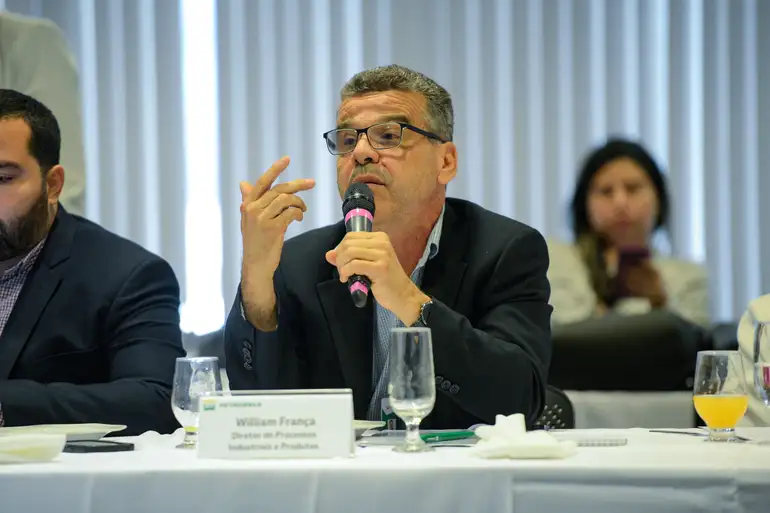
The executive director of industrial processes and products of the company, William França, shared the data during a press conference held on the morning of Friday, November 24.
-
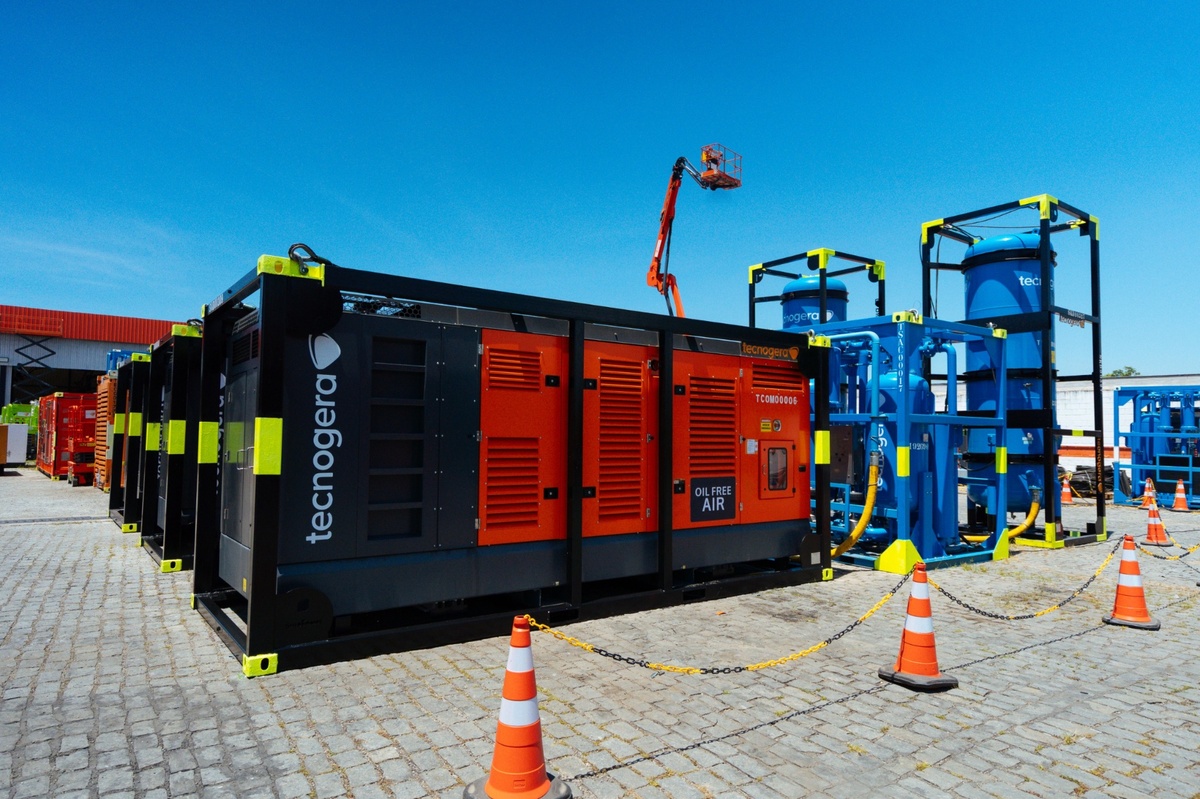
Offshore industrial demand in Macaé skyrockets with the recovery of oil and gas and could grow by up to 396% by 2026 in the Campos Basin.
-
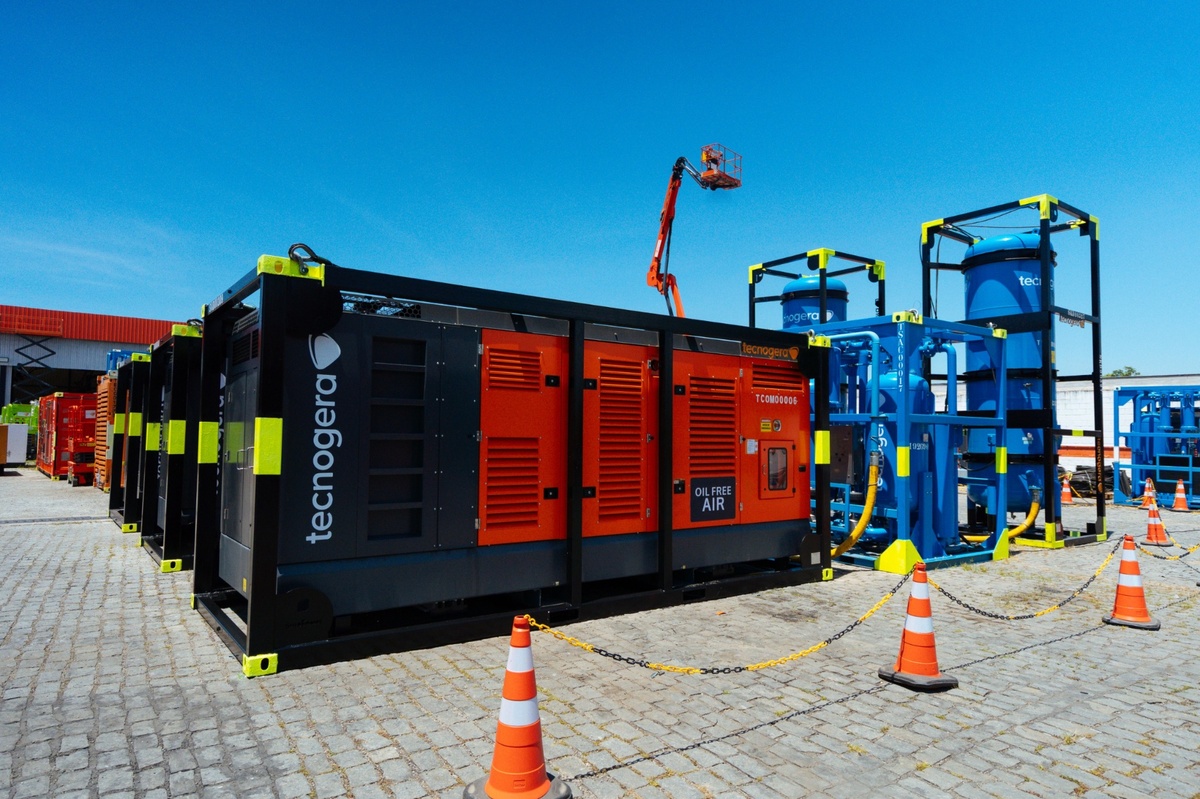
Offshore industrial demand in Macaé surges with the recovery of oil and gas and could grow by up to 396% by 2026 in the Campos Basin.
-
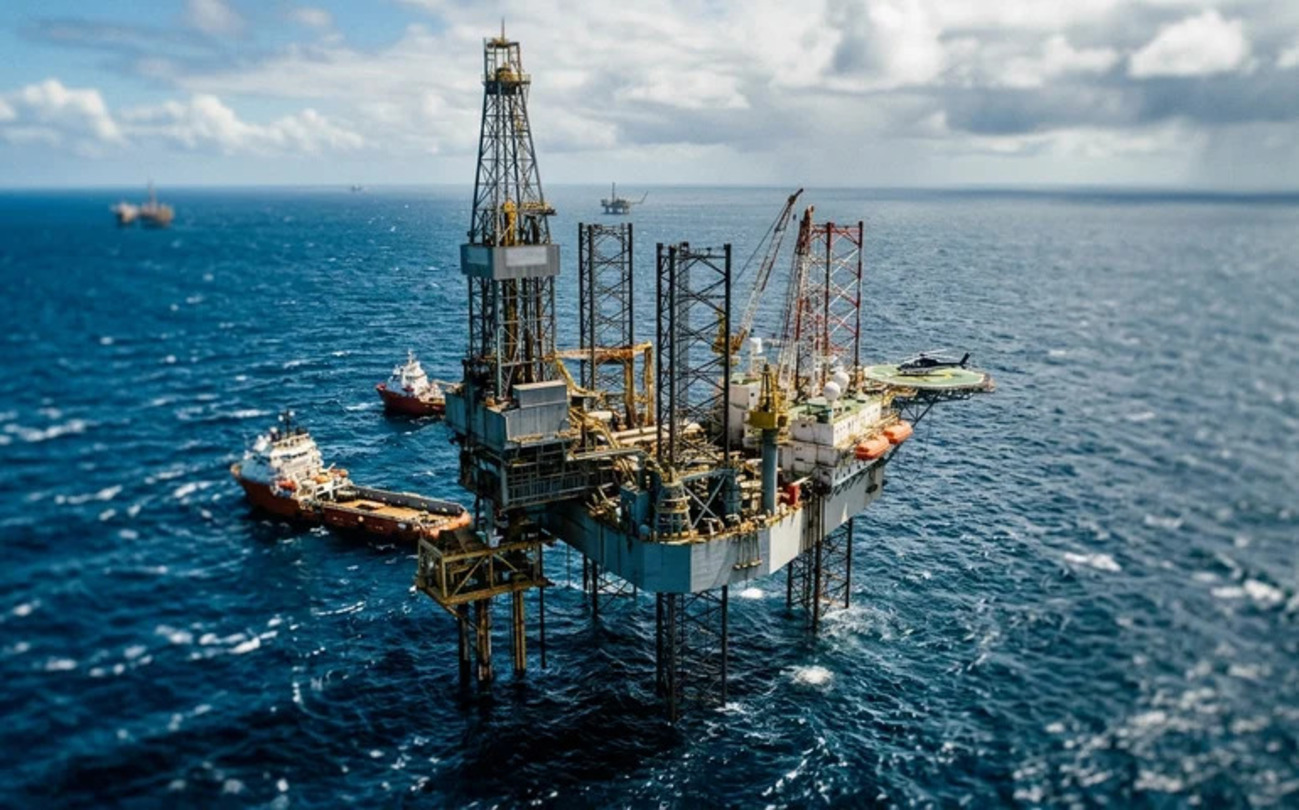
Brazilian giant expands borders in the Southeast: Petrobras confirms new oil discovery in ultra-deep waters in the pre-salt of the Campos Basin.
-
Alert in the global energy market: Severe tropical cyclone hits the coast and disrupts gas production at major plants in Australia, threatening global supply.
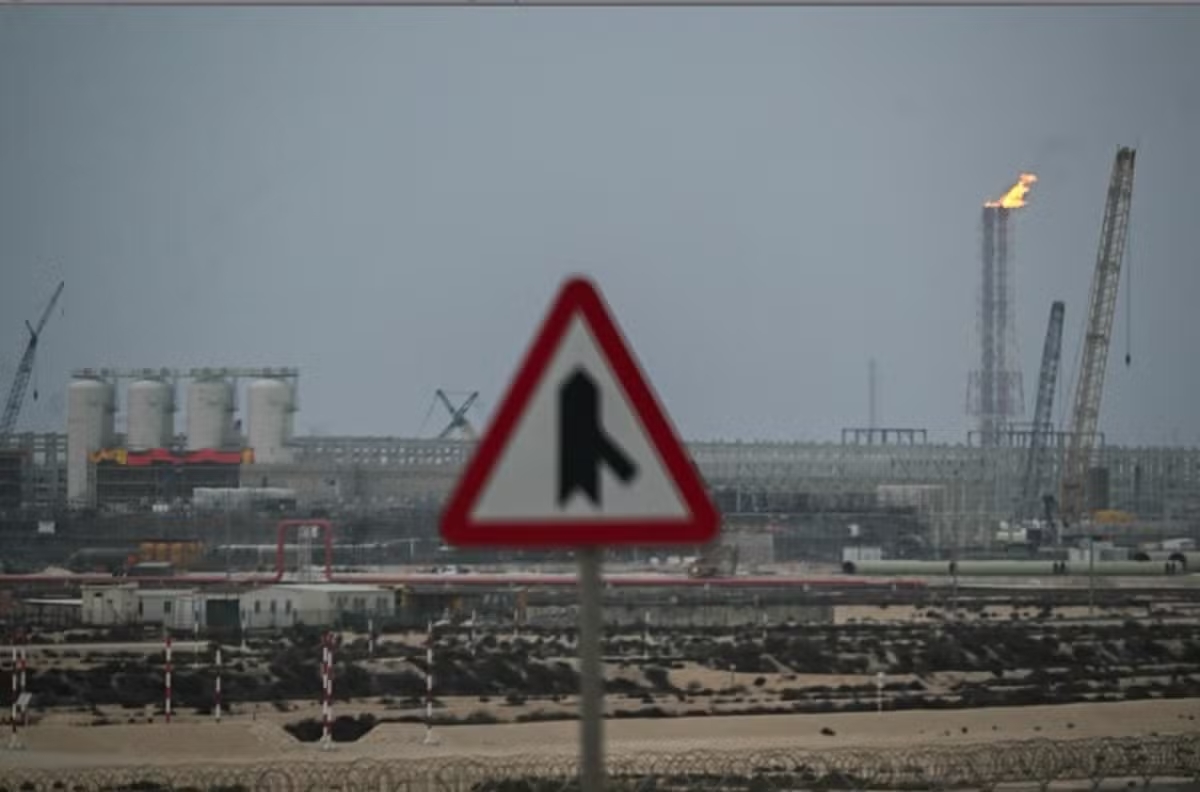

According to França, the resumption of Ansa will include the fertilizer project, which will be realized more quickly. The plant has been inactive since 2019. The resources to restart operations are already included in the new budget plan of the board and will be allocated mainly for the maintenance of the unit.
This initiative will significantly impact the company’s performance in the coming years.
Plans to Reactivate a Production Plant
“We are finalizing the assessment of the needs to conduct a bidding process. Subsequently, with the bidding ready and the evaluations from the working group analyzing responsibilities and human resources, for example, we will then make the decision to resume operations at this plant,” he said.
França also stated that the company is in negotiations with a potential partner to replace the natural gas used in the production of fertilizers with gas generated from biomass, biogas.
The leader of Petrobras, Jean Paul Prates, also confirmed the commitment to finalize the construction of UFN 3 in Três Lagoas, which was halted in 2014. The unit was even put up for sale during the Bolsonaro government, but the attempt was unsuccessful. However, the continuation of the construction will depend on new financial analyses.
“The goal is to complete the construction, but the method to do so may vary. In China, we had discussions with potential partners interested in completing the project and becoming shareholders. This possibility may materialize or, alternatively, we can complete the construction on our own and then seek partners,” Prates said.
The director of industrial processes and products, William França, emphasized that UFN 3 has the advantage of being more efficient than other Petrobras installations. “It is more profitable and, with the same amount of gas, produces 60% more urea. The forecast is for it to start operating in 2028, but we are committed to optimizing this timeframe, should the operation’s viability be confirmed.”, he stated.
Additionally, Petrobras also stated that it is in talks with Proquigel, a subsidiary of Unigel, to establish a tolling agreement for the production units of fertilizers located in Sergipe and in Bahia.
Through this agreement, Proquigel will continue to pay for the leasing of the factories and the commercialization of urea, while Petrobras will provide natural gas for the operations.
The partnership between the two companies aims to maintain production of fertilizers and ensure the supply of the Brazilian market.
Units Leased to Unigel in Delicate Financial Situation
Unigel leased the units under a ten-year contract. In a state of financial crisis, the company has argued that the current cost of natural gas provided by the state-owned company is preventing the continuation of the operations of the factories.
According to a company representative, “The idea is not to help anyone, it is to help us. The two plants are our assets. The alternative would be to discontinue the plants and return them.”
The agreement was announced by the governor of Sergipe, Fábio Mitidieri, during an interview at the epbr studio. See the full interview below:
Prates mentioned that the tolling agreement aims to give Petrobras more time to decide the fate of the projects.
During the six-month period, which can be extended by another six, efforts will be made to find an alternative solution: whether by bringing back the production operations, establishing a partnership with the company, involving a third partner, or integrating with other ventures. We are also considering a hydrogen production project, which is quite promising.
According to França, one of the options under consideration is to use the factory in Bahia for the production of green ammonia intended for export.
The executive leader stated that the state-owned company’s re-entry into the fertilizers industry is related not only to the need to meet domestic demand but also to the company’s position in the energy transition. “It is from there that new products will emerge, such as green ammonia and the fertilizers of the future, so it is crucial that we have a market share; we want to be part of the game,” he stated.
Regarding the profitability of the projects, Prates emphasized that the company needs to diversify its activities in the context of the energy transition and that it can benefit from logistical and operational capabilities, as well as access to raw materials to realize profitable projects in this sector.
Investments in Fertilizer Projects Are Not a Loss, Says Executive Director
“Of course, if we compare a standalone pre-salt reserve, for example, with a fertilizer industry, the profitability will not be the same, but that does not mean that investing in fertilizers is a loss,” he explained.
The financial and investor relations executive, Sérgio Leite, emphasized that the criteria used to determine investments remain the same for fertilizer projects.
According to the source, all investments are subject to governance, with some requiring more attention than others. The decision-making for investments takes into account value creation, margins, and financial attractiveness, whether in the fertilizer sector or any other area.
Source: EPBR









Seja o primeiro a reagir!