





 English
  Francês
  Alemão
  Italiano
  Japonês
  Norueguês
  Portuguese
  Spanish
  3 min of reading


Petrobras Wants to Divest Its Gas Distribution Business and Fuel Station Network in Uruguay, Along With the Sale of Eight Refining Assets in Brazil That Could Yield Up to 20 Billion Dollars.
On Friday night, Petrobras announced that its Board of Directors approved new guidelines for the management of the company’s asset portfolio, considering the sale of eight refineries. The adjustment in the management plan also includes the sale of Petrobras’ network of gas stations in Uruguay, as well as an additional stake in BR Distribuidora. This decision is part of the ongoing program to sell non-strategic assets that Petrobras is executing. In addition to reducing debt, Petrobras also aims with its divestment plan to focus on what it considers to be its core business: the exploration and production of oil and gas.
A leader in Brazil in fuel distribution, with BR Distribuidora, Petrobras will put for sale the network with 70 stations in Uruguay, and will negotiate with the Uruguayan government to return the gas distribution concession. According to Petrobras President, Roberto Castello Branco, “The scale we have in Uruguay does not interest us.” The state-owned company buys natural gas from Argentina at market price and in Uruguay at a fixed price. The oil company operates the distributors MontevideoGas and Conecta. “These businesses incur losses,” said Castello Branco.
-
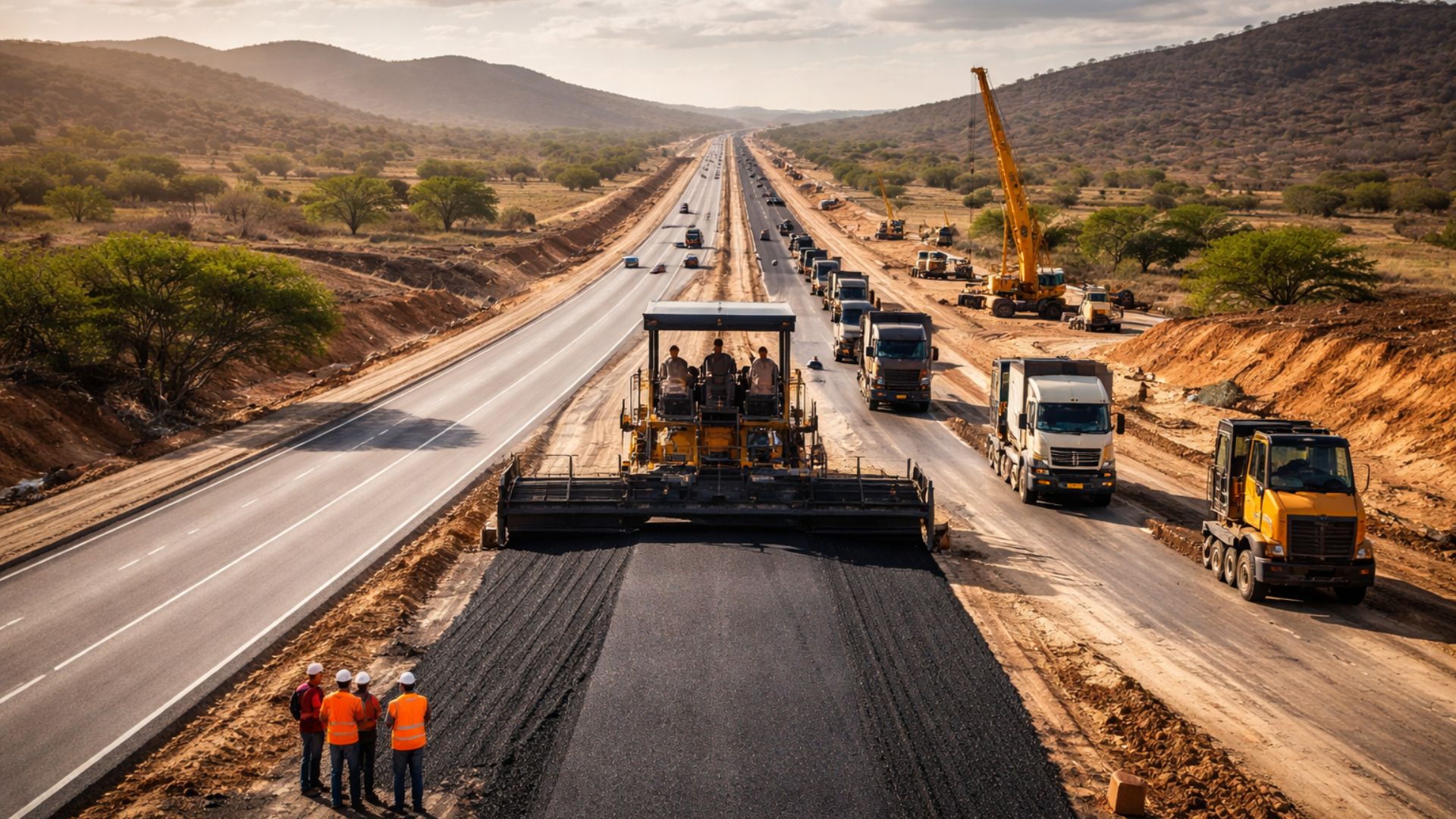
Government unlocks R$ 554 million for a highway that has been requested for decades and accelerates the duplication of BR.
-
Without bricks, without cement, and without endless construction: the cardboard house that is assembled in modules and can be moved.

-
Billions of barrels on the equatorial margin could lead Amapá to double its oil production in Brazil — the state aims to enter the route of companies in the Campos Basin, attract investments, and boost jobs and businesses in the oil and gas sector.
-
Without bricks, without cement, and without endless construction: the cardboard house that is assembled in modules and can be moved.

The state-owned company announced that it also intends to sell eight refineries in Brazil, located in Pernambuco, Paraná (two units), Bahia, Minas Gerais, Rio Grande do Sul, Amazonas, and Ceará. There are 13 units in total, among them Abreu e Lima (RNEST), Landulpho Alves (RLAM-BA), Unidade de Industrialização do Xisto (SIX-PR), Gabriel Passos (REGAP-MG), Presidente Getúlio Vargas (REPAR-PR), Alberto Pasqualini (REFAP-RS), Isaac Sabbá (REMAN -AM), and Lubrificantes e Derivados de Petróleo do Nordeste (LUBNOR- CE).
Petrobras would retain control of assets in the Southeast, its main consumer hub, which includes the Duque de Caxias refineries in Rio de Janeiro, and Presidente Bernardes, Henrique Lague, Capuava, and Paulínia, all located in São Paulo.
Petrobras expects to raise up to 20 billion dollars with the sale of refining assets in a process that should take a year and a half to complete. Besides reducing its high indebtedness, with the sale of the refineries moving forward, Petrobras will no longer hold a refining monopoly in Brazil. “It is an anomaly for a single company to hold 98% of the production capacity of certain products, whatever the circumstances,” said Castello Branco.
Not only the Chinese are potential buyers, but also specialized refining distributors and trading companies are among those interested in the business. Castello Branco stated that Petrobras’s concern will be not to sell the refineries to a single buyer to avoid regional monopolies and stimulate competition in the domestic refining market and, consequently, in the final price formation for petroleum derivatives.
This week, the oil company announced the sale of US$ 10.3 billion in assets from a total plan of US$ 27 billion. On Thursday, it informed the market about the sale of the TAG gas pipeline to French company Engie for US$ 8.6 billion, the platform from the Tartaruga Verde field (purchased by Petronas from Malaysia for US$ 1.3 billion), and the Riacho da Forquilha polo, acquired by Bahia’s PetroRecôncavo for US$ 384 million.
On the state-owned company’s divestment list are Liquigás (gas cylinders), Petrobras’s stake in Braskem, and the reduction of its share in BR Distribuidora.
The goal of Odebrecht in negotiating the sale of its stake in Braskem to LyondellBasell is to receive part in cash and another in shares of the European chemical giant — and become the company’s second-largest shareholder. Petrobras, which owns the other half of Braskem, only wants cash and to exit.
Uruguayan Court Prohibits Protest by Workers at Petrobras Subsidiary






Seja o primeiro a reagir!