





 Portuguese
  English
  Spanish
  7 min of reading
  0 comments



The command of the Brazilian state-owned company details the strategic plan for decarbonization and assures that the company will make the energy transition safely, without giving up oil exploration and ensuring shareholder profitability.
The president of Petrobras, Magda Chambriard, confirmed during an event that the oil company will conduct the energy transition safely, integrating the decarbonization of operations with the maintenance of oil production.
The executive highlighted that Brazil has a privileged position in the global scenario but emphasized that the country still depends on oil and gas revenues to finance future technologies. According to the state-owned leadership, Petrobras will not abandon its “core business.” However, it will invest heavily in solutions such as renewable diesel, green hydrogen, and carbon capture.
The investment plan for the coming years allocates a billion-dollar slice to clean sources while the company seeks new exploratory frontiers, such as the Equatorial Margin, to avoid the decline of national reserves.
-
Researchers discover a possible hydrogen deposit of up to 46 million tons beneath an ancient coal basin, and the volume could exceed half of the entire global production.

-
China bets on the Fishery-PV model and transforms fish farms into giant solar plants, covering ponds with panels that generate energy while utilizing the same space for large-scale aquaculture production.

-
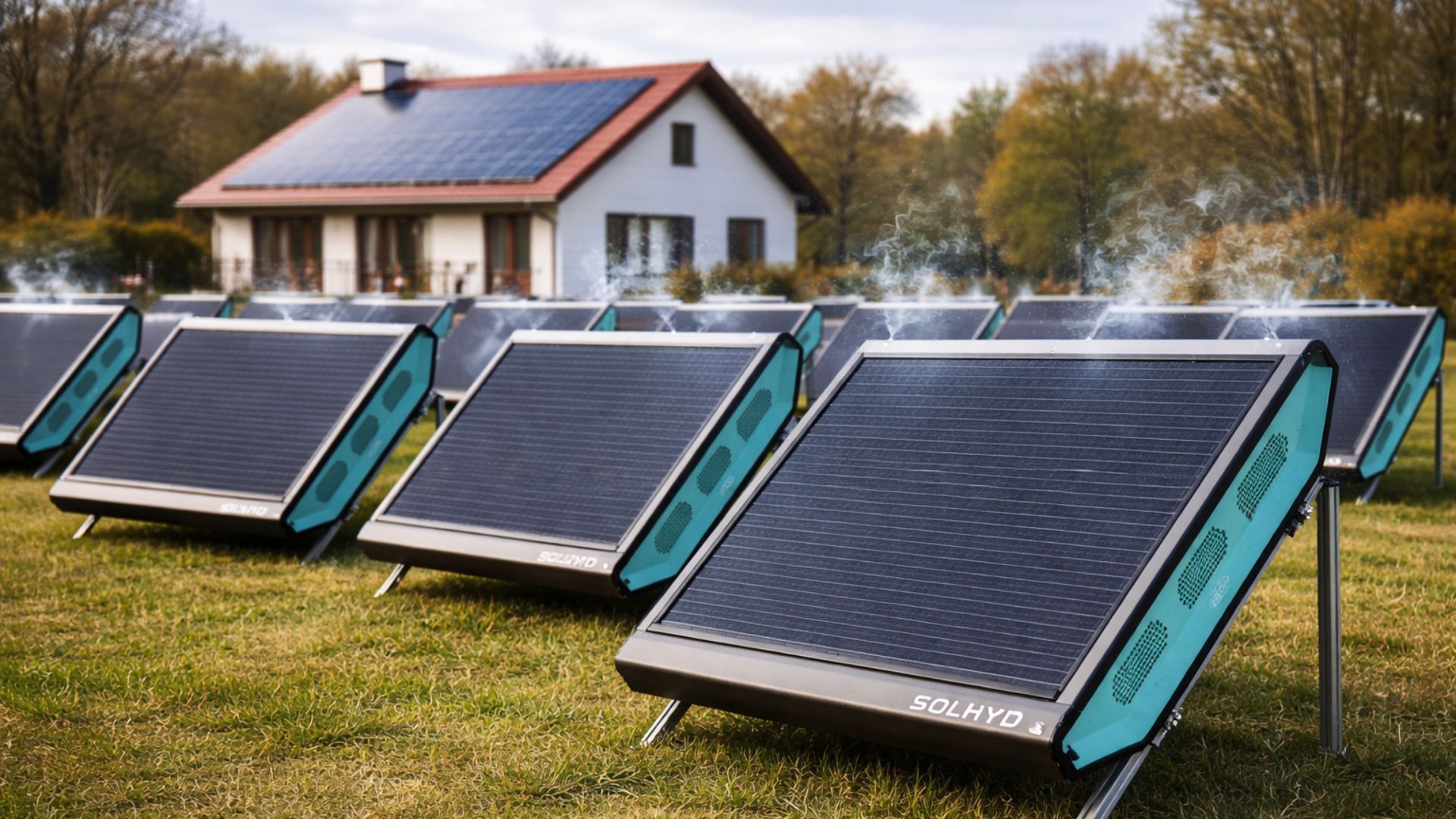
Green hydrogen at home: Belgium launches new technology that makes solar panels produce fuel from the moisture in the air, which could boost the energy transition.
-
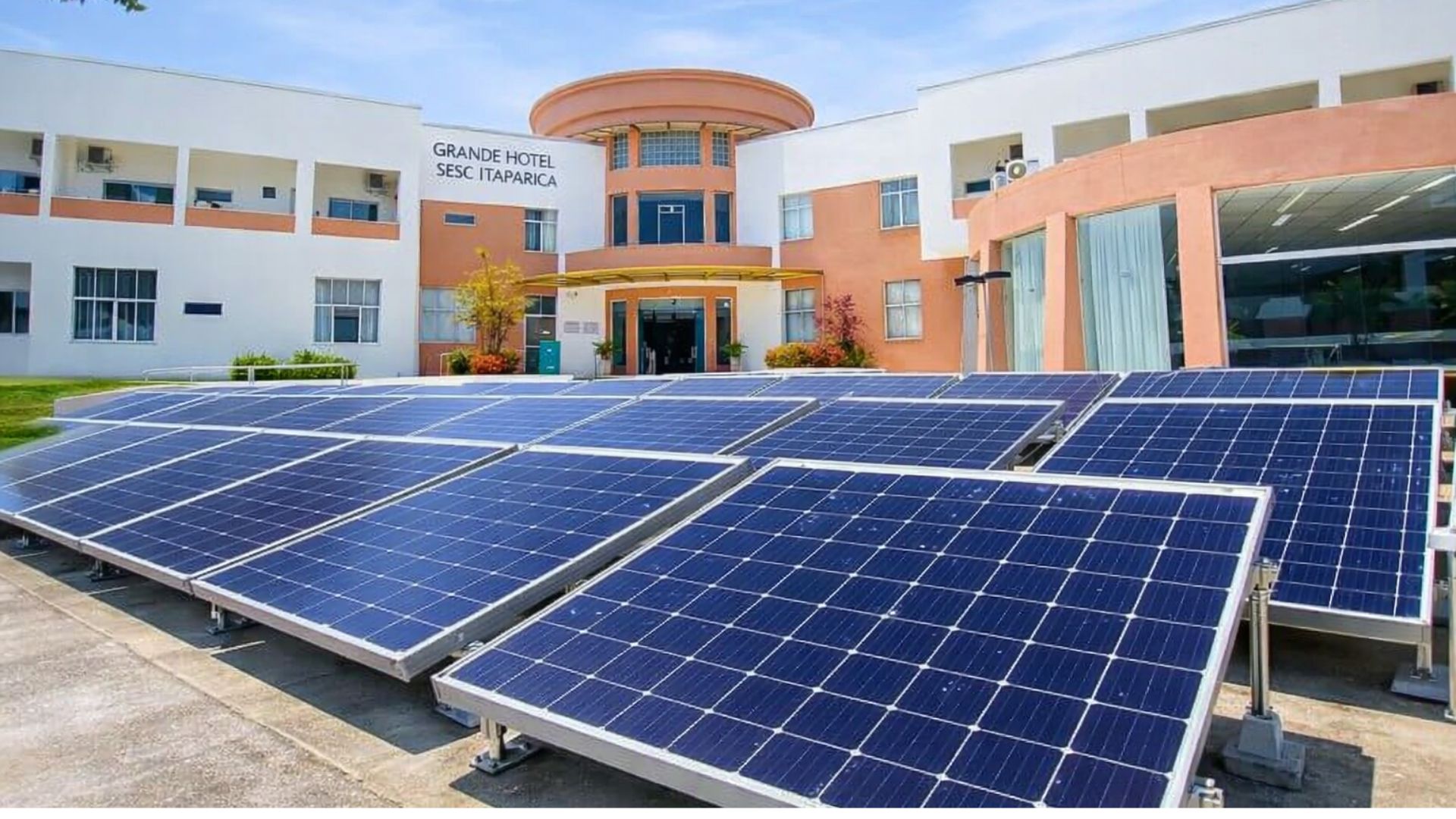
Sesc-BA bets on renewable energy with the support of EDP and drives the energy transition with a direct impact on cost reduction and the sustainability of its operations in Bahia.

This strategy aims to ensure that the change in the energy matrix occurs gradually, protecting Brazil’s energy security and avoiding price shocks that could impact the end consumer in 2026.
The practical concept of a safe energy transition in Brazil
Many experts discuss the end of the oil era, but Petrobras takes a pragmatic stance by asserting that it will conduct the energy transition safely. In practice, this means that the company will use the record profits obtained from the pre-salt to finance its definitive entry into low-carbon markets.
The state-owned company understands that a sudden shift to renewable sources could destabilize the electrical system and compromise the supply of essential fuels for the transport of goods and passengers.
The safety mentioned by the company’s presidency involves protecting cash flow. By maintaining oil exploration in high-productivity fields, Petrobras ensures the necessary dividends for the Brazilian State to continue investing in social areas.
Moreover, the company focuses on reducing emissions in the extraction process itself, using the concept of “low-carbon oil.” This technique extracts the maximum amount of oil with minimal gas flaring, making Brazilian products more competitive in an increasingly demanding global market with environmental standards.
The role of the Equatorial Margin and reserve replenishment
One of the pillars to ensure the energy transition safely lies in opening new exploration fronts. Petrobras is closely watching the Equatorial Margin, a region that extends from Amapá to Rio Grande do Norte.
The state-owned company believes that this area holds gigantic reserves, similar to those found in neighboring Guyana. Without the discovery of new fields, Brazilian oil production will peak in a few years and begin to decline, which would reduce the company’s capacity to invest in clean energy.

Exploration of this new frontier generates intense debates about environmental licensing, but Petrobras assures that it has the necessary technology to operate in the region with minimal risk.
The company argues that oil from the Equatorial Margin will finance education and health for the future, as well as provide the capital necessary for Brazil to lead large-scale green hydrogen production.
For the company’s board, there is no contradiction between seeking more oil and investing in renewables; the two fronts are complementary in the current stage of the global economy.
Green Hydrogen and the new frontier of sustainable fuels
As part of the plan to conduct the energy transition safely, Petrobras bets on green hydrogen (H2V) as the “fuel of the future.” Brazil has unmatched natural advantages, such as abundant sun and wind, to produce cheap electricity.
This energy powers electrolyzers that separate hydrogen from water, creating a zero-carbon fuel. Petrobras plans to use its vast infrastructure of refineries and terminals to become one of the largest global exporters of H2V and green ammonia.
This investment allows the company to diversify its portfolio. If the world consumes less oil in the coming decades, Petrobras will be ready to supply hydrogen for heavy industry and maritime transport.
This long-term vision ensures that the state-owned company remains relevant and profitable even in a decarbonized economy scenario. Green hydrogen thus serves as an insurance policy for the company’s financial sustainability in the coming generations.
Renewable Diesel and Biofuels: Immediate impact solutions
Petrobras is not only focusing on long-term technologies to ensure that it will conduct the energy transition safely. The company already produces and sells Diesel R, a fuel that mixes mineral diesel with renewable content derived from vegetable oils or animal fat.
This solution does not require modifications to current truck engines, allowing for an immediate reduction in greenhouse gas emissions without the need to replace the entire national fleet with electric vehicles.
The production of sustainable aviation fuels (SAF) is also at the top of the priorities. As the aviation sector faces difficulties in using batteries for long-distance flights, biofuels emerge as the only viable solution.


By leading this production, Petrobras protects the domestic market and creates a new export front. Brazil has the potential to become the largest producer of advanced biofuels on the planet, leveraging its thriving agribusiness to supply the state-owned refineries.
How does technology reduce the carbon footprint in the Pre-Salt?
For Petrobras to execute the energy transition safely, it needs to clean its own house. An impressive technological curiosity is the carbon dioxide reinjection system used on the Pre-Salt platforms.
Instead of releasing the gas into the atmosphere, the production units separate the carbon and inject it back into underground reservoirs. This process not only prevents global warming but also helps push more oil to the surface, increasing well efficiency.
Additionally, Petrobras uses supercomputers to map reservoirs with millimeter precision. This reduces the need to drill dry wells, saving resources and decreasing the environmental impact of exploratory activity.
The digitization of platforms, using Internet of Things (IoT) sensors and monitoring drones, allows for real-time detection of any methane leaks. These innovations prove that the oil industry can be technological and responsible while the world moves towards cleaner sources.
The socioeconomic impact of the transition in Brazil
The change in the energy matrix affects thousands of jobs and tax revenues for states and municipalities. Therefore, the government and Petrobras advocate that the process occurs as a safe and just energy transition.
This means that regions currently dependent on the oil economy need time and investment to attract new industries, such as battery factories, maintenance centers for wind turbines, and biomass plants.
Petrobras invests in training programs so that its workers can transition to new areas of renewable energy. A technician currently operating an oil refinery can, with proper training, manage a hydrogen plant or a carbon capture system.
This concern for human capital ensures social stability during the economic paradigm shift, avoiding mass unemployment that occurred in other countries that abruptly closed coal mines without planning.
The role of Natural Gas as a safe energy transition fuel
Natural gas plays a fundamental role in ensuring the energy transition safely. Being much less polluting than coal and oil, gas serves as a “bridge fuel.”
It provides the energy base needed for industries while wind and solar sources still suffer from intermittency (the fact that they do not generate energy when there is no wind or sun). Petrobras invests in expanding the pipeline infrastructure to deliver this input to more regions of Brazil.
The increase in the supply of national gas reduces dependence on imports and lowers electricity costs. In the transport sector, compressed natural gas (CNG) and liquefied natural gas (LNG) for trucks help reduce pollution on highways.

The state-owned company focuses on transforming gas into an ally of decarbonization, proving that diversifying sources is the smartest path for a country of continental dimensions like Brazil.
Investments in Innovation and International Partnerships
Petrobras does not walk the path of energy transition safely alone. The company maintains partnerships with universities, research centers, and other global oil companies to develop cutting-edge technologies.
The exchange of knowledge about carbon capture and storage (CCS) and offshore wind energy accelerates the learning curve of the Brazilian state-owned company. Brazil has a vast coastline with constant winds, opening the possibility for Petrobras to install giant turbines alongside its oil platforms.
This synergy between underwater engineering knowledge and renewable energy generation places Petrobras in a position of technological leadership.
The company is already testing the use of wave and tidal energy, exploring every gram of energy potential in Brazilian territory. Innovation is the engine that ensures the company’s survival in a world that simultaneously demands more energy and less emissions.
Is the future of energy in Brazil in good hands?
The statements from the president of Petrobras reinforce that the energy transition safely is the top priority of the largest company in the country.
The balance between oil and renewables seems to be the chosen formula to ensure economic development without compromising environmental goals. Brazil has everything to emerge victorious from this process, using its mineral wealth to build the foundations of a green, technological, and socially just economy.
Petrobras’s trajectory in the coming years will serve as a model for other national oil companies. By proving that it is possible to decarbonize operations while maintaining profitability, the Brazilian state-owned company sends a strong signal to the global market.
Oil will still move the world for some time, but the energy that will sustain future generations is already being nurtured in the laboratories and operation centers of Petrobras. The commitment to a safe transition is, above all, a commitment to Brazil’s sovereign future.








Seja o primeiro a reagir!