





 English
  Francês
  Alemão
  Italiano
  Japonês
  Norueguês
  Portuguese
  Spanish
  2 min of reading


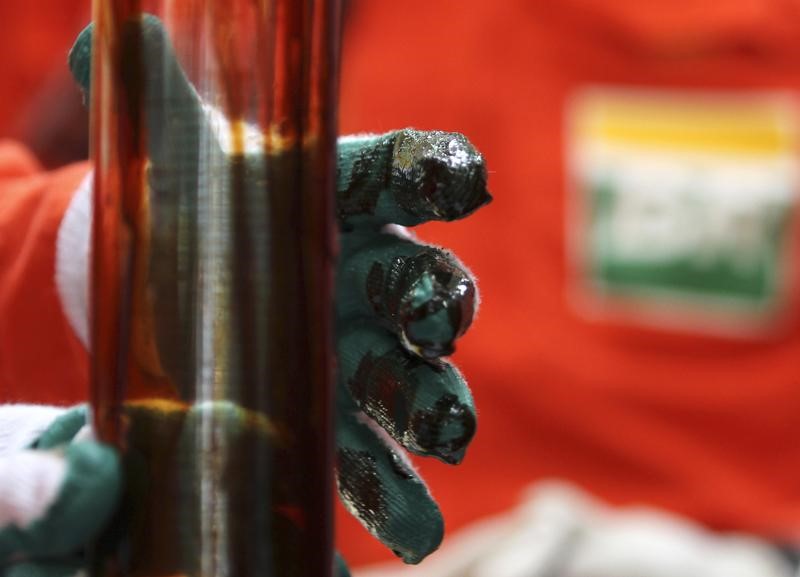
Petrobras Decided to Get Ahead and Adopt Starting Today, 01, the New Specification Established by the Rules Made by the International Maritime Organization.
Starting today, October 1st, Petrobras will have all its marine fuel (bunker) marketed with a maximum sulfur content of 0.5%. The state-owned oil company decided to get ahead and adopt the new specification established by the rules made by the International Maritime Organization (IMO), which aims to reduce pollution projected for 2020. Fire Hits Petrobras Refinery Revap in São Paulo.
IMO is a UN agency responsible for ensuring a clean, safe, and efficient global maritime transport industry. IMO 2020 promises changes in the fleet of ships and variation in freight rates in the international market.
-
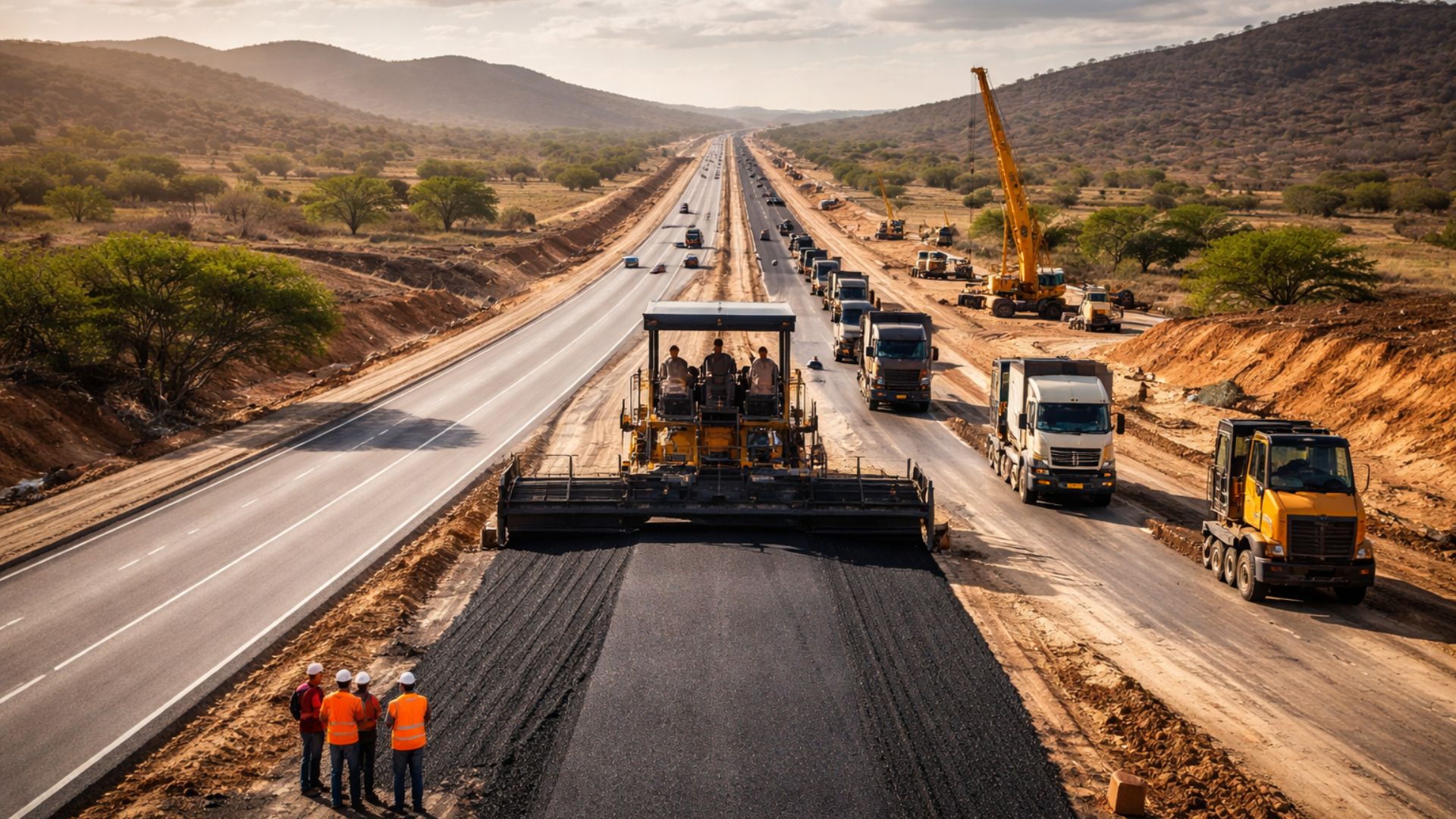
Government unlocks R$ 554 million for a highway that has been requested for decades and accelerates the duplication of BR.
-
Without bricks, without cement, and without endless construction: the cardboard house that is assembled in modules and can be moved.

-
Billions of barrels on the equatorial margin could lead Amapá to double its oil production in Brazil — the state aims to enter the route of companies in the Campos Basin, attract investments, and boost jobs and businesses in the oil and gas sector.
-
Without bricks, without cement, and without endless construction: the cardboard house that is assembled in modules and can be moved.
This is because the new regulation requires reducing the sulfur content from 3.5% to 0.5% in sulfur emissions starting January 1st next year.
The new limit complies with the International Convention for the Prevention of Pollution from Ships (Marpol), of which Brazil is a signatory.
This issue began to be debated in 2008, and its review was completed in 2016, with the agreed deadline set for 2020 for the industry’s adaptation.
Petrobras began adapting its refineries and operational units for fuel production in April.
So far, the company has already surpassed the production of 1.2 million cubic meters of bunker with a sulfur content below 0.5%.
According to the oil company, production will meet the entire demand in Brazil, and the surplus will be exported.
“The reduction of the sulfur level in the bunker provides Petrobras the opportunity to increase its share in the global markets of fuel oil and bunker profitably, in addition to adding greater value to Brazilian oil”, Petrobras informed.
The state-owned company did not provide details about what its annual production capacity will be, which refineries are producing, and what the demand is in the Brazilian market.
The ports where Petrobras markets bunker are Rio Grande, Paranaguá, Santos, São Sebastião, Angra dos Reis, Rio de Janeiro, Vitória, Salvador, Fortaleza, São Luís, Belém, and Manaus.







Seja o primeiro a reagir!