





 English
  Francês
  Alemão
  Italiano
  Japonês
  Norueguês
  Portuguese
  Spanish
  3 min of reading


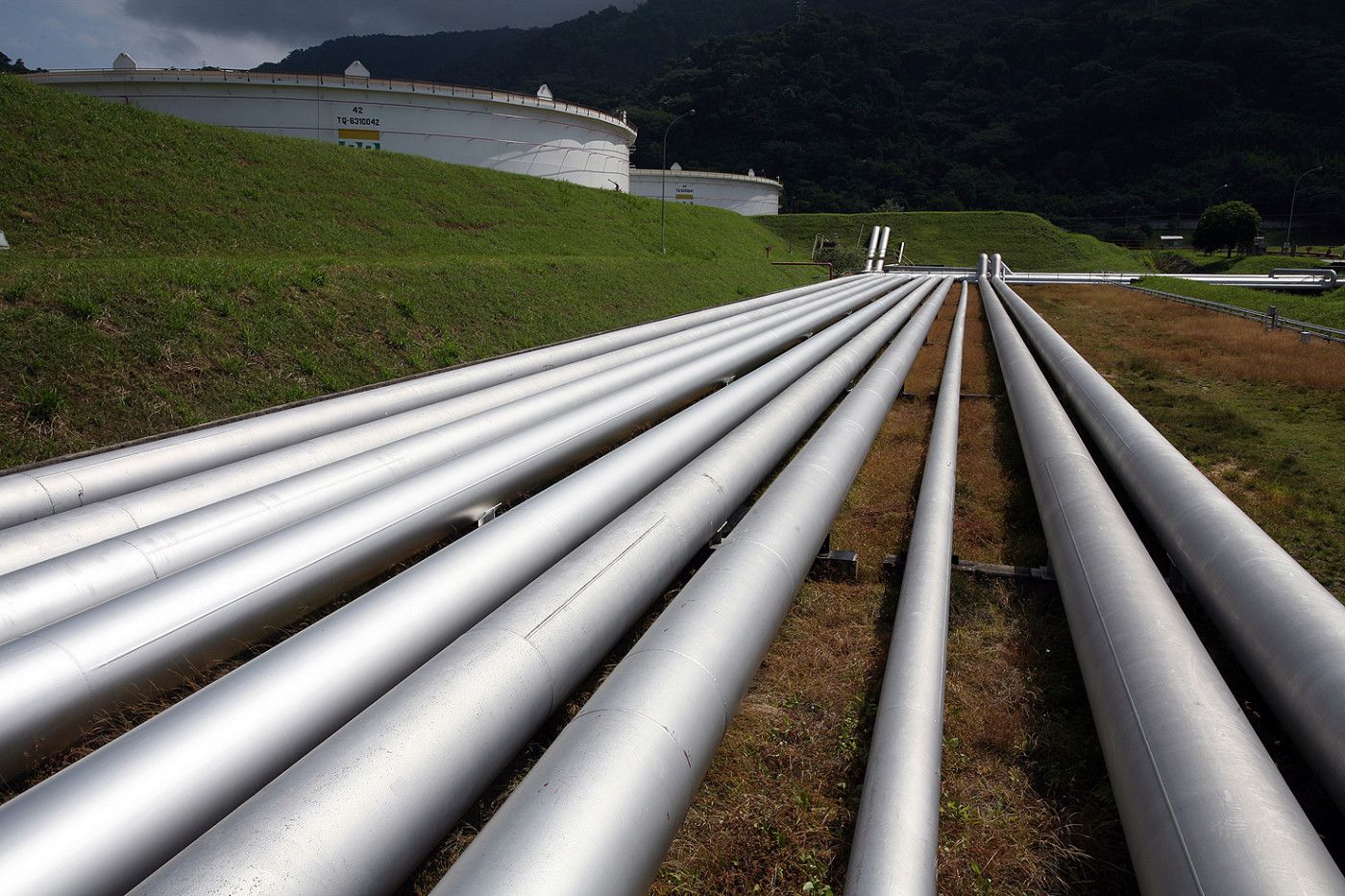
With the New Program Launched by Petrobras in June 2019, 3.4 Million Liters of Fuel Have Been Saved Due to Crimes
Petrobras informed last night (06/08) that it reduced fuel losses due to theft in pipelines by 31 percent in the first year of implementation of the Integrated Petrobras Pipeline Protection Program (Pró-Dutos). Petrobras Decides to Extend the Contract for the FPSO Cidade de São Vicente by BW Offshore
Read Also
- Ibama Receives Request from Petrobras to Drill Oil Well in the Rio Grande do Norte Basin
- Union Pressures Petrobras: 92 Employees Infected with Covid-19 at Repar
- Navy Decides to Sink the Ship Stellar Banner That Ran Aground in Maranhão with Vale’s Iron Ore
With the new program launched by Petrobras in June 2019, 3.4 million liters of fuel have been saved due to crimes, which means a lower threat to those living near the pipelines.
-
Brazilian giant expands borders in the Southeast: Petrobras confirms new oil discovery in ultra-deep waters in the pre-salt of the Campos Basin.

-
Alert in the global energy market: Severe tropical cyclone hits the coast and disrupts gas production at major plants in Australia, threatening global supply.

-
Petrobras finds high-quality oil in the pre-salt at 113 km from RJ and reignites expectations about strategic reserves in the Campos Basin.

-
Ocyan opens registrations for startups focused on innovation in the oil and gas sector and will select projects for Innovation Day with the support of Nexio.


The reduction in fuel loss volumes continues the downward trend in the first half of 2020, with a reduction of over 30% in the average monthly losses between 2019 and the first half of 2020.
In terms of occurrences of oil and derivatives thefts in pipelines, there was a 22% decrease between 2018 and 2019, from 261 to 203 theft cases.
As of May this year, Petrobras identified 101 occurrences of fuel theft. The company aims to reduce the incidence of this crime by 75% by the end of 2021, and, with integrated actions alongside the States and Federal Government, aims to eliminate clandestine deviations in the near future.
In order to increase security in pipeline operations, Petrobras installed more than one hundred monitoring systems along the pipeline network to improve the detection and location of thefts.
“24-hour monitoring and proper maintenance ensure that the pipelines are continuously operating within strict safety standards,” stated the company.
In April 2020, the operation of a new route for transporting liquefied petroleum gas (LPG) through pipelines also began. The highly flammable product is no longer transported through densely populated areas in the metropolitan region of São Paulo and now travels through the periphery of the urban center between the São Bernardo do Campo Pumping Station and the Capuava Refinery (Recap), reducing risks to the population.
Across the country, Transpetro, a wholly-owned subsidiary of Petrobras, operates 14,873 kilometers of pipelines transporting fuels. When there is no criminal interference, pipelines are the safest, fastest, and most reliable option for transporting these products. The volume transported by this pipeline network represents 20,000 tank trucks not traveling daily on the roads.
One measure supported by Petrobras and currently under discussion in the National Congress is the increase of penalties for those who commit fuel theft, which is currently comparable to common theft.
However, despite the safe and efficient transport of fuels through pipelines, criminal interventions can have serious consequences for the community, such as fires, explosions, leaks, pollution, and contamination of environmentally sensitive areas.
Petrobras Together with the Community
Another important aspect of the program is raising public awareness about the risks caused by theft in pipelines. Through a campaign developed under Pró-Dutos, the population was encouraged to collaborate by calling 168, which receives reports of criminal activities in the pipelines. There was a 60% increase in qualified alerts registered at the 168 channel in 2019.
The social emergency caused by the COVID-19 pandemic prompted the launch of a social project in 12 low-income communities located near the company’s pipelines. The project plans to distribute 63,000 food baskets to families affected by the pandemic over a three-month period.









Seja o primeiro a reagir!