





 Portuguese
  English
  Spanish
  4 min of reading
  0 comments


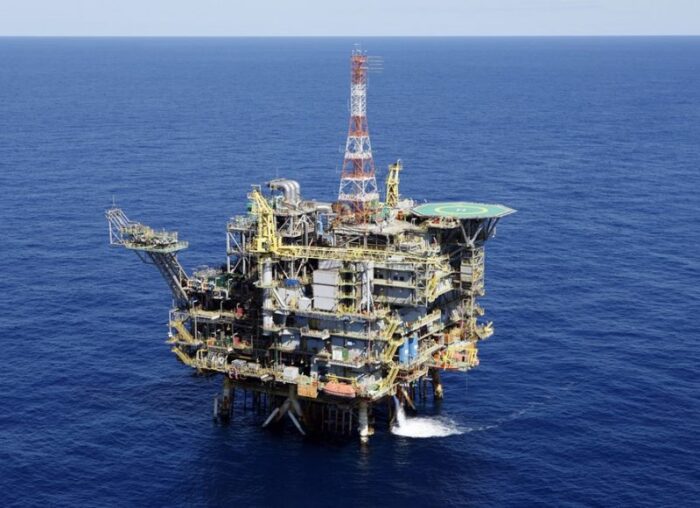
Petrobras Bets on Reusing Offshore Platforms to Cut Costs and Boost Sustainability in the Energy Sector!
Since 2023, Petrobras has intensified its studies on reusing offshore platforms as it seeks to make its operations more efficient and sustainable. As part of this strategy, in October 2024, the company signed a memorandum of understanding with several institutions in the energy sector to advance this objective.
Moreover, according to the National Agency of Petroleum, Natural Gas and Biofuels (ANP), this approach can reduce the costs of new explorations by up to 30% while also minimizing environmental impacts.
The recycling of oil platforms has already become a priority within the circular economy in the energy sector. For this reason, reports from the Energy Research Company (EPE), published in March 2024, indicate that the offshore sector has increasingly sought innovative solutions to reuse structures and thus avoid the need for new constructions.
-
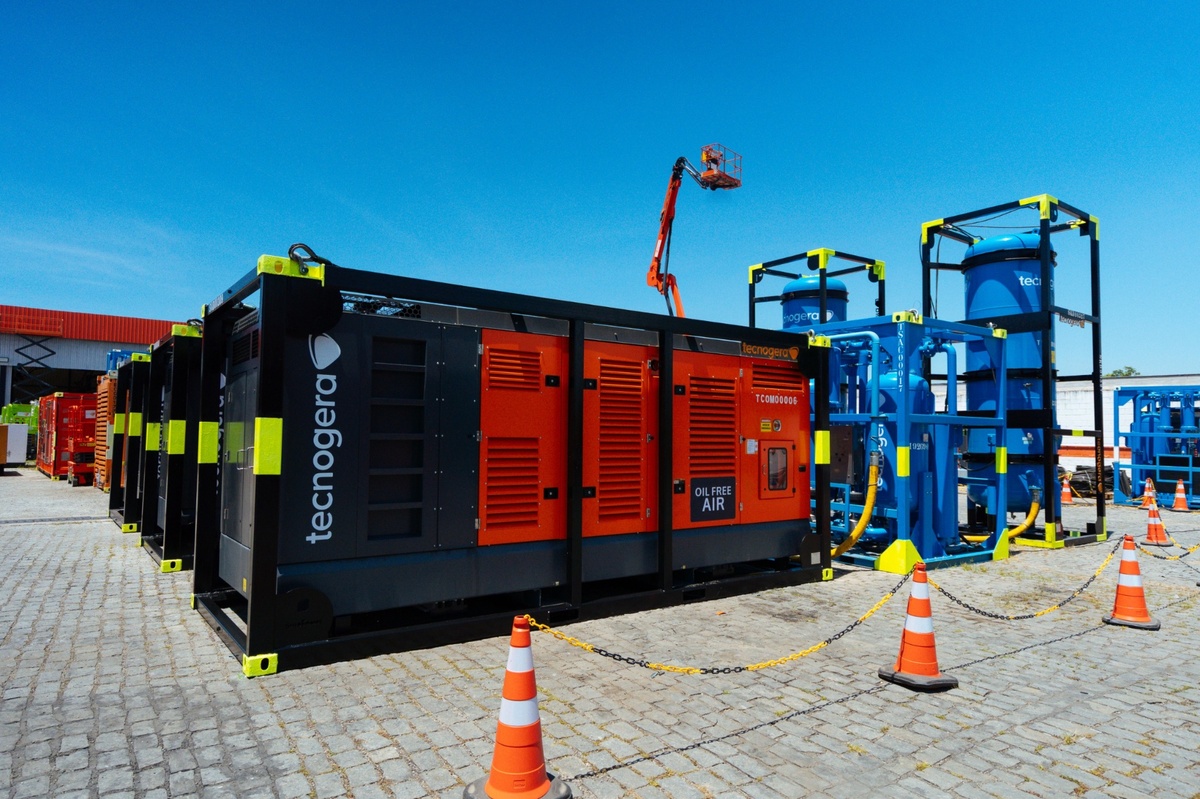
Offshore industrial demand in Macaé skyrockets with the recovery of oil and gas and could grow by up to 396% by 2026 in the Campos Basin.
-
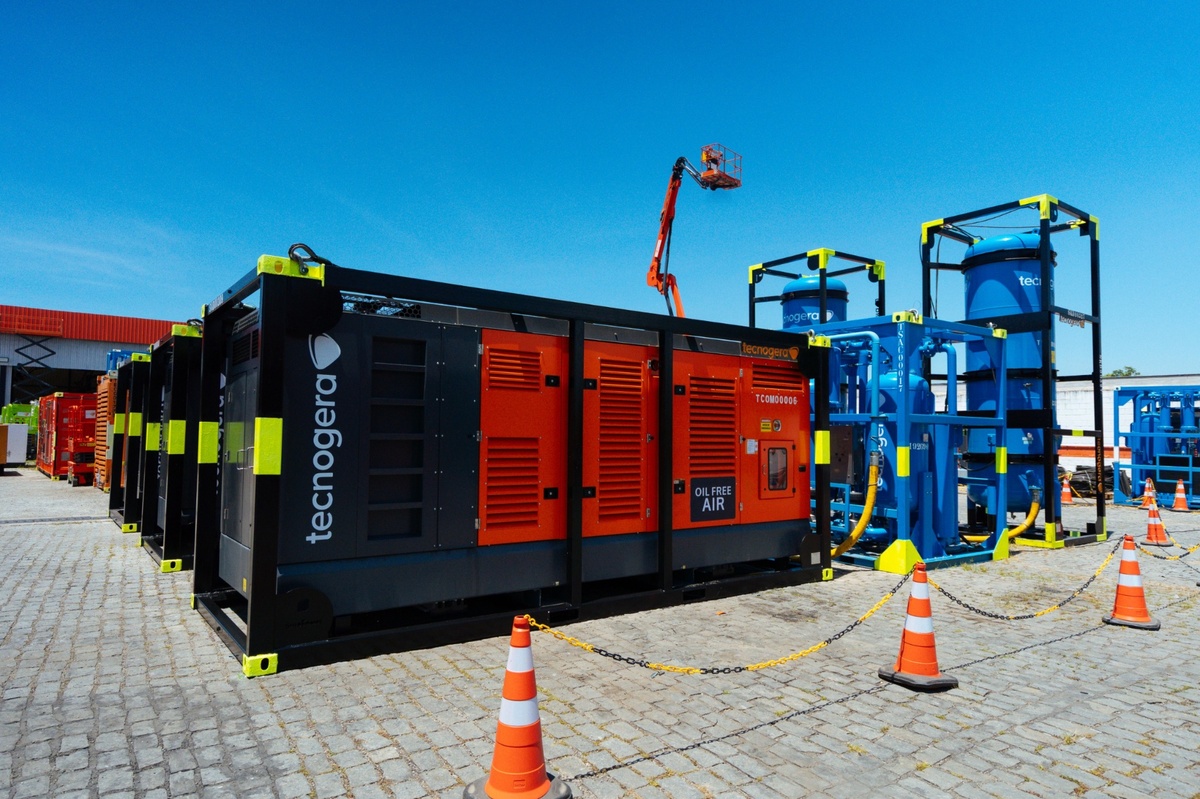
Offshore industrial demand in Macaé surges with the recovery of oil and gas and could grow by up to 396% by 2026 in the Campos Basin.
-
Brazilian giant expands borders in the Southeast: Petrobras confirms new oil discovery in ultra-deep waters in the pre-salt of the Campos Basin.

-
Alert in the global energy market: Severe tropical cyclone hits the coast and disrupts gas production at major plants in Australia, threatening global supply.


Finally, Petrobras stated in its Strategic Plan 2024-2028 that it intends to expand the reuse of these infrastructures to optimize costs and strengthen its environmental responsibility.
Why Is Reusing Offshore Platforms Essential for the Energy Sector?
In recent years, the concept of reusing offshore platforms has gained traction in Brazil. Initially, in 2022, Petrobras took the first steps by starting studies to extend the lifespan of these infrastructures.
Since then, the need to seek innovative solutions has become evident. According to the Federation of Industries of the State of Rio de Janeiro (Firjan), in 2022, Brazil had at least 40 decommissioned platforms or in the process of decommissioning. For this reason, the state-owned company began to heavily invest in transforming these structures into reusable assets.
Additionally, in February 2024, a study by the Brazilian Institute of Oil and Gas (IBP) highlighted that recovering these platforms could reduce industrial waste emissions by up to 50%.
To reinforce this initiative, in April 2024, Petrobras announced during a press conference that it intends to implement a pilot plan to reuse three platforms by the end of 2025. Thus, if the project is successful, the company may expand this practice to other units by 2030.
Reduction of Operational Costs: The Major Advantage of Reusing Platforms
Undoubtedly, the financial aspect has always been a determining factor for the oil and gas industry.
As indicated by a report published by the Brazilian Association of Oil and Gas Exploration and Production Companies (ABEP), in September 2023, the average costs of building a new platform can exceed US$ 1.5 billion. However, reusing these structures can reduce this amount by up to 40%, making operations much more profitable.
In this context, Petrobras has been studying this alternative since 2023. Consequently, in June 2024, the company announced an initial investment of R$ 2 billion to modernize platforms that have already operated in mature fields.
According to the company itself, this initiative can accelerate the financial return of new projects as well as increase operational efficiency. Additionally, the modernization of platforms will allow for the incorporation of new technologies, such as industrial automation and artificial intelligence, which are essential elements for optimizing operational performance.
Thus, in August 2024, Petrobras also initiated partnerships with international companies to enhance its reuse technology.
Currently, Shell Brazil and TotalEnergies, for example, are showing great interest in collaborating with the Brazilian state-owned company to enable new techniques for oil exploration and production from existing structures.
Environmental Impacts and Sustainability in the Oil and Gas Sector
Currently, concern about the environmental impact of oil and gas exploration activities has grown exponentially.
For this reason, in November 2023, the United Nations (UN) published a report warning about the need to reduce carbon emissions in the energy sector. In response to this demand, several companies, including Petrobras, began investing in sustainable technologies.
Furthermore, according to data released by the Brazilian Institute of Environment and Renewable Natural Resources (IBAMA), in March 2024, recycling offshore platforms can reduce the pollution caused by the inadequate disposal of these structures by up to 70%.
At the same time, the International Energy Agency (IEA) released a study in July 2024 indicating that reusing offshore infrastructures could be essential to achieve decarbonization goals by 2050.
Therefore, Petrobras and other industry giants see this approach as a crucial step to align their operations with global environmental requirements.
Conclusion: Petrobras at the Forefront of Innovation and Energy Efficiency
Undoubtedly, over the last few years, Petrobras has demonstrated a growing commitment to innovation and sustainability.
Since 2023, the company has been implementing new solutions for reusing offshore platforms, ensuring reduction of operational costs and lower environmental impact.
Thus, experts from Firjan and IBP anticipate that by 2030, at least 50% of decommissioned platforms in Brazil will be reusable.
Finally, by investing in this model, Petrobras positions itself as a global reference, balancing economic development and environmental responsibility.







Seja o primeiro a reagir!